13 old-school parenting habits Gen Z says left lasting effects
Every generation raises children based on the knowledge, culture, and values available at the time. Many parenting habits once considered normal came from ideas about discipline, respect, and preparing children for adulthood.
However, parenting expectations have changed as emotional awareness has grown. Gallup-Walton Family Foundation survey of 1,675 parents and children ages 10 to 18 found that many Gen Z kids want more listening, open conversations, and emotional understanding from their parents.
This conversation is not about saying older parents were wrong or modern parenting is perfect. Instead, it shows how ideas about raising children continue to change as families learn more about support and communication.
When Crying Was Seen as Weakness

For many older generations, crying was viewed as something children needed to control quickly. Phrases encouraging children to “toughen up” were common because many parents believed emotional strength came from handling problems quietly.
Many children learned to hide frustration, sadness, or fear because showing strong emotions was often discouraged. The goal was usually to prepare children for difficult situations and teach them to stay calm.
Gen Z often questions this style because many believe children should be guided through difficult emotions instead of feeling ashamed for having them. The idea is to build resilience while still allowing children to feel understood.
Physical Punishment Was Seen as Discipline

For decades, physical punishment was accepted in many households as a normal way to teach children right from wrong. Many parents believed immediate consequences helped children understand rules and respect authority.
Over time, the conversation around discipline changed. The American Psychological Association review on corporal punishment found that physical punishment is associated with negative child outcomes, leading many people to question whether this approach creates the benefits parents once expected.
Gen Z often views physical discipline differently because modern parenting focuses more on communication and emotional understanding. Many question whether fear should be part of teaching important lessons.
Children Were Expected to Stay Quiet
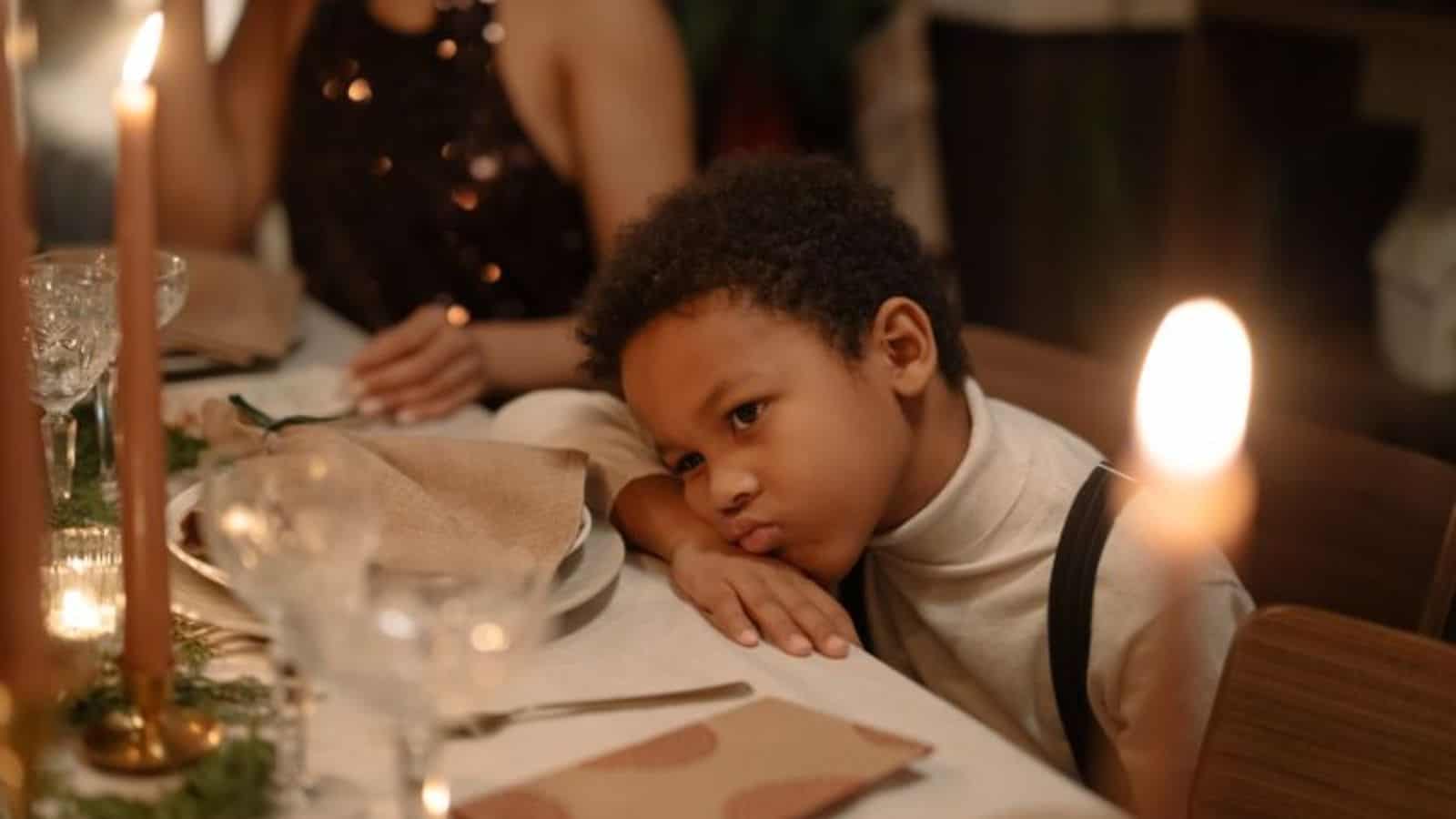
The idea that children should be seen and not heard shaped many families for generations. Children were often expected to listen, avoid challenging adults, and accept decisions without questioning authority.
Many parents saw this approach as teaching manners and respect. Speaking only when spoken to was often considered a sign of good behavior and proper upbringing.
Gen Z often reflects on these experiences differently, especially when they felt ignored or unable to express themselves. Today, many families try to balance respect with giving children a meaningful voice.
Kids Were Given More Freedom Than Today

Many older generations grew up with more independence than children often experience today. Playing outside for hours, exploring neighborhoods, and spending less time under supervision were common parts of childhood.
A Pew Research Center report on parenting approaches and concerns shows that modern parents often place greater emphasis on safety and supervision than previous generations, helping to explain why childhood freedom has changed.
Some believe this independence helped children develop confidence, creativity, and problem-solving skills. Others argue that today’s safety concerns have changed how families approach freedom and responsibility.
Forced Hugs and Kisses Were Considered Respectful

For many families, showing affection to relatives was viewed as a sign of good manners. Children were often expected to hug or kiss family members even when they felt uncomfortable because adults believed it showed respect.
Many parents saw this as a way of teaching kindness and family connection. The idea that children could choose when and how they showed affection was not always part of everyday conversations.
Gen Z often sees this tradition differently because many believe children should feel comfortable setting personal boundaries. The goal is not to remove family affection but to make sure it happens through care and willingness.
Shame Was Used to Encourage Better Behavior

Many parents once believed embarrassment could motivate children to improve. Comparing siblings, criticizing mistakes, or using harsh comments about grades and behavior were sometimes viewed as ways to push children toward success.
A systematic review published through PubMed on spanking and corporal punishment found links between harsh disciplinary practices and negative child-development outcomes, supporting concerns about the lasting effects of these approaches.
Gen Z often questions these methods because many adults remember feeling judged instead of supported. Today, many parents focus more on teaching lessons without damaging a child’s confidence or sense of self-worth.
Mental Health Struggles Were Often Dismissed

For many older generations, mental health was rarely discussed openly. Anxiety, depression, and emotional struggles were sometimes viewed as problems people needed to overcome privately.
Many children grew up hearing messages to stay strong, avoid complaining, and handle difficulties without showing too much emotion. While this mindset was often meant to build toughness, some believe it made struggles harder to share.
Gen Z is more comfortable discussing therapy, stress, and mental health challenges. Many young adults believe asking for help is a sign of awareness and strength rather than weakness.
Comparing Children Was Seen as Motivation
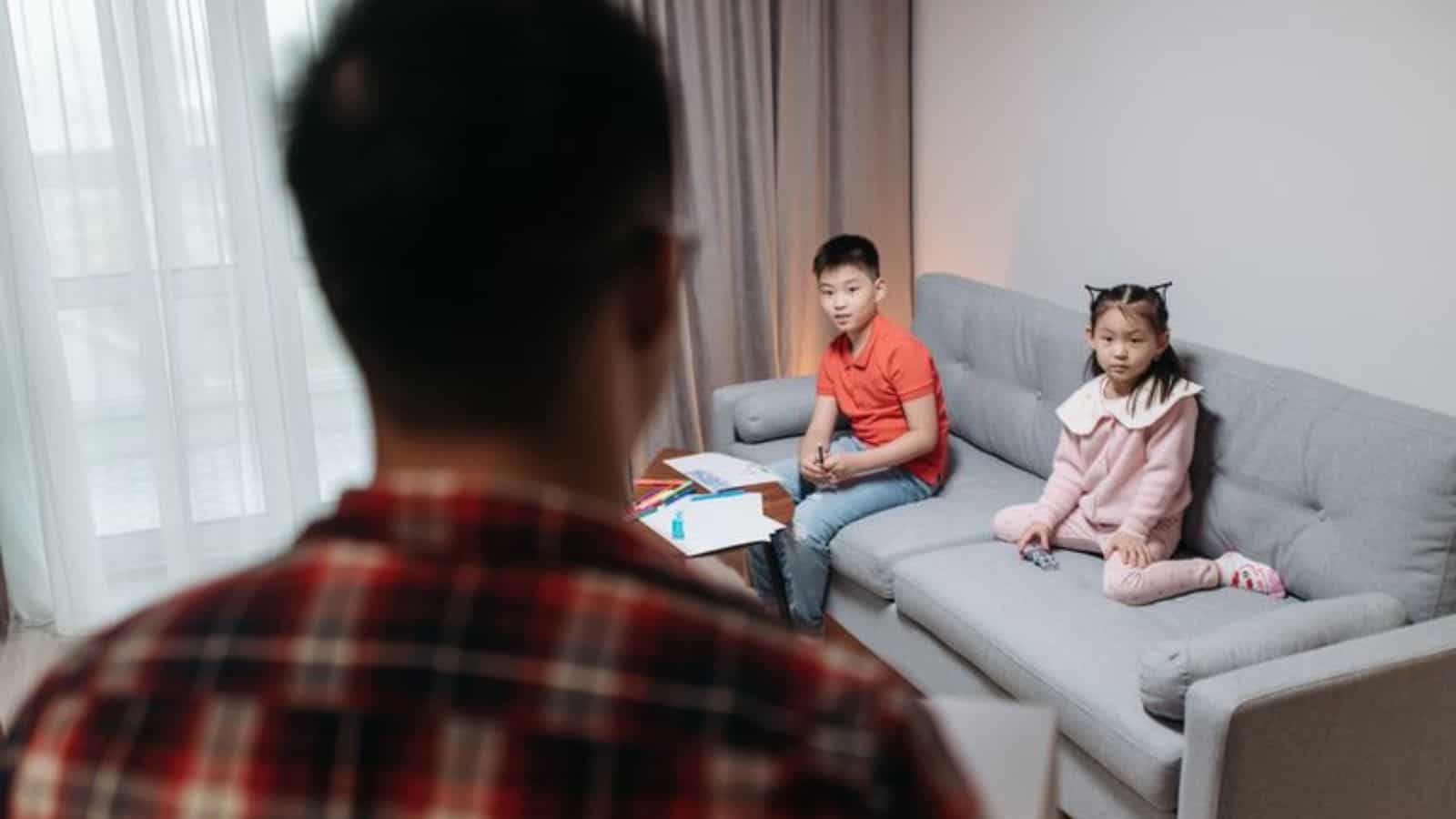
Many children grew up hearing comparisons to siblings, classmates, or other families. Some parents believed these comparisons encouraged improvement by showing children what they could achieve.
According to NPR, many Gen Z kids feel pressure to be perfect. That pressure is linked to higher levels of anxiety, sadness, and stress, helping explain why comparisons can feel discouraging.
Modern parenting discussions increasingly focus on encouraging children without making them feel measured against others. Many believe confidence grows when children feel valued for their own progress.
Parents Rarely Apologized to Their Children

In many traditional households, parents were viewed as the final authority. Admitting mistakes or apologizing to children was sometimes seen as unnecessary because adults were expected to maintain control.
Many families believed respect came from following rules and accepting decisions made by parents. The idea of a parent admitting they were wrong was less common than it is today.
Gen Z often values parents who can acknowledge mistakes and have honest conversations. For many younger adults, an apology does not weaken authority but shows maturity and respect.
“Because I Said So” Was the Final Answer

Many children grew up in homes where parents expected obedience without explanation. Rules were often followed because adults had authority, and questioning decisions could be viewed as disrespectful.
The Walton Family Foundation’s research on helping Gen Z navigate challenges highlights the importance of communication, emotional support, and understanding young people’s experiences, reflecting a shift toward explanation and dialogue.
Gen Z often questions this style because many believe communication builds trust. While authority and structure remain important, younger generations often prefer guidance that includes explanation and discussion.
Academic Pressure Came Before Wellbeing

For many families, academic achievement was seen as one of the strongest paths toward future success. Good grades, strong performance, and career preparation were often prioritized from an early age.
This focus helped many children develop discipline and ambition. However, some people now question whether constant pressure creates success or leaves children feeling overwhelmed.
Gen Z often reflects on how achievement-focused childhoods affected their experiences. Many believe children should be encouraged to succeed while still having time for creativity, friendships, and personal growth.
Privacy Was Not Always Considered a Childhood Right

Many older parenting styles involved close monitoring of children’s personal lives. Parents often expected access to conversations, decisions, and private moments because they believed it was part of protecting their children.
Many families today have different ideas about privacy and trust. Parents still want to keep children safe, but some also recognize the importance of allowing independence to develop.
Gen Z has brought more attention to how privacy affects confidence and responsibility. Many believe children need guidance while also learning how to make choices for themselves.
Tough Love Was Valued Over Emotional Support

Many older generations were raised with the belief that toughness prepared children for adulthood. Showing too much emotion was sometimes discouraged because parents wanted children to become strong and independent.
Many people now believe emotional support and resilience can exist together. Children can learn to handle challenges while still receiving encouragement, understanding, and care.
Gen Z’s perspective is not that older parents did not love their children. Instead, many believe the way love is expressed has changed as ideas about emotional development continue to evolve.
Key Takeaway

Parenting has always reflected the knowledge, culture, and expectations of its time. Many habits that Gen Z questions today were shaped by what previous generations believed was the best way to raise children.
As conversations around emotions, boundaries, and communication continue to grow, families are rethinking what children need to feel supported. The goal is not to blame older generations but to understand how parenting can improve.
Every generation learns from the one before it. The biggest lesson is that good parenting continues to evolve, creating healthier environments where children can grow with strength and emotional support.
Disclaimer – This list is solely the author’s opinion based on research and publicly available information. It is not intended to be professional advice.
You May Also Like: 8 Dangerous Parenting Myths That Refuse to Die
Like our content? Be sure to follow us