10 parenting rules women are breaking—and why it’s working
Parenting once meant following traditions without question, but more women are discovering that breaking the rules can actually build stronger families.
Parenting advice has been around for centuries, often handed down as rules that every mother was expected to follow. But as society changes, so does the way women raise their children. Many moms today are intentionally rewriting the rulebook, choosing approaches that better fit their families and lifestyles. Instead of sticking to rigid traditions, they’re embracing flexibility, individuality, and even a little rebellion.
Research shows that children raised in these less traditional environments are thriving. Parents believe the old “one-size-fits-all” parenting model no longer applies, with more families prioritizing emotional well-being, adaptability, and communication over strict rules. Here are ten classic parenting rules women are breaking, and the surprising ways those changes are working out for the better.
Always Keep a Strict Bedtime
For decades, parents were told that rigid bedtimes were essential for healthy development. While sleep is still crucial, many moms now allow more flexible schedules depending on the child’s age, personality, and needs. This shift acknowledges that not all kids wind down the same way.
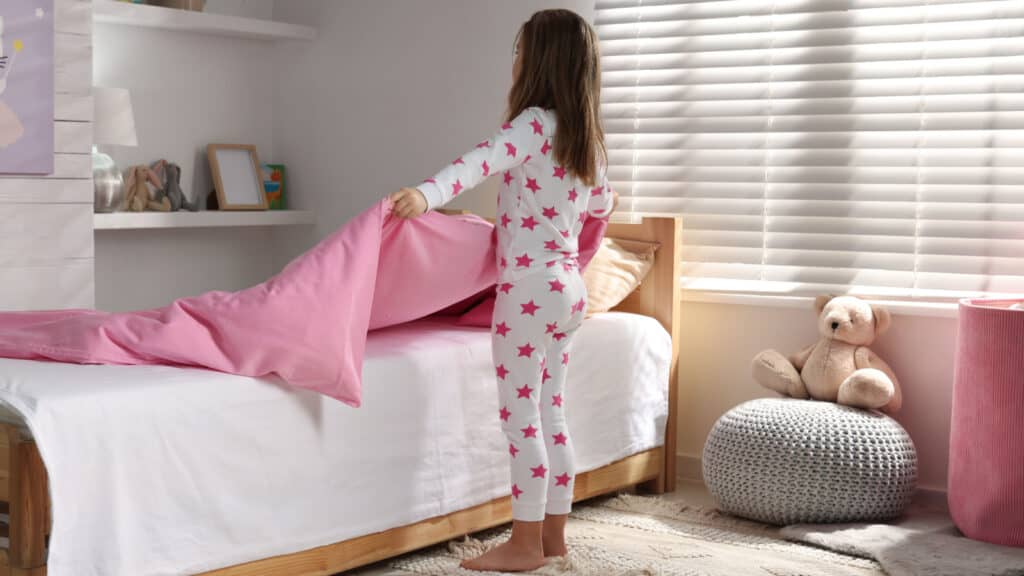
Studies from the National Sleep Foundation suggest that children who follow more natural sleep patterns often experience fewer bedtime struggles and higher sleep quality. Instead of focusing on the clock, moms are prioritizing consistent routines, calm environments, and ensuring kids get the rest they need, even if it’s not at the same time every night.
Limit Screen Time at All Costs
The old rule was simple: keep children away from screens as much as possible. But women today are challenging that idea, treating technology as a tool rather than an enemy. From educational apps to family movie nights, screens are being reframed as a way to bond and learn.
Many parents now use screen time for shared activities, and some believe tech helps their kids learn new skills. Instead of bans, moms are setting boundaries, guiding content choices, and using digital experiences as opportunities for connection.
Don’t Talk About Big Issues with Kids
Traditionally, many topics were considered “too grown-up” for children. But modern moms are breaking this rule by having open, age-appropriate conversations about everything from mental health to world events.
Psychologists say this approach helps kids feel informed, respected, and emotionally resilient. According to Flourish, children who have honest discussions with parents about difficult topics are less anxious and better able to process complex emotions. Far from harming them, openness builds trust and prepares them for real life.
Children Must Eat Everything on Their Plate
The old “clean your plate” rule is being left behind by moms who want their kids to develop a healthier relationship with food. Instead of pressuring children, many mothers now encourage them to listen to their hunger cues and stop eating when they’re full. By offering balanced choices and respecting appetite, moms are helping kids build lifelong positive eating behaviors.
Homework Has to Come Before Play
For years, homework was expected to take priority over everything else. But many moms are flipping that rule, letting kids play or relax first before tackling assignments. The idea is that free time recharges the brain, making homework less stressful and more productive.
Edutopia notes that children who receive breaks and playtime before homework exhibit better concentration and less resistance to academic tasks. Moms are learning that downtime isn’t a distraction; it’s fuel for focus.
Kids Should Always Be Polite and Quiet
The traditional parenting rule emphasized obedience and quiet manners above all. Today, many moms are encouraging children to express themselves openly instead of suppressing their voices.
This approach is backed by child development experts who say self-expression fosters confidence and critical thinking. Children who are allowed to express their opinions and emotions grow into stronger communicators and problem solvers. Being polite still matters, but it no longer means silencing a child’s individuality.
No Sleepovers Until They’re Older
Sleepovers were often seen as risky or inappropriate for younger kids, but more moms are softening this rule and allowing earlier sleepovers with trusted families. They view these experiences as opportunities for children to build independence and social skills.
Positive peer experiences outside the home contribute significantly to children’s emotional development. Moms who allow these experiences earlier often see their kids gain confidence and build friendships more easily.
Keep Kids Out of the Kitchen
For years, kitchens were seen as unsafe places for children. But many women are inviting kids in to cook, measure, and experiment. Cooking together teaches responsibility, math, science, and creativity—all wrapped into one activity.
According to Nestle, children who help prepare meals eat more vegetables and are more willing to try new foods. By breaking this old rule, moms are creating stronger eaters, healthier habits, and family bonding moments.

Don’t Let Kids Question Authority
The traditional rule discouraged children from questioning adults. But moms today are encouraging respectful questioning, teaching kids to think critically rather than blindly obey.
Experts note that this change is helping raise independent thinkers. Children who practice questioning in safe environments develop stronger reasoning skills and higher self-confidence. Moms are finding that allowing kids to challenge authority respectfully prepares them for leadership in the future.
Mothers Must Do It All Alone
Perhaps the biggest rule being broken is the idea that mothers have to shoulder every responsibility themselves. More women are seeking help from partners, family members, or community networks, and experiencing positive outcomes for both themselves and their children.
Shared parenting responsibilities lead to less stress, better marital satisfaction, and children who feel more connected to both parents. Moms breaking this rule are proving that parenting doesn’t have to be a solo job to be successful.
The 15 Things Women Only Do With the Men They Love

The 15 Things Women Only Do With the Men They Love
Love is a complex, beautiful emotion that inspires profound behaviors. We express our love in various ways, some universal, while others are unique to each individual. Among these expressions, there are specific actions women often reserve for the men they deeply love.
This piece explores 15 unique gestures women make when they’re in love. From tiny, almost invisible action