12 reasons NYC landlords say new political pushes are hurting their businesses
Being a landlord in New York City used to be a reliable long-term investment, but today it feels like running a marathon in heavy combat boots.
Between fresh city climate mandates and state-level legal overhauls, property owners across the five boroughs say they are reaching a breaking point. Recent political pushes are squeezing housing providers from every direction, capping their rental income while operational costs skyrocket out of control.
It isn’t just massive corporate developers feeling the heat either; mom-and-pop owners who run one or two legacy buildings are taking a massive beating. If you think keeping the lights on in Gotham is easy, these twelve real-world pressure points tell a very different story.
The $100,000 renovation trap from HSTPA
When the Housing Stability and Tenant Protection Act (HSTPA) passed in 2019, it completely changed how apartment updates work. Under the law, landlords can no longer raise rents significantly to cover major repairs when a long-term tenant moves out.
If an old apartment needs $100,000 in structural fixes, state law caps recoverable renovation costs at just $15,000 over 30 years. The math simply doesn’t work for small owners. Data from the Independent Budget Office found 13,362 rent-stabilized units sitting vacant for two straight years, mostly because owners can’t afford the repairs.
Current laws force thousands of apartments to stay empty. Instead of protecting housing availability, the reform accidentally locked thousands of homes out of commission.
Skyrocketing property insurance premiums

If you want to see a statistic that will make your jaw drop, look at building insurance. Insurance costs for rent-stabilized buildings exploded by 150% per unit between 2019 and 2025.
Smaller properties got hit even harder by insurer pullouts. The Community Preservation Corporation reported a 75% total hike in property insurance costs across its portfolio since 2020. Rising litigation risks and fraud claims are driving major carriers to leave the city market entirely. Landlords are left scrambling for pricey emergency policies just to keep their doors open.
Plunging net operating income
It is basic math: when expenses soar and legal income stays flat, your business bleeds cash. That widening gap is destroying bottom lines across all five boroughs. A study revealed a 10% drop in Net Operating Income (NOI) for pre-1974 buildings in a single year.
When operating income drops this fast, property owners lose the cushion needed to pay mortgage debt and basic bills.
Massive carbon penalties under Local Law 97

New York City’s landmark climate law is hitting building owners with heavy financial penalties. Local Law 97 sets strict greenhouse gas emission caps for nearly 50,000 buildings over 25,000 square feet.
Miss your limit, and the city hits you with an annual fine of $268 for every extra metric ton of CO2. A mid-sized residential building that is 150 tons over its cap faces $40,200 in yearly fines before spending a dime on retrofits.
Unexpected cooling costs under Local Law 23
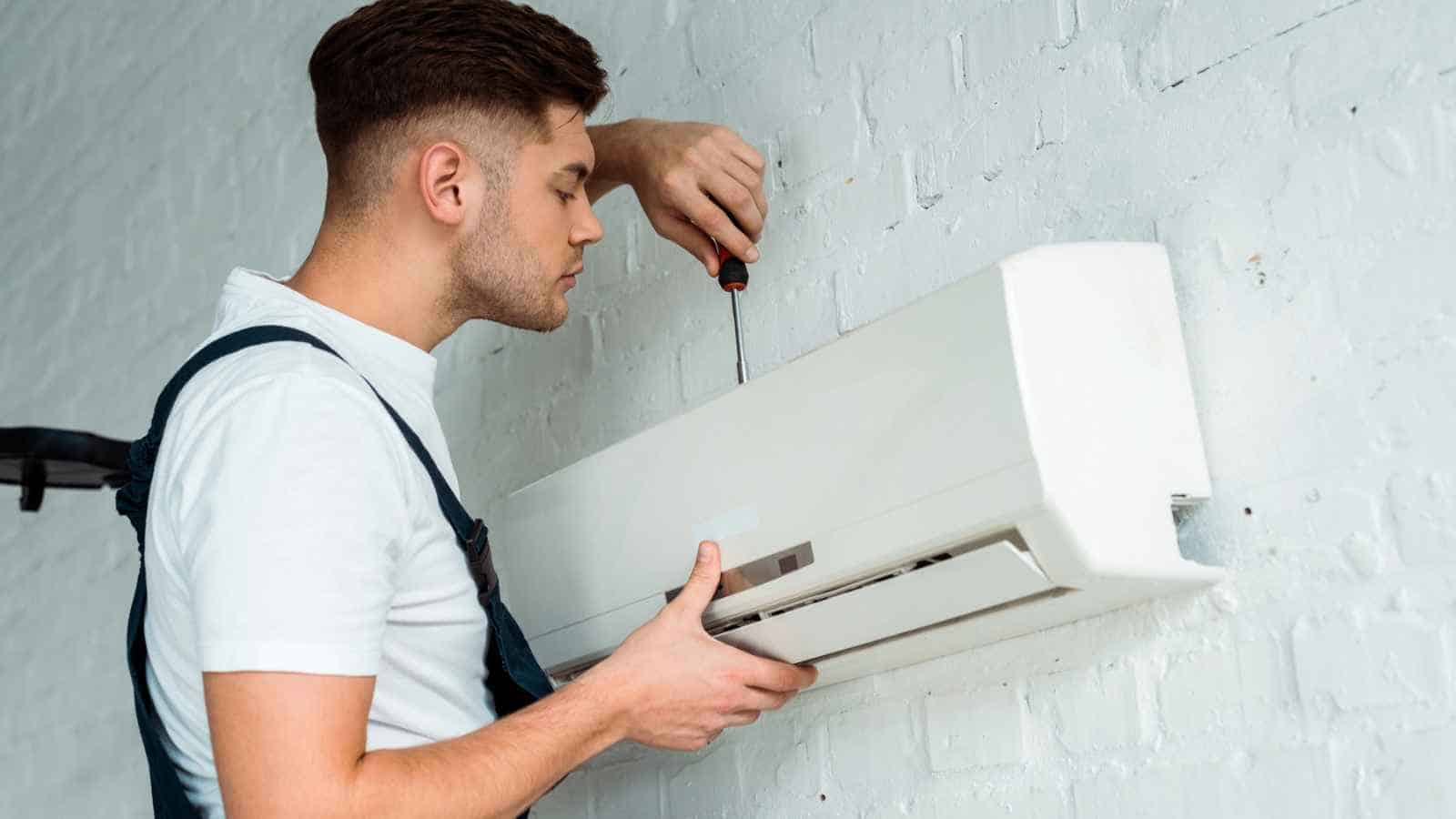
Just when landlords thought they had handled climate mandates, a new cooling law entered the picture. Local Law 23 requires property owners to provide working cooling systems in tenant-requested units by 2030.
Installing heat pumps or window ACs sounds simple until you check an old pre-war building’s electrical wiring. Upgrading electrical panels from old 60-amp service to modern capacity can cost thousands per unit. To make matters trickier, cooling-only window units get zero rebate dollars from state Clean Heat programs.
Over $1.1 billion in unpaid tenant rent arrears

Collecting rent has turned into an uphill battle for many NYC housing providers. A survey by CHIP revealed that nearly 20% of rent-stabilized tenants are more than two months behind on rent.
The average indebted tenant owes around $6,100, which equals roughly four and a half months of unpaid housing costs. Citywide, total rent arrears in stabilized units have ballooned to an estimated $1.1 billion. Advocacy groups like the Community Service Society found that over one in four stabilized renters is owing back rent.
Stringent caps under the Good Cause Eviction law

Passed in April 2024, the state’s Good Cause Eviction Law added a whole new layer of red tape. The law limits how much landlords can raise rent on market-rate units and blocks them from refusing lease renewals without strict legal justification.
While the law allows extra leeway for tax hikes and major structural repairs, proving those costs often means hiring expensive lawyers. Legal experts warn that these extra hurdles disincentivize small landlords from staying in the residential market.
Banking distress and credit squeezes

The financial institutions that lend to NYC landlords are running into serious trouble. New York Community Bancorp (NYCB), the city’s largest lender for rent-stabilized buildings, holds $18 billion in loans tied to these properties.
That represents over 20% of NYCB’s total loan book, and loan delinquencies are climbing fast. Across the market, multifamily mortgage delinquencies have nearly doubled over the past year to hit decade highs. Because building values have slumped, banks are refusing to refinance existing mortgages when they mature.
The wipeout of mom-and-pop owners

Small-scale landlords who built family businesses over decades are being pushed to the brink.
In NYC, many of these small owners are throwing in the towel. Industry brokers recount long-time family owners selling off 10-building portfolios just to cover bank debt, walking away with zero equity. As small landlords exit, deep-pocketed corporate buyers and private equity firms buy up the distressed properties.
Rent Guidelines Board approvals falling behind inflation

Every year, the Rent Guidelines Board (RGB) decides how much rent can rise on stabilized units. But landlords say those board-approved adjustments don’t come close to matching real-world inflation.
Data from the Community Preservation Corporation shows per-unit expenses climbed 22% between 2020 and 2024. When approved rent increases stay far below inflation, property owners face permanent operational deficits.
Deferred maintenance that hurts building quality

When cash gets tight, essential maintenance is usually the first thing to get cut. Landlords aren’t skipping repairs because they want to; they simply don’t have the cash. In the long run, holding back repair funds hurts tenants through deteriorating living conditions.
Expiration of key building incentives like 421-a
The tax incentives that used to encourage housing construction have largely vanished. The popular 421-a tax abatement expired, cutting off the primary tax break developers used to build mixed-income housing.
Historically, 421-a accounted for 87% of all new rent-stabilized units added to the city’s housing stock. Without it, new housing construction permits dropped 4.8% in 2024. With the citywide vacancy rate crushed down to a razor-thin 1.41%, killing tax credits has only made the housing shortage worse.
Key takeaway

New York City landlords are caught in an intense financial squeeze caused by capped revenues, soaring insurance rates, strict climate penalties, and surging inflation. Without policy adjustments that balance tenant protections with property owner viability, building conditions will decline, and small housing providers will continue to disappear from the market.
Disclaimer – This list is solely the author’s opinion based on research and publicly available information. It is not intended to be professional advice.
You May Also Like: 10 Essential Things No One Tells You About Buying a Home
Like our content? Be sure to follow us.