The World Cup Final Is Sunday. 11 Host Cities Are Still Adding Up the Bill
Sunday afternoon, a good chunk of the planet will watch a soccer match at MetLife Stadium in New Jersey. Great television. And somewhere in eleven American finance departments, somebody is going to spend Monday morning doing a very different kind of math.
Here’s the setup, and it’s simpler than you’d expect. FIFA collects the revenue. Cities cover the costs. That’s not a cynical read; that’s the contract.
The Houston Chronicle pried loose six host city agreements and found cities on the hook for security, stadium retrofits and fan festivals, with no cut of tickets, concessions, merchandise or parking. Alan Rothenberg, who ran U.S. Soccer when America hosted in 1994 and now sits on the LA host committee, said everybody signed an agreement that was “very, very one-sided.”
One caveat. There is no final ledger, and there may never be a complete one. Most host city contracts remain sealed, and the nonprofit committees running things locally fall outside open records laws. What follows comes from public records, published reporting, and official projections, attributed throughout. Figures resting on a single unverified claim are identified as such.
New York/New Jersey
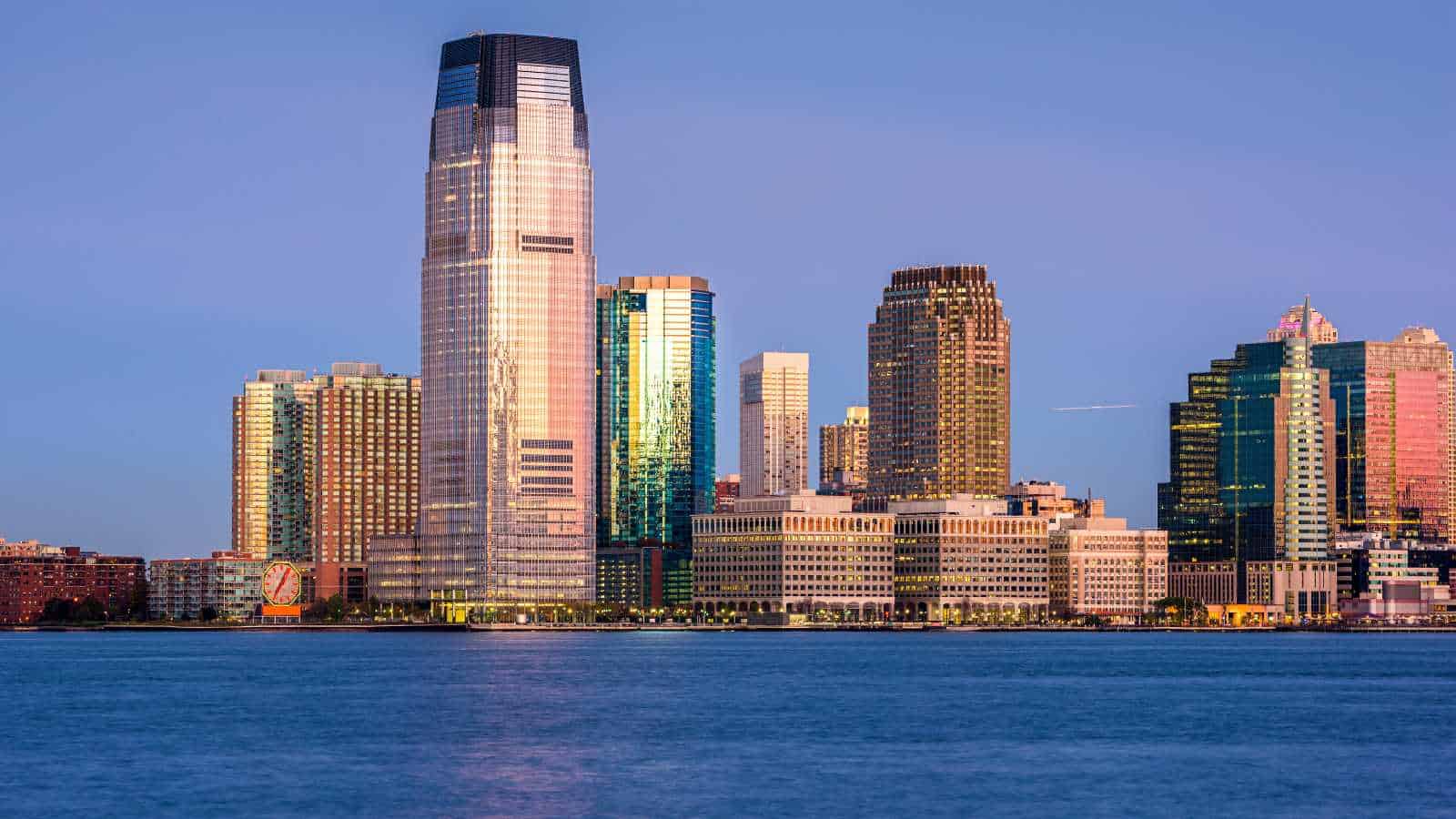
Hosts Sunday’s final. FIFA projected $3.3 billion in economic impact and more than 1.2 million visitors to the region. NY/NJ was one of the few that handed over its contract. It’s also the priciest US city to attend a group-stage match, at roughly $2,997 per person, according to LendingTree.
The region quietly scaled back its fan festival, which North Carolina State’s Michael Edwards notes can burn through hundreds of thousands of dollars a day while returning almost nothing directly to city coffers.
Kansas City
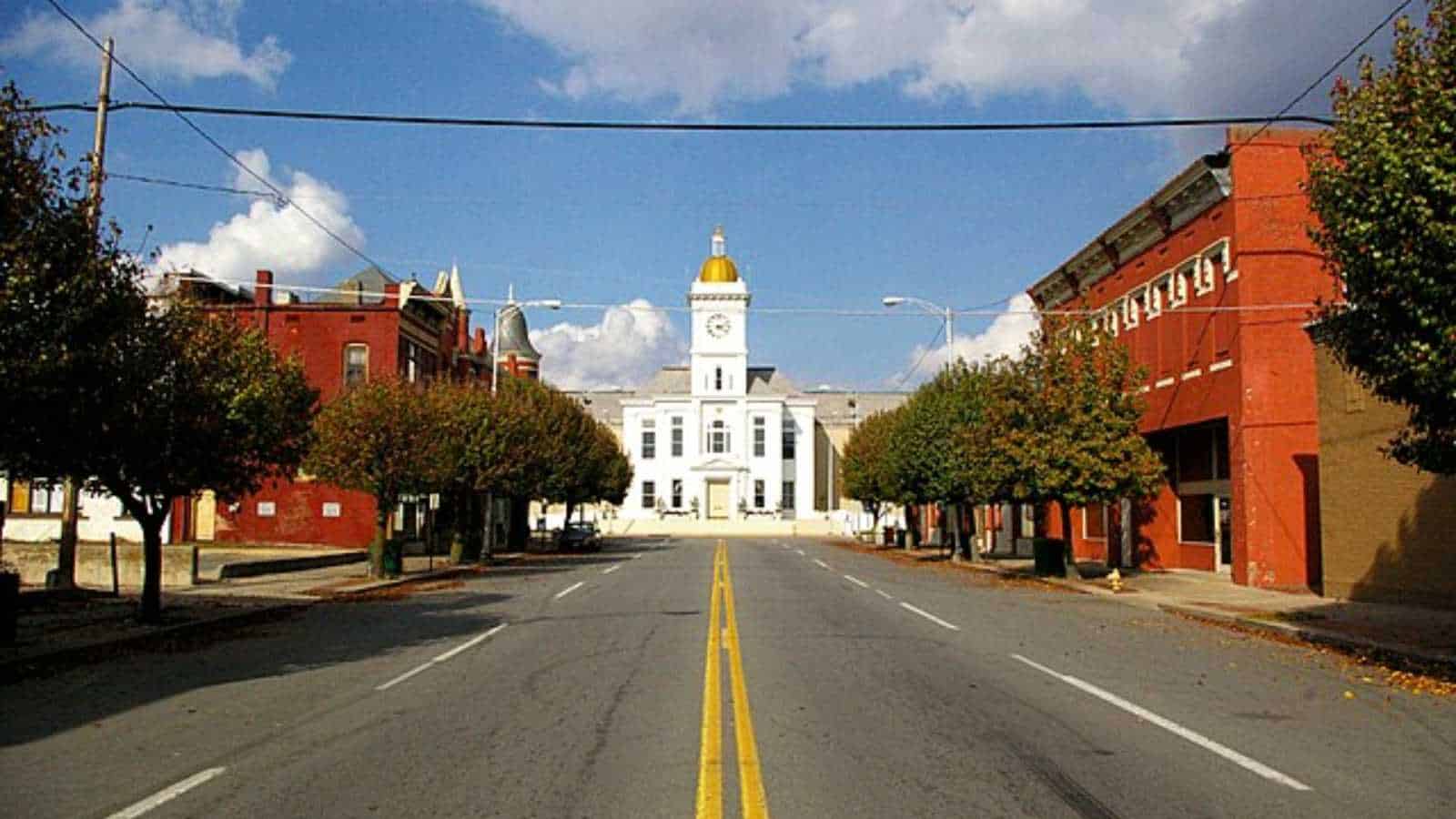
KC had the best hotel week of any host market, revenue per available room up nearly 50%, per Travel Weekly.
It’s also one of the four cheapest cities to attend. But in March, Rep. Mark Alford wrote to DHS Secretary Kristi Noem because host cities, including Kansas City, still hadn’t been told what they’d get from the $625 million in federal security grants Congress had approved.
That was under 100 days from kickoff. KC’s deputy police chief said plainly his department didn’t have the staff. A $59 million security shortfall has circulated in secondary coverage; that figure has not been confirmed by city officials and could not be independently verified.
Boston
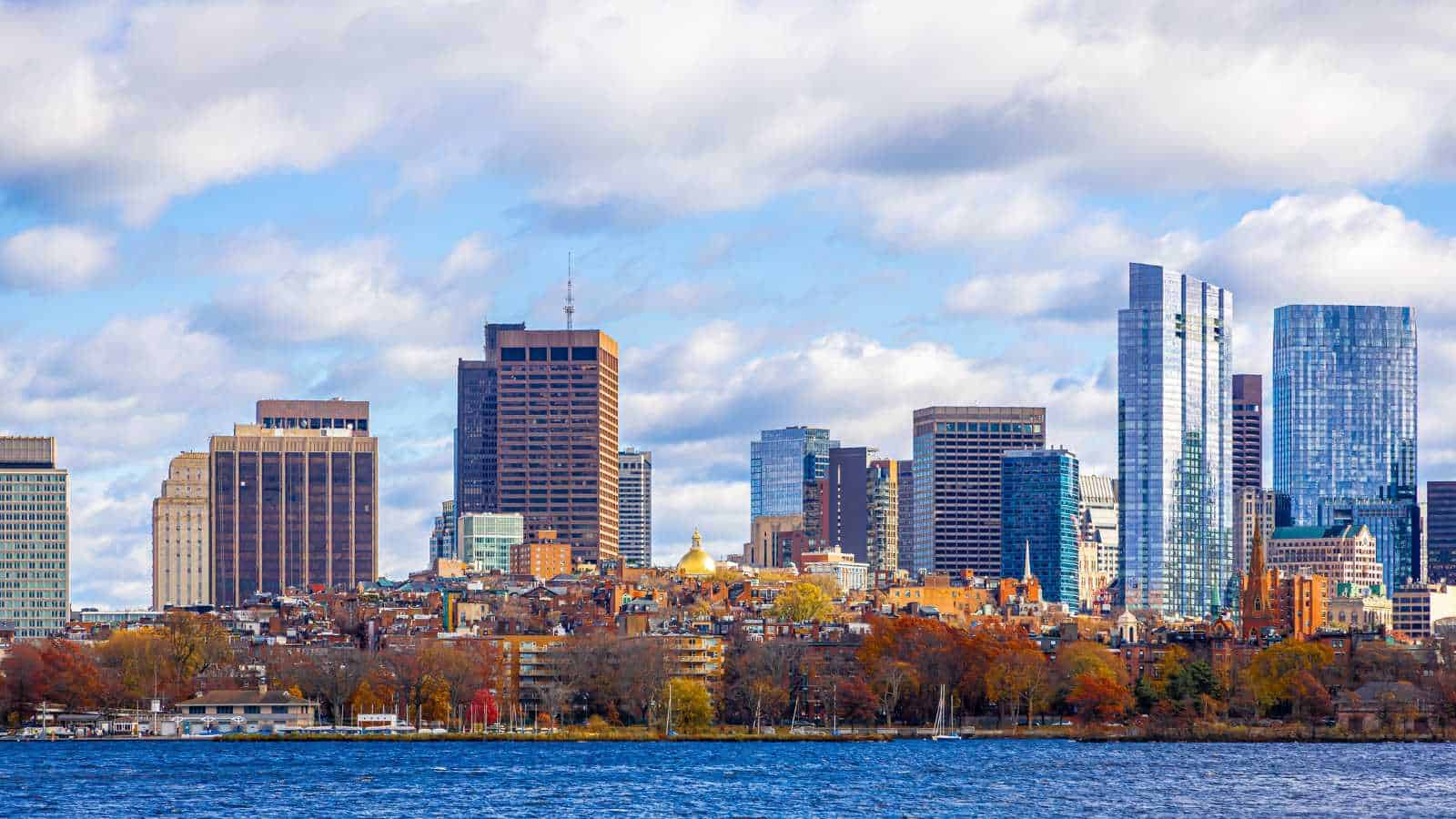
Gillette Stadium sits in Foxborough, a town with a population of about 19,000. In February, town officials threatened to withhold match permits unless FIFA or the Patriots’ owner put up $7.8 million for security in advance, according to CBS Sports.
They got it. Permits approved. If you want the leverage problem in miniature, that’s it right there. Boston is also the second-priciest host city to attend, around $2,779 a head.
Houston
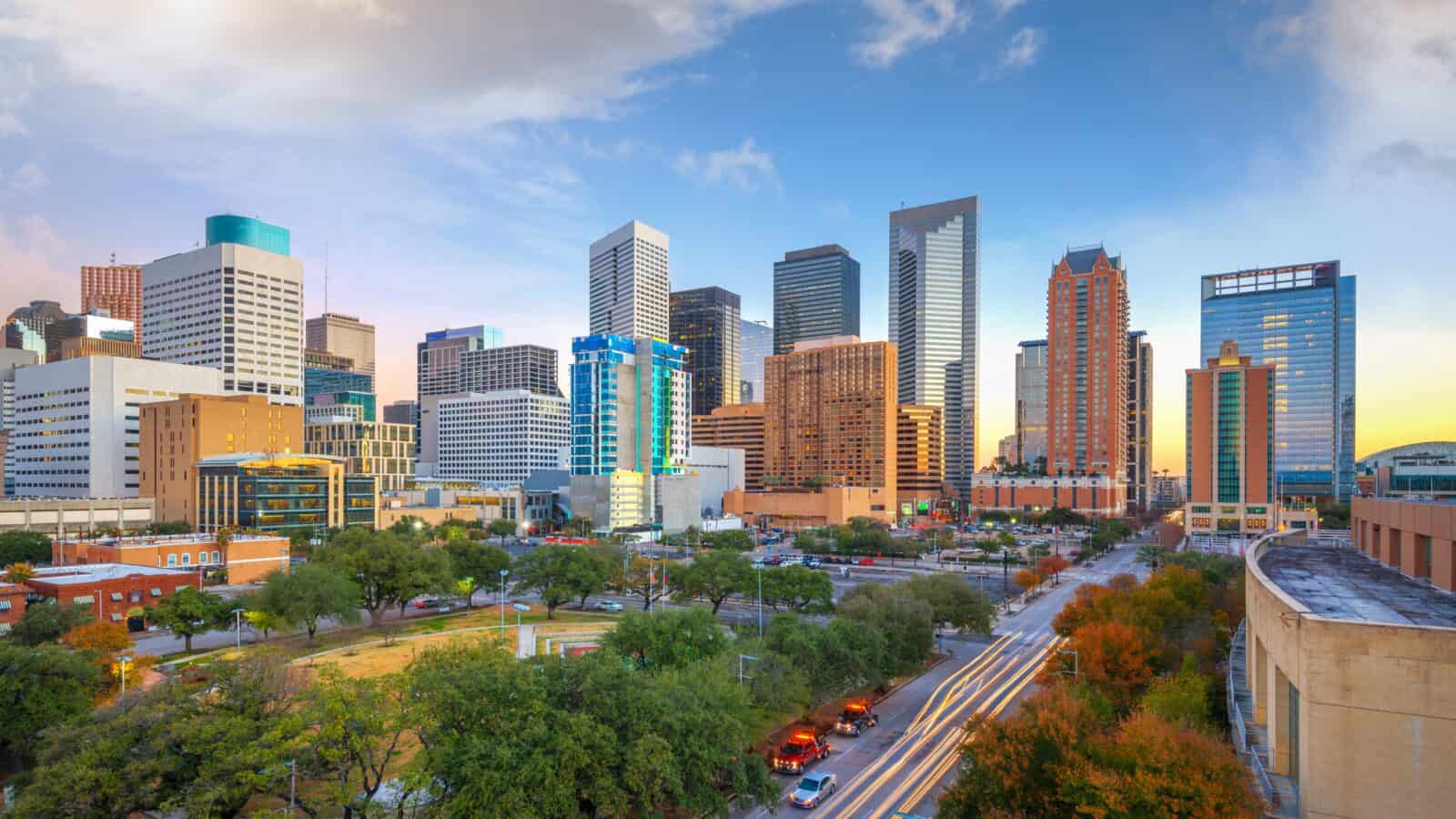
Houston pulled in $65 million in federal security money and expects tens of millions more from Texas’ Major Events Reimbursement Program. That fund is why Houston and Dallas are better positioned than cities without a state backstop, and why Texas taxpayers eat a share.
Texas put $22 million into the 2017 Super Bowl, and the state’s own analysis afterward concluded it was impossible to determine if taxpayers broke even. One breakdown in that analysis had the state $14 million short.
Dallas
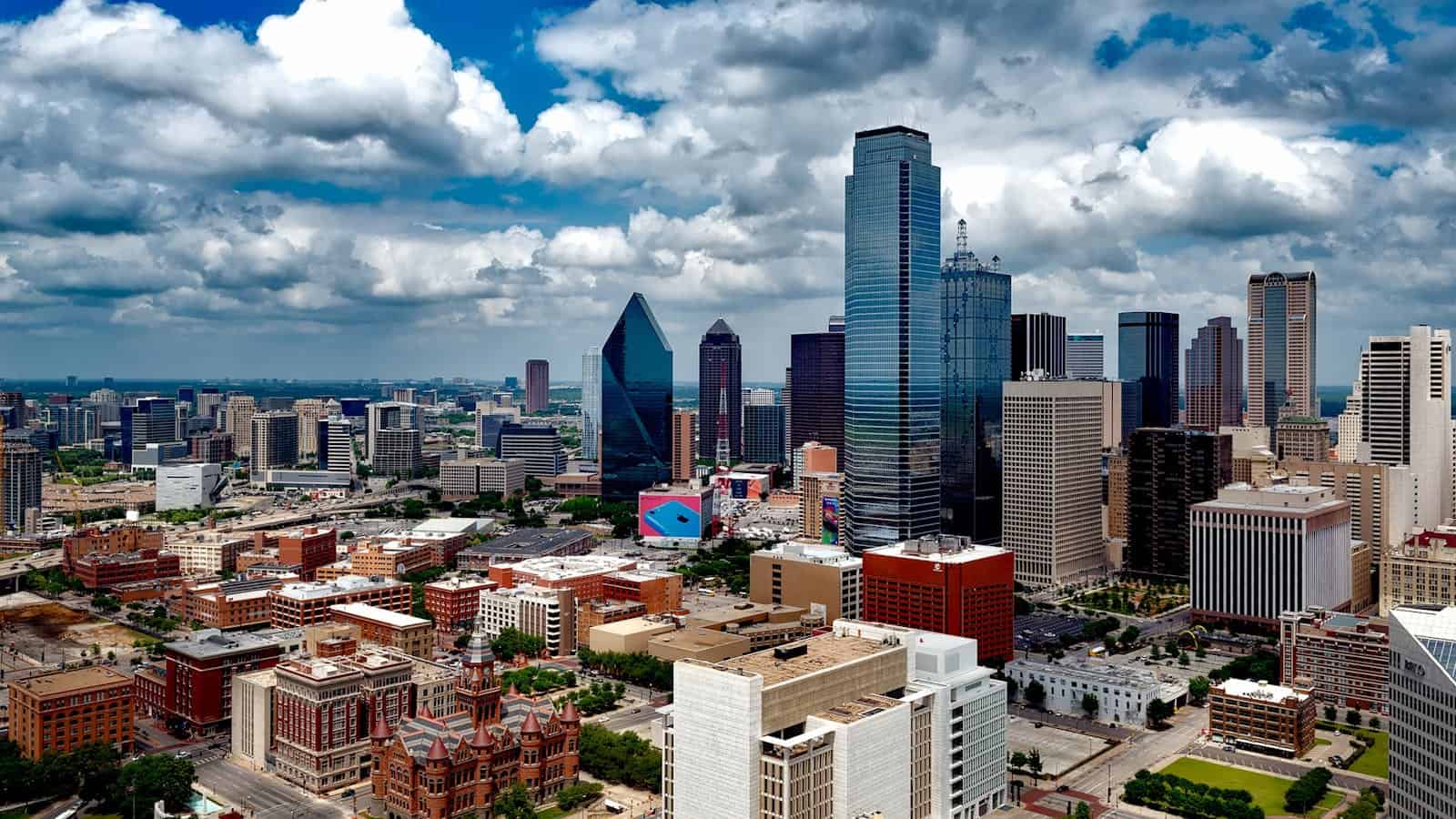
AT&T Stadium in Arlington drew nine matches, more than any venue in the tournament. Dallas also punted its contract request to the Texas attorney general, who ruled the thing had to come out.
The city was permitted to redact the interesting parts, including what FIFA pays to rent the stadium.
Seattle
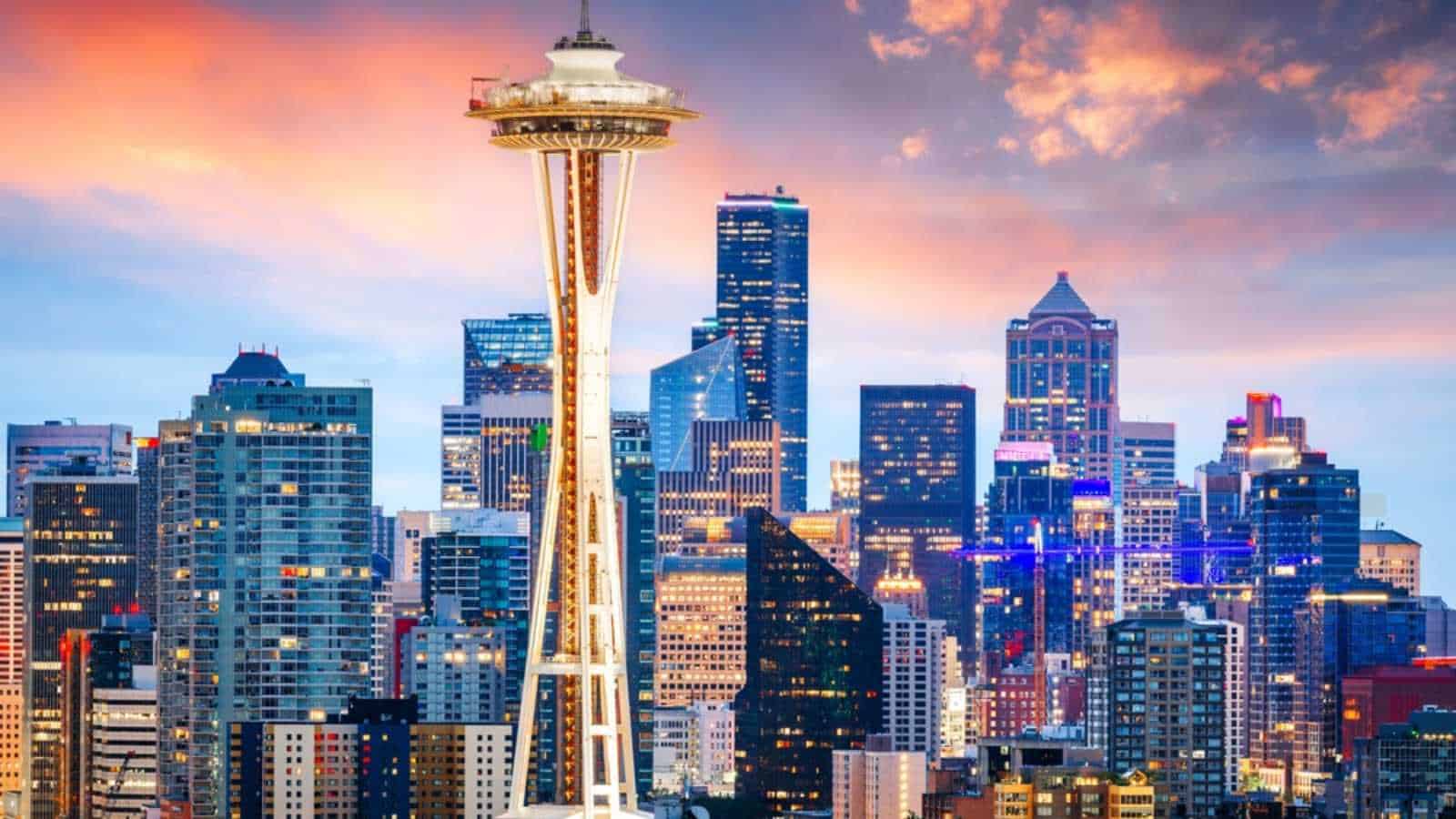
Washington’s Legislature approved $19.4 million for upgrades to Lumen Field, part of a $29.5 million state package that Gov. Bob Ferguson signed to ready the city. That bought a FIFA-mandated grass pitch, back seats, turnstiles, bollards, and cameras.
FIFA branding rules also required the venue to use “Seattle Stadium” throughout, with every Lumen sign covered or removed. Visit Seattle projected a minimum of $929 million to King County across six matches, a forecast from the region’s own tourism arm rather than an independent analyst.
Miami
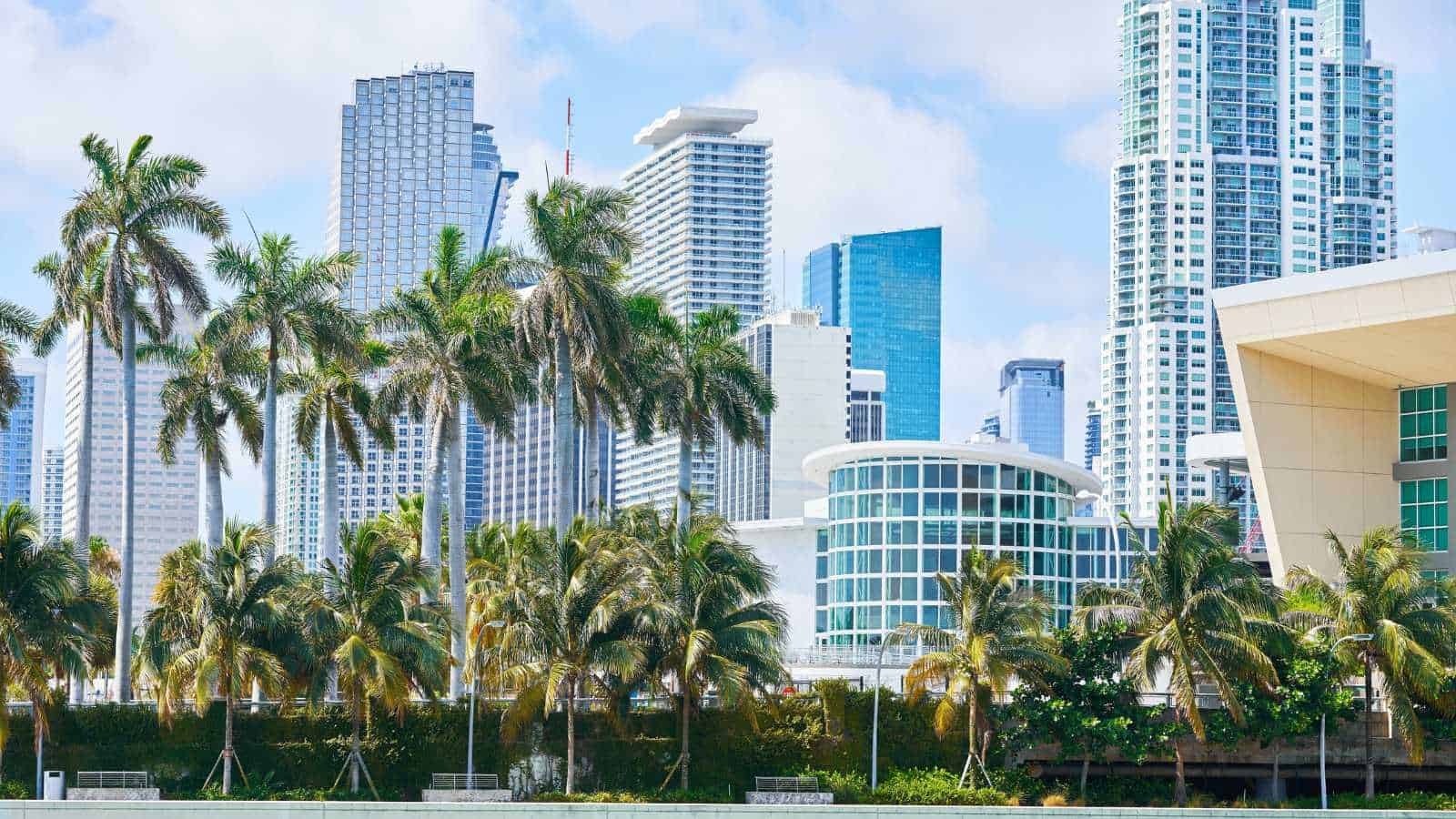
When Miami landed a slot, boosters called it the equivalent of “seven Super Bowls” in a month. Miami-Dade committed roughly $46 million in cash and donated police time, plus $3 million toward a legacy project in Miami Gardens.
“We’re the best city on the planet, and we’re going to have an opportunity to showcase that,” Mayor Francis Suarez told Fox News Digital.
Early estimates ran as high as $100 million. The county projected 1,000,000 visitors and $500 million in local activity. Hard Rock Stadium has a shade canopy but no air conditioning. In Miami. In July.
Philadelphia
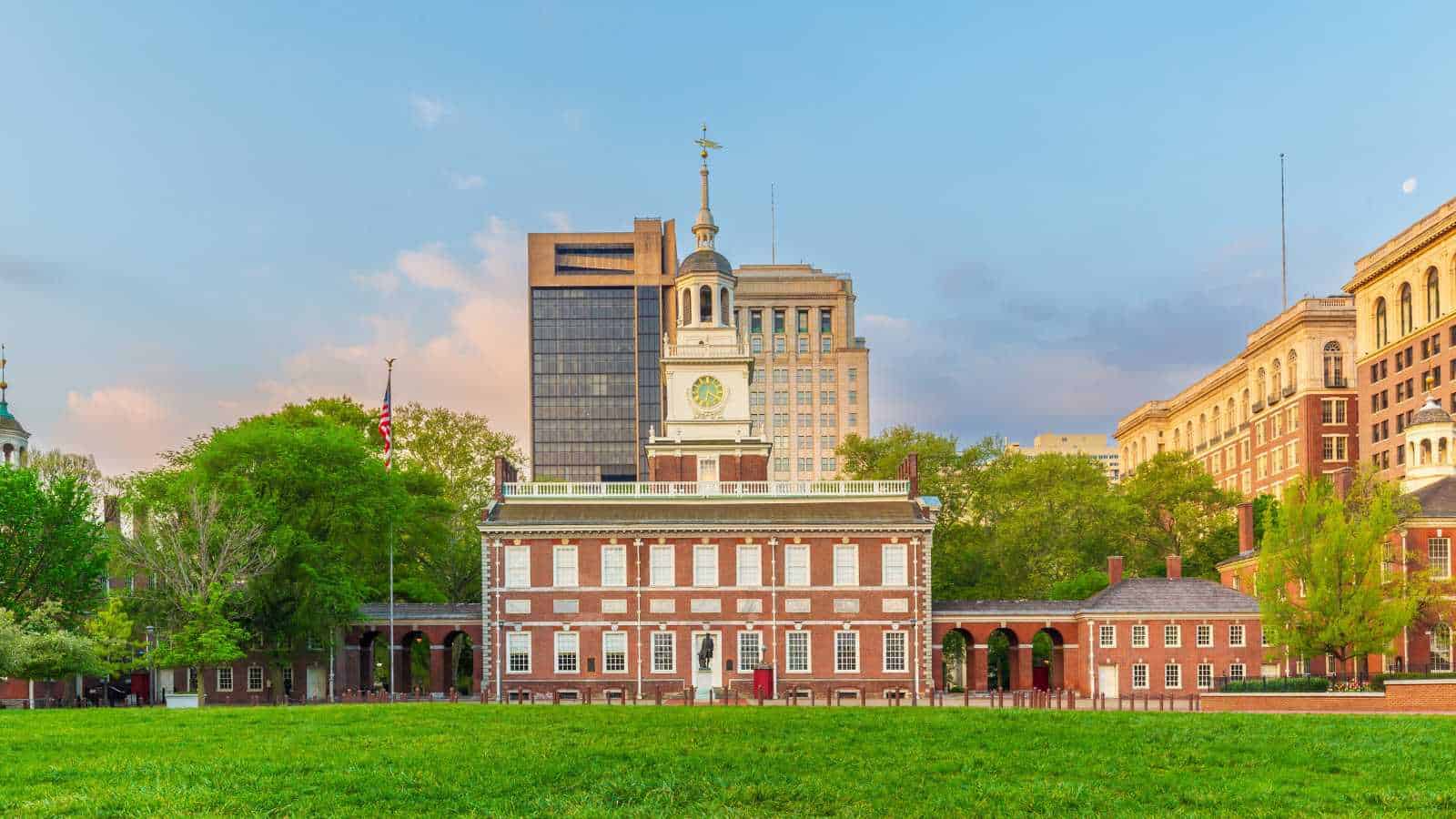
Philly caught a break. Its match landed on the Fourth of July weekend, which this year doubled as the America 250 semiquincentennial, as CBS News notes. Weekend RevPAR jumped by more than 74%, the strongest hotel result among host markets outside Kansas City.
Which raises an awkward question the data can’t yet answer: was that the World Cup, or was that the birthday party?
Atlanta
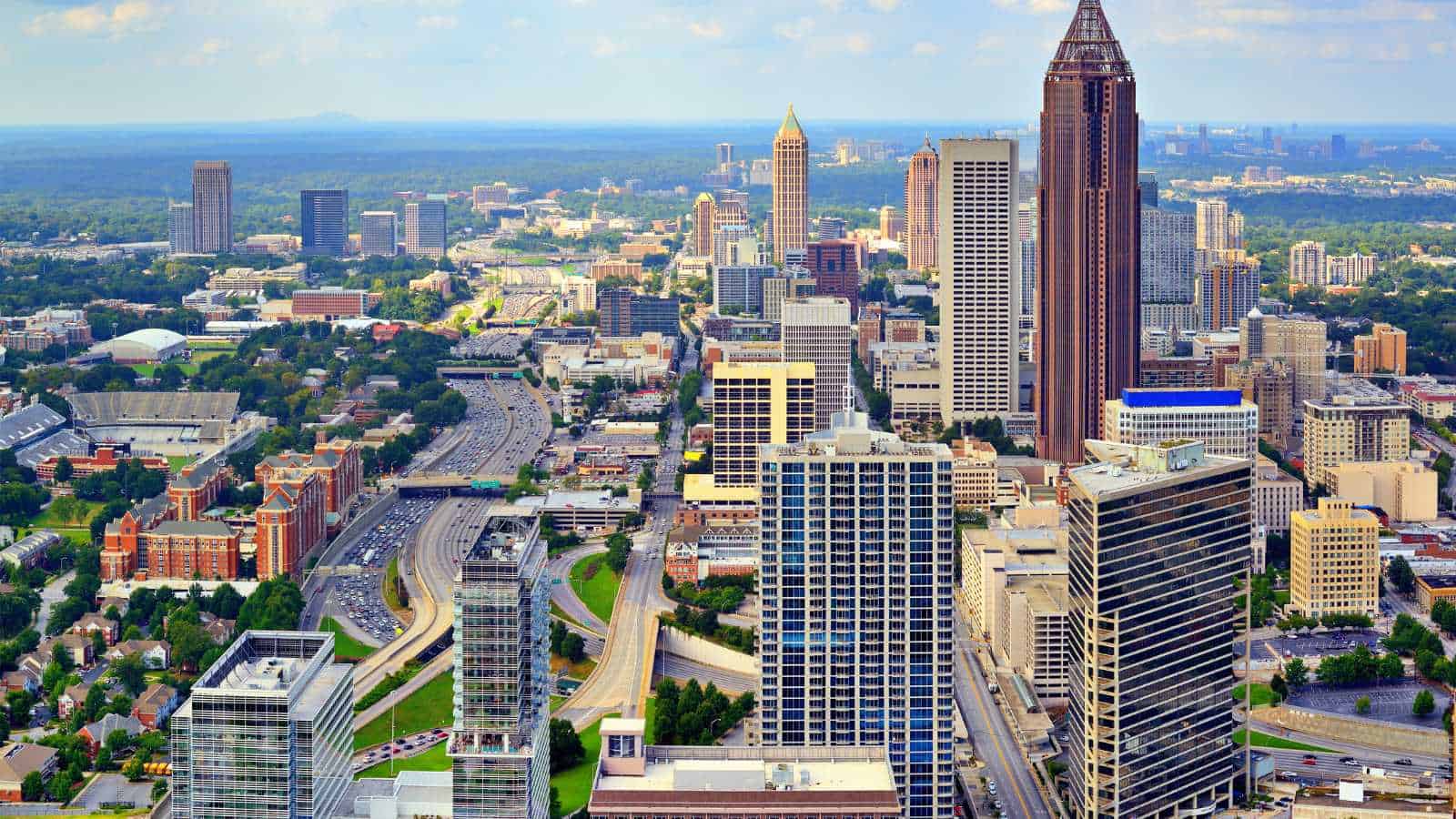
Georgia was one of three states, alongside Florida and Missouri, that waived at least $57.8 million in combined state and local tax revenue to host matches, according to reporting by The Athletic. On the upside, Mercedes-Benz Stadium remains the cheapest concession stand in the tournament.
Two-dollar hot dog. Five-dollar beer. In 2026. Genuinely remarkable.
Los Angeles
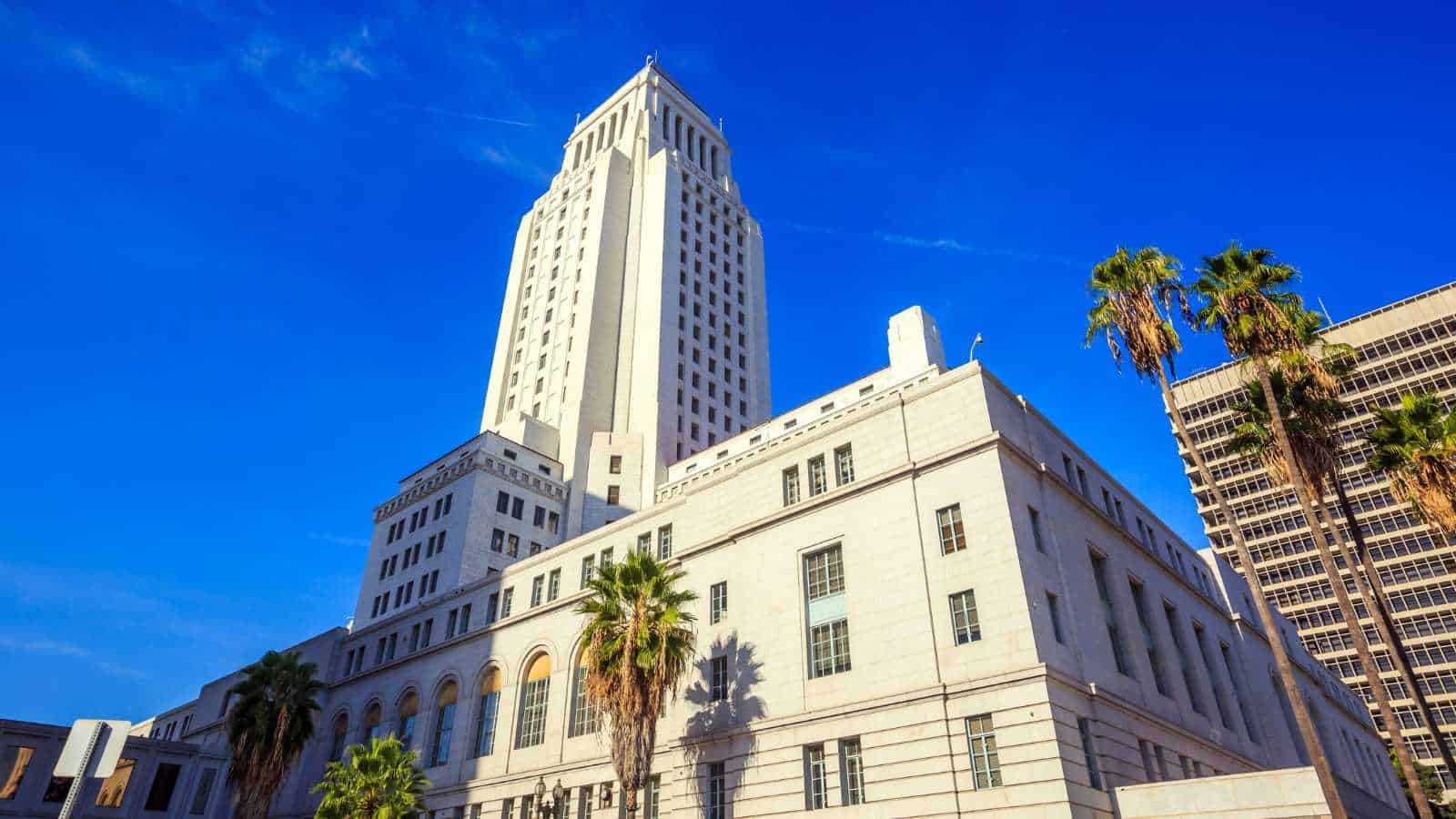
Eight matches at SoFi, and the steepest parking in the tournament. But LA’s real asset is Rothenberg, who can compare both deals from memory. In 1994, host cities took a slice of game-day revenue, and U.S. Soccer covered security costs.
Cities came out ahead. His read now is that people are looking at Chicago, which walked away during bidding, and concluding that Chicago was the smart one.
San Francisco Bay Area
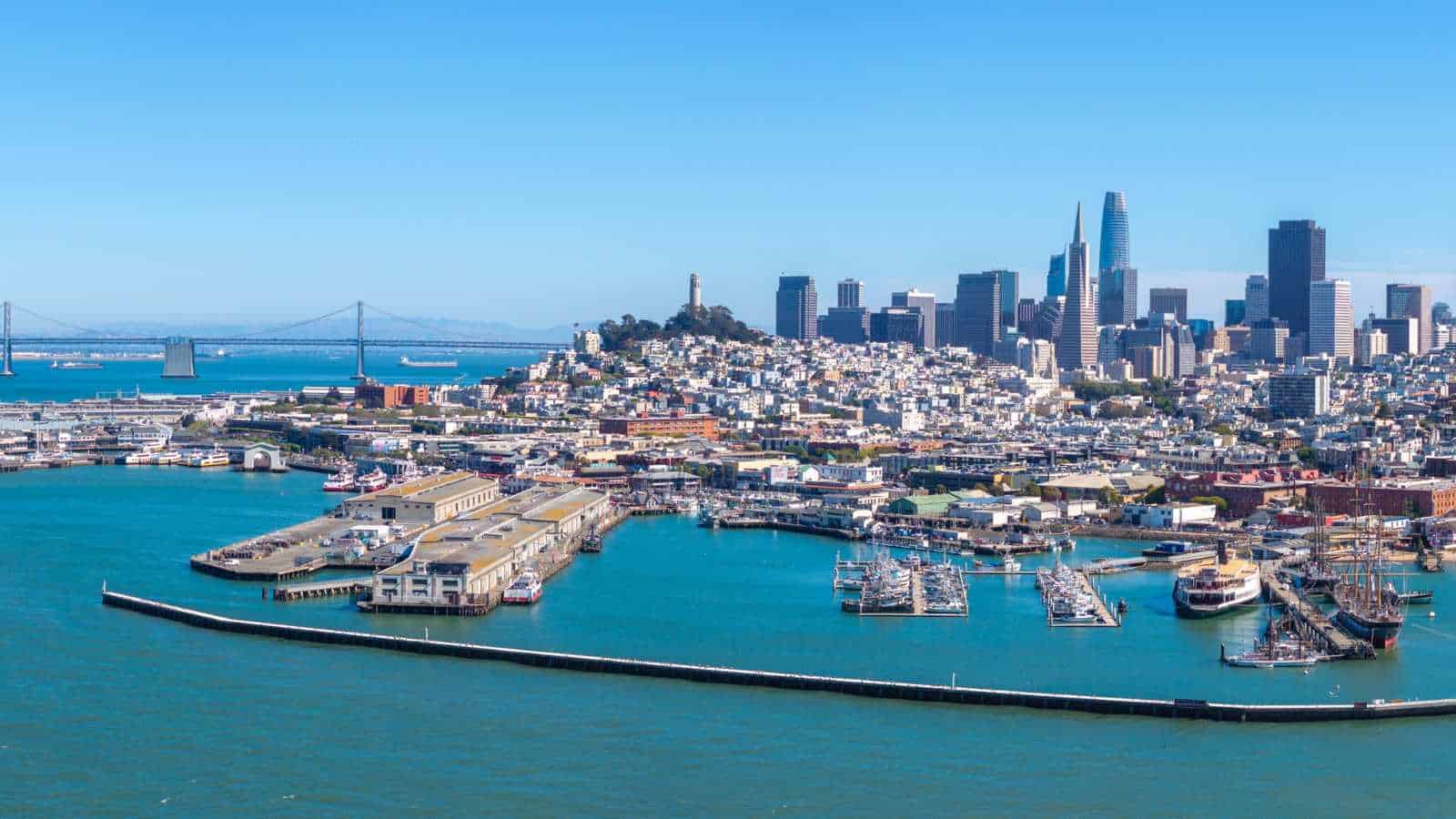
Levi’s Stadium in Santa Clara. Reasonable by attendance estimate, expensive once you’re actually on the ground.
The Bay Area host committee has not publicly disclosed its spending, and no contract has been released. That absence is arguably the story.
So what did it cost?
The honest answer is that nobody outside the room fully knows, and that isn’t an accident.
North Carolina State pegged each of the 16 North American host cities at $100 million to $200 million in infrastructure, transportation, and security. American taxpayers chipped in $625 million in federal funds for security, plus another $250 million added in December for drone defense.
The other side of the ledger gets slippery fast. FIFA and the WTO released a study estimating $47 billion in US economic output. A separate FIFA analysis put the figure at $30.5 billion. Bloomberg Intelligence puts FIFA’s revenue at $9 billion; the New York Times reported $11 billion in profits back in 2018. Those figures have never been publicly reconciled. The FIFA/WTO study was prepared by an Italian consultancy, OpenEconomics, which didn’t answer ProPublica’s questions about its methodology.
What we do know is less flattering. International arrivals to the US in June were essentially flat, up 0.2% year over year, according to Commerce Department data. Arrivals from Europe fell 1.2%, from Asia 5.6%. FIFA had sold host cities on a 50/50 domestic-to-international split. Hotels raised their rates and didn’t fill more rooms.
Smith College economist Andrew Zimbalist’s assessment of the $30.5 billion projection: “FIFA plays a PR game with all of these numbers.”
Here’s the number worth sitting with, though. That Texas reimbursement program has funded 40 major events since 2015. After each one, state officials concluded that neither a positive nor a negative impact could be determined.
Forty for forty. Enjoy the game.
Disclaimer – This list is solely the author’s opinion based on research and publicly available information. It is not intended to be professional advice.
Like our content? Be sure to follow us.