11 birth years that produced a particularly resilient generation of women
Women born in the early and mid-20th century lived through some of the most transformative periods in modern history.
According to data from the U.S. Social Security Administration and the World Health Organization, women today continue to outlive men on average, a pattern researchers often attribute to a combination of biological, behavioral, and social factors. Many of the women who navigated the Great Depression, World War II, major civil rights movements, and dramatic workplace changes are frequently cited as examples of resilience shaped by historical experience.
1932

Women born in 1932 arrived during one of America’s hardest economic chapters, a dramatic entrance no baby asked for. The Great Depression crushed families, banks, farms, and paychecks, with U.S. unemployment reaching 25% in 1933 and real GDP falling 29% from 1929 to 1933.
Many girls born in this year grew up around adults who reused, repaired, saved, and stretched every dollar until it practically begged for mercy. That kind of childhood can shape a woman’s view of money, work, food, marriage, and lifelong security.
By the time these women reached their teens, World War II had pulled the country into another test. They watched older sisters, mothers, aunts, and neighbors step into paid work, defense jobs, nursing roles, and community support while America asked women to hold the home front together.
The National WWII Museum notes that Rosie the Riveter represented more than six million women who entered the workforce to support the war effort, and girls born in 1932 saw that image before “girl boss” became a coffee mug slogan. Tell me that does not build backbone.
1942

Women born in 1942 entered the world during wartime, so their earliest family stories often carried ration books, service letters, factory shifts, and anxious kitchen-table conversations. They did not remember every detail personally, but childhood absorbs atmosphere like a sponge.
Their mothers’ generation proved that women could repair planes, drive trucks, manage offices, and keep production moving, even when society later tried to politely shove many of them back into the house. The National Archives notes that women in World War II proved they could do the job, and that this proof helped make women more common in the workforce in later decades.
These women became young adults in the early 1960s, just as America began asking broader questions about civil rights, education, work, and family roles. Many still faced old-school expectations, but they also watched the ground shift beneath them.
They learned to smile through rules they did not write, then quietly rewrite them in their own homes, workplaces, classrooms, and communities. Ever met a woman from this cohort who can cook for twenty people, balance a budget, spot nonsense from across the room, and still remember your birthday? Exactly.
1946

Women born in 1946 kicked off the baby boom, which sounds cheerful until you remember that huge generations also create fierce competition. They moved through crowded schools, crowded job markets, and a culture that sold them one dream on television and another reality in the workplace.
As they grew up, women’s labor force participation rose dramatically, especially from the 1960s through the 1980s. That meant many 1946-born women stood right at the doorway between “women should stay home” and “women now help power the economy.”
Their resilience often came from contradiction. Society praised them for being pleasant, helpful, modest, and family-focused, then quietly depended on their paycheck, planning, emotional labor, and unpaid caregiving.
Many raised children, supported spouses, cared for aging parents, and still navigated workplaces that acted shocked when women wanted promotions instead of just cake duty. They did not always call it resilience, because that word sounded too fancy. They called it Tuesday.
1955
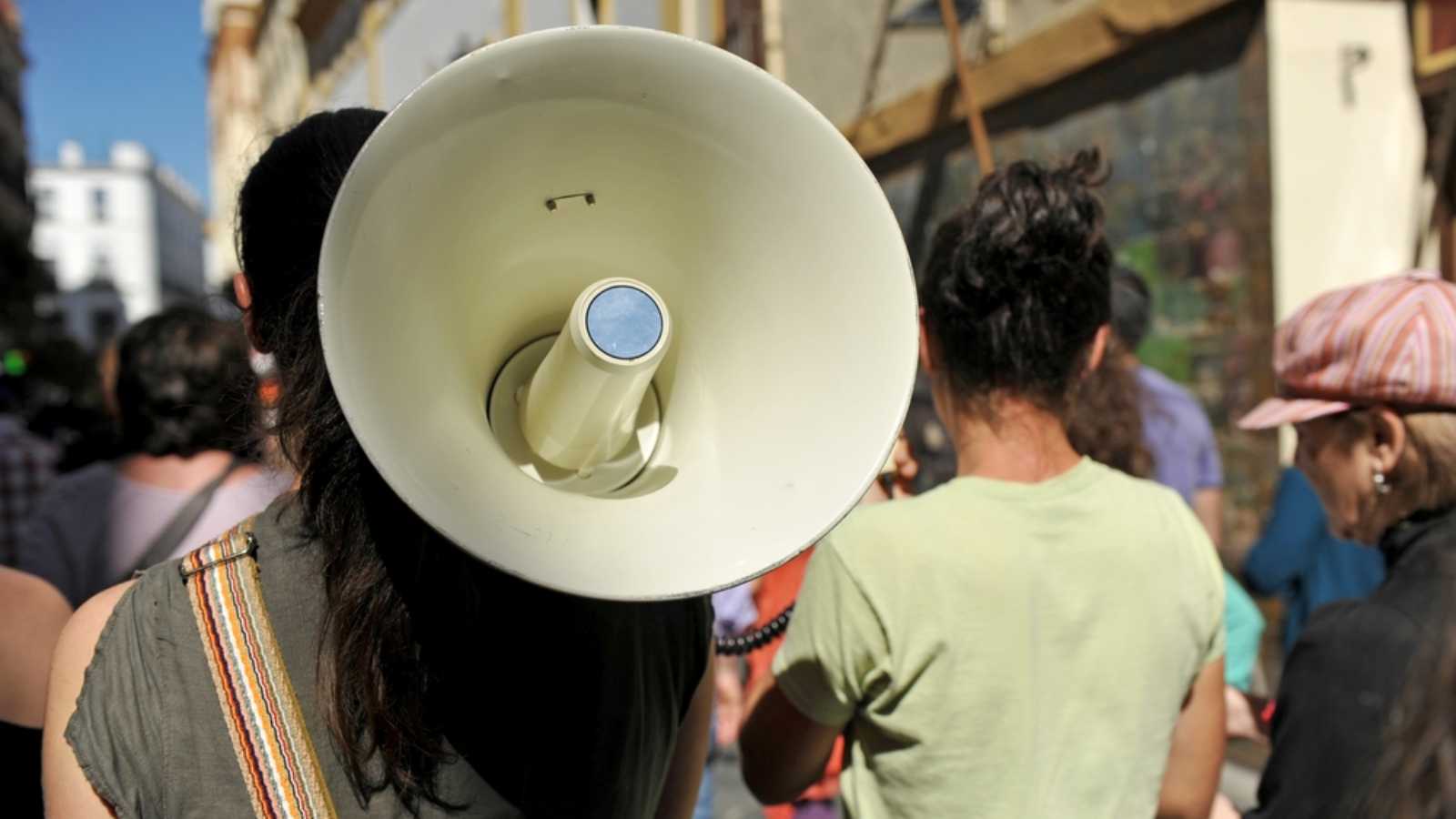
Women born in 1955 came of age as the women’s movement pushed harder into American homes, on campuses, in courtrooms, and in offices. They turned eighteen in 1973, a year that sits near the center of major cultural debates about women’s autonomy, work, education, and family identity.
Census data shows that in 1973, women working full-time earned about 57 cents for every dollar men earned, which makes every “just work harder” lecture from that era sound wildly incomplete. By 2024, that figure had improved to 81 cents for full-time, year-round workers, but the gap still had not vanished.
This group learned to build lives inside a tug-of-war. Employers wanted reliability, families wanted devotion, and society wanted women to somehow prove ambition without looking too ambitious. Fun little assignment, right?
Many women born in 1955 carried the emotional weight of changing rules without enjoying all the benefits of the change. They opened doors wider for younger women, even when those doors hit them in the shoulder first.
1964

Women born in 1964 sit at a fascinating edge between late baby boomers and early Gen X energy. They grew up with older expectations but reached adulthood as divorce rates rose, dual-income households became more common, corporate culture took hold, and women’s career ambitions reshaped American life.
BLS data show women’s labor force participation climbed sharply from the 1960s through the 1980s, peaking at 60% in 1999. That means this birth year entered adulthood during a period when women’s paid work moved from “extra income” to a normal part of family survival.
These women often learned independence early. Many belonged to the latchkey-adjacent era, when kids came home, made snacks, handled chores, and figured things out because adults worked long hours.
That independence helped many women become practical, sharp, and allergic to helplessness. Ask one of them to solve a problem, and she may not give you a motivational speech. She may just grab the duct tape, the checkbook, the phone, and the look that says, “Move.”
1973

Women born in 1973 grew up during a period when America kept changing the rules and pretending everyone had received the memo. They became adults in the early 1990s, after decades during which women moved deeper into paid work and higher education.
By 1999, women’s labor force participation reached 60%, its historic peak, which means many 1973-born women entered adulthood just before that high-water mark. They saw opportunity expand, but they also saw the old pay gap, the glass ceiling, and the unpaid second shift hanging around like guests who refused to leave.
This birth year produced women who often blended Gen X grit with a practical understanding of ambition. They built careers before smartphones made every boss feel entitled to reach you at dinner, which honestly sounds peaceful and terrifying at the same time.
Many balanced work, parenting, aging parents, and economic swings without the polished language younger generations now use for burnout. They knew stress before stress got branding.
1980

Women born in 1980 entered adulthood right as the country started stacking one crisis on top of another. They turned twenty-one in 2001, the year of the September 11 attacks and the start of a recessionary period that shook early careers.
Then many hit their late twenties during the Great Recession, which ran from December 2007 to June 2009, according to the National Bureau of Economic Research. Nothing says “welcome to adulthood” like student loans, job anxiety, housing chaos, and headlines that sound like someone dropped the economy down the stairs.
This group became fluent in reinvention. Many moved between jobs, retrained, delayed homeownership, postponed marriage, or built side hustles before side hustles became a lifestyle aesthetic.
They also helped normalize women’s digital careers, remote work, online entrepreneurship, and flexible income streams. Their resilience looks less like standing still through a storm and more like changing shoes mid-run because the road keeps turning into gravel.
1987

Women born in 1987 landed in one of the roughest timing traps for young adulthood. They turned twenty-one in 2008, right as the financial crisis hammered jobs, wages, housing, and confidence.
The Great Recession did not just dent bank accounts; it shaped expectations about security, careers, marriage, and savings. Many women in this cohort learned early that a degree, a clean resume, and a cheerful attitude could still be met by a hiring freeze at the door. Rude, but educational.
Yet this group also helped redefine persistence for the millennial era. Pew data show that young women’s earnings and labor force outcomes have improved over the past decade, with college-educated young women reaching a median earnings level of $65,000 in 2023.
Many 1987-born women spent their twenties recovering from the recession’s damage and their thirties navigating pandemic pressures, housing costs, and caregiving. If resilience had a group chat, this cohort would probably mute it, then still answer everyone’s questions.
1991

Women born in 1991 grew up with dial-up internet, flip phones, social media, recession fallout, and the cheerful realization that “follow your dreams” sometimes arrives with a monthly loan statement.
They turned eighteen in 2009, near the end of the Great Recession, so many entered college, trade training, or early work while the economy still felt shaky. That timing trained them to compare costs, question promises, and treat financial stability like a serious life skill rather than a boring adult hobby. Honestly, they had a point.
Then came the pandemic, just as many were entering serious career-building years, parenting years, or both. Pew found that the pandemic created major challenges for parents, with mothers seeing a sharp labor force dip in the second quarter of 2020 and employment among moms not fully rebounding until the last quarter of 2022.
Women born in 1991 often had to manage remote work, layoffs, childcare chaos, relationship pressure, and health anxiety while everyone pretended sourdough starter counted as a coping plan.
1997

Women born in 1997 sit near the front edge of Gen Z adulthood, and they have already experienced more “historic events” than anyone ordered. They finished school or entered work as social media reshaped identity, politics, dating, mental health, and career visibility.
Then COVID hit, as many were starting college, graduating, or entering early jobs. The NBER dates the COVID recession from February 2020 to April 2020, but the social and career effects lasted much longer for young adults.
Still, this cohort shows real educational and professional momentum. Pew reports that 47% of U.S. women ages 25 to 34 now hold a bachelor’s degree, compared with 37% of men, and Census data shows 40.1% of women age 25 and older held a bachelor’s degree or higher in 2024.
Women born in 1997 grew up watching older women fight for room, then walked into adulthood expecting to use that room. Do they also overthink texts, job applications, and rent prices? Sure. Resilience does not cancel anxiety; it just keeps moving anyway.
2001

Women born in 2001 entered the world during a year that permanently changed American security, politics, media, travel, and public life. They came of age during the late 2010s and early 2020s, which meant they entered young adulthood amid COVID, inflation anxiety, political division, campus disruption, remote learning, and a job market that kept changing its outfit.
Pew notes that schools and day care centers were closed for extended periods during the pandemic, and many families had to juggle work, child care, and online schooling at once. Even women without children felt that disruption through school, family stress, job loss, and social isolation.
This cohort may still look young to older readers, but do not underestimate them. They learned to network online, build personal brands, question workplace norms, talk more openly about mental health, and demand flexibility without apologizing every three seconds.
Pew also found that 81% of Americans say women’s gains have not come at the expense of men, giving younger women a stronger cultural foundation than many older cohorts did. That does not make life easy, but it gives them language, community, and receipts.
Key takeaway

The most resilient generations of women did not become strong because life treated them gently. They became strong because history kept handing them recessions, wars, wage gaps, caregiving pressure, workplace bias, education battles, pandemics, and social expectations dressed up as “just how things are.”
From women born in 1932 who inherited Depression-era toughness to women born in 2001 who entered adulthood during COVID-era uncertainty, each birth year carried a different version of the same lesson: adapt, rebuild, and keep your sense of humor nearby.
The big trend tells the story clearly. Women moved from 30% of the U.S. civilian labor force in 1950 to 47% in 2023, surpassing men in several education measures, and now make up a majority of the college-educated labor force. Yet women still face pay gaps, caregiving penalties, and economic pressure that demand real grit.
So, the next time someone calls resilience a personality trait, maybe remind them that for many American women, resilience has always looked like getting up, getting paid less, doing more, remembering everyone’s appointments, and somehow still finding the strength to laugh.
Disclaimer: This list is solely the author’s opinion based on research and publicly available information. It is not intended to be professional advice.
Like our content? Be sure to follow us.