16 unbelievable discoveries made on construction sites
Imagine showing up to a construction site expecting another ordinary day—and uncovering a mammoth tooth, an ancient shipwreck, or a buried city instead.
It sounds like the plot of an adventure movie, but it happens more often than you might think. Every time crews dig foundations, widen highways, or excavate new buildings, they expose layers of history that have been hidden for decades, centuries, or even millions of years.
Recent discoveries range from prehistoric fossils and forgotten cemeteries to long-lost ships, unexploded bombs, and entire archaeological sites. Some have rewritten history books. Others have brought construction projects to a standstill.
Here are 16 of the most astonishing discoveries ever unearthed on construction sites.
A lost king slept beneath painted parking spaces
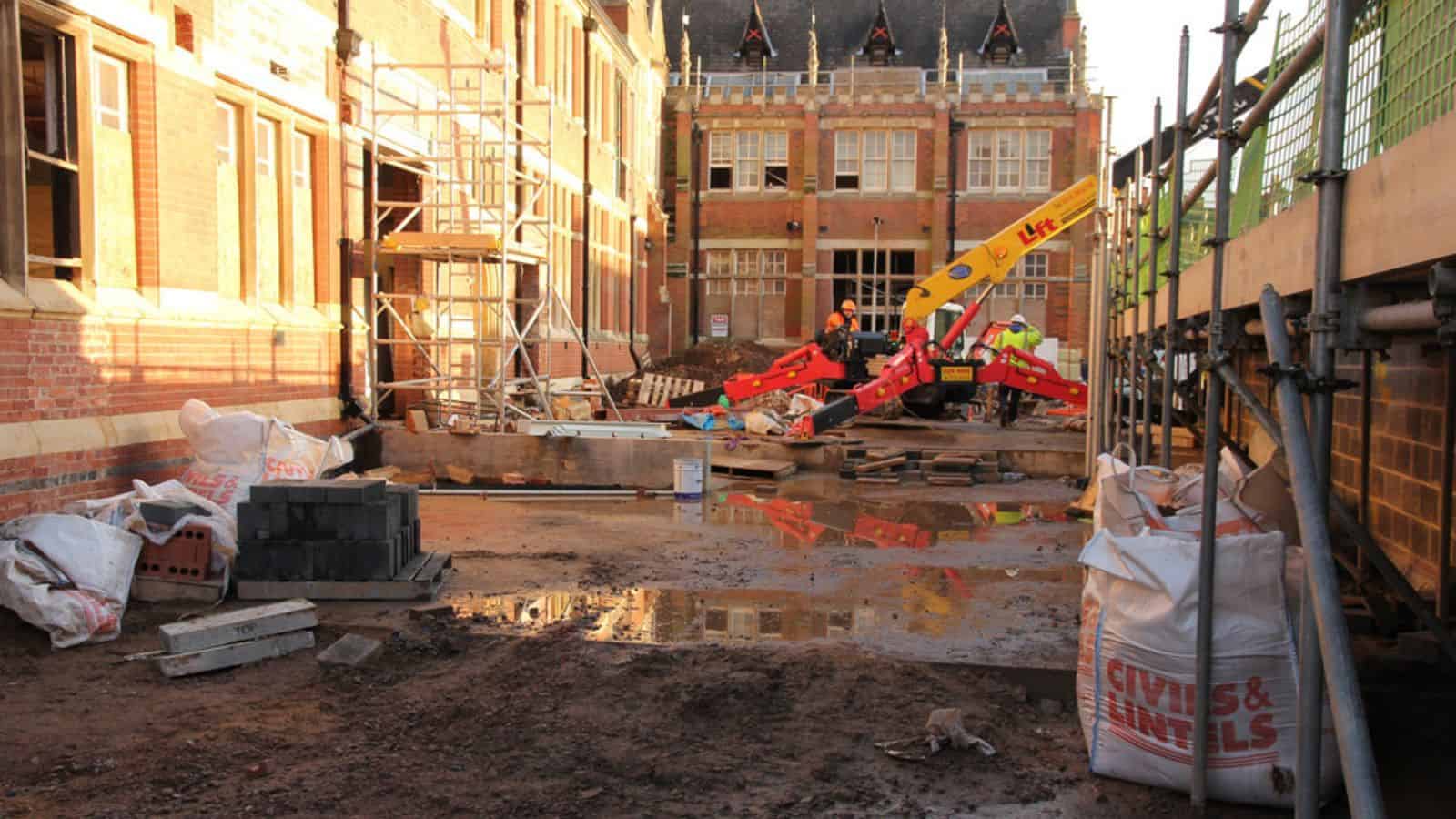
Painted parking bays hid an English king for more than five centuries. Archaeologists searching Leicester’s Greyfriars site found a battle-scarred skeleton in 2012.
Tests placed the man’s age between 30 and 34, matching Richard III, who died at 32 in 1485. DNA, burial location, wounds, and other evidence produced a 99.999% identification probability.
Asphalt had covered a royal grave, but science gave the bones their name back.
A subway dig opened an entire Byzantine harbor
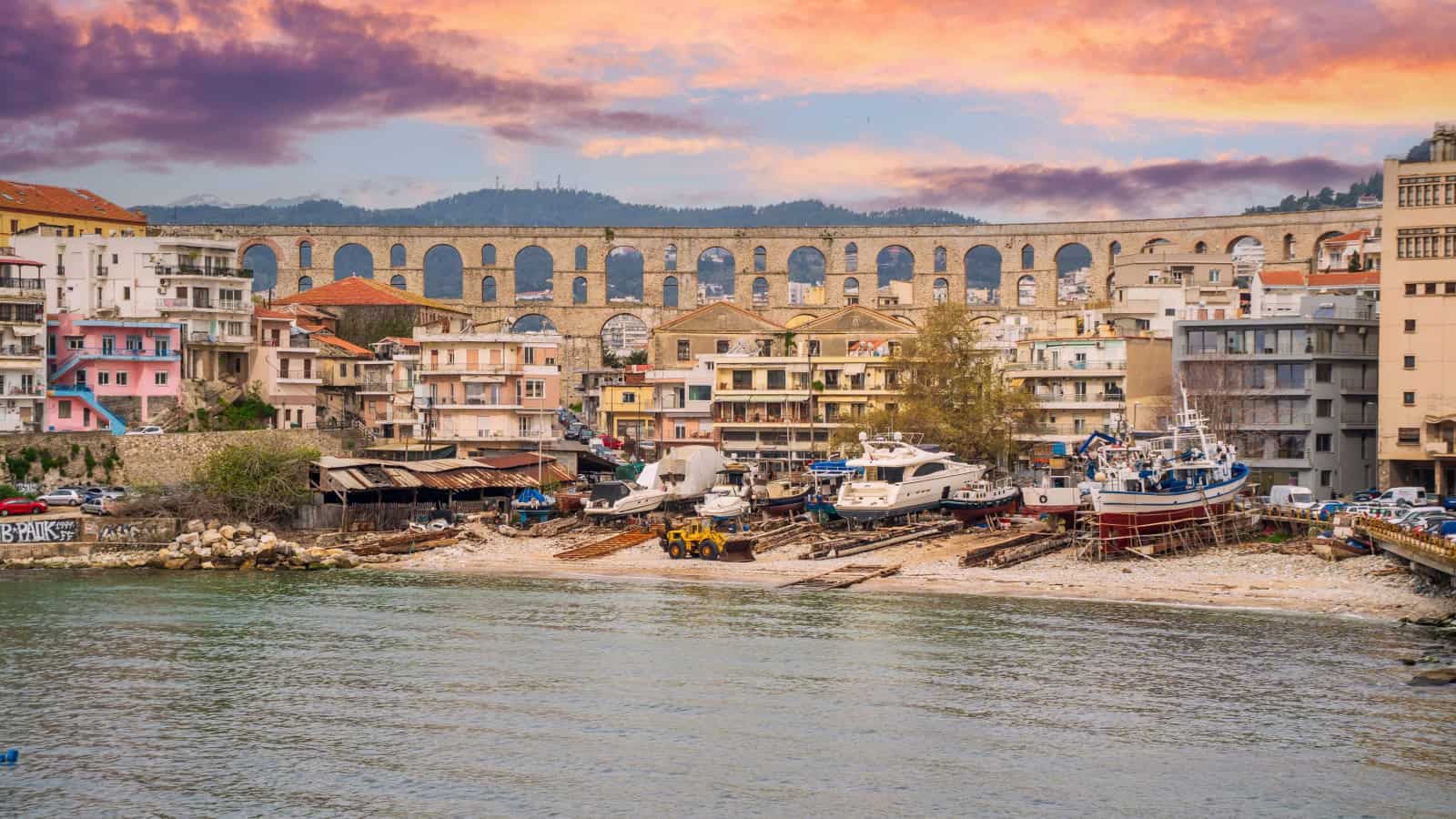
Istanbul started building a rail link and uncovered a harbor that once joined worlds.
Excavation at Yenikapı ran from 2004 to 2013 and exposed more than 8,000 years of city history. The richest layer held 37 shipwrecks from the fifth to early 11th centuries.
Archaeologists also found rope, leather, anchors, pottery, and rare Byzantine galleys. The trains eventually moved forward, but the buried fleet rewrote the story of Constantinople’s waterfront.
A road trench revealed a pit of executed Vikings
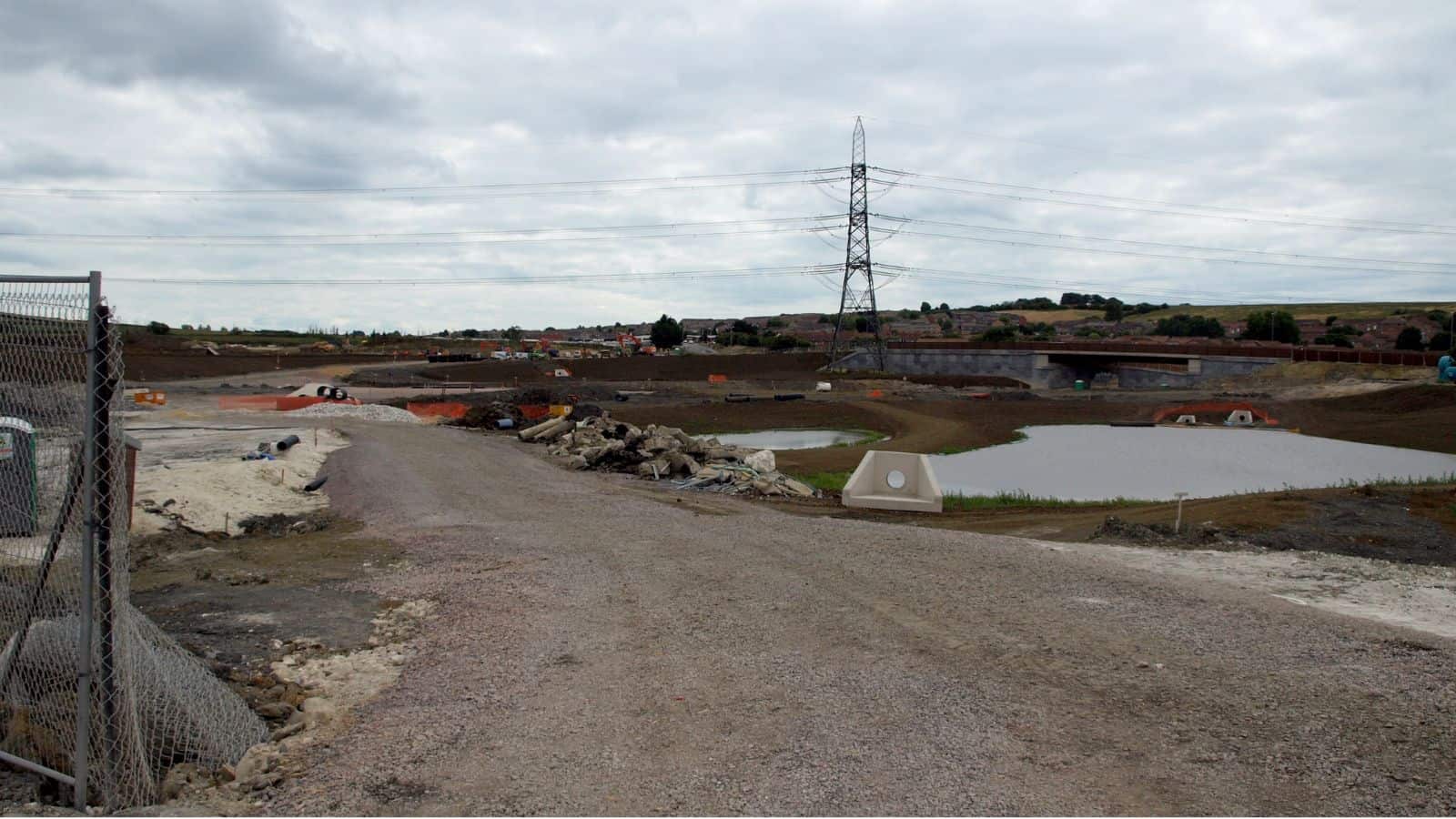
Road work near Weymouth, England, led archaeologists to a mass grave in 2009. About 50 headless young men lay tangled in the pit, with 51 skulls stacked apart from their bodies.
Scientific dating placed the deaths between A.D. 970 and 1025. Isotope studies linked many of the men to cold regions outside Britain and areas touched by Viking migration.
The evidence shows travel and violent death, but it can’t name the killers or explain their motive.
A reservoir released an Ice Age menagerie
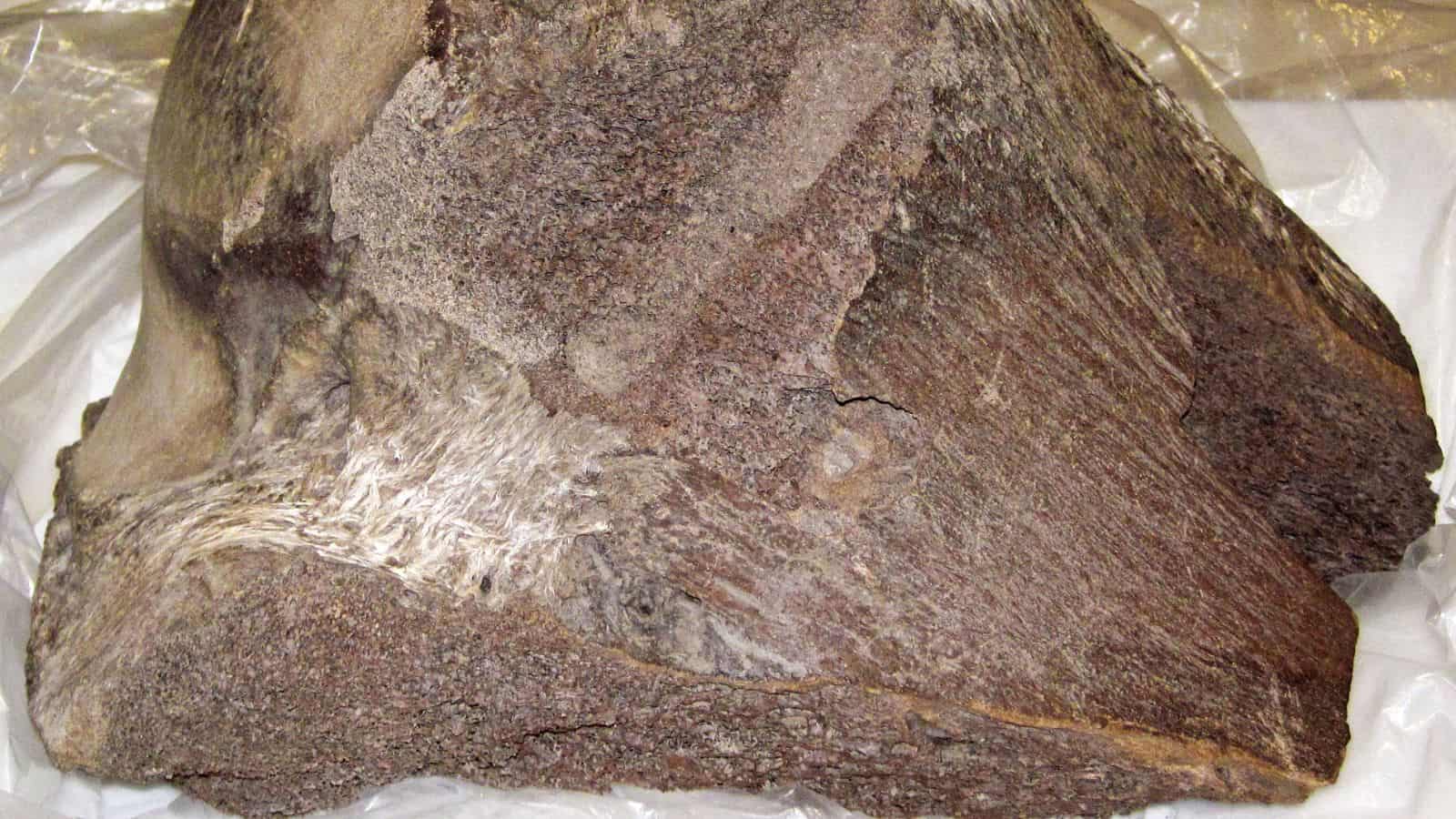
A bulldozer operator turned up mammoth bones at Colorado’s Ziegler Reservoir on October 14, 2010. The rescue dig lasted 69 days across two seasons.
Crews recovered more than 5,000 large bones and 22,000 small ones from roughly 50 species, including at least 35 mastodons.
USGS scientist Jeff Pigati captured the thrill: “Nothing beats pulling fossils out of the ground.” The mud preserved about 85,000 years of changing mountain life.
Edinburgh’s “knight” came with a warning label
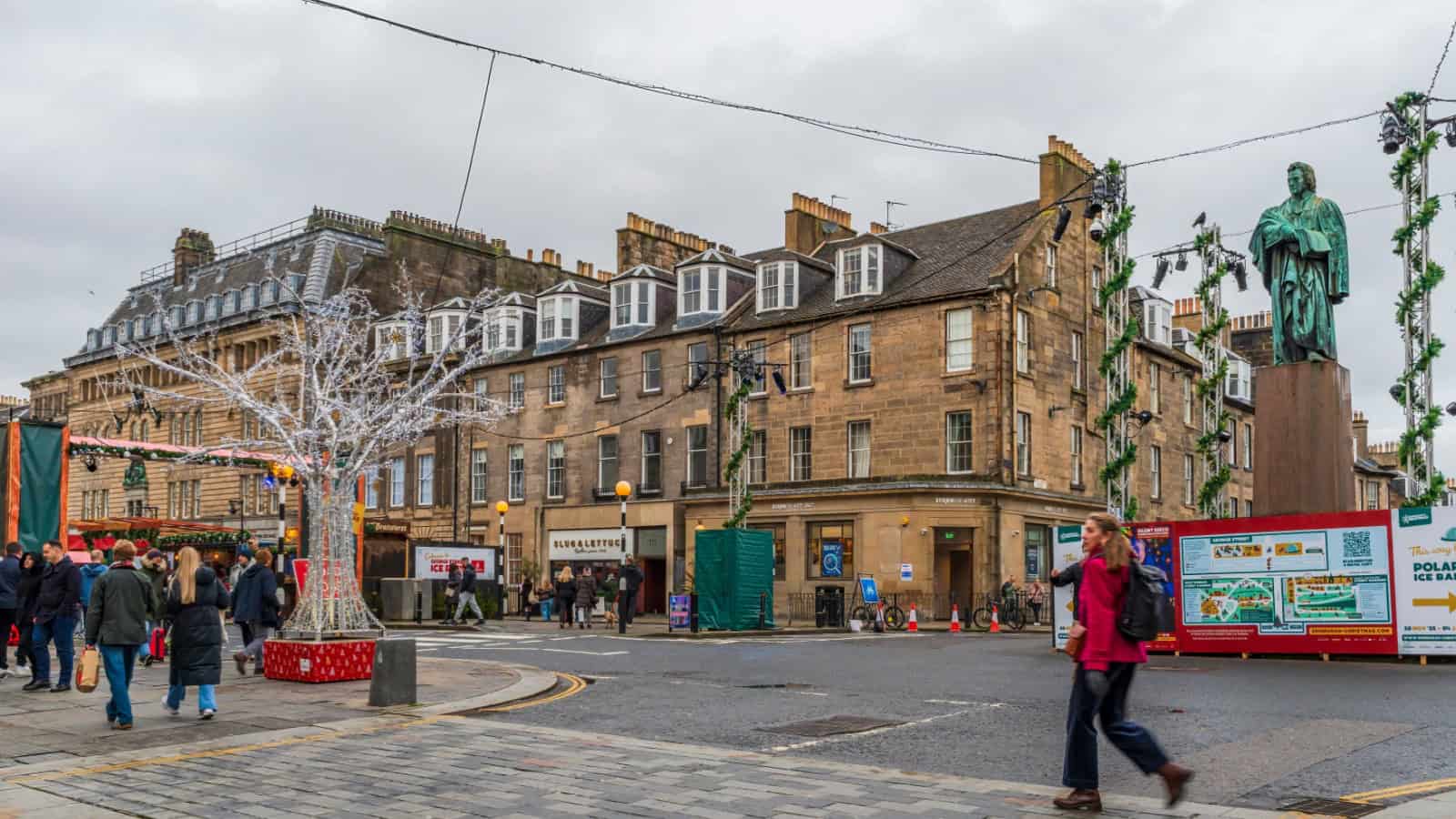
A carved stone cross and sword made this Edinburgh burial look fit for a knight. Later research urged more care.
Redevelopment at the old Blackfriars site exposed 88 burials, and tests on six placed cemetery use between the 13th and 17th centuries. The cross slab and its grave date to the late 1200s, which points to status but proves no military rank.
Stone can show how a person entered memory. It can’t always reveal the job that person held.
Crossrail met the genetic signature of plague
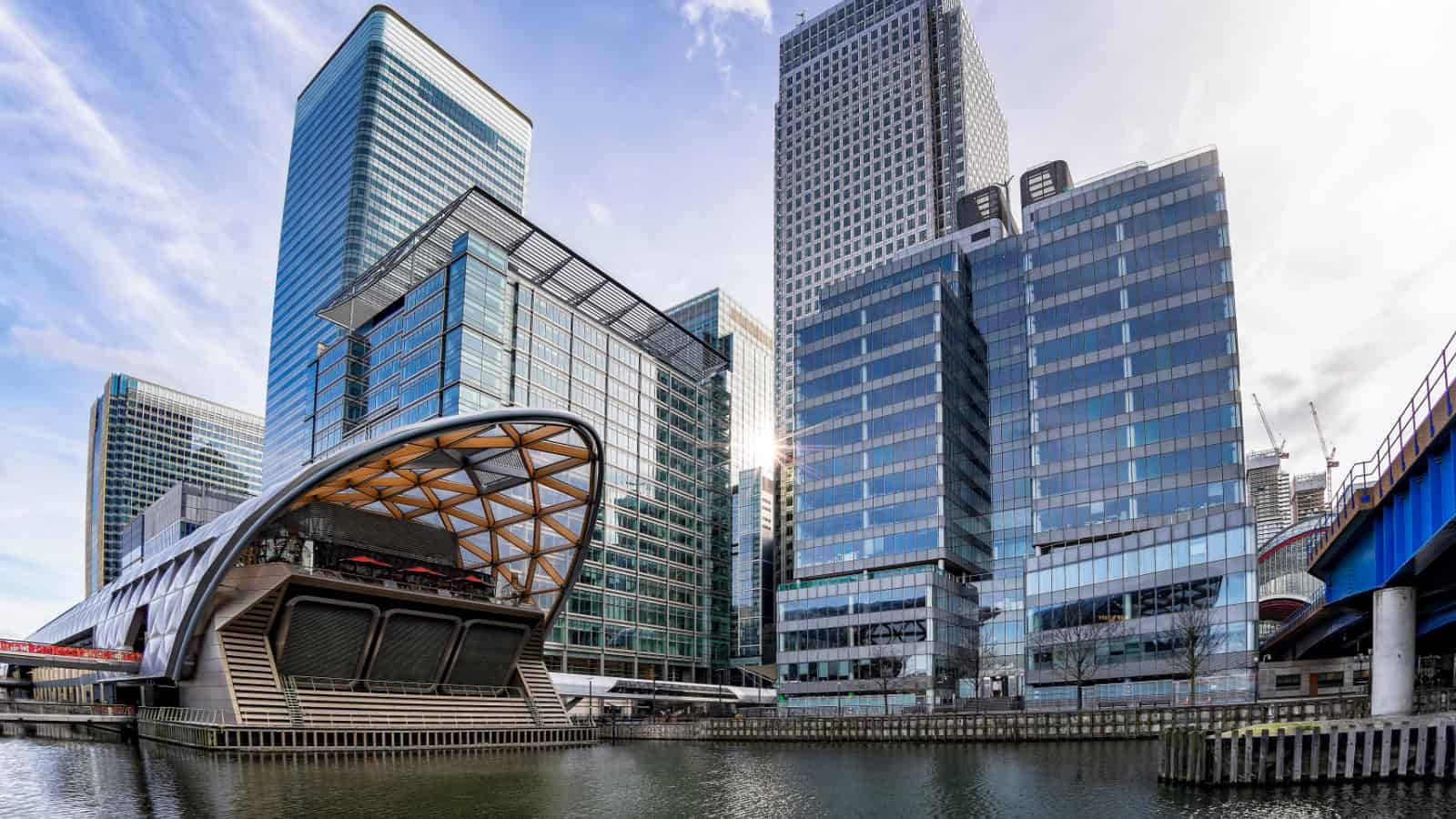
London’s Crossrail project cut into a human record of disease in March 2013. Archaeologists excavated 25 people beneath Charterhouse Square.
DNA from their teeth revealed exposure to Yersinia pestis, the bacterium tied to the Black Death. Many burials matched the outbreak that reached London in 1348, though tests dated some to the 15th century.
A rail shaft had crossed a cemetery where repeated waves of plague left names unwritten but evidence intact.
A parking lot hid Henry VII’s royal chapel
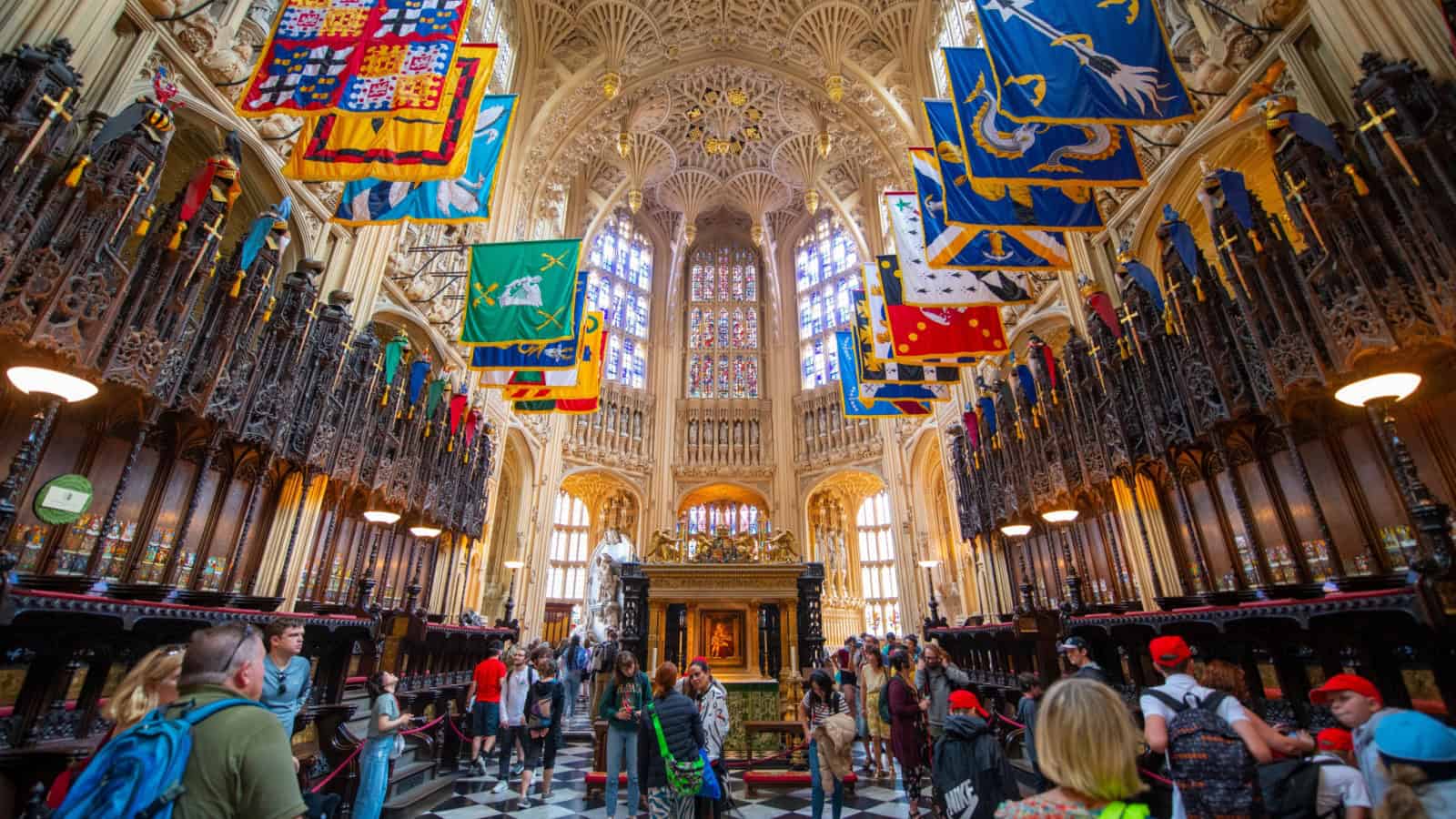
Workers remodeling a Greenwich parking lot in 2006 hit the east end of Henry VII’s lost palace chapel.
Builders had raised the chapel around 1500 to 1504, and later crews demolished it in 1699. Archaeologists found walls, decorative stone, floor tiles, and colored glass near the old altar.
Centuries of rebuilding erased most of the structure, yet small shards kept its color alive. Cars had parked over a sacred Tudor room without knowing its outline still slept below.
A California highway exposed whales with teeth
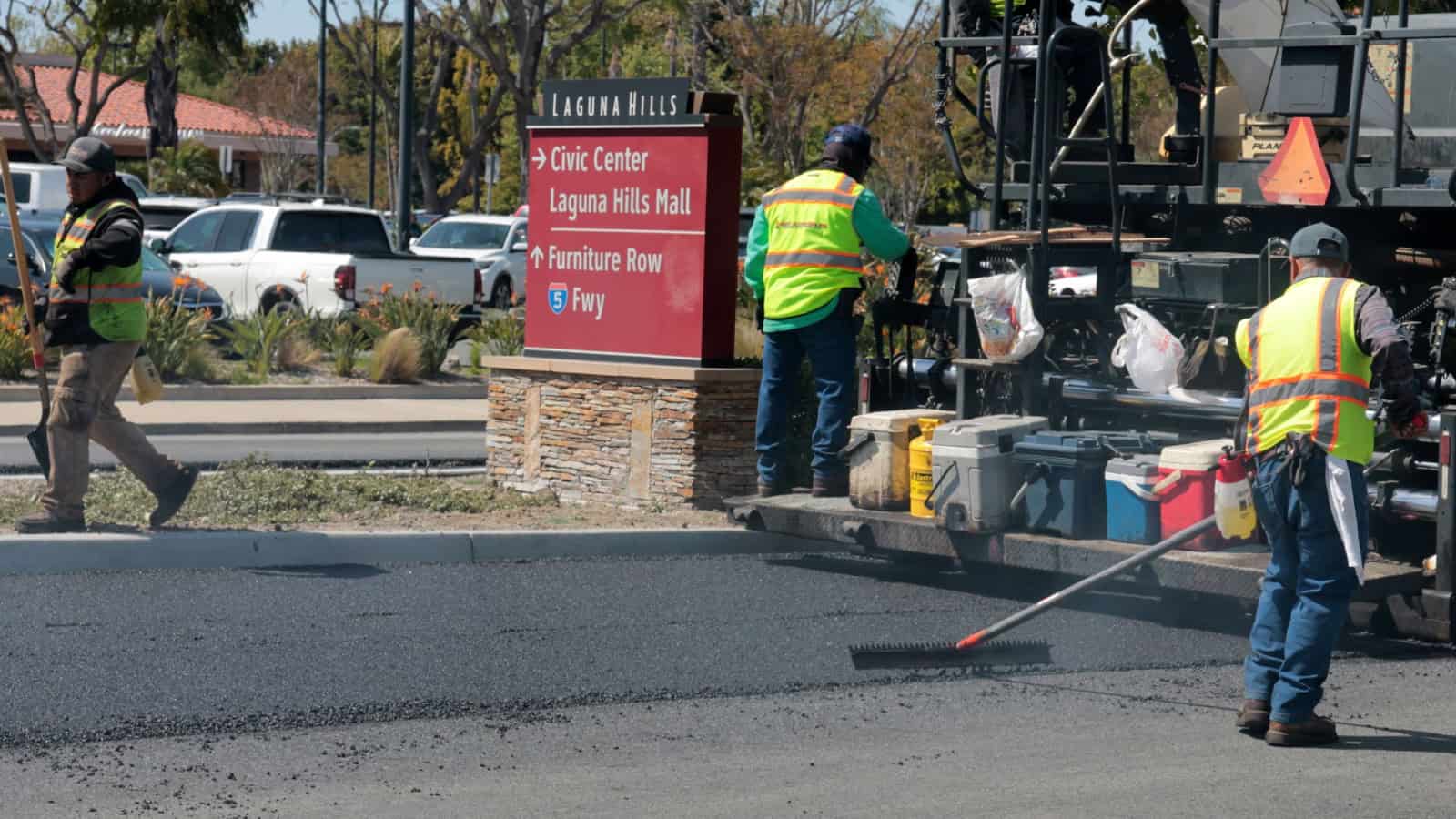
Highway widening in Laguna Canyon uncovered hundreds of marine mammal fossils between 2000 and 2005.
The deposit held 30 cetacean skulls and animals that lived 17 to 19 million years ago. Researchers identified four new toothed baleen whale species, creatures from a stage before their descendants lost their teeth.
Paleontologist Meredith Rivin explained the safeguard plainly: “In California, you need a paleontologist and an archaeologist on-site.”
Scotland’s ancient home survived as a hollow
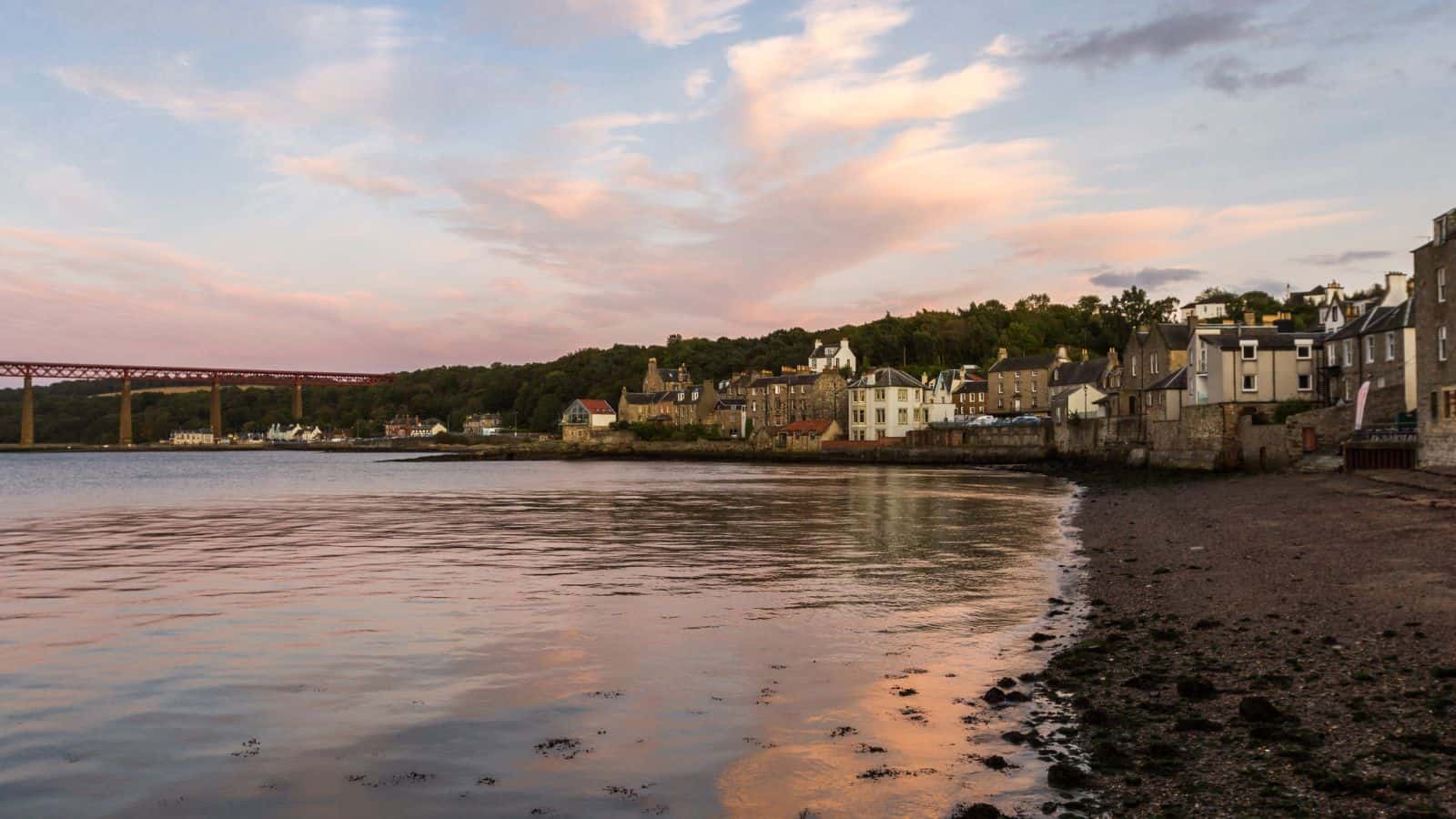
Bridge work near South Queensferry exposed one of Scotland’s oldest known homes. Archaeologists dated the oval pit to about 8240 B.C., more than 10,000 years ago.
It measured nearly 23 feet and held postholes, hearths, arrowheads, and over 1,000 pieces of flint. No stone walls or royal treasure waited there.
The dwelling survived as a shape in the earth, ringed by signs of fire, food, and skilled hands. Ordinary life left a quieter mark, but it endured longer than many monuments.
New homes nearly covered a Maya ball court
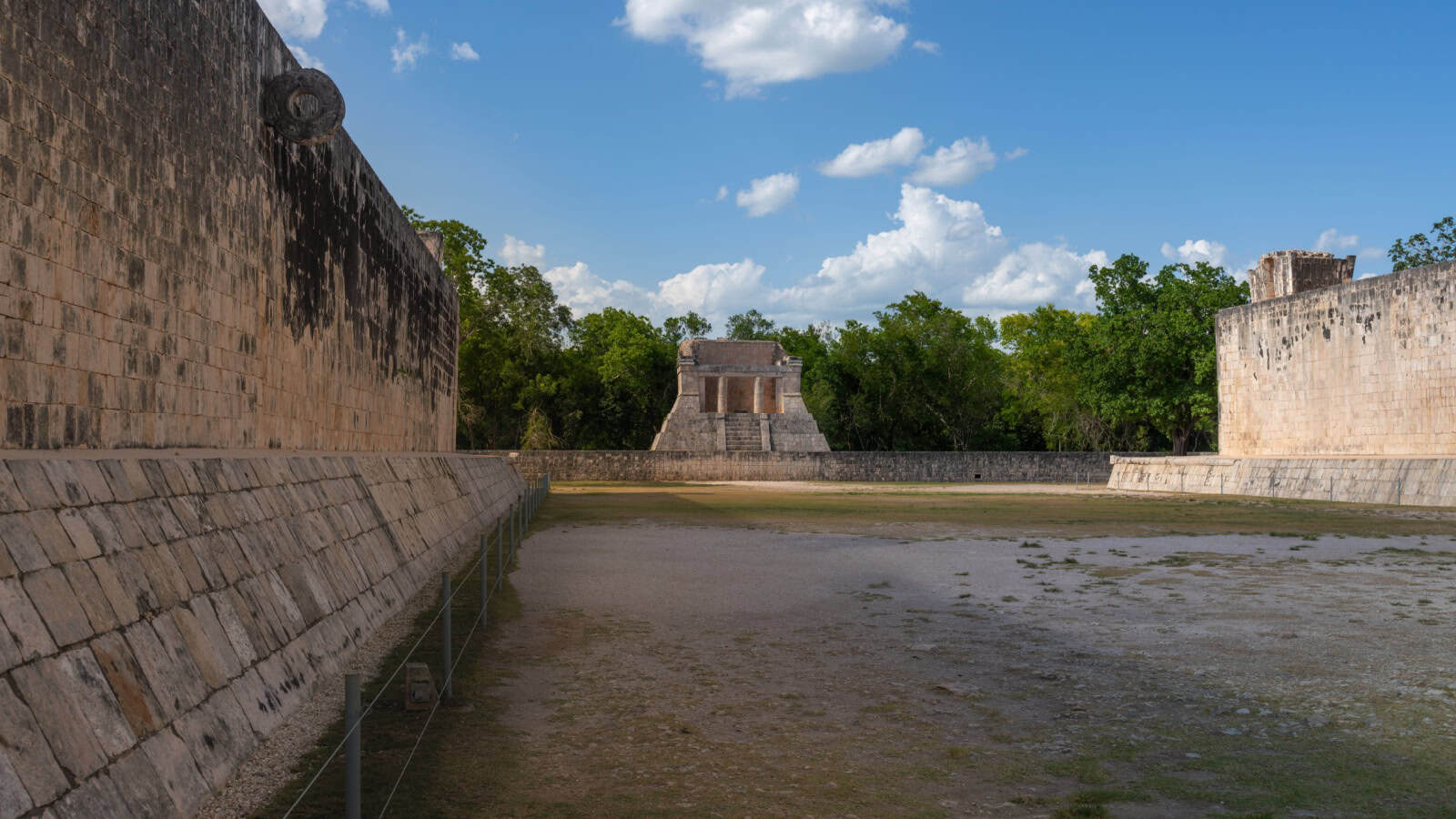
A housing development in Mérida, Mexico, ran into a large Maya ball court in 2006. Planners changed the project to protect it.
Reports at the time counted at least 50 ceremonial courts across the Yucatán, with many dating earlier than courts elsewhere in Mesoamerica. This was no simple playing field. Maya ball games could carry public, political, and sacred meaning.
A new neighborhood had reached the lines of a much older gathering place, forcing the future to bend around the past.
A sewer trench found a Ptolemaic temple
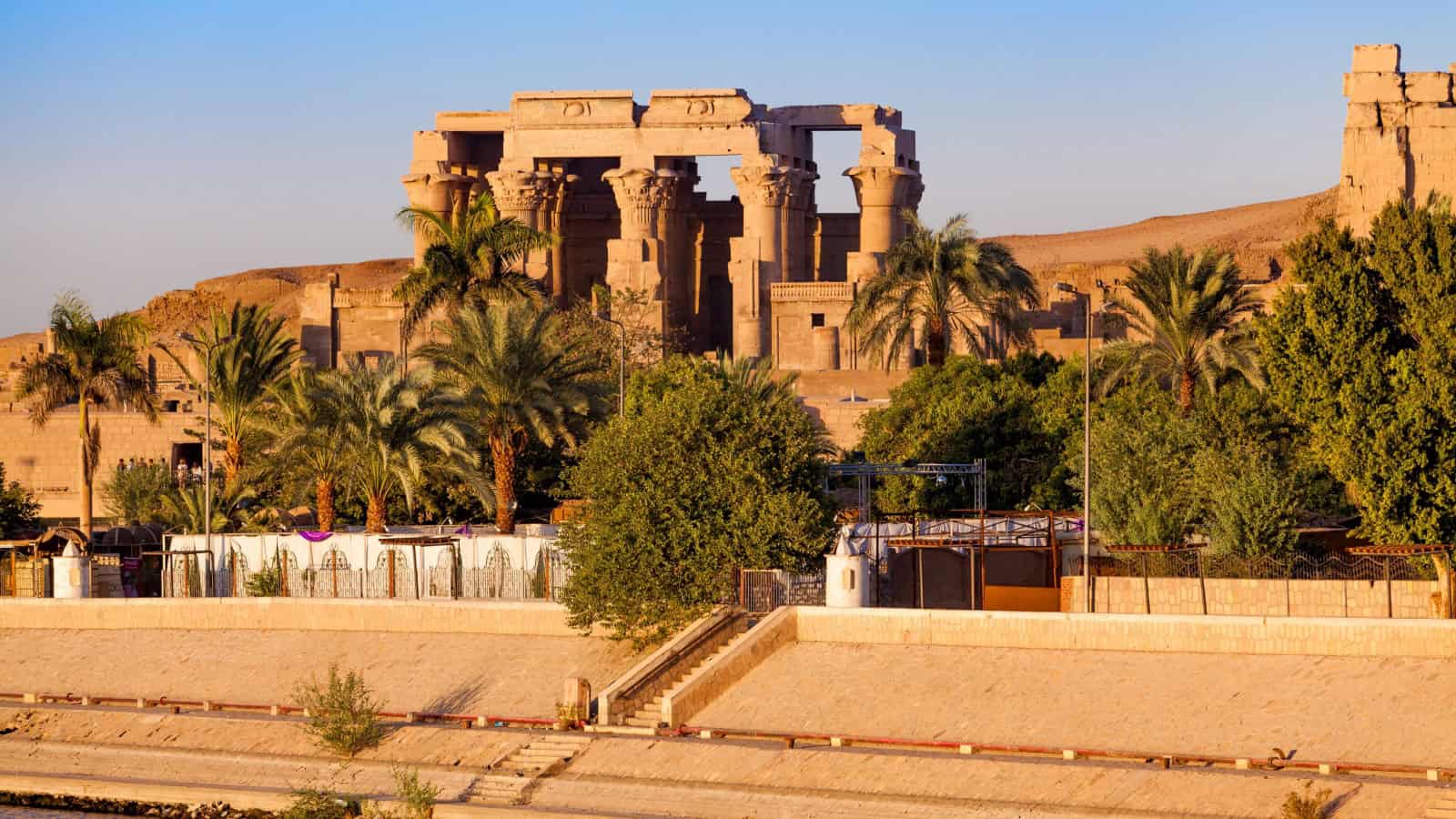
Sanitation workers digging at Kom Shakau, Egypt, struck carved masonry on September 29, 2019.
Archaeologists dated the temple remains to about 2,200 years ago and linked them to Ptolemy IV, who ruled from 221 to 204 B.C. Crews had exposed a corner, two wall sections, inscriptions bearing his name, and animal carvings.
The sewer project stopped so specialists could work. A routine pipe trench had opened a narrow door into royal Egypt.
Builders dragged a Roman coffin with a tractor

The first 1,800 years treated an ornate Roman coffin better than its first minutes above ground.
Builders in Ashkelon, Israel, found the limestone sarcophagus in 2015, pulled it out with a tractor, damaged it, and hid it under boards and metal.
The coffin measured 2.5 meters, weighed about 2 tons, and carried carvings of a young man, Cupids, bulls’ heads, and Medusa. Machinery scarred the object and disturbed the soil that could have explained its setting.
Road workers opened a face from Ming China
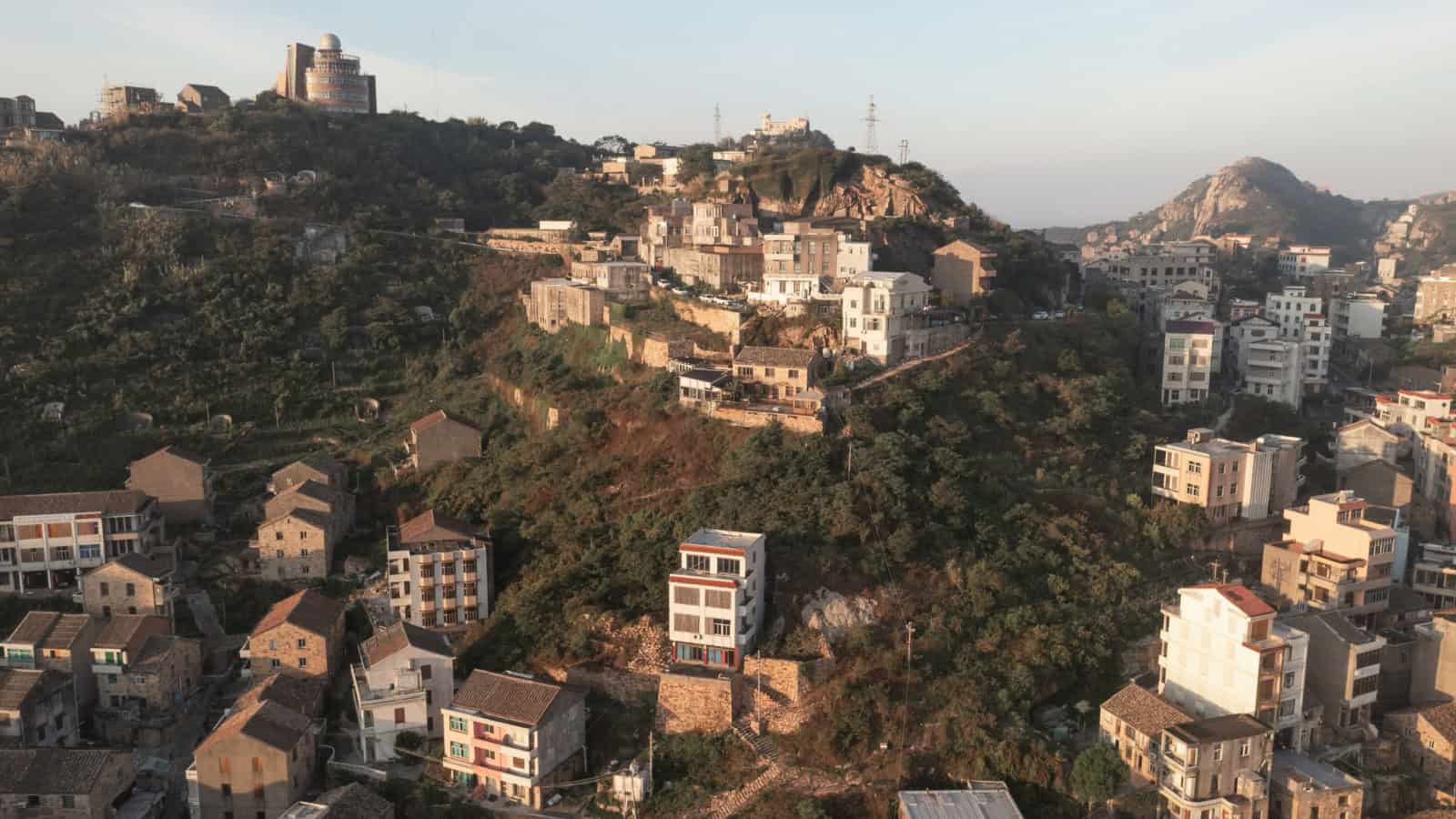
Road builders near Taizhou, China, uncovered a flooded tomb in 2011. Inside lay a woman whose hair, eyebrows, skin, shoes, and ring had survived for more than 600 years.
Her clothing placed her in the Ming dynasty, which ran from 1368 to 1644. Oxygen-poor water slowed the bacteria that usually erase a body.
University of Pennsylvania scholar Victor Mair said, “I don’t know of any evidence that Chinese ever intentionally mummified their deceased.”
Three buried bombs emptied central Cologne

Some buried history can still explode. Road preparation in Cologne uncovered three American bombs from World War II in June 2025.
Officials cleared a 1,000-meter radius and moved about 20,500 people, including residents of a hospital and two care homes. The zone covered 58 hotels, nine schools, a rail station, and three Rhine bridges.
Bomb crews defused all three devices in about one hour. Eighty years after the war, the ground still carried an unfinished blast.
San Francisco’s “woolly” mammoth wasn’t woolly
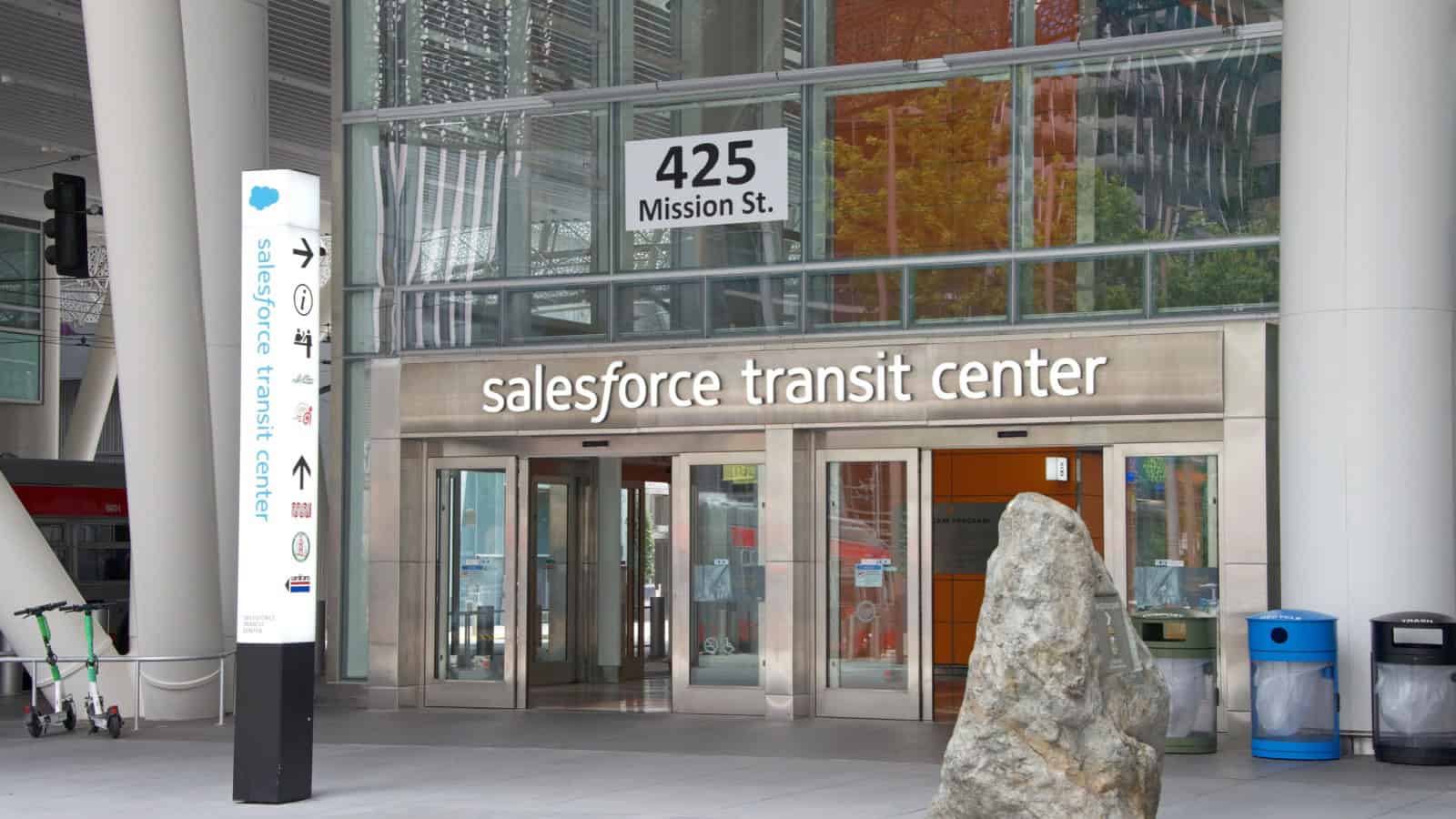
A crane operator found a huge mammoth tooth during Transbay Transit Center work in September 2012. The molar rested more than 100 feet below sea level.
Early reports floated a woolly mammoth label, but California Academy of Sciences researchers confirmed a Columbian mammoth. Those giants roamed North and Central America between roughly 8,000 and 150,000 years ago.
The correction shows how a discovery changes after the machines stop and specialists begin asking harder questions.
A hotel site held a ship and an old shoreline

Hotel construction in Alexandria, Virginia, uncovered a 50-foot section of an 18th-century ship and John Carlyle’s 1755 public warehouse.
Archaeologists worked there from September 2015 to May 2017. The land had bordered a cove in 1749, and owners filled it by about 1798, sometimes using old hulls in wharves.
Conservation continues. Heavy rain diluted treatment chemicals in 2025, pushing the ship’s expected return to Alexandria to fall 2028.
Key Takeaways

One work zone can hold several clocks. Cologne’s bombs waited about 80 years. Richard III’s grave stayed lost for 527 years. Yenikapı preserved more than 8,000 years of city life, and California’s whale fossils reached back as far as 19 million years. A blank-looking site is only blank at the surface.
More digging won’t guarantee more discoveries, but it creates more chances for contact. U.S. public construction alone ran at an annual rate of $541.2 billion in May 2026. A supervisor who stops a machine after spotting worked stone can save more than an object.
That short pause protects its exact place, soil layer, and story. Every foundation removes the present surface. Sometimes the past answers.
Disclaimer – This list is solely the author’s opinion based on research and publicly available information. It is not intended to be professional advice.
Like our content? Be sure to follow us