
Amazon Prime has a gas perk many members may not know they’re paying for
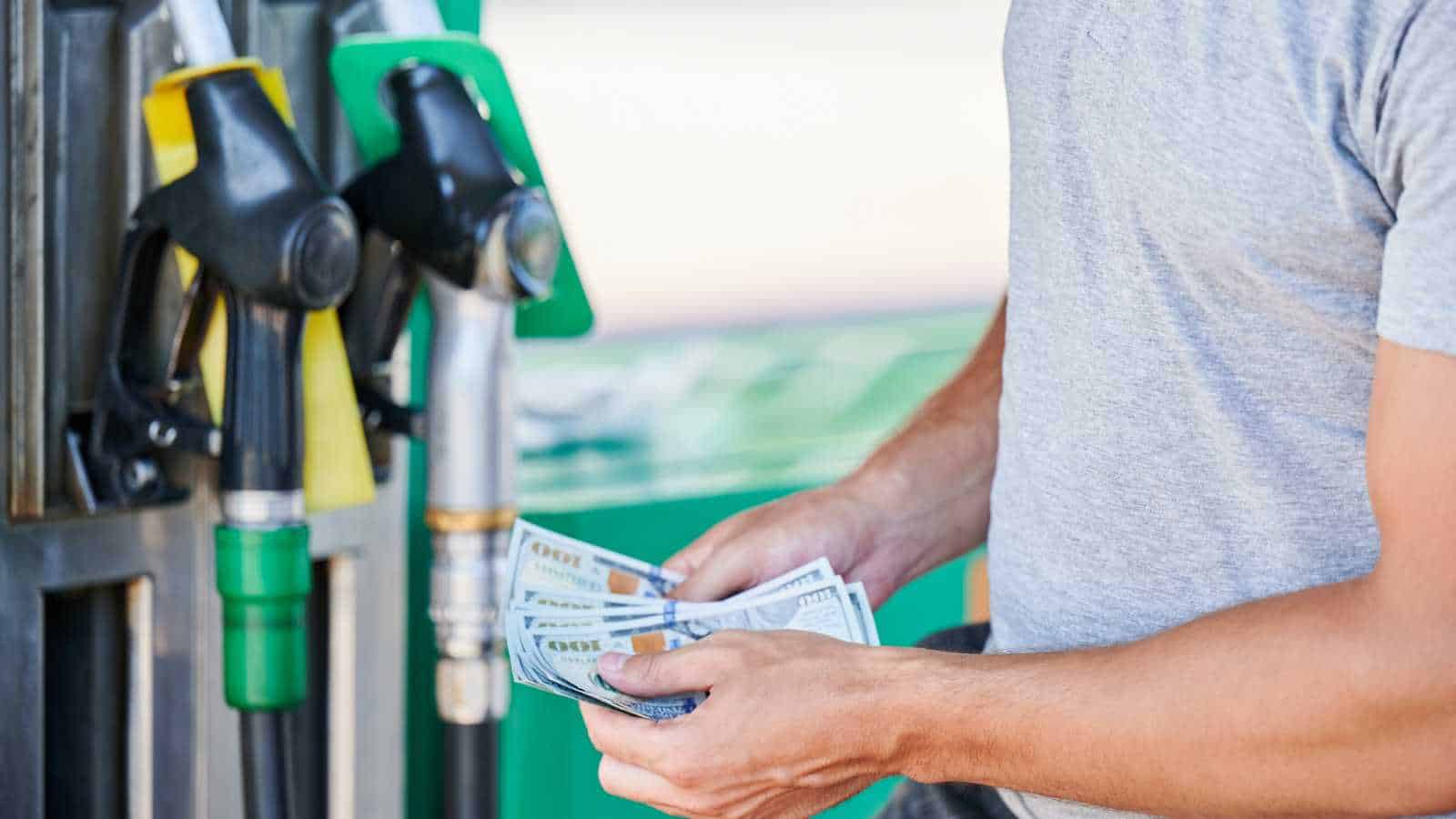
Amazon Prime members know about free shipping and streaming. But there’s another benefit that’s considerably more interesting when filling the tank takes a big bite out of the household budget: Prime can save you money at the gas pump.
Prime members currently receive 10 cents off every gallon at more than 7,500 participating BP, Amoco, ampm and Thorntons locations across the United States.
But right now, the savings are even better.
Through January 29, 2027, Amazon is doubling the discount every Friday. That means eligible Prime members can save 20 cents per gallon on one fuel purchase each Friday during the promotion.
It’s not going to transform anyone’s finances. But for people who are already paying for Prime—and already buying gas—the perk is essentially money sitting there waiting to be used.
Here’s how it works, how much you can realistically save and why it’s worth doing a little comparison shopping before automatically assuming the Prime price is the cheapest one in town.
Prime members normally save 10 cents a gallon
The basic Prime fuel benefit isn’t a temporary promotion.
Prime, Prime Access and Prime for Young Adults members can save 10 cents per gallon year-round at more than 7,500 participating BP, Amoco, ampm and Thorntons stations nationwide.
Amazon estimates that an average driver could save nearly $70 per year using the benefit, although actual savings obviously depend on how much you drive, how often you fill up and whether participating stations are convenient to where you live.
For a 15-gallon fill-up, the standard discount saves $1.50.
Fill the tank once a week and those small discounts begin to accumulate. But this is clearly a benefit for people who are already Prime members—not a compelling reason by itself to spend $139 a year on a Prime membership.
Right now, Fridays are worth twice as much
Here’s the part existing members should know about.
Amazon’s current Fuel Up Fridays promotion doubles the regular discount to 20 cents per gallon on one fuel purchase every Friday through January 29, 2027.
On a 15-gallon tank, that’s $3 off.
Fill a 20-gallon SUV or pickup tank and you’d save $4.
Again, we’re not talking about life-changing money. But if you’re going to need gas anyway, shifting a fill-up from Thursday to Friday is about as painless as saving gets.
And because the promotion runs through late January, it covers Thanksgiving travel, Christmas and other holiday driving as well as the beginning of the new year.
Related to Read: What oil prices could mean for your wallet over the next 6 to 12 months
You have to activate the benefit first
This isn’t a discount that magically appears because Amazon recognizes your credit card at the pump.
Prime members need to connect their Amazon membership with Earnify, BP’s loyalty program.
Once the accounts are linked, members can find participating stations through the Earnify app and redeem their fuel savings by entering their linked phone number or payment method at the pump. They can also use the Earnify app to identify the station and pump where they’re fueling.
The good news is that the Prime benefit only needs to be activated once.
After that, the account remains connected so the regular 10-cent discount can be used on future qualifying fill-ups.
Two adults can potentially double a household’s opportunities to save
There’s another wrinkle that families may overlook.
Two adults living in the same household can share a Prime membership through Amazon Family at no additional cost, and each adult can use the fuel benefit separately.
They need separate Earnify accounts and must make separate fuel transactions.
For a two-car household, that can make the perk considerably more useful.
Instead of one person using the Prime fuel benefit while the other pays full price, both adults can potentially apply the savings when filling their respective vehicles.
Remember that huge 50-cent discount? That one is over
Some Prime members may remember seeing headlines over the summer about Amazon offering 50 cents off per gallon.
That really happened—but it was temporary.
From July 2 through July 5, Amazon offered Prime members a one-time 50-cent-per-gallon discount at participating locations for the July 4 holiday.
A 15-gallon fill-up with that promotion saved $7.50, while a 20-gallon fill-up saved $10.
It was a smart promotion because it arrived during one of America’s busiest driving periods and at a time when gasoline prices were putting considerable pressure on household budgets.
But that promotion expired in July.
Anyone searching for it now shouldn’t expect to receive 50 cents off. The ongoing benefit is 10 cents per gallon, currently doubled to 20 cents on Fridays through January 29.
Why even small gas discounts get people’s attention
Gasoline has an unusual place in the American psyche because the price is impossible to ignore.
It’s advertised on enormous signs beside the road. Drivers stand beside the pump watching the dollar amount climb. And unlike many purchases, there’s often no satisfying new product to bring home afterward.
You spent $50 or $60 and essentially ended up with the same car you had before.
When gasoline prices rise, consumers notice quickly—and often adjust their behavior just as quickly. They compare stations, combine errands, use warehouse clubs and rewards programs, and rethink unnecessary driving.
That’s why saving a few dollars at the pump can feel more satisfying than receiving the same discount on something else.
You’re buying something you had to buy anyway.
Related to Read: 12 reasons higher gas prices aren’t always bad news
But don’t assume the Prime station is automatically cheapest
This is where a little common sense matters.
Saving 10 or 20 cents per gallon doesn’t necessarily mean you’re getting the lowest final price.
Suppose the participating station charges $4.29 per gallon while another station on your route charges $4.02.
Even after applying the normal 10-cent Prime discount, you’d still pay $4.19—17 cents more per gallon than you would at the cheaper station.
Even the Friday 20-cent discount would only bring the price down to $4.09.
The big number on the discount isn’t what matters.
The final price you actually pay is.
Before filling up, compare the participating station’s discounted price with nearby competitors. Gas-price apps and the prices displayed along your normal route make that relatively easy.
Driving farther for a discount can defeat the purpose
There’s another trap with loyalty programs: changing your behavior simply to earn the reward.
Driving several miles out of your way to save $1.50 on a tank of gas probably isn’t much of a bargain.
You’re burning additional fuel, adding mileage to the car and spending your time to collect the discount.
The Prime benefit makes the most sense when a participating station is already on or near your normal route.
If you routinely pass a BP, Amoco, ampm or Thorntons station with competitive prices, great. Take the discount.
If reaching one requires a special trip across town, do the math first.
A rewards program should adapt to your life. Your life shouldn’t revolve around a rewards program.
Prime is becoming much more than a shipping membership
The gas benefit also illustrates how dramatically subscription programs have changed.
Amazon Prime originally became famous for fast shipping. Today Amazon is trying to make the membership relevant across far more of a household’s spending.
Prime includes entertainment, grocery and delivery benefits, prescription savings and other perks in addition to shipping. Fuel extends that strategy into another expense many households encounter every week.
That’s important because subscription fatigue is real.
Consumers may have memberships for television, music, grocery delivery, warehouse clubs, fitness programs and countless other services. Each one has to continually justify its place on the credit-card statement.
A benefit that reduces an unavoidable expense can make a subscription feel more valuable than another entertainment extra.
Gas rewards have become part of ordinary household budgeting
There was a time when meticulously tracking gas discounts might have sounded like something only an extreme bargain hunter would do.
Not anymore.
Supermarkets offer fuel points. Warehouse clubs operate their own gas stations. Credit cards offer cash back on fuel. Gas-station chains have loyalty programs. Apps help drivers find lower prices.
Amazon is joining an already crowded competition for the American driver’s loyalty.
For consumers, that can be a good thing—but only if they avoid turning saving money into a part-time job.
You don’t necessarily need six fuel apps, three rewards programs and a spreadsheet documenting every gallon.
Find the programs that work naturally with the places you already shop and the routes you already drive.
Related to Read: 12 mistakes you should avoid making at a gas station
Is Prime worth buying just for the gas discount?
Probably not.
Prime currently costs $139 per year or $14.99 per month for a standard membership.
Amazon estimates that the regular 10-cent-per-gallon fuel benefit can save an average driver nearly $70 per year. That’s useful, but it obviously doesn’t cover the full cost of Prime by itself.
The calculation changes if you’re already using free shipping, Prime Video, grocery or restaurant-delivery benefits, prescription discounts and other features.
Then fuel savings become one more way of extracting value from a membership you’re already paying for.
That’s the key distinction.
This is less a reason to buy Prime than a reason existing members should make sure they’re using what they’ve already bought.
What Prime members should do now
If you’re already a Prime member, check whether there’s a participating station near the places you normally drive.
If there is, connect your Prime and Earnify accounts and compare the station’s price with nearby competitors before filling up.
And through January 29, consider Friday your best day to use the benefit.
The normal 10-cent discount becomes 20 cents per gallon every Friday, which means a household that can conveniently time its fill-ups may as well take advantage of the extra savings.
Just don’t chase the discount.
If another station is cheaper after all discounts are applied, buy the cheaper gas.
The bigger takeaway
The most interesting thing about Amazon’s fuel benefit isn’t really the few dollars saved on a tank.
It’s how thoroughly membership programs are moving into expenses that once had nothing to do with them.
Amazon wants Prime to matter when you order a package, watch television, buy groceries, fill a prescription—and now when you stop for gas.
For consumers, the challenge is figuring out which of those benefits actually save money rather than simply encouraging more spending.
The fuel perk passes a pretty simple test: if you’re already a Prime member, a participating station is convenient and its discounted price beats nearby competitors, there’s very little reason not to use it.
And through January 29, 2027, there’s an even simpler rule to remember:
If you need gas anyway, check the price on Friday. Your Prime discount is twice as large.
Disclaimer: Promotions, participating locations and membership benefits can change. Check current Amazon and Earnify terms before relying on a specific discount.