Everyone Says They Want a Smart, Independent Woman, Until They’re Actually Dating One
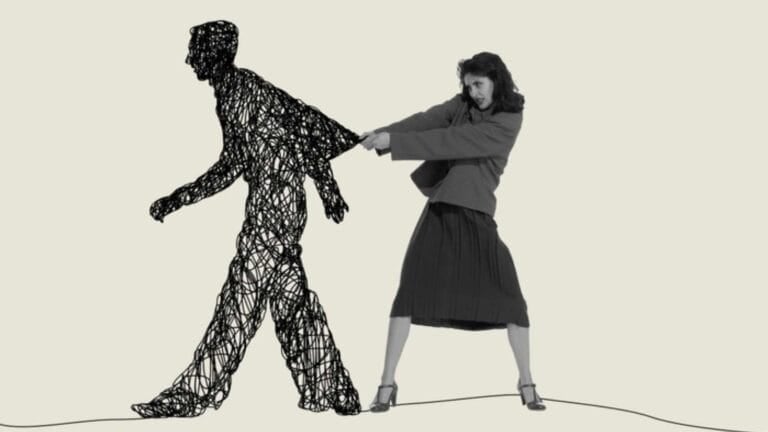
He says he wants a strong, independent woman. But what happens when he actually dates one?
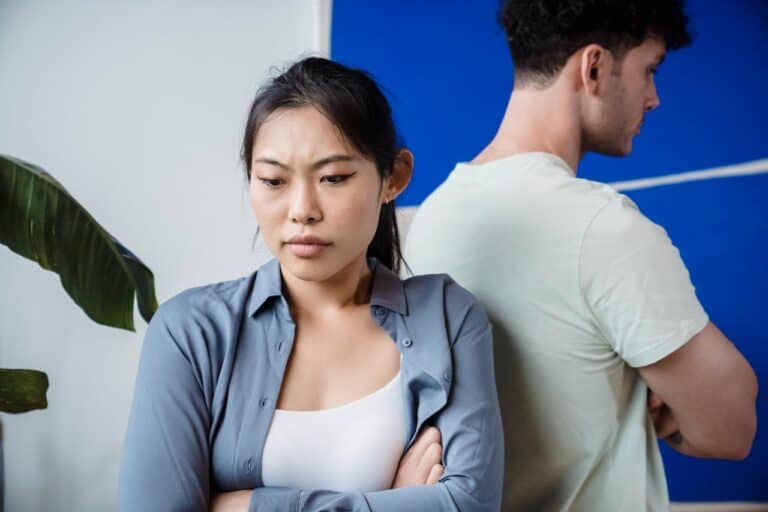
One woman recently described a frustrating pattern in her dating life. Men seemed attracted to the fact that she was confident, financially independent and had built a life she genuinely enjoyed. But as relationships progressed, she felt that admiration sometimes turned into comparison—and eventually discomfort.
“I live my life for me,” she wrote. “I do not care what other people do, but it seems to keep getting in the way of my dating life.”
Her experience struck a nerve.
Women now make up nearly half of the U.S. labor force, earn the majority of bachelor’s and advanced degrees, and are increasingly likely to earn as much as—or more than—the men they marry. Yet cultural expectations surrounding masculinity, money and the traditional male provider role haven’t necessarily changed at the same pace.
That can create an uncomfortable contradiction in modern dating: Can someone genuinely want an accomplished, self-sufficient partner while also struggling with what her success makes him feel about himself?
The discussion that followed revealed just how complicated the answer can be.
When Admiration Turns Into Comparison
The woman described herself as organized, financially responsible, and independent. She stressed that she never expected partners to match every aspect of her lifestyle, nor did she pressure them to live exactly as she did.
Still, she noticed a recurring pattern.
Many men initially praised her intelligence, career, and independence, only to later express concerns that they couldn’t live up to what they perceived as her expectations—even when she insisted she wasn’t asking for perfection.
The post resonated with readers who said they had experienced similar shifts.
One commenter summed up the feeling, writing that some people love the idea of dating a strong, successful woman but become uncomfortable once that strength is present in the relationship.
While the discussion focused largely on women’s experiences, others pointed out that insecurity can affect anyone regardless of gender. Relationship dynamics are rarely one-sided, and feelings of comparison can arise whenever one partner begins to measure themselves against the other.
Independence Doesn’t Mean Someone Doesn’t Need Love
A recurring theme throughout the discussion was the misconception that independent people don’t require emotional support.
Many commenters argued that being financially secure or emotionally mature doesn’t mean someone wants to navigate life alone. Instead, they said independence often means choosing a relationship because it adds value—not because it fills a financial or practical necessity.
Relationship therapists frequently make a similar distinction.
Healthy independence allows both partners to maintain their own identities while building a shared life together. Rather than relying on one person to solve every problem, emotionally secure couples tend to support one another while respecting each other’s autonomy.
Several commenters suggested that trouble begins when independence is mistaken for emotional distance.
Some partners, they argued, assume an independent person won’t require reassurance, communication, or shared responsibility. When those normal relationship expectations inevitably arise, disappointment can follow.
The Invisible Work Many Couples Overlook
One of the strongest themes in the discussion wasn’t about careers or income at all—it was about everyday responsibilities.
Many women described partners who admired how organized they were but gradually expected them to become the household planner, financial organizer, scheduler, cleaner, and emotional coordinator.
One commenter observed that some people seem attracted to competence because they hope to benefit from it rather than contribute equally.
Others described feeling less like romantic partners and more like managers, responsible for remembering appointments, organizing family events, handling finances, planning meals, and keeping daily life running smoothly.
Researchers often refer to this as the “mental load”—the invisible planning and emotional labor required to keep households functioning. Studies have consistently found that women continue to shoulder a disproportionate share of this work, even in households where both partners work full time.
For many participants in the discussion, the issue wasn’t that they expected perfection. They simply wanted another adult who shared responsibility, rather than assuming one partner would naturally take charge.
Why Success Can Sometimes Feel Threatening

Several commenters believed the issue wasn’t success itself but what it represented.
Many shared stories of promotions, salary increases, or personal achievements that were initially celebrated but later became unexpected sources of conflict. Some described partners becoming withdrawn after they advanced professionally, while others noticed criticism replacing encouragement once they began earning more money or receiving recognition for their work.
Psychologists say this can be explained, in part, by social comparison theory, the idea that people naturally evaluate themselves against those around them. When those comparisons begin to affect self-esteem, feelings of inadequacy can surface—particularly if someone’s identity has long been tied to traditional expectations such as being the primary provider or problem solver.
That doesn’t mean successful women are responsible for their partners’ insecurities. Rather, experts say emotionally healthy relationships depend on each person managing their own self-worth instead of measuring it against the other person’s accomplishments.
The Difference Between Being Needed and Being Chosen
Another theme that repeatedly emerged was the difference between being needed and being wanted.
Several commenters suggested that some people struggle when they realize an independent partner doesn’t rely on them financially or in practical terms. Instead of seeing it as an opportunity to build a relationship based on mutual affection, they interpret it as less important.
But therapists often argue the opposite.
When two people are capable of standing on their own, commitment becomes a conscious choice rather than a necessity. That can create healthier relationships built on trust, companionship, and shared values instead of obligation or dependence.
One commenter reflected that she wasn’t looking for someone to rescue her.
“I wanted companionship,” she wrote. “They wanted someone to manage the parts of their lives they either couldn’t handle or didn’t think were their job.”
That sentiment resonated with many readers who said they were seeking an equal partner rather than someone to parent—or be parented by.
Not Every Story Ended in Frustration
Although the discussion centered on difficult dating experiences, many readers also offered a more hopeful perspective.
Several described relationships in which both partners celebrated each other’s successes rather than competing.
Some women said their husbands encouraged career growth, happily shared household responsibilities, and never viewed a higher salary or promotion as a threat. Others explained that responsibilities naturally shifted over time depending on work schedules, strengths, or life circumstances, without either partner feeling diminished.
One commenter explained that after years of disappointing relationships, she eventually met someone who consistently supported her ambitions.
Another offered perhaps the simplest takeaway from the entire discussion: “The right person wants you to grow instead of asking you to shrink.”
Those stories served as an important reminder that insecurity is not an inevitable part of modern relationships. Many couples successfully navigate changing gender roles by viewing each other’s achievements as shared victories rather than personal losses.
Why This Conversation Resonates Now
The discussion reflects broader cultural changes happening across the United States.
As women continue to achieve higher levels of education, increase their representation in leadership positions, and contribute more to household incomes, many couples are redefining what partnership looks like.
At the same time, researchers have found that traditional expectations about masculinity, caregiving, and financial responsibility continue to influence how some people view relationships. Those competing expectations can create friction, particularly during major life transitions such as moving in together, marriage, or career advancement.
Ultimately, experts say lasting relationships are less about who earns more or who appears more accomplished and more about how couples respond to each other’s success.
Partners who communicate openly, divide responsibilities fairly, and celebrate one another’s achievements tend to build stronger, more resilient relationships than those who fall into patterns of comparison or competition.
For many readers, the Reddit conversation wasn’t really about successful women intimidating men. It was about a deeper question facing many modern couples: Can two independent people build a relationship where neither person has to become smaller for the other to feel bigger?
Judging by the thousands of responses, many believe the answer is yes—but only when both partners value equality over ego, and partnership over competition.
READ:
- Is Marriage Really Dying? 12 Reasons Marriage Is Facing New Challenges Today
- 12 Marriage Mysteries That Have Surprising Explanations
- 10 Small Things That Quietly Ruin A Marriage