Is Marriage Really Dying? 12 Reasons Marriage Is Facing New Challenges Today
For generations, marriage felt like one of life’s biggest milestones.
You grew up hearing about finding the right person, walking down the aisle, and building a future together. But today, fewer people are rushing toward marriage, and many are asking a surprising question: Is marriage really dying, or is it simply changing?
The numbers certainly make people curious. According to the Pew Research Center, about one-third of Americans who have ever been married have experienced divorce, and more than 1.8 million Americans divorced in 2023.
The answer is not as simple as saying people no longer believe in marriage. Marriage is facing a new set of challenges shaped by changing expectations, financial pressure, technology, career demands, and evolving ideas about love and commitment.
You now expect more from a partner than previous generations often did, and while that can create deeper connections, it can also put more pressure on relationships. Let’s look at the biggest reasons marriage is being tested today.
People Expect More Emotional Fulfillment From Marriage

Previous generations often viewed marriage as a partnership built around stability, family, and shared responsibilities.
Today, many people want something deeper.
You want your spouse to understand your emotions, support your dreams, encourage your growth, and make you feel valued. That sounds reasonable, but it creates a much higher standard.
Modern marriage often carries the expectation that one person should meet many emotional needs at once.
The challenge? Your partner is still human.
They will have bad days. Make mistakes, or not always know exactly what you need without you explaining it.
Have you ever expected someone to understand how you felt without saying it, only to be disappointed when they did not? Almost everyone has been there.
Strong marriages usually happen when couples balance emotional closeness with realistic expectations.
Fewer People Are Getting Married Than Previous Generations

If marriage feels less common today, you are not imagining it. People are waiting longer before saying “I do,” and some are choosing not to marry at all.
According to data from the U.S. Census Bureau, the estimated median age at first marriage has increased to 30.8 for men and 28.4 for women, up from ages 23.5 and 21.1, respectively, in 1975. In the mid-20th century, many people married in their early twenties. Today, many wait until their late twenties or beyond.
Why the change?
Many people now spend more time building careers, completing education, paying off debt, and understanding what they want from life. Marriage has shifted from something people often expected to do to something many people carefully choose.
This change does not necessarily mean people value relationships less. It may mean they want relationships that feel more intentional.
The challenge comes when society struggles to adapt to these changing expectations.
Communication Problems Are Creating Relationship Distance

Communication has always mattered in marriage, but modern life gives couples more reasons to disconnect.
You have more distractions than ever. Phones, work messages, social media, and busy schedules constantly compete for attention. Sometimes couples sit in the same room but feel miles apart.
Poor communication remains one of the biggest challenges affecting relationship satisfaction.
“Communication is the mortar that holds a relationship together,” says relationship expert Dr. Amy Bellows. “If it breaks down, the relationship will crumble. When spouses no longer communicate, a marriage nurtures no one. It is no longer a marriage.”
The problem usually does not start with one massive argument.
It starts with small moments: You stop explaining what bothers you. Avoid difficult conversations. Or assume your partner “should already know.”
Healthy communication means expressing needs clearly while listening with empathy.
Technology Is Changing How Couples Connect

Technology has made relationships easier in some ways and more complicated in others.
You can instantly communicate with your partner from anywhere. Share photos, messages, and updates throughout the day.
But technology can also create distance.
Have you ever seen two people sitting together, both staring at their phones? It happens so often that it almost feels normal now.
Digital distractions can reduce the quality of real-life connections. Social media also creates another challenge: comparison.
Your relationship does not need to look perfect online. It needs to feel healthy in real life.
Financial Pressure Is Changing How Couples Build Their Lives

Money has always influenced relationships, but today’s financial pressures feel especially heavy for many couples. Housing costs, inflation, debt, and job uncertainty can create stress that follows people home.
According to American Psychological Association surveys, money and finances are among the leading causes of stress, with 64–72% of Americans saying money is a somewhat or very significant source of stress.
That stress often affects relationships.
One partner may worry about saving for the future. While another may feel life is too short not to enjoy the present. Neither person is automatically wrong. The problem begins when couples stop talking about financial values.
Money disagreements are often about more than money. They are about security, priorities, and trust.
Successful couples usually discuss finances openly. They create shared goals and understand that teamwork matters more than winning an argument.
Changing Gender Roles Are Redefining Marriage

Marriage roles have changed dramatically. Many couples today create their own version of partnership instead of following traditional expectations.
They may combine careers, divide daily responsibilities, and support each other’s personal and financial goals. While this flexibility allows couples to create relationships that fit their own needs, it also requires more communication about expectations, fairness, and shared responsibilities.
Modern couples must actively discuss responsibilities instead of assuming traditional roles will work automatically.
A relationship can struggle when one person feels overwhelmed while the other does not recognize the imbalance. The challenge is not creating a perfectly equal relationship every day.
Sometimes one person carries more because of illness, work pressure, or family responsibilities. The important question is: do both partners feel respected and supported?
Mental Health Is Becoming a Bigger Relationship Factor

People now understand something previous generations often ignored: emotional health affects relationships. Stress, anxiety, burnout, and depression can influence how couples communicate and connect.
A person struggling emotionally may become withdrawn or less patient. Their partner may misunderstand the behavior and feel rejected.
Mental health challenges can create relationship problems when couples face them alone. The good news is that seeking help has become more accepted. Many couples now use counseling and therapy as tools to strengthen their relationships rather than waiting until everything falls apart.
A healthy marriage does not require two people who never struggle. It requires two people who are willing to support each other through struggles.
Work Stress Is Leaving Couples With Less Time Together

Life feels busy because it is busy.
Between careers, parenting, household responsibilities, and personal goals, many couples struggle to find meaningful time together. That leaves less time for connection.
Many relationships do not suffer from a lack of love. They suffer from a lack of attention.
You may care deeply about your partner but still find yourself exhausted at the end of the day. The challenge is to make your relationship a priority before problems arise.
Sometimes the solution is not a huge romantic gesture. It is simply putting the phone away and asking, “How are you really doing?”
Independence and Personal Growth Are Changing What People Expect From Marriage

Marriage used to be seen by many people as the next obvious step after adulthood. Today, more people take time to build their own identity before making that commitment.
You may notice that people now focus more on education, careers, financial stability, hobbies, and personal goals before thinking about marriage. That shift has changed what people expect from a partner.
According to Pew Research Center data, younger generations place greater importance on personal fulfillment and compatibility when considering marriage, prioritizing love, shared values, and emotional connection over tradition or social pressure.
Modern couples are not just asking, “Can we build a life together?” They are also asking, “Can we help each other become better versions of ourselves?”
These differences do not automatically destroy relationships. They simply require more conversations and compromise.
Successful marriages today often depend on couples who support individuality while still building a strong partnership.
Unrealistic Expectations Are Putting More Pressure on Modern Relationships
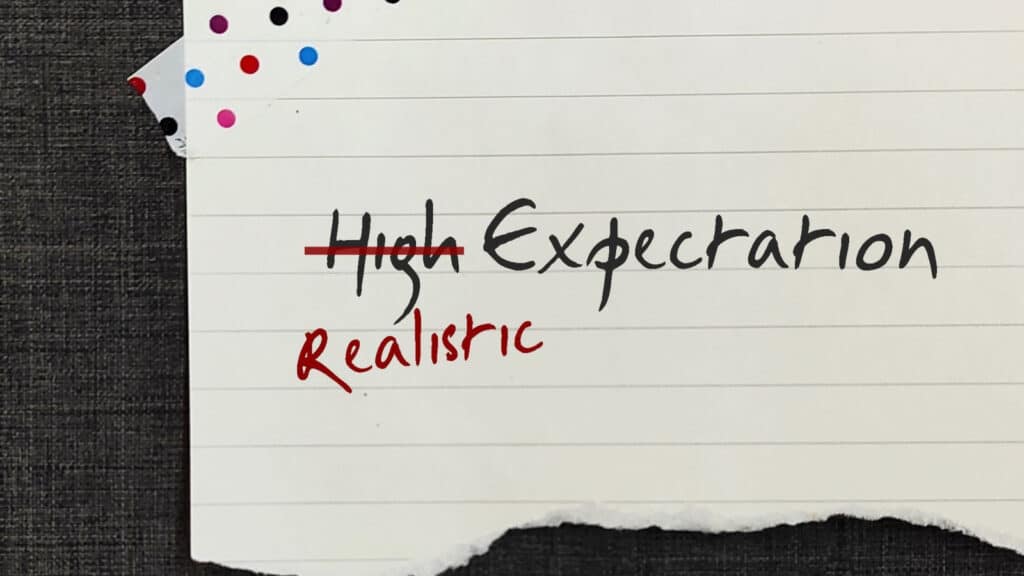
Modern marriage comes with a long list of expectations.
Your partner should be your best friend, emotional support system, romantic connection, financial teammate, personal cheerleader, and someone who understands you perfectly.
That sounds amazing, but it also creates enormous pressure.
Many couples struggle because they expect marriage to solve problems that actually require personal growth and communication.
Think about the pressure people sometimes place on marriage. Your spouse is expected to make you happy, inspire you, understand every emotion you feel, and never disappoint you. That is a lot to ask from another human being.
Movies show the dramatic moments. Social media shows carefully selected highlights. Nobody posts about the boring Tuesday night argument over whose turn it is to clean the kitchen.
Healthy marriages are not built on perfection. They are built on patience, forgiveness, and realistic expectations.
Career Pressure and Busy Lifestyles Are Making Relationships Harder to Maintain
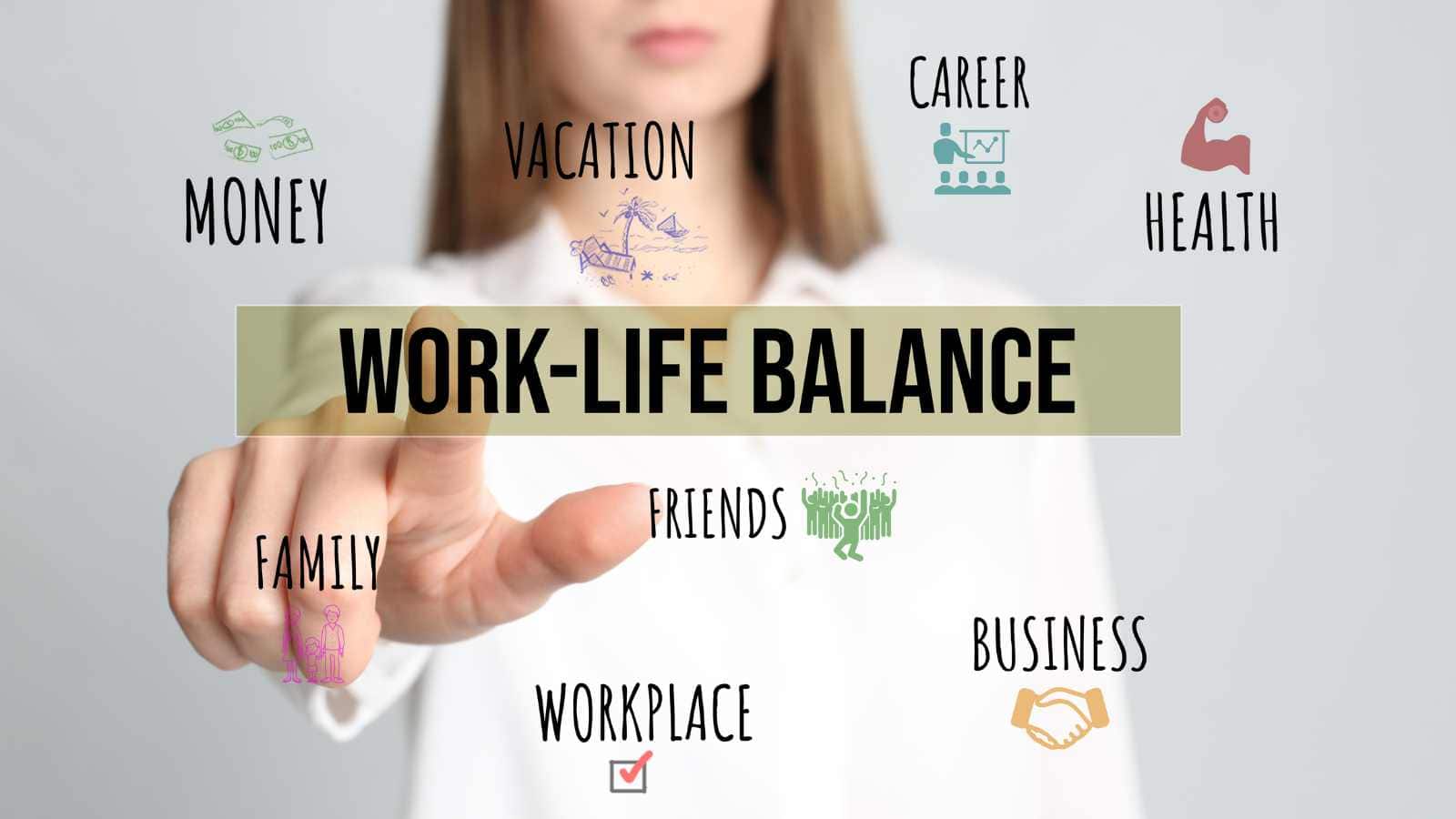
Modern couples often face a difficult balancing act.
You want financial security, career success, to achieve your personal goals, and quality time with your partner. Unfortunately, there are only so many hours in a day.
According to the Bureau of Labor Statistics’ American Time Use Survey, paid work and household responsibilities occupy a substantial share of many adults’ daily time, leaving fewer hours for rest, leisure and relationships.
That leaves many couples trying to maintain relationships while feeling exhausted.
A lack of time has become one of the biggest challenges facing modern marriages.
That realization can be uncomfortable, but it also reveals an important truth: relationships require intentional effort. Love may begin with feelings, but long-term relationships survive through consistent actions.
Social Acceptance of Single Life Has Changed How People View Marriage

Single life has become more socially accepted, giving people more freedom to choose relationships based on desire rather than expectation.
According to research from the Pew Research Center, the share of adults who are unmarried has grown significantly over recent decades. More people are delaying marriage, living independently longer, or choosing not to marry at all.
This shift does not necessarily mean people no longer value love or companionship. Instead, many people now see being single as a valid lifestyle choice rather than a temporary stage before marriage.
Greater acceptance of single life has reduced the pressure to marry quickly, but it has also changed how people think about commitment.
This change creates a new challenge for marriage because people are no longer choosing it simply because society expects them to. Couples increasingly need to build relationships that offer genuine emotional connection, shared values, and mutual support.
In other words, marriage has moved from being a social requirement to a personal choice.
The future of marriage may not depend on convincing people to marry. It may depend on creating partnerships that feel meaningful enough to choose.
Key Takeaways

The question “Is marriage really dying?” does not have a simple yes-or-no answer. The reality is much more interesting: marriage is evolving as people’s lives, expectations, and priorities change.
Divorce rates, delayed marriages, financial pressures, technology, and shifting social values have all changed how people approach relationships. But these changes do not mean people have stopped wanting love, companionship, and lifelong connection.
Modern couples are simply looking for something different from marriage. They want emotional support, shared goals, equality, and a partner who grows alongside them. Those higher expectations can create challenges, but they can also lead to stronger and more intentional relationships.
The biggest lesson is that marriage is no longer built on tradition alone. Couples today must actively create healthy partnerships through communication, trust, flexibility, and effort.
Marriage is transforming into something that requires more choice, more understanding, and more teamwork than ever before. And maybe that is not a sign of failure. Maybe it is a sign that people are taking love and commitment more seriously, because choosing someone is very different from simply following a script written by previous generations.
Disclaimer – This list is solely the author’s opinion based on research and publicly available information. It is not intended to be professional advice.
Like our content? Be sure to follow us