12 types of men to avoid dating or marrying
Finding the right partner can shape everything from your emotional well-being to your financial stability and long-term happiness. Research consistently shows that unhealthy relationships can have serious consequences.
According to the American Psychological Association, chronic relationship stress is linked to anxiety, depression, sleep problems, and even physical health issues. Meanwhile, studies published in the Journal of Marriage and Family have found that toxic relationship patterns are among the strongest predictors of divorce and long-term dissatisfaction.
While no one is perfect, experts say certain behavioral patterns should never be ignored. Relationship counselors often warn that repeated disrespect, manipulation, dishonesty, and emotional instability rarely improve after marriage; they usually intensify. Paying attention to red flags early can save years of emotional strain.
Here are 12 types of men many therapists and relationship experts say are best avoided when dating or considering marriage.
The Constant Critic Who Slowly Breaks You Down
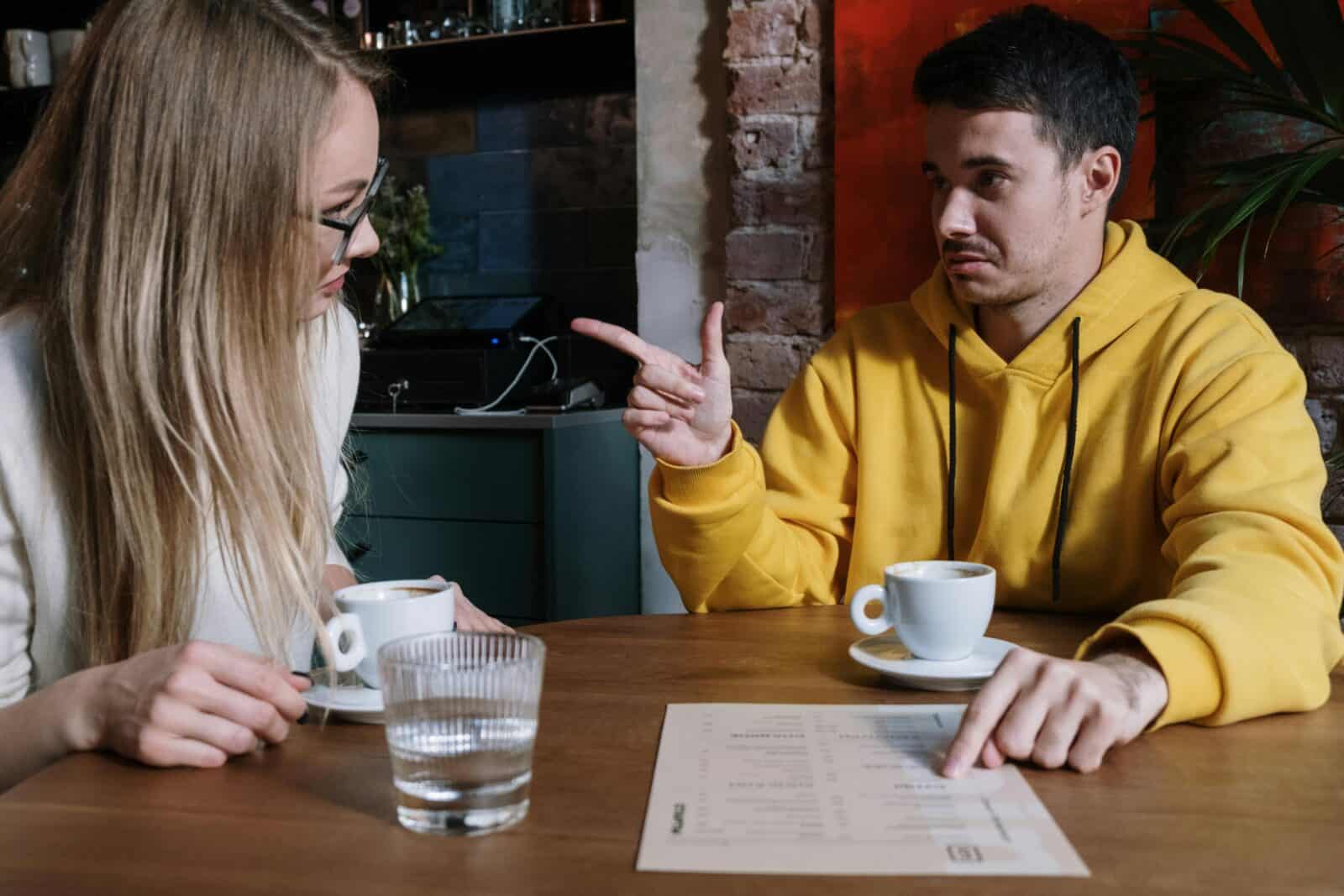
At first, his sarcasm seems playful. He teases you, makes sharp little comments, and laughs it off like it is all harmless. Then you start noticing that the jokes almost always land on your appearance, your opinions, your intelligence, or the parts of your personality he knows matter to you.
That kind of criticism wears you down slowly. It does not always arrive as screaming or obvious cruelty. Sometimes it comes dressed as humor, honesty, or “just trying to help,” until you begin feeling smaller every time you speak.
Eventually, you start censoring yourself around him. Simple conversations feel tense because you expect a cutting remark before you even finish your sentence. Over time, being loved by him starts to feel less like comfort and more like surviving constant judgment.
The Controlling Partner Who Masks Abuse as Protection

At first, his behavior may seem protective rather than controlling. He wants to know where you are, who you’re with, and why your coworker liked your Instagram story at 11:42 p.m. Somehow, concern slowly turns into surveillance.
Over time, you start adjusting your behavior just to avoid conflict. You text faster, explain yourself more, and slowly feel anxious doing perfectly normal things. That emotional shrinking happens quietly, which makes it dangerous.
A relationship study from SafeLives found that controlling behaviors often appear alongside emotional abuse and fear-based dynamics. Researchers connected monitoring, isolation, and coercive behavior to severe relationship distress. Healthy love creates safety, not constant tension disguised as protection.
The Serial Cheater Who Cannot Commit

Some men cheat impulsively once. Others treat infidelity like a personality trait. That second category usually leaves a trail of overlapping relationships, suspicious behavior, and broken trust.
You’ll usually notice patterns early if you stop ignoring them. Secretive behavior, constant flirting, vague explanations, and suspicious inconsistency rarely improve after marriage. If someone repeatedly treats loyalty casually while dating, marriage probably won’t magically transform him into a trustworthy partner.
The Manipulative Man Playing Love Like a Game

This guy usually enters your life looking incredibly confident. He’s charming, persuasive, smooth in conversation, and weirdly good at saying exactly what you want to hear. Then the manipulation starts creeping in through tiny cracks.
Researchers use the term “Dark Triad” to describe narcissism, Machiavellianism, and psychopathy. These traits strongly lowered relationship satisfaction for both partners. Honestly, nobody feels emotionally safe with someone who treats relationships like strategy games.
You’ll usually notice chronic lying, lack of empathy, blame-shifting, and subtle emotional control. One moment, he acts as if he’s obsessed with you; the next, he emotionally disappears after getting what he wants. That inconsistency can leave you emotionally dizzy in a hurry.
The Perpetual Victim Who Refuses Accountability

Nothing is ever his fault. Not his failed relationships, career setbacks, financial struggles, or communication problems. In his eyes, the world just keeps picking on him.
At first, you might feel sympathy and want to help. But over time, you notice a pattern: every ex is “crazy,” every boss is “toxic,” and somehow, he always ends up as the misunderstood victim. Slowly, you realize that no matter what you do, you’re cast as the villain simply for pointing out reality.
The Emotionally Distant Man Who Leaves You Lonely

Some men fear emotional closeness more than commitment itself. They avoid serious conversations, shut down during conflict, and suddenly become “busy” whenever emotions enter the room. Apparently, vulnerability feels illegal to them.
According to the American Journal of Psychology, a strong negative association was found between avoidant attachment and marital satisfaction. It is also linked to avoidant attachment to fear of intimacy, which explains why these men often pull away once relationships deepen. You can practically feel the emotional wall during conversations.
Dating someone emotionally unavailable often leaves you feeling lonely inside the relationship itself. You keep trying harder, communicating better, and explaining your needs more clearly. Meanwhile, he responds as you hand him customer service paperwork.
The Addicted or Self-Destructive Man Who Drains You

This topic deserves compassion, honesty, and realism. Addiction can take a heavy toll on relationships, especially when someone refuses to take responsibility or seek help. Love alone cannot fix self-destructive behavior.
Substance abuse, gambling, and other addictive habits often bring constant conflict, financial stress, emotional upheaval, and instability into a relationship. Dishonesty, unpredictability, and volatile moods become part of daily life, wearing down both partners over time.
You cannot heal someone simply by staying loyal. Supporting recovery is very different from sacrificing your own mental health trying to rescue someone who refuses to change. Understanding the boundary is crucial for protecting yourself while still caring.
The Financially Irresponsible Partner Who Stresses You Out

Financial struggle alone doesn’t make someone a bad partner. Life happens, careers shift, and unexpected problems hit people all the time. Chronic irresponsibility, though, creates an entirely different situation.
This man spends recklessly, avoids planning, ignores budgeting, and somehow always has money for entertainment while major bills stay unpaid. A report by the Institute for Divorce Financial Analysis shows that financial conflict contributes to 20% to 40% of divorces worldwide. Turns out, constant stress over money destroys peace pretty quickly.
You don’t need someone wealthy. You need someone responsible, transparent, and capable of long-term thinking. Relationships become exhausting when one person behaves like adulthood is a subscription service they forgot to renew.
The Chronically Under-Functioning Partner Who Relies on You

Everyone struggles sometimes. That’s normal. The issue starts when a man permanently expects other people to carry his responsibilities for him.
This type often avoids work, refuses to contribute to household effort, lacks initiative, and depends heavily on partners emotionally or financially. One partner slowly becomes the parent rather than an equal.
You’ll eventually notice how draining the dynamic feels. You constantly remind him about bills, responsibilities, appointments, and basic adult tasks. Nobody wants a romantic relationship that quietly turns into unpaid life management.
The Commitment-Phobe Who Keeps Love Stuck in Neutral

This man loves the benefits of relationships but fears clarity in relationships. He wants emotional support, affection, consistency, and loyalty without discussing an actual future together. Convenient setup, honestly.
Commitment uncertainty shows that relationships lacking a clear long-term direction tend to be less satisfying and more prone to breakups. You can only stay in “we’ll see where this goes” mode for so long before confusion turns emotionally draining. Ambiguity gets old fast.
Years pass surprisingly quickly with men like this. Suddenly, you realize every serious conversation somehow circles back to “timing,” “pressure,” or his fear of labels. Meanwhile, your emotional investment keeps growing while the relationship stays emotionally parked in neutral.
The Jealous Partner Who Turns Trust Into Interrogation

A little jealousy can feel flattering initially. Excessive jealousy feels like emotional probation. Huge difference.
This type of man constantly questions your friendships, social media interactions, work relationships, and independence. Studies by Frontiers show insecure attachment styles link chronic jealousy with lower relationship satisfaction, higher conflict, and controlling behaviors. People rarely feel at peace with partners who constantly suspect betrayal.
You start feeling monitored instead of loved. Simple things like going out with friends can later trigger interrogations. Healthy relationships allow freedom without turning trust into a courtroom trial every weekend.
The Misaligned Values Man Who Threatens Long-Term Stability

Chemistry feels exciting, but shared values determine long-term compatibility. You can love someone deeply and still feel fundamentally incompatible once real-life decisions appear. That realization hits people hard.
Differences involving children, religion, gender roles, finances, fidelity, and long-term goals create tension that attraction alone cannot fix. Shared values matter far more than people admit early on.
You shouldn’t ignore major differences, hoping love will magically smooth everything over later. Relationships become exhausting when both people constantly pull in opposite directions emotionally and practically. Compatibility isn’t boring; it’s stability.
Key Takeaways

Some unhealthy men look obvious immediately. Others hide behind charm, humor, confidence, ambition, or emotional intensity long enough to first create a serious attachment. That’s why paying attention to patterns matters more than listening to promises.
A healthy relationship should bring emotional safety, trust, consistency, and mutual respect into your life. You shouldn’t feel constantly anxious, emotionally confused, or responsible for fixing another adult’s behavior. Love feels a lot better when peace enters the room, too.
And honestly? One of the biggest relationship lessons people learn too late is this: potential means nothing without consistent action. Somebody can sound amazing for months while quietly showing you every reason not to build a future with them.
Disclaimer – This list is solely the author’s opinion based on research and publicly available information. It is not intended to be professional advice.
Like our content? Be sure to follow us