11 reasons why more people are choosing full-fat Catholicism today
Catholicism continues to face long-term membership challenges in many Western countries, but recent data suggest growing interest among some young adults and converts in a more traditional, committed expression of the faith. In France, the Catholic Church reported record numbers of adult baptisms in 2025 and 2026, with more than 10,000 adults baptized in 2025 and over 13,000 adults entering the Church in 2026.
Young adults represented the largest group of converts. Similar reports from dioceses in the United Kingdom and the United States have pointed to rising participation in adult conversion programs and renewed interest among younger generations.
While these increases do not reverse broader secularization trends, they have sparked discussion about why some people are gravitating toward what supporters call “full-fat Catholicism”, a version of the faith that emphasizes doctrine, tradition, sacramental life, and active religious practice.
People want faith with clear edges

Soft spirituality sounds nice until life punches you in the face. Full-fat Catholicism appeals because it gives people a clear map: go to Mass, confess sin, receive the Eucharist, pray, serve, forgive, and try again tomorrow without pretending you have magically become perfect.
Pew found that among U.S. Catholics, 50% pray daily, 28% attend Mass weekly, and 23% go to confession at least once a year, which shows that a meaningful minority still chooses concrete practices over vague religious branding.
That structure matters because many Americans now feel spiritually overloaded and morally underfed. People can scroll through a thousand opinions before breakfast, yet still feel unsure about what kind of person they should become.
Full-fat Catholicism says, with very little chill, that the soul needs discipline, mercy, truth, beauty, and a community that expects conversion. Annoying? Sometimes. Useful? Also, yes, annoyingly useful.
Young men are paying attention again

One of the most surprising religious trends right now involves young men. Gallup reported that 42% of U.S. men ages 18 to 29 said religion was very important to them in 2024 and 2025, up from 28% in 2022 and 2023, and Gallup described the shift as “a clear break” from the previous pattern.
That does not automatically mean all those men chose Catholicism, but it helps explain why more churches with strong identity, discipline, and tradition now attract younger male attention.
Catholicism offers a demanding framework that some young adults now find refreshing. It does not sell endless self-definition as freedom, then leave people alone with anxiety and a ring light.
It says the body matters, sacrifice matters, fatherhood matters, chastity matters, and courage matters. For people tired of being told to “find your truth” every five minutes, a faith that says truth already exists can feel less restrictive and more like oxygen.
Ancient ritual feels strangely fresh
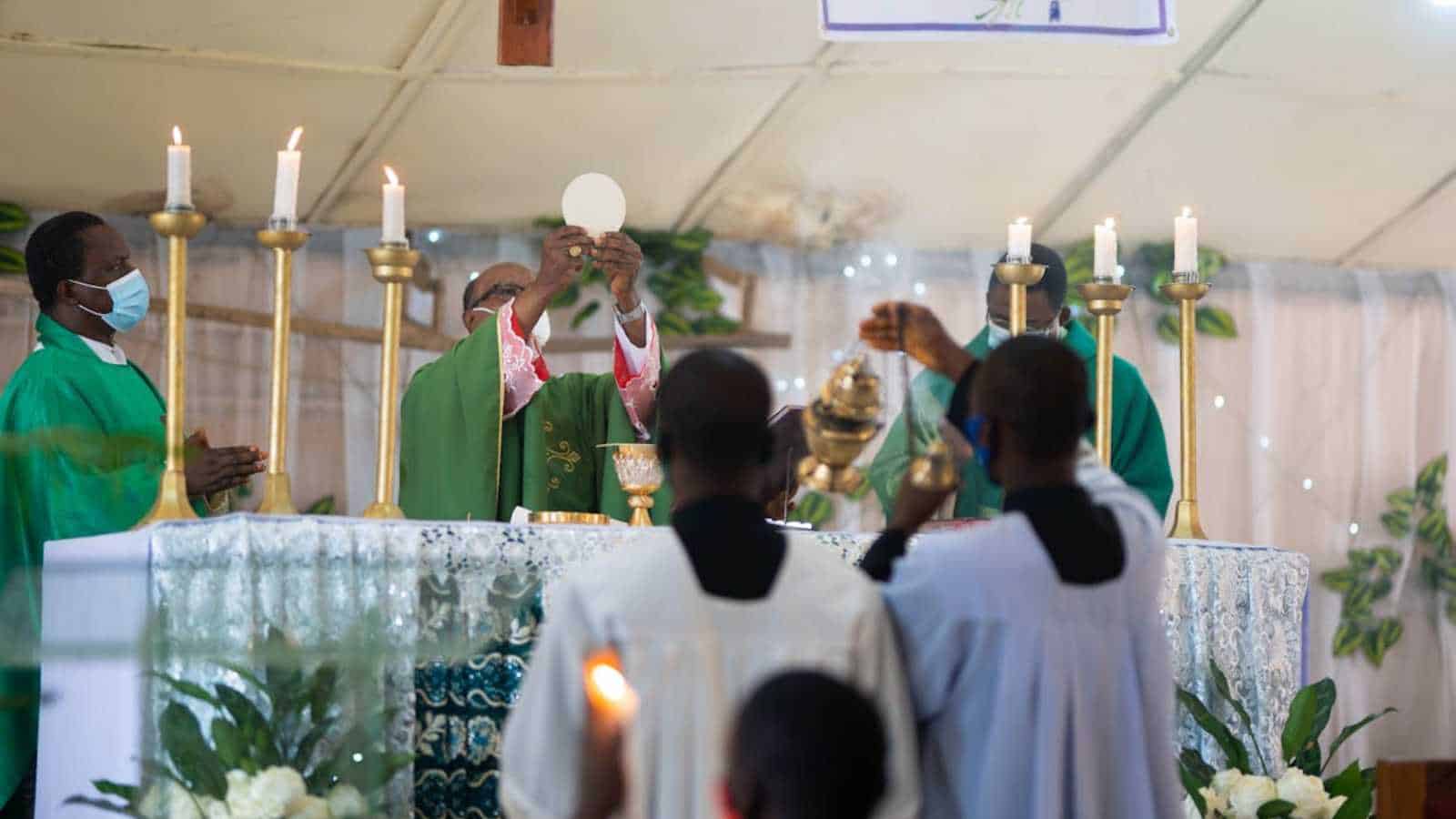
Here is the funny thing about old rituals: they can feel new when everything else feels disposable. The Traditional Latin Mass remains a small part of American Catholic life, since Pew found that only 2% of U.S. Catholics attend it at least weekly, but 13% have attended one within the last five years.
That tiny number still carries cultural weight because it points to a broader appetite for reverence, silence, kneeling, chant, veils, incense, and worship that does not feel like it was designed by a committee after too much coffee.
Notre Dame liturgy scholar Timothy O’Malley captured the mood well when he described a desire “to ground oneself in a tradition” during “modern instability.” A survey cited by The Atlantic found that 44% of Catholics who attended the old rite at least monthly were under 45, compared with 20% of other members in those parishes.
That does not mean every young Catholic wants Latin, but it does suggest that many people want worship that feels bigger than the room and older than the latest parish microphone problem.
The Eucharist gives faith a center
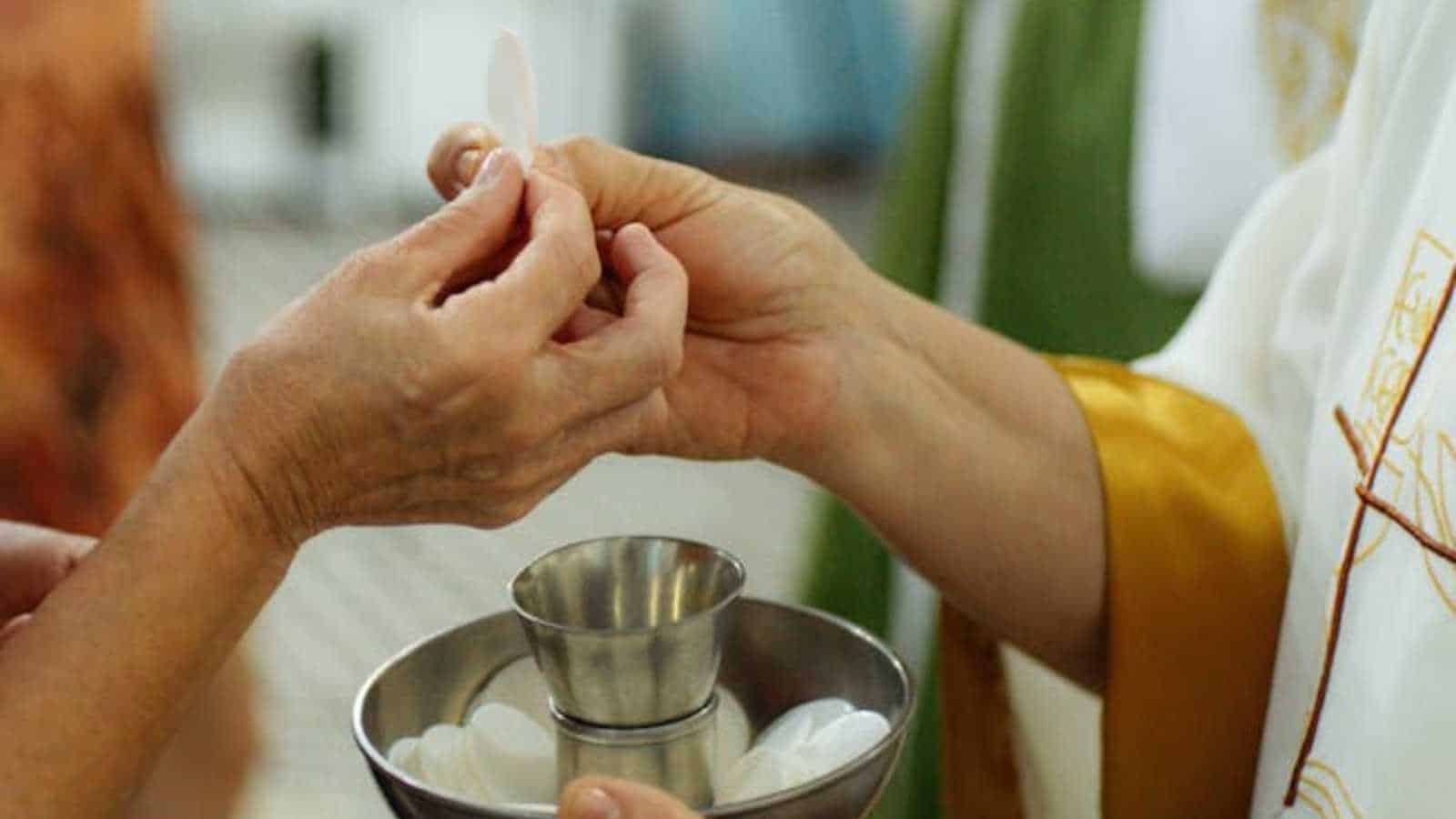
Full-fat Catholicism puts the Eucharist at the center, and that changes the whole mood. This version of faith does not treat Sunday Mass as a motivational seminar with kneelers. Pew found that 83% of weekly Mass-attending Catholics say receiving the Eucharist is essential to being Catholic, compared with 32% of Catholics who attend less often.
That difference explains why more people gravitate toward a thicker Catholic identity. A church built around the Eucharist gives seekers something concrete to approach, not just an inspiring idea to admire from a safe distance.
The 2024 National Eucharistic Congress drew 60,000 Catholics to Indianapolis, suggesting that sacramental devotion still has strong public energy in the United States. Apparently, people will travel for Jesus in the Eucharist, and yes, that beats traveling three hours for an overpriced brunch.
Confession answers guilt honestly
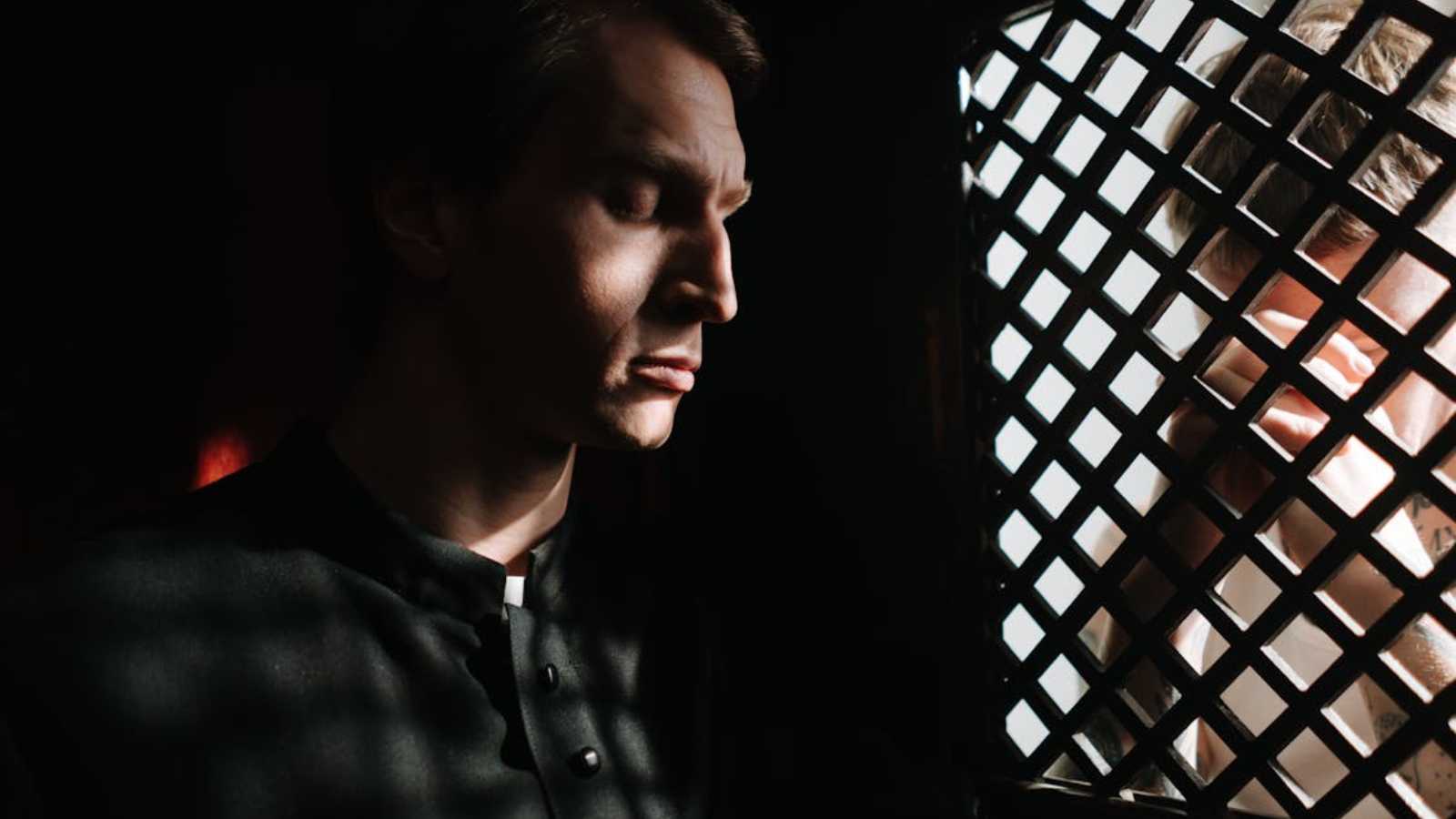
Modern culture often handles guilt in two exhausting ways: deny it completely or drown in it privately. Catholic confession offers a third path. Pew found that 23% of U.S. Catholics go to confession at least once a year, and that number rises to 53% among weekly Mass attenders, which shows how serious practice changes the spiritual rhythm of daily life.
That matters because people still carry shame, even when society tells them shame has gone out of style. Full-fat Catholicism does not pretend that sin vanished because everyone updated their vocabulary.
It gives people a place to name failure, receive absolution, and start again without turning every mistake into a permanent identity. Honestly, that feels healthier than pretending a notes app apology to yourself solves everything.
Community beats lonely individualism
The American loneliness problem has become hard to ignore. Harvard’s Making Caring Common project reported that 81% of lonely adults also said they suffered from anxiety or depression, compared with 29% of less lonely adults. The same research found that Americans blamed loneliness on technology, overwork, weak family time, individualism, and even lack of religious or spiritual life.
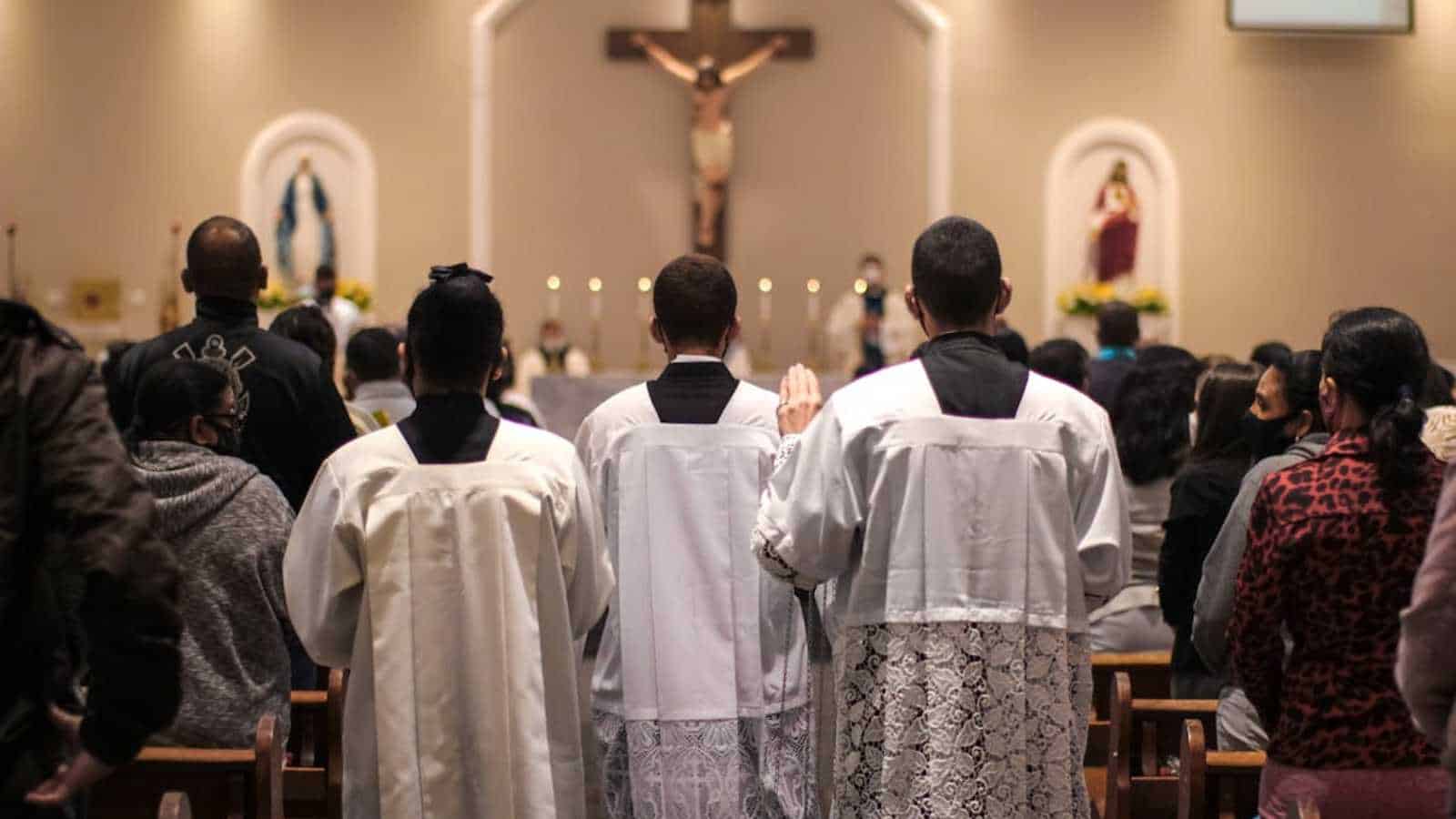
Full-fat Catholicism attracts people because it gives them built-in community through Mass, parish meals, Bible studies, adoration groups, service projects, feast days, and the awkward but useful experience of seeing the same people every week.
Pew found that about half of weekly Mass attenders participate in parish activities outside Mass or volunteer at least once a year, suggesting that committed Catholics often move beyond pew attendance to genuine social belonging. Isn’t that what many people say they want, minus the part where they have to actually show up?
Converts often practice with intensity

Converts can bring serious energy because they chose the faith as adults instead of inheriting it like a family casserole recipe. Pew found that 1.5% of U.S. adults are converts to Catholicism, and converts attend Mass weekly at a higher rate than cradle Catholics, 38% compared with 28%. They also receive Communion at a much higher rate every time they attend Mass, 58% compared with 34%.
That intensity makes full-fat Catholicism more visible because converts often ask the questions cradle Catholics stopped asking years ago. Why confession? Why Mary? Why fasting? Why all these feast days?
Their curiosity can wake up a parish faster than another committee meeting about folding chairs. Pew also found that 49% of converts cited marriage or a spouse as a key reason for conversion, reminding us that love still moves people toward religion in very practical ways.
Beauty offers a break from digital noise
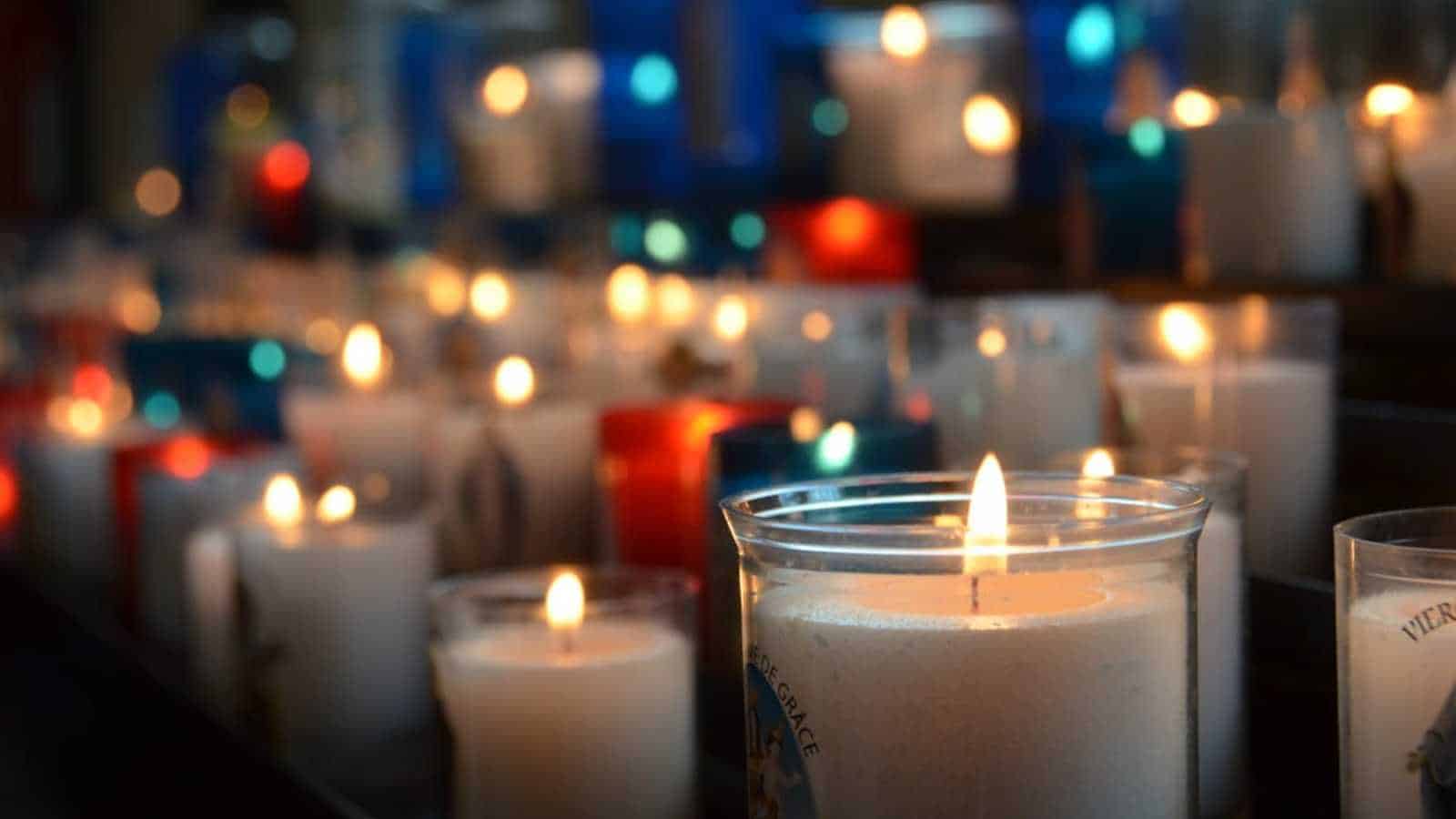
Catholicism has an unfair advantage in the beauty department. It has stained glass, chant, candles, statues, icons, incense, vestments, sacred architecture, and a calendar that turns time into spiritual drama.
When screens flatten everything into content, full-fat Catholicism gives people something physical, sensory, and stubbornly non-digital. That feels oddly radical when half of life now looks like a notification panel with snacks.
The data support the hunger behind that attraction. Harvard’s loneliness research found that 73% of surveyed adults selected technology as a contributor to loneliness in America, and 62% blamed overwork or exhaustion. Full-fat Catholic practice tells people to put the phone away, kneel, listen, sing, confess, receive, and sit in silence. For a generation trained to refresh every discomfort away, silence can feel terrifying at first, then strangely healing.
Catholicism feels global and rooted
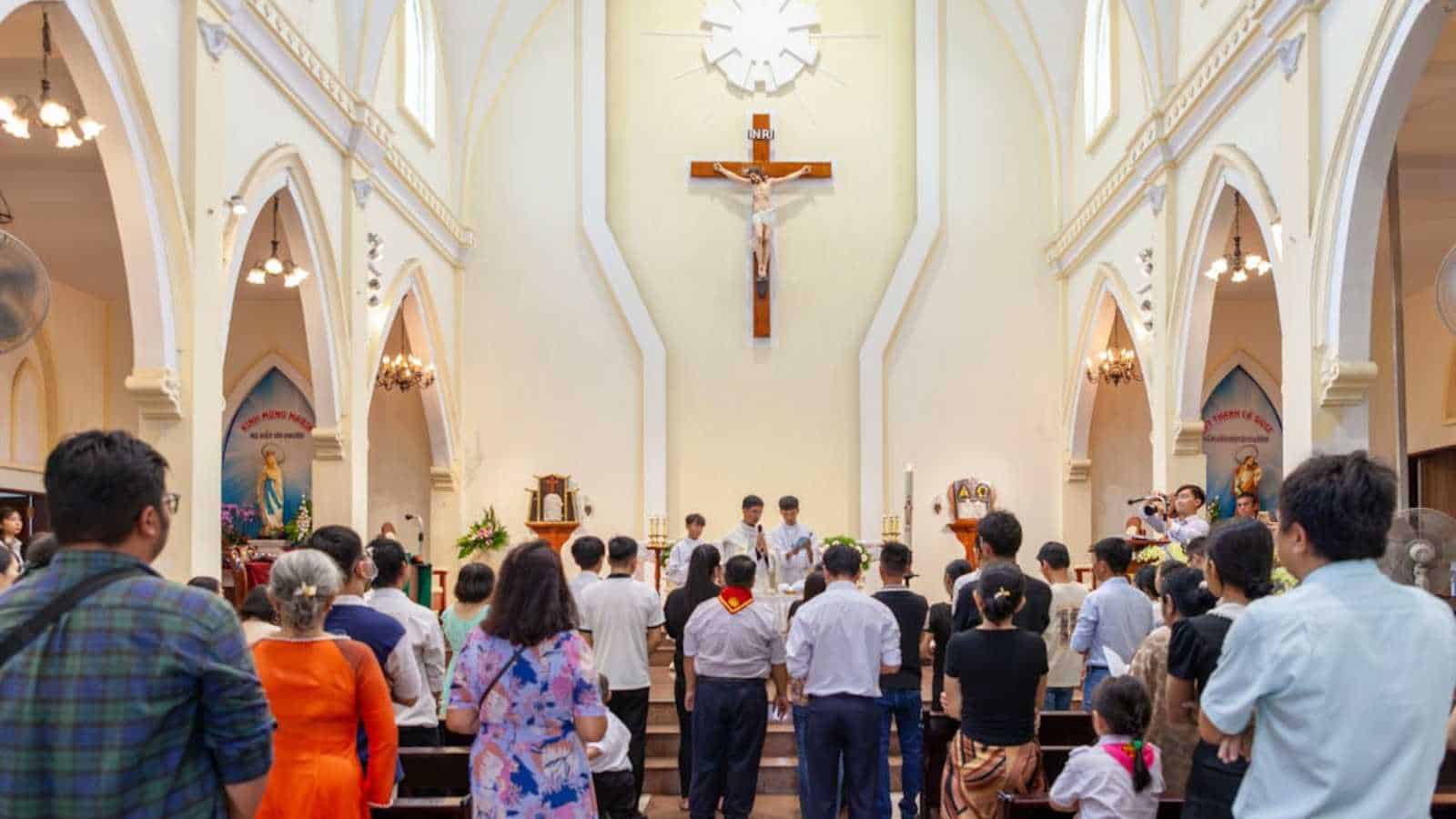
American seekers often like the idea of belonging to something bigger than their zip code. Catholicism gives them that without first asking them to invent a personal brand. Vatican statistics reported that the global Catholic population rose from about 1.39 billion in 2022 to 1.406 billion in 2023, and Africa’s Catholic population grew by 3.31% during that same period.
That global scale gives full-fat Catholicism a powerful emotional pull. A Catholic can attend Mass in Texas, Kenya, Poland, Mexico, or the Philippines and still recognize the same basic sacramental heartbeat.
The local parish may have bad carpet, questionable coffee, and one microphone that never works, but the faith itself stretches across continents and centuries. For people tired of isolated individualism, such rooted belonging feels rare.
Hispanic Catholic life keeps shaping America
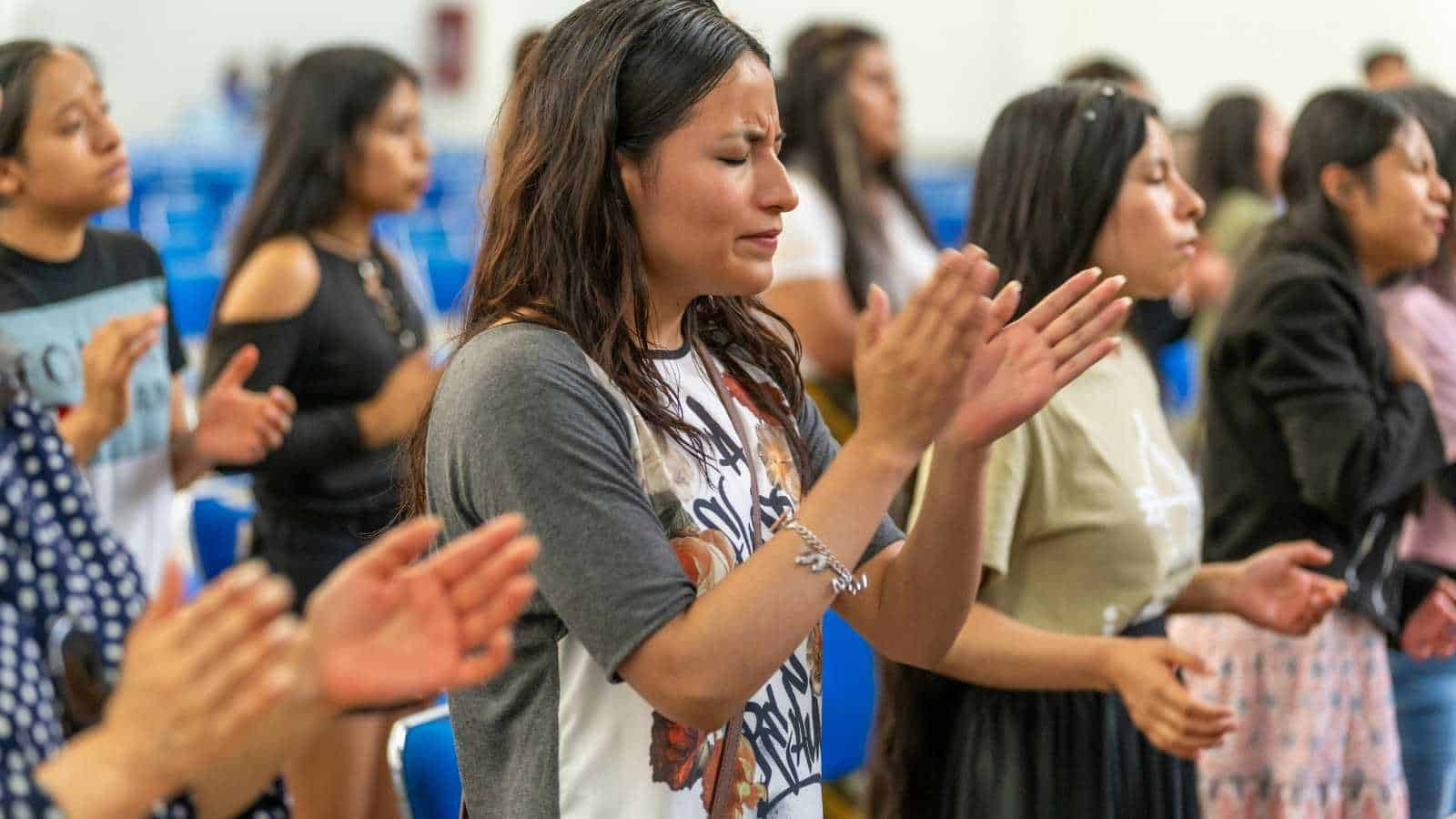
Any honest conversation about American Catholicism must talk about Hispanic Catholics. Pew found that 36% of U.S. Catholics are Hispanic, and 40% of Hispanic adults identify as Catholic by religion. That matters because Hispanic Catholic life brings devotions, family rituals, Marian spirituality, processions, feast days, candles, images, and public expressions of faith that keep Catholic practice visible in everyday American culture.
Full-fat Catholicism often feels natural in communities that never fully separated faith from home life. Prayer cards sit in wallets, statues stand in living rooms, Our Lady of Guadalupe appears on murals, and feast days do not feel like niche hobbies for liturgy nerds.
Pew also found that Hispanic Catholics report above-average rates of wearing or carrying religious items, practicing devotions to Mary or saints, praying the rosary, and lighting candles or incense. That is not skim milk religion. That is faith with seasoning.
The middle is getting less satisfying
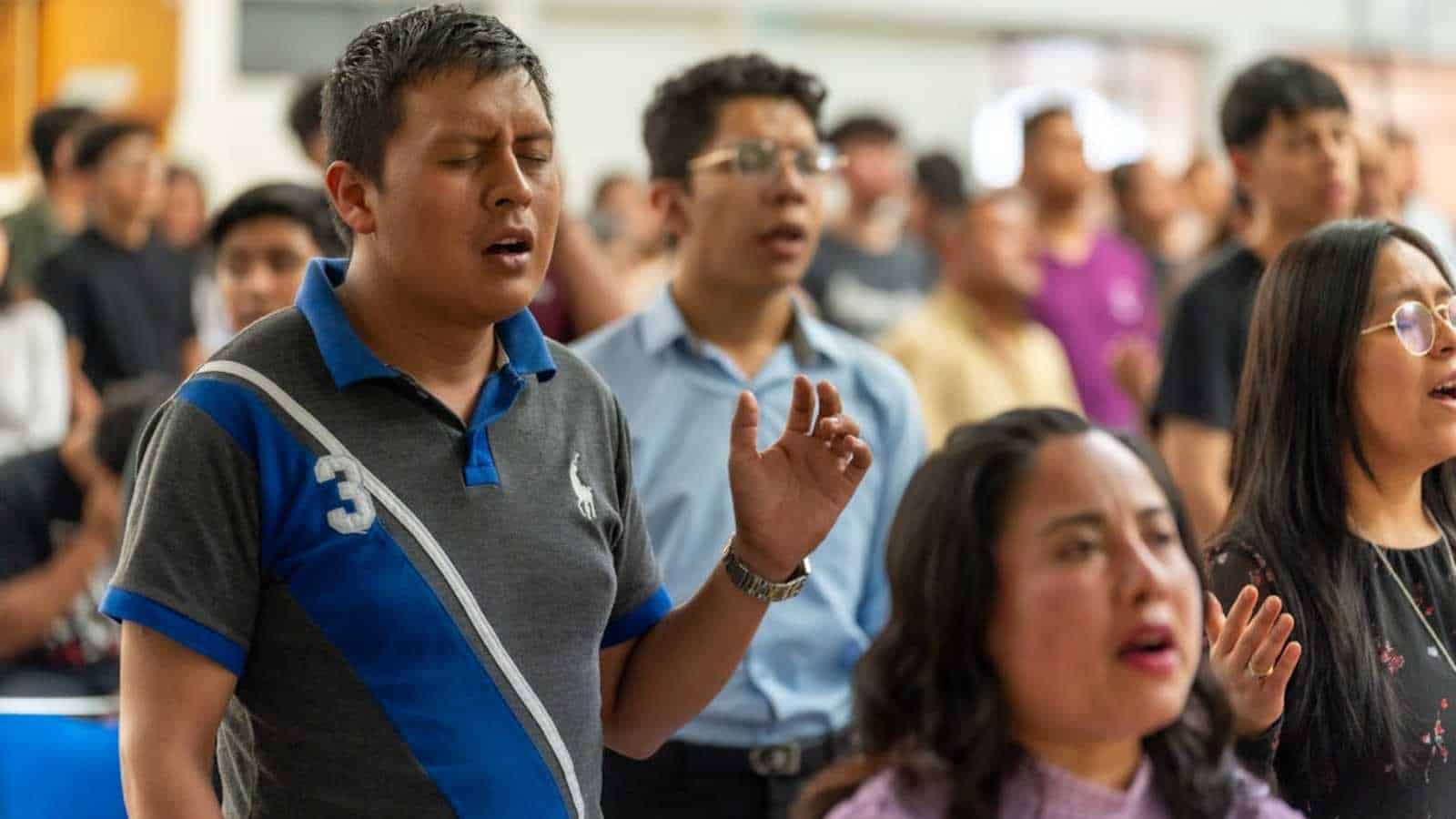
Pew’s Catholic data shows a large middle group. Only 13% of U.S. Catholics pray daily, attend Mass weekly, and go to confession yearly, and another 74% sit somewhere between high observance and low observance.
That middle can feel comfortable for a while, but some people eventually want more than a Catholic identity that appears mainly at weddings, funerals, and Christmas Eve parking chaos.
Full-fat Catholicism appeals because it does not hide the cost. It asks people to practice, not just affiliate. It turns Catholicism from a background label into a way of life with habits, obligations, feast days, fast days, saints, sacraments, and service.
Many seekers would rather wrestle with a demanding faith than float through a low-commitment version that offers nostalgia without transformation.
Revival comes in pockets

The smartest way to describe this trend is not “America suddenly became Catholic again.” That would sound dramatic, and honestly, the data would side-eye us.
Pew’s broader religious survey shows that 62% of U.S. adults identify as Christian, down from 78% in 2007, but the Christian share has hovered between 60% and 64% since 2019. The religious “nones” also plateaued around 29% after years of growth.
So what do we have? We have pockets of renewed seriousness. Gallup sees young men returning to higher levels of religious importance and attendance, Pew sees stable Catholic identity and deeply observant Catholic minorities, and Catholic observers now track local bumps in converts and parish participation.
The trend feels less like a stadium wave and more like candles lighting across different pews. Quiet? Yes. Meaningless? Not at all.
Key takeaway

More people are choosing full-fat Catholicism today because it gives them what vague spirituality often dodges: clear beliefs, ancient ritual, real confession, embodied worship, demanding community, beauty, moral structure, and a faith that feels bigger than personal mood. The data do not prove a sweeping national Catholic revival, but they do show serious signs of renewed interest among committed Catholics, converts, young men, Eucharistic communities, and tradition-hungry seekers.
The funny part is that Catholicism did not suddenly become trendy by trying to look trendy. It became interesting to many people precisely because it refused to become spiritual fast food. Maybe that is the lesson here: when everything gets lighter, thinner, quicker, and easier to abandon, some people start craving the full-fat thing.
Disclaimer: This list is solely the author’s opinion based on research and publicly available information. It is not intended to be professional advice.
Like our content? Be sure to follow us.