12 reasons I chose to be an evangelical Catholic
I did not choose evangelical Catholicism because I wanted a religious aesthetic; I chose it because I wanted a faith that could still wake me up. Pew Research reports that in the United States, 62% of adults still identify as Christian, yet 35% say they switched religions between childhood and adulthood, and Gallup reports that regular service attendance has fallen from 42% two decades ago to 30% now. Those numbers told me something simple: plenty of Americans keep some spiritual language, but far fewer keep a serious religious life.
When I say evangelical Catholic, I do not mean “Catholic with a fog machine and a branding strategy.” I mean a Catholic who wants a living relationship with Jesus, loves the Eucharist, trusts the Church, reads Scripture, and actually tries to share the Gospel, rather than treating faith like a private hobby nobody should mention at dinner. Pew found that 69% of U.S. Catholics say a personal relationship with Jesus is essential to being Catholic, and Pope Francis says the joy of the Gospel frees people from “inner emptiness and loneliness.” That combination of conviction and joy pulled me in hard.
I wanted Jesus at the center
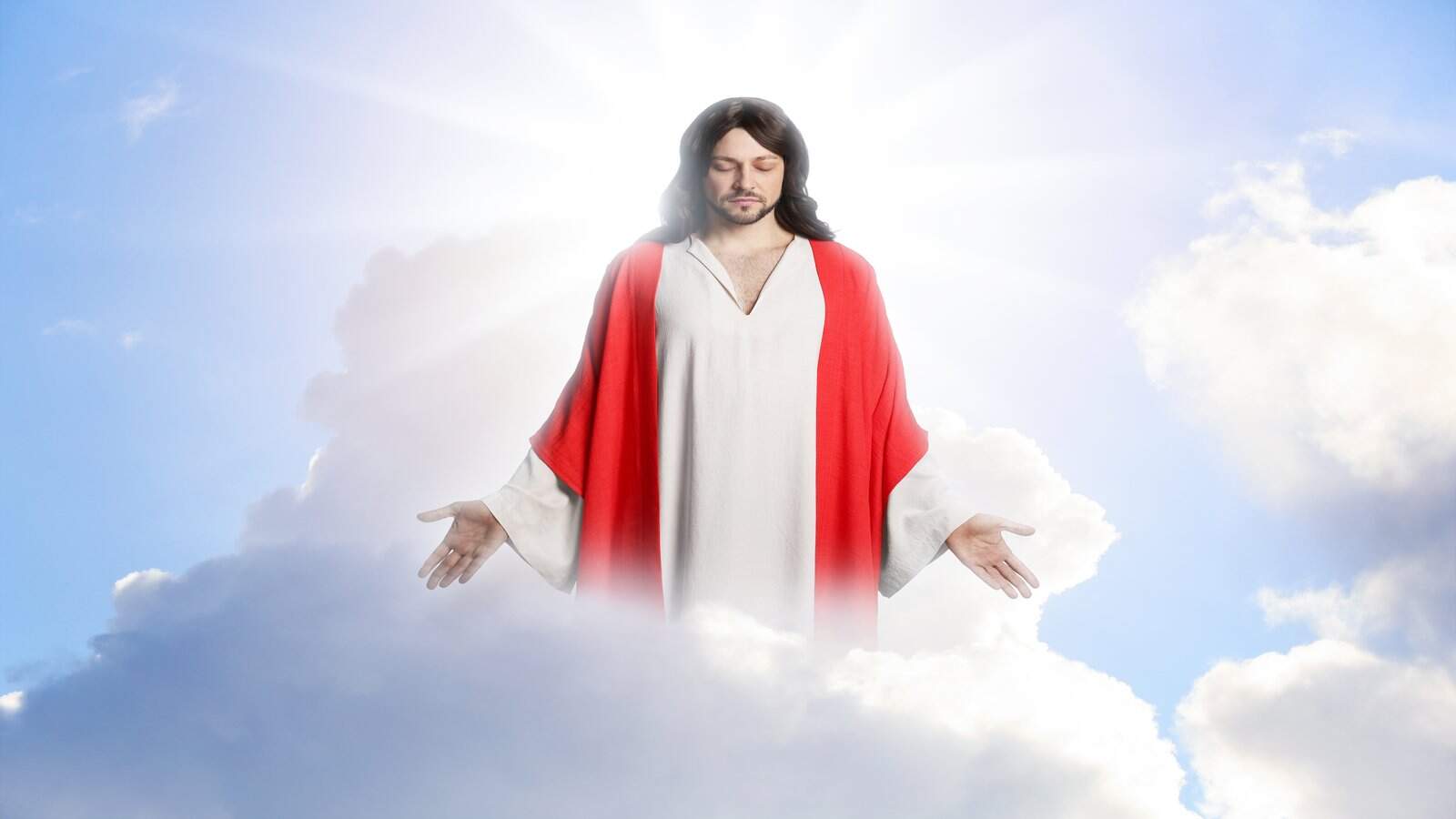
I chose evangelical Catholicism because I wanted more than a religious label and more than a vague admiration for “good values.” Pew found that 69% of U.S. Catholics say a personal relationship with Jesus is essential to their Catholic identity, and that number jumps to 91% among weekly Mass attenders, which tells me serious Catholic practice does not crowd Jesus out; it pushes Jesus to the center.
That matters to me because I never wanted a faith that talked endlessly about community, ethics, and tradition while whispering Christ’s name as if it were embarrassed. Ever notice how flat religion sounds when people praise spirituality but dodge the actual person of Jesus?
I wanted a Church that actually proclaims the Gospel
I chose evangelical Catholicism because I wanted a Church that still believes it should say something out loud. Pope Paul VI wrote that the Church “exists in order to evangelize,” and the USCCB says the New Evangelization calls Catholics to deepen faith and go forth to proclaim the Gospel. In a country where 35% of adults have switched religions, I do not think Christians help anyone by acting shy, vague, or weirdly apologetic about the Good News.
I wanted a Catholic life that refuses maintenance mode and says, with real nerve, that Jesus still matters in public, in private, and yes, even online, where everyone suddenly becomes a theologian after one podcast episode.
I wanted sacraments, not just inspiration

I chose evangelical Catholicism because I need more than encouragement, mood, and a weekly spiritual pep talk. Pew found that 46% of U.S. Catholics say receiving the Eucharist is essential to being Catholic, while about three in ten Catholics attend Mass weekly; weekly attenders say at much higher rates that the Eucharist stands at the heart of Catholic identity.
The USCCB calls the Eucharist the “source and summit of the Christian life,” and that language lands with me because I do not want grace to stay abstract. Motivation fades by Tuesday, stress barges in by Wednesday, and my own self-discipline can act like a part-time employee, but the sacramental life keeps showing up and feeding me anyway.
I wanted confession to stop my excuses

I chose evangelical Catholicism because confession forces me to stop editing my soul like a PR manager with a caffeine problem. Pew reports that 23% of U.S. Catholics go to confession at least once a year, while 47% say they never go, and that gap tells its own story about how easily people drift from accountability. I know my own habits well enough to admit that I can rename sin as stress, impatience as honesty, or selfishness as “protecting my peace,” which sounds impressive until it does not.
Confession cuts through that nonsense, names the wound, gives grace, and sends me back into life lighter, clearer, and much harder to fool.
I wanted Scripture and tradition in the same room

I chose evangelical Catholicism because I never liked the fake fight between Bible people and Church people. Vatican documents repeat St. Jerome’s blunt line, “Ignorance of Scripture is ignorance of Christ,” and Pew found that 23% of U.S. Catholics read the Bible at least monthly, while that figure rises to 45% among weekly Mass attenders.
That mix makes sense to me because Catholicism does not force me to choose between the Word of God and the community that preserved, proclaimed, and prayed those texts across centuries. Why settle for a thin either-or when I can live inside a faith that reads Scripture seriously, preaches it liturgically, and ties it to doctrine instead of turning every Bible verse into a solo project with a ring light?
I wanted devotion that trains my heart

I chose evangelical Catholicism because my heart needs training, not just information. A June 2025 Pew Research Center report found that 50% of U.S. Catholics say devotion to the Virgin Mary is essential to Catholic identity, 36% practice devotion to Mary or a favorite saint at least monthly, and 28% pray the rosary monthly, among weekly Mass attenders. The rosary figure rises to 55% and Marian devotion to 59%.
Those numbers do not make me think Catholics replace Jesus with side characters, contrary to the internet’s favorite hot take of the week. They remind me that Catholicism teaches love through repetition, memory, and tenderness, and honestly, I need that because a cold, hyper-analytical faith can fill the head and leave the heart standing outside in the rain.
I wanted a faith bigger than my mood

I chose evangelical Catholicism because I wanted belonging that outlasts my emotions, my schedule, and my occasional desire to turn every hard thing into a personal rebrand. Pew reports that 47% of U.S. adults have a personal or family connection to Catholicism, 20% currently identify as Catholic, and the Catholic share of the population has remained fairly stable since 2014, despite a long-term decline.
That tells me Catholicism still reaches far beyond the tiny bubble of highly online religion talk and touches families, memory, culture, and community across generations. On my bad days, that steadiness comforts me because I do not need a faith that mirrors my mood swings; I need a Church sturdy enough to carry me when my own momentum packs up and leaves town.
I wanted embodied worship, not abstract spirituality

I chose evangelical Catholicism because God made me a body, not a floating brain with opinions. Pew found that 44% of Catholics wear or carry religious items monthly, 36% practice devotions monthly, and 17% light candles or incense for spiritual reasons. This sounds very normal to anyone who knows human beings learn through touch, sight, smell, rhythm, and ritual.
Catholic worship gives me water, oil, kneeling, bread, wine, bells, silence, and seasons, and all of that helps faith move from idea to habit. Why would I pretend I can love God only through concepts when the Incarnation itself tells me God gladly reaches people through matter, gesture, and beauty?
I wanted mercy that spills into real life

I chose evangelical Catholicism because I do not trust any spiritual life that never reaches the poor, the lonely, or the person right in front of me. Pew says 47% of U.S. Catholics view helping the poor and needy as essential to being Catholic, and the USCCB quotes Pope Benedict XVI with a line I cannot ignore: “A Eucharist which does not pass over into the concrete practice of love is intrinsically fragmented.” That sentence hits like a brick in the best way because it refuses the fake split between adoration and action.
I wanted a faith that lets the altar shape my street-level behavior, not a polished religious routine that leaves my neighbors hungry while I congratulate myself for having nice opinions.
I wanted authority and continuity, not constant reinvention

I chose evangelical Catholicism because I got tired of the modern habit of reinventing everything every five minutes and calling that freedom. According to Pew Research Center, 33% of Catholics say the leadership of the pope is essential, and 32% say being part of an unbroken tradition going back to the apostles is essential; among weekly Mass attenders, that figure rises to 61%.
I find that deeply reassuring because every era acts like it discovered confusion, scandal, doubt, politics, sex, money, and power for the first time, which feels adorable until you remember history exists. I wanted a Church that remembers what came before me, answers to more than my preferences, and refuses to rebuild Christianity every time the culture updates its software.
I wanted serious practice in a distracted country

I chose evangelical Catholicism because America does distraction like an Olympic sport, and I needed a faith strong enough to fight back. Gallup reports that weekly or nearly weekly service attendance among U.S. adults has fallen to 30%. Pew reports that 40% of Americans attend religious services less often than they did as children.
Inside Catholicism, Pew found that only 13% of Catholics combine daily prayer, weekly Mass, and annual confession, while another 40% do none of those three things, which frankly makes the case for intentional practice better than I ever could. I did not want casual Catholicism, cultural Catholicism, or “I’m spiritual but please do not inconvenience me” Catholicism; I wanted habits that reorder my life before my phone does.
I wanted joy with a job description

I chose evangelical Catholicism because I wanted joy that actually moves, serves, invites, and speaks. Pope Francis says the Gospel’s joy fills lives and that “all the baptized… are agents of evangelization,” while the USCCB repeats that the New Evangelization calls every Catholic to renew a relationship with Christ and then share Him.
That vision grabbed me because I never wanted faith to shrink into private comfort or personal branding with saint quotes layered over sunset photos. I wanted a Catholic life that says joy has a mission, baptism has consequences, and every Christian carries some responsibility to witness, even when that witness starts with something small, like one honest conversation, not a dramatic rooftop sermon with wind effects.
I wanted a faith that still makes sense when people leave

I chose evangelical Catholicism with open eyes, not because I missed the headlines about disaffiliation, scandal, or apathy. Pew shows that 54% of former Catholics now identify as religiously unaffiliated, 96% seldom or never attend Catholic Mass, and 94% seldom or never pray the rosary or practice devotion to Mary or the saints. This tells me drifting away rarely happens in one dramatic leap; people usually slide through habits first.
Those numbers do not make me smug, and they should not make any Catholic smug either. They make me choose more deliberately, because I want a faith I actually practice, defend, love, and hold on to, not a faith I inherit, neglect, and later describe in the past tense.
Key takeaway

I chose to be an evangelical Catholic because I wanted Jesus, the sacraments, Scripture, mission, mercy, tradition, and real practice to sit in one coherent life. The recent data backs up the stakes: Americans still hunger for meaning, but attendance, commitment, and formation keep slipping, which makes intentional Catholic discipleship feel less quirky and more necessary.
So yes, I chose Catholicism with a missionary pulse and a sacramental spine, and I have zero interest in pretending that faith should stay quiet, weightless, or politely invisible. If the Gospel really brings joy, why would I whisper it?
Like our content? Be sure to follow us.