13 things no one tells you about ending a marriage after decades together
A 30-year marriage doesn’t end like a bad date. It ends like a house losing power room by room.
First, it’s the quiet dinners. Then the separate routines. Then the polite smiles at family gatherings. After decades of holidays, shared bills, old photos, grown children, and coffee mugs with history in the stains, someone finally says the sentence that changes the family map.
And this is happening more than many people think. Pew Research Center found that 22% of U.S. divorces in 2023 involved marriages that had lasted 25 years or longer, while CDC data recorded 672,502 divorces across 45 reporting states and Washington, D.C. that same year.
So late-life divorce is no longer some rare headline or celebrity drama. It has moved into ordinary homes, right beside retirement plans, adult children, paid-off furniture, and the tender, terrifying question of what life should look like after the old story ends.
“Gray Divorce” Is a Growing Trend

Gray divorce used to sound like a headline for someone else’s family, but the numbers tell a different story. Pew Research Center reports that the overall U.S. divorce rate fell from a peak of 22.6 divorces per 1,000 married women around 1980 to 14.4 in 2023, yet divorce among adults 50 and older moved in the opposite direction for decades.
For that older group, the rate rose from 3.9 divorces per 1,000 married women in 1990 to 11.0 in 2008, then stayed high at 10.3 in 2023. Bowling Green State University’s family research also shows that divorce rates fell for ages 15 to 44 from 1990 to 2023, but rose for people 45 and older, with the largest percentage increase among those 65 and up.
Purdue University’s Rosie Shrout links part of the shift to longer lives, greater access to no-fault divorce, and women’s stronger educational and work histories compared with past generations. In plain English, more people reach their 50s or 60s and decide they do not want to spend the rest of their lives inside a marriage that has gone cold.
Many Long-Married People Are Happier After Divorce

The old story says divorce after decades leaves people lonely, bitter, and lost forever, but the research is far less tidy. A 2025 “Beyond the Break” report from NOON, Mishcon de Reya, and Julius Baer International found that 31% of divorced midlife women said they were the happiest they had ever been, with many linking that happiness to freedom, confidence, independence, and optimism.
A separate Australian study published in the Journal of Happiness Studies tracked more than 1,400 divorced or separated women and compared them with more than 2,500 women who stayed partnered.
Lead author Olivia Arcangeli said, “within three to four years, divorced and separated women returned to their pre-dissolution levels of life satisfaction.” That does not mean divorce feels like a spa weekend with paperwork.
It means some people spend years carrying a marriage like a stone in their coat, then discover the air feels different once they finally put it down.
The Financial Hit Is Real and Often Worse for Women

Emotional relief can arrive with a very sharp bill. The same Beyond the Break report found that 65% of midlife women feared for their finances after divorce, yet 91% did not seek financial advice, and only 29% understood their financial situation before the divorce.
That is a scary gap because long marriages often include pensions, homes, retirement accounts, tax issues, business interests, inherited money, and years of unpaid caregiving that never showed up as a paycheck.
Patricia Astley, relationship manager at Julius Baer International, said “many midlife women are navigating profound financial and emotional crossroads,” and that line captures the split-screen reality: freedom on one side, financial fog on the other.
Research by Susan L. Brown and I-Fen Lin also found that after gray divorce, women’s standard of living fell by 45%, compared with 21% for men, while both men and women saw wealth decline by about half. So yes, a person can feel lighter and less secure at the same time.
The Reasons Are More About Slow Drift

A decades-long marriage rarely breaks in one clean snap. Sometimes there is an affair, and Beyond the Break found that 28% of divorced midlife women said the marriage ended because a spouse had an affair or left for another partner.
Sometimes the reason is darker, with 27% citing abuse or domestic violence, and divorced women reporting higher rates of controlling behavior, domestic violence, and mental abuse than women who had not divorced. But 23% also cited growing apart or falling out of love, suggesting a quieter kind of ending.
It is the slow leak, not the explosion. It is years of sleeping beside someone but feeling miles away, years of eating dinner across from a person who no longer asks the right questions, years of waiting for retirement or the empty nest to fix what daily life keeps revealing. The “last straw” may look small to outsiders, but it often rests on a whole attic full of old hurt.
The Kids Are Grown but Still Deeply Affected

Many couples wait until the kids are adults, thinking that age will soften the blow. It can help in some ways, but it does not make the family immune. A 2024 study in The Gerontologist used longitudinal German Family Panel data from 2008 to 2020 and followed 9,092 adult children, including 606 who experienced parental divorce during the study period.
The researchers found that gray divorce changed parent-child bonds in uneven ways: adult-child solidarity often intensified for mothers but eroded for fathers, with fathers facing a higher risk of social isolation. That matters because adult children do not just hear, “Mom and Dad are separating.”
They may feel the floor move under decades of family memory. Holidays need new maps. Grandchildren ask new questions. One parent may lean too hard. Another may vanish into pride or shame. The children are grown, yes, but grown people can still grieve the house they thought would always stand.
Retirement Plans Get Completely Redrawn

Divorce at 55, 60, or 65 does not land on a blank financial page. It lands right where retirement plans were supposed to be getting calmer. The Pension Rights Center says retirement benefits can be one of the largest assets in a divorce and can serve as a major source of income in old age, especially for older divorced women, who face a higher poverty risk than men or married women.
It also warns that retirement plans are often overlooked because divorce can occur years before retirement, and a divorce decree alone may not be enough to secure a share of a pension or 401(k) without a Qualified Domestic Relations Order (QDRO).
That is where the romance of “starting over” meets the cold math of decades. A couple may have planned to downsize, travel, help grandchildren, or stop working at 62. After divorce, one person may need a smaller home, another may delay retirement, and both may have to rebuild a plan that once assumed two incomes, one roof, and shared old age.
Social Circles and Friendships Often Reorganize

When a long marriage ends, the friend group often changes shape, too. The dinner invitations slow down. A couple of friends choose sides without saying they are choosing. Some people disappear because divorce scares them, as if it might be catching.
Research on adult children after gray divorce already shows how family support can tilt toward mothers and leave fathers more isolated, and broader well-being research keeps pointing to social support as one of the strongest buffers after a split. Beyond the Break found that 57% of divorced midlife women said they lacked the financial, emotional, or social support they needed beyond legal advice.
That support gap matters because divorce after decades is not just losing one person. It can mean losing the rhythm of weekends, holiday tables, shared friends, in-laws, neighbors, and the small social routines that hold life together.
Then, slowly, new circles form: walking groups, work friends, old classmates, faith communities, online groups, therapy circles, book clubs, and the one friend who texts at the exact right hour.
Emotional Recovery Often Takes Years

Healing after a long marriage does not move in neat steps. It loops. It stalls. It surprises you at the grocery store when a song from 1998 starts playing over the speakers. The Australian Longitudinal Study on Women’s Health followed women through nine waves and found that life satisfaction was stable before separation, dropped around the breakup, then rose in the long term.
Newswise’s coverage of the study reports that the women returned to their pre-dissolution life satisfaction within three to four years, and University of Adelaide psychology lecturer Dr. Anastasia Ejova said the divorced and separated women matched partnered women’s life satisfaction about 13.5 years later, then grew somewhat faster.
The study also found that women with strong social support, a sense of control, and better income satisfaction adjusted better after separation. So the recovery story is not “sad, then happy.” It is grief beside relief, nostalgia beside anger, fear beside a strange little spark that says life is not finished yet.
Gender Gaps Shape Who Thrives and Who Struggles

Gray divorce can free one person and flatten another, and gender often shapes that split. Brown and Lin’s research shows women take the larger living-standard hit after gray divorce, with a 45% decline compared with 21% for men, yet men can face harsher social fallout if the marriage was their main emotional home.
The 2024 parent-child study found that gray divorce often strengthens adult children’s ties with mothers while weakening contact and emotional closeness with fathers, which can leave men more exposed to isolation after the split.
Purdue’s Rosie Shrout added another piece of the puzzle when she said, “Men, however, are more likely to remarry sooner after divorce than women.” That tracks with a common pattern: some men rebuild through a new romantic partner, while many women rebuild through friends, family, independence, and routines they control.
None of this means women always thrive or men always struggle. It means the same divorce can hand one person freedom, another person loneliness, and both people a version of life they did not practice for.
The Legal Process Can Feel Misaligned With the Emotional Reality

The legal system can make a 35-year marriage feel strangely flat. You bring in a life full of birthdays, hospital rooms, children, arguments, Sunday pancakes, betrayals, vacations, mortgage payments, and old forgiveness.
The process requires pensions, bank statements, debts, property values, tax records, and settlement terms. Beyond the Break found that 59% of divorcing midlife women engaged a divorce lawyer or solicitor, yet 91% did not seek financial advice, and 57% said they lacked support beyond legal advice. That mismatch can create real harm.
Someone may feel emotionally certain about leaving but financially underprepared for what comes next. Another person may accept the house because it feels safe, only to discover that the taxes, repairs, and retirement trade-offs make it a heavy price.
After decades together, fairness cannot depend only on who remembers the marriage most painfully. It has to survive paperwork, math, timelines, and the future cost of being single.
Workplaces and Careers Are Quietly Affected
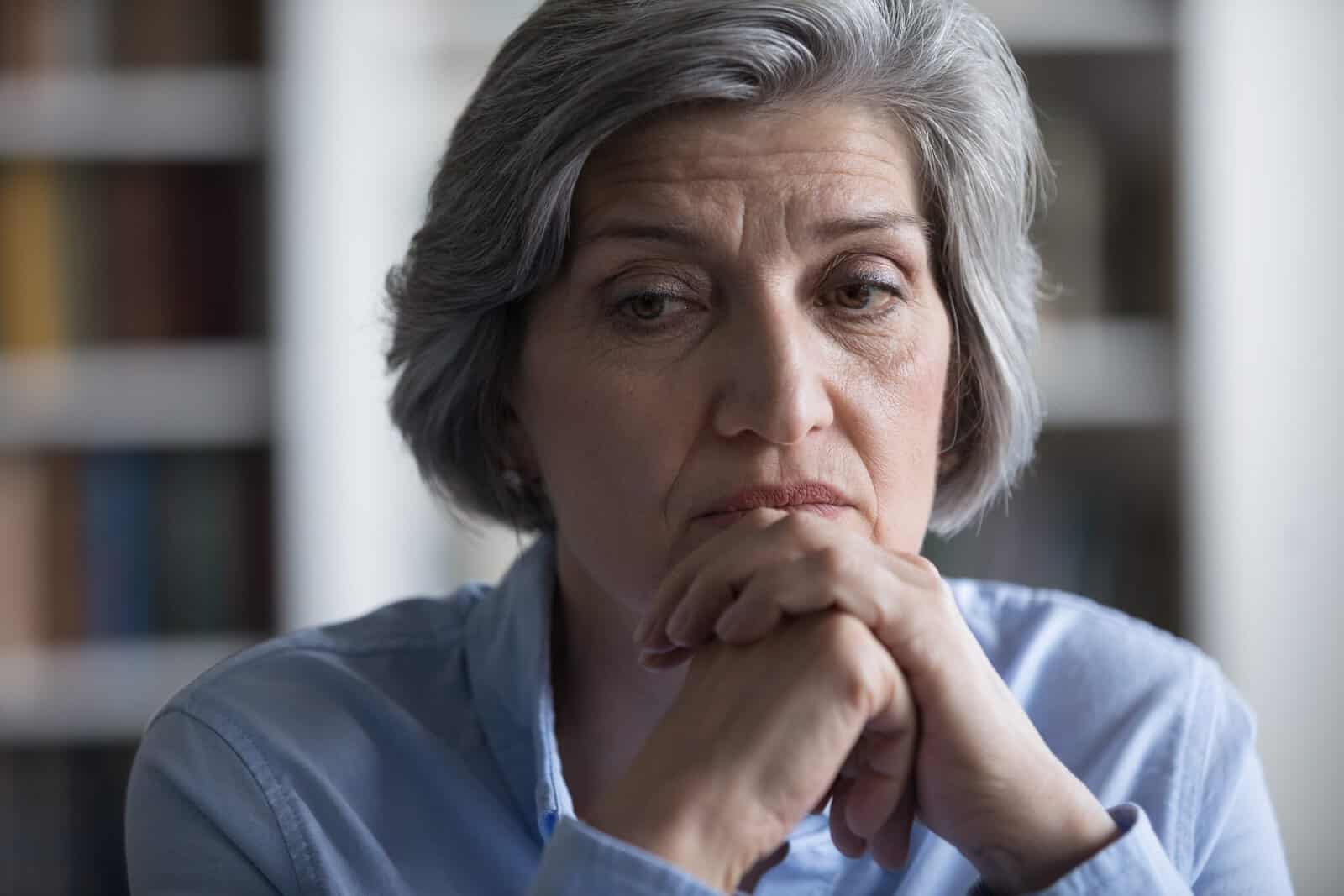
A late-life divorce does not politely stay home during business hours. It follows people into meetings, inboxes, performance reviews, retirement talks, and those blank moments when a person stares at a screen but cannot absorb a sentence.
This matters more now because older Americans make up a larger share of the workforce. The U.S. Census Bureau reported in 2025 that workers aged 55 or older were the fastest-growing age group in the labor force for more than two decades and accounted for 24% of the U.S. workforce in 2022, up from 10% in 1994.
So more people are handling high-stakes personal splits during the same years they hold senior jobs, lead teams, care for aging parents, or plan retirement exits. Beyond the Break’s finding that 57% of divorced midlife women lacked enough financial, emotional, or social support helps explain the career spillover.
Some delay retirement. Some take extra work. Some step back from leadership. Some sit in a car outside the office, breathing through another lawyer’s email before walking in with a normal face.
There Really Is Life and Love After a Long Marriage

Starting over after decades can sound terrifying until you remember that “over” and “finished” are not the same word. Purdue’s 2025 gray divorce coverage notes that longer life expectancy helps explain why more older adults leave unhappy marriages: people may still have 30 or 40 years ahead of them, and some do not want to spend those y ears in emotional winter.
The Australian study adds a useful check on the fairy-tale version of reinvention: it found that re-partnering did not significantly improve post-divorce life satisfaction for Australian women in the sample, and researchers noted that the benefits of re-partnering may be more evident for men. That is quietly powerful.
It means life after a long marriage does not need to end with a new wedding photo to count as a recovery. It can look like a one-bedroom apartment full of peace, a first solo trip, a new job, a grandchild’s soccer game, a garden, a late-life degree, a softer morning, or a love that arrives without needing to rescue anyone.
The Story of the Marriage Doesn’t Become “Fake” Because It Ends

This may be the hardest truth and the kindest one. A marriage can be real and still end. Pew Research Center found that 22% of divorces in 2023 involved marriages that lasted 25 years or longer, and the median length of marriages ending in divorce rose from 10 years in 2008 to 12 years in 2023.
Those numbers matter because they push back against the cruel idea that a marriage becomes a waste if it does not last until death. A relationship can raise children, build a home, care for parents, survive illness, pay bills, share laughter, and still reach a place where staying costs too much.
The ending does not erase the good years. It does not turn every anniversary into a lie. It simply means the story changed shape. For many people leaving after decades, healing begins when they stop imposing a single verdict on the whole marriage. It was real. It mattered. It ended. All three can sit in the same room.
A Short Reflective Close

Ending a decades-long marriage is not a small door closing. It is a house being sorted room by room, memory by memory, bill by bill.
CDC data shows hundreds of thousands of divorces still happen each year, and Pew’s 2023 numbers show nearly a quarter of divorces come after 25 years or more together. That is a lot of people learning how to say goodbye to a shared life without throwing the whole past into the fire.
The bravest version of this story is not pretending it doesn’t hurt. It is admitting that a life can break open late and still have light left in it.
Key Takeaways

- Gray divorce has grown even as overall divorce rates have fallen, with Pew Research Center reporting that the divorce rate among adults 50 and older rose from 3.9 in 1990 to 10.3 in 2023.
- Some people feel happier after midlife divorce, especially women leaving unhappy or harmful marriages, but the financial risk can be steep.
- Women often face sharper financial losses after gray divorce, while men may face deeper social isolation, especially if family ties weaken after the split.
- Adult children can still feel shaken, even if they are grown, because a long marriage often holds the family’s shared identity.
- Retirement, work, friendships, housing, and health plans may all need to be rewritten after a late-in-life divorce.
- A long marriage does not become meaningless because it ends. Sometimes the most honest sentence is also the most human one: it was real, and it is over.
Disclaimer – This list is solely the author’s opinion based on research and publicly available information. It is not intended to be professional advice.
Like our content? Be sure to follow us