12 ways to show your dog you love them in a language they understand
Your dog may never understand the words “I love you,” but that does not mean the message goes unheard.
Dogs pay close attention to far more than spoken language. They notice who fills their food bowl, patiently waits while they sniff the same patch of grass for several minutes, and stays nearby when a thunderstorm sends them looking for comfort.
They also read your tone of voice, body language, facial expressions, and daily routines. To a dog, love is expressed through consistency, safety, affection, and shared experiences rather than words alone.
Research published in Science found that positive interactions between dogs and their owners, including gentle eye contact and affectionate touch, can increase oxytocin, often called the “bonding hormone,” in both humans and dogs. Higher oxytocin levels are associated with stronger social bonds, trust, and feelings of attachment.
Here are 12 meaningful ways to show your dog you love them in a language they naturally understand.
Pay Attention to What Their Body Is Saying
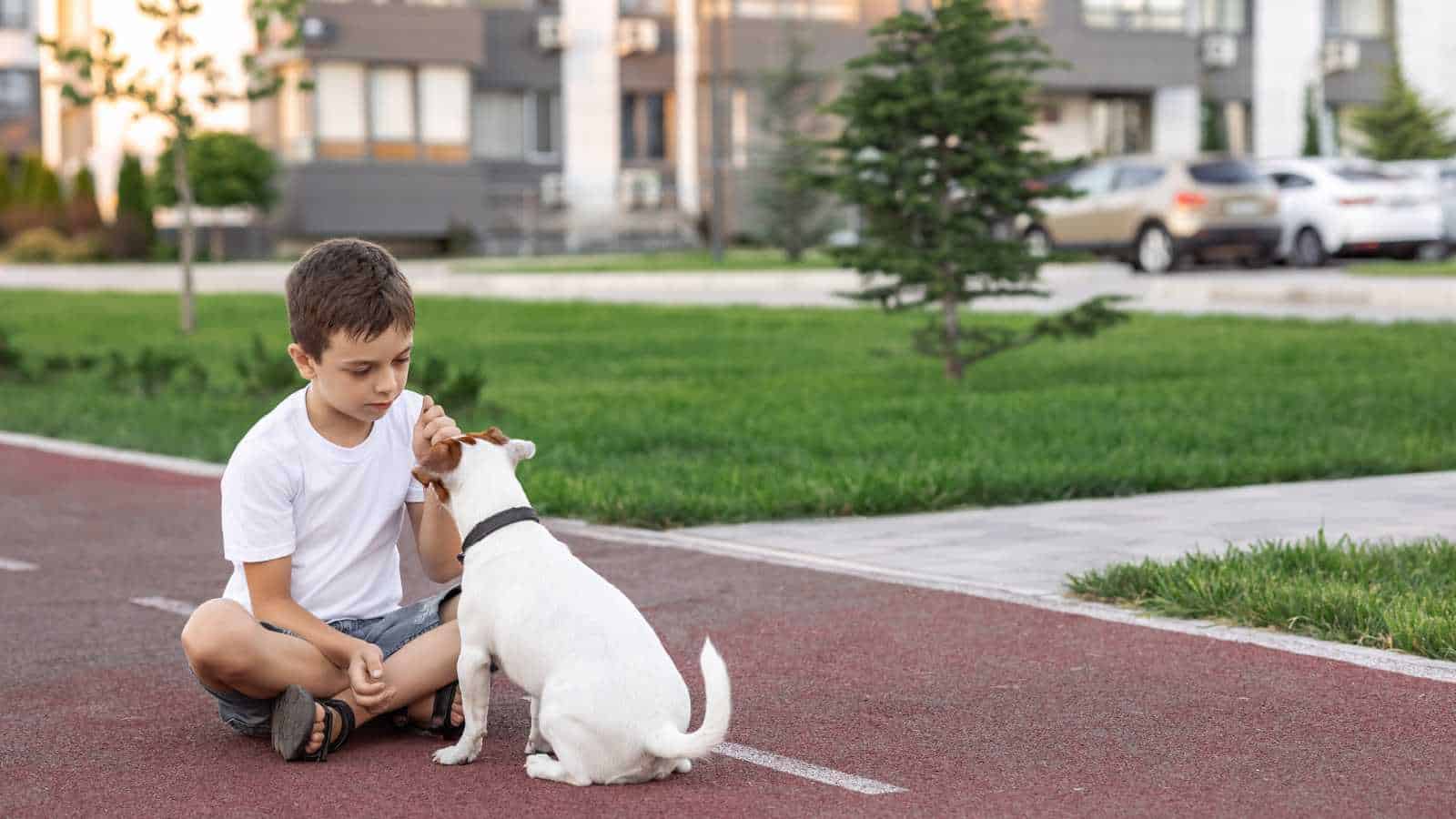
Dogs communicate constantly, even when they are completely silent.
A wagging tail does not always mean happiness. Depending on its height, speed, and stiffness, it can also signal excitement, uncertainty, or tension. Ears held back, repeated lip licking, yawning, freezing, turning away, and showing the whites of the eyes may indicate that a dog feels uncomfortable.
On the other hand, soft eyes, a loose body, relaxed ears, and easy movements usually suggest that a dog feels safe.
Learning these signals changes the way you interact with your pet. Instead of assuming they want to be touched, approached, or introduced to someone, you can first observe their reaction.
This matters because dogs cannot politely say, “I’m feeling overwhelmed, so I’d rather not meet your cousin’s enthusiastic toddler right now.”
When you notice and respond to your dog’s body language, you show them that their feelings matter. That kind of understanding creates trust far more effectively than forced affection ever could.
Touch Them in Ways They Actually Enjoy
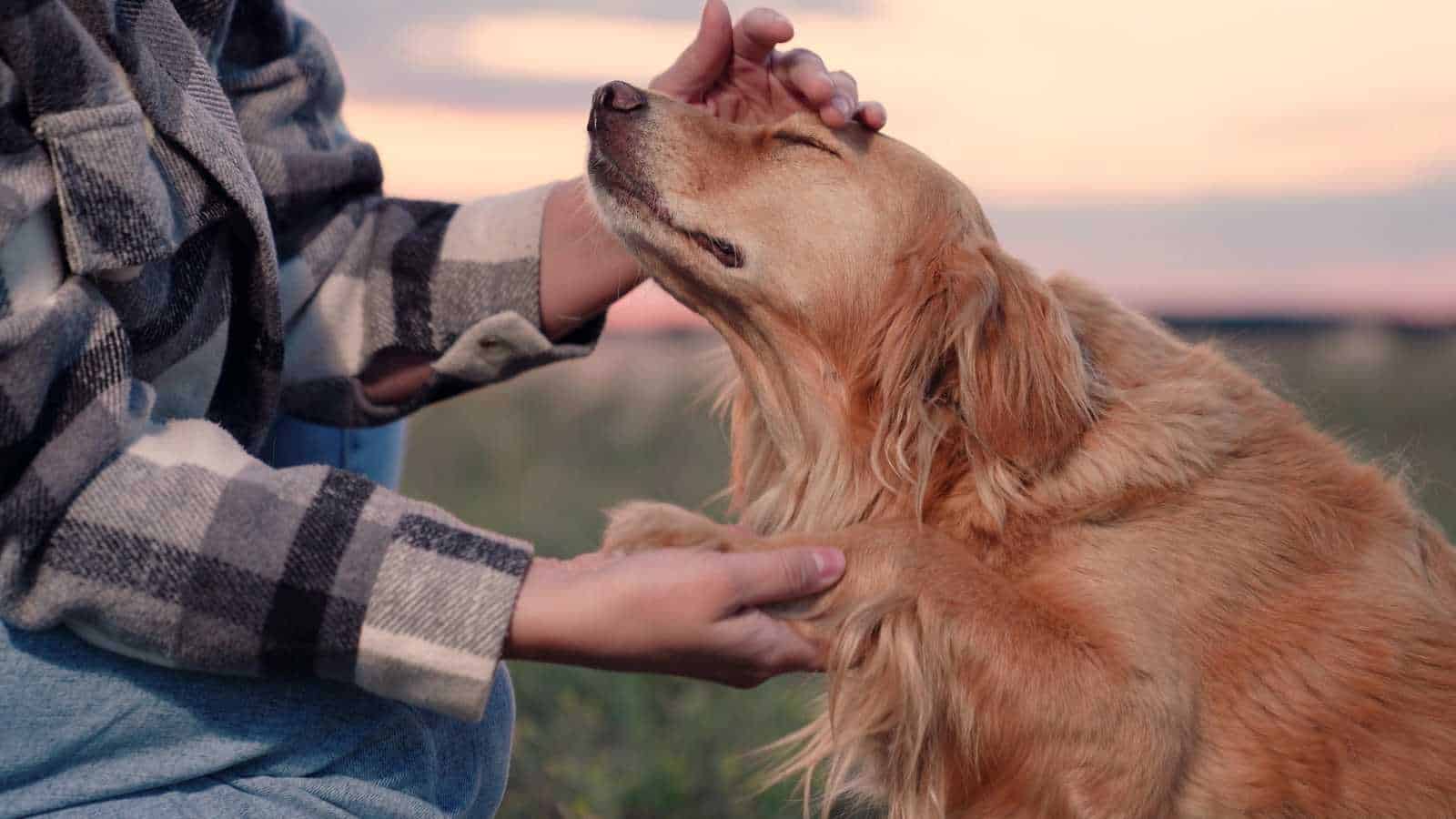
Physical affection can be comforting, but dogs have preferences just like people do.
Some adore belly rubs. Others prefer a slow scratch behind the ears or gentle strokes along the chest. A few are happiest sitting close without being touched at all.
Watch what happens when you pet your dog. Do they lean toward you, relax their muscles, close their eyes, or nudge your hand when you stop? Those are encouraging signs.
A Nature report on human-animal interaction shows that gentle physical contact between dogs and humans can foster bonding and reduce stress. If they stiffen, turn their head, move away, lick their lips, or lower their ears, give them space.
Real affection is not about touching your dog whenever you feel like it. It is about discovering what makes them comfortable and respecting the answer.
Give Them Your Full Attention
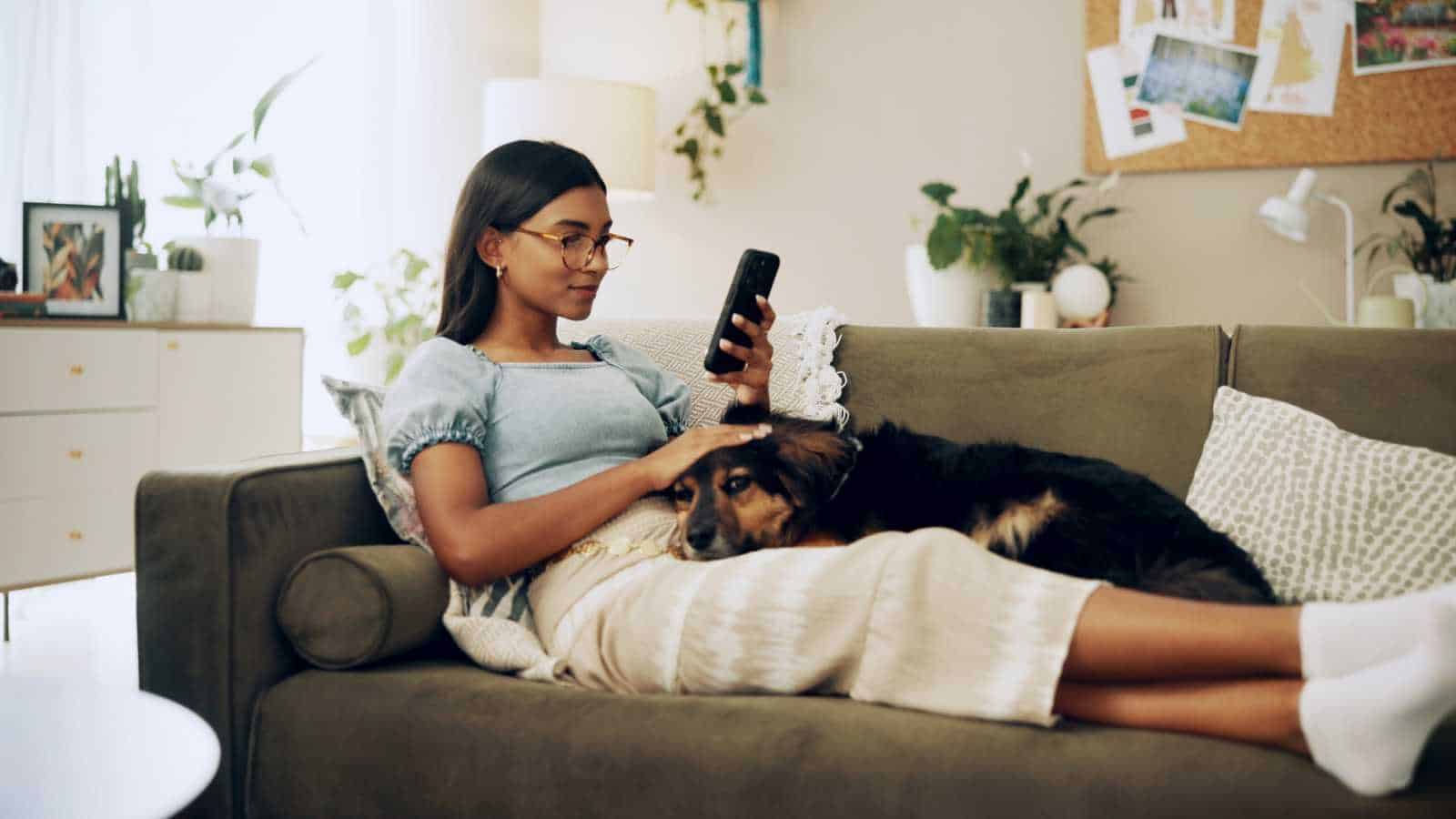
Dogs are remarkably good at noticing when you are physically present but mentally buried in your phone.
You may be sitting beside them, but if your attention is divided between messages, videos, emails, and whatever dramatic argument is unfolding in the group chat, your dog is not really getting time with you.
A focused ten-minute game can be more meaningful than an hour spent absent-mindedly throwing a toy while staring at a screen.
Put the phone down occasionally. Play tug, practice a few commands, roll around on the floor, or simply sit together.
These moments do not need to be complicated. Dogs are not waiting for you to organize a luxury weekend retreat. They just enjoy being part of your life.
Your full attention tells them, in the clearest possible way, “You matter to me.”
Let Them Stop and Sniff on Walks
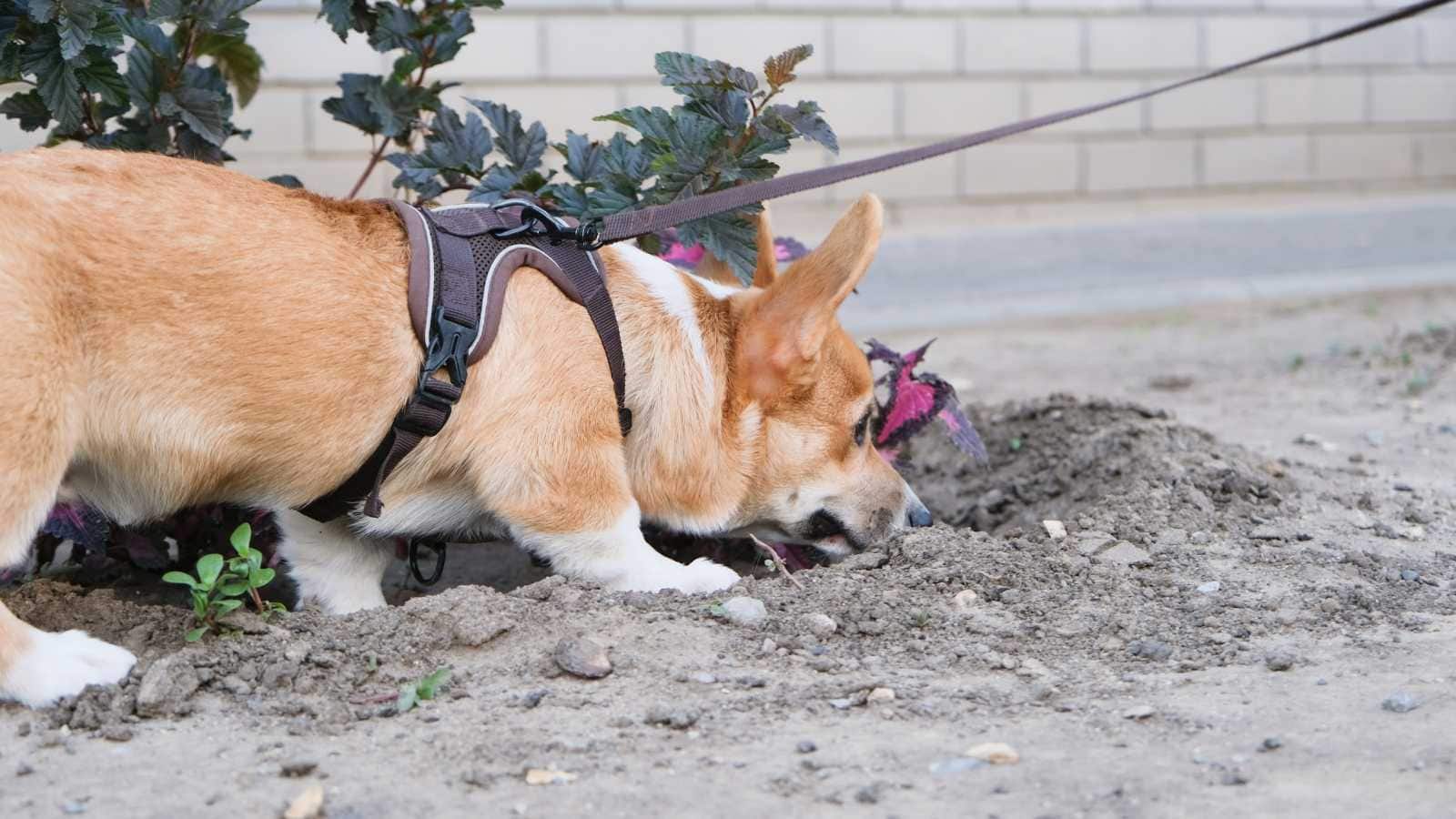
Humans often treat dog walks like transportation: leave the house, follow the route, complete the distance, return home.
Dogs experience them very differently.
When your dog pauses to sniff, they’re not wasting time; they’re gathering news. With up to 300 million scent receptors, their noses outperform most scientific instruments, making smell their primary language of exploration.
Of course, you do not need to spend half the afternoon standing beside one suspicious-looking bush. However, allowing time for relaxed exploration gives your dog valuable mental stimulation.
Try including occasional “sniff walks” where distance and speed are not the main goals. Let your dog choose safe places to investigate and set a slower pace.
To you, it may look like aimless wandering. But to them, it is closer to reading the morning paper, checking social media, and investigating the neighborhood gossip all at once.
Train With Rewards, Not Fear
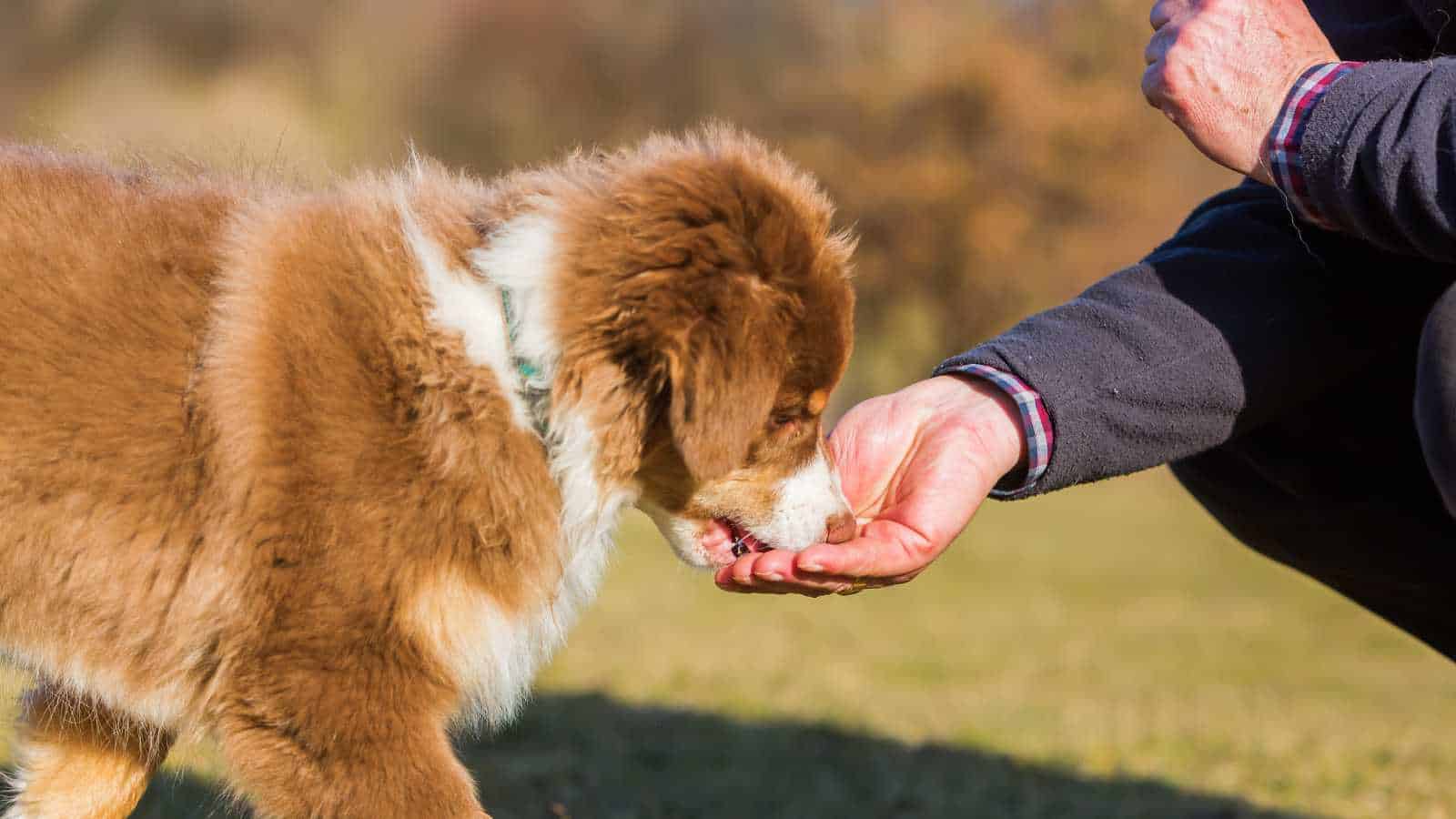
Training is one of the best ways to build communication with your dog.
According to the American Kennel Club, reward-based methods help dogs understand which behaviors you want them to repeat. Food is often useful, but rewards can also include praise, toys, play, affection, or access to something the dog enjoys.
The goal is not to bribe your dog forever. It is to make learning clear, encouraging, and worth their effort.
On the other hand, fear-based punishment may stop a behavior temporarily, but it can also create confusion and anxiety. A dog might learn that something unpleasant happens near you without understanding what they were supposed to do instead.
Positive training takes patience. It will make mistakes, become distracted, and occasionally appear to have forgotten everything it has learned because a pigeon entered the general area.
That is normal.
Short, enjoyable sessions help your dog associate you with guidance and success. Over time, training becomes more than obedience practice. It becomes a shared language.
Use a Calm and Friendly Voice
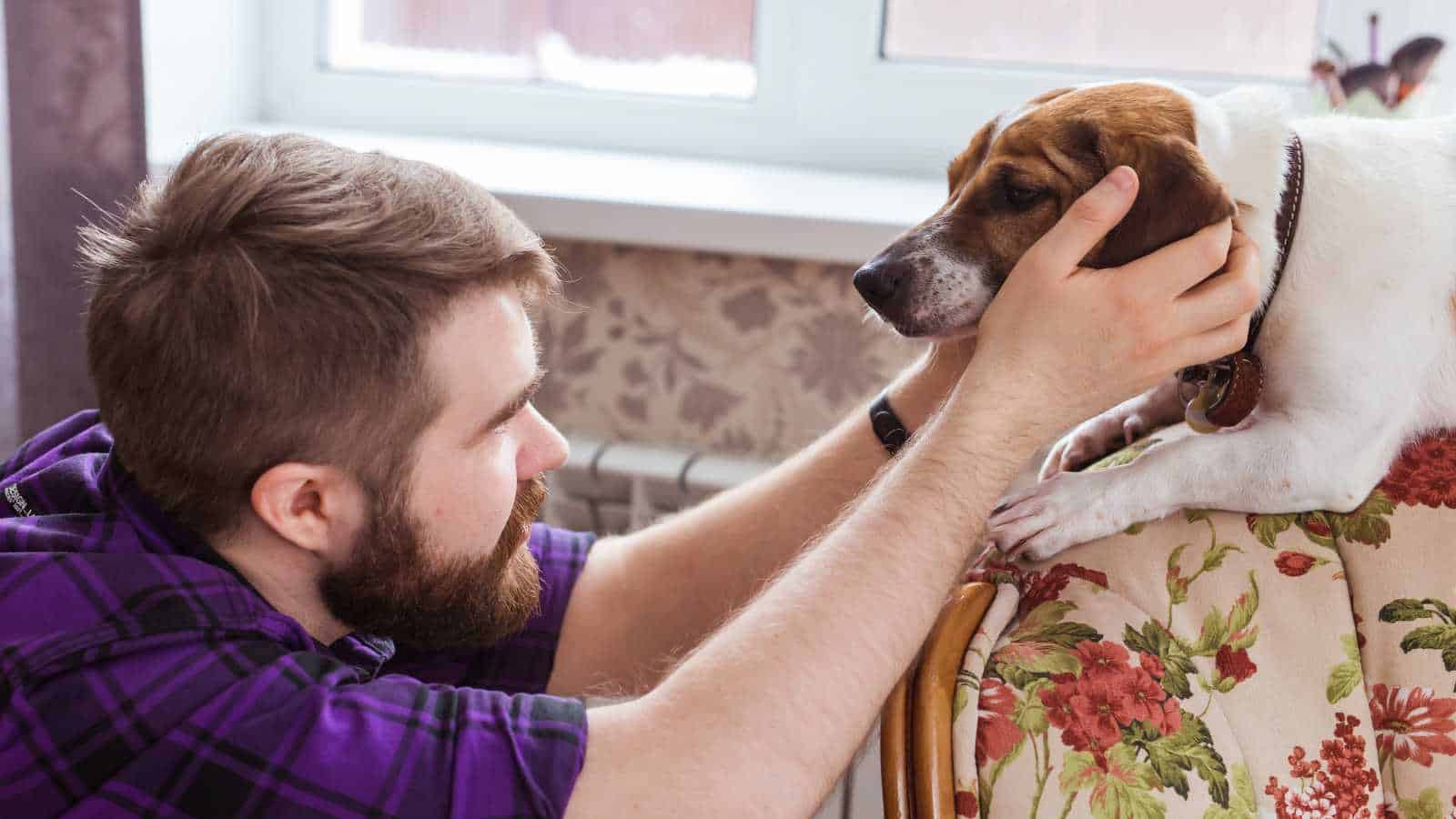
A dog may not understand every word, but they are an excellent listener.
They notice tone, volume, rhythm, and emotional energy. A warm voice can make praise feel rewarding, while a calm voice can provide reassurance during unfamiliar situations, as noted by National Geographic.
You can talk to your dog throughout the day. Tell them what you are doing, praise them for settling quietly, or offer comfort when something makes them nervous.
They probably do not understand your detailed explanation of why the vacuum cleaner is harmless. Still, they can hear if you sound relaxed or worried.
Try to avoid yelling, especially when your dog is already frightened or confused. Loud anger can increase stress without teaching a useful alternative.
A steady, encouraging tone helps you feel that you are someone they can look to when the world becomes uncertain.
Make Daily Life Predictable

Dogs tend to feel more secure when everyday life follows a familiar rhythm.
They do not need every meal, walk, and nap to occur at exactly the same minute. However, regular patterns help them understand what to expect.
A predictable routine might include meals at roughly the same times, consistent bathroom breaks, daily exercise, and a quiet place to sleep.
This structure is especially helpful for rescue, anxious dogs, puppies, and older pets. When life feels reliable, they do not have to remain on alert waiting to see what happens next.
Routine also strengthens your role as a trusted caregiver. Your dog learns that food appears, walks happen, rest is protected, and their needs will be met.
To you, these habits may feel ordinary. But to them, they are daily proof that home is safe.
Respect Their Need for Space

Sometimes the most loving thing you can do is leave your dog alone.
They need rest, privacy, and freedom from constant interaction. A dog who walks to their bed, crate, or quiet corner may simply want to relax.
Following them, calling them back, or repeatedly touching them can make that resting place feel less secure.
Give it an area where they can settle without being disturbed. Teach children and visitors to leave them alone while they are sleeping, eating, or taking a break.
Respecting boundaries does not weaken your bond. It often improves it.
When a dog knows they can move away without being chased or pressured, they are more likely to approach you willingly later.
Keep Their Brain Busy

Physical exercise matters, but they also need opportunities to think.
Without enough mental stimulation, they may invent their own entertainment. Unfortunately, their ideas can involve opening bins, redecorating furniture, or discovering exactly how many pieces a cushion contains.
Mental enrichment does not have to be expensive. Hide treats around a room, scatter food in the grass, teach a new trick, rotate toys, or let your dog solve a simple food puzzle.
You can also turn ordinary routines into games. Ask it to find a favorite toy, search for a treat under one of several cups, or practice staying calm while you prepare their meal.
Activities that involve sniffing, problem-solving, and learning can be surprisingly tiring. A mentally satisfied dog is often calmer and less likely to seek trouble.
Even a few thoughtful minutes each day can make life more interesting.
Love the Dog You Actually Have

It is easy to compare dogs.
One dog loves strangers. Another hides behind their person. One can hike for hours. Another considers walking to the kitchen a major expedition.
Yours does not need to match anyone else’s personality.
A shy dog should not be forced into constant social situations to prove they are friendly. While a calm one does not need to become energetic.
Pay attention to what your dog genuinely enjoys. Notice which games excite them, which environments help them relax, and which situations make them uneasy.
Accepting their personality does not mean ignoring behavior problems. It means working with the dog in front of you instead of wishing they were a different one.
Feeling understood is one of the deepest forms of love you can offer.
Look After Their Health Before Problems Become Obvious
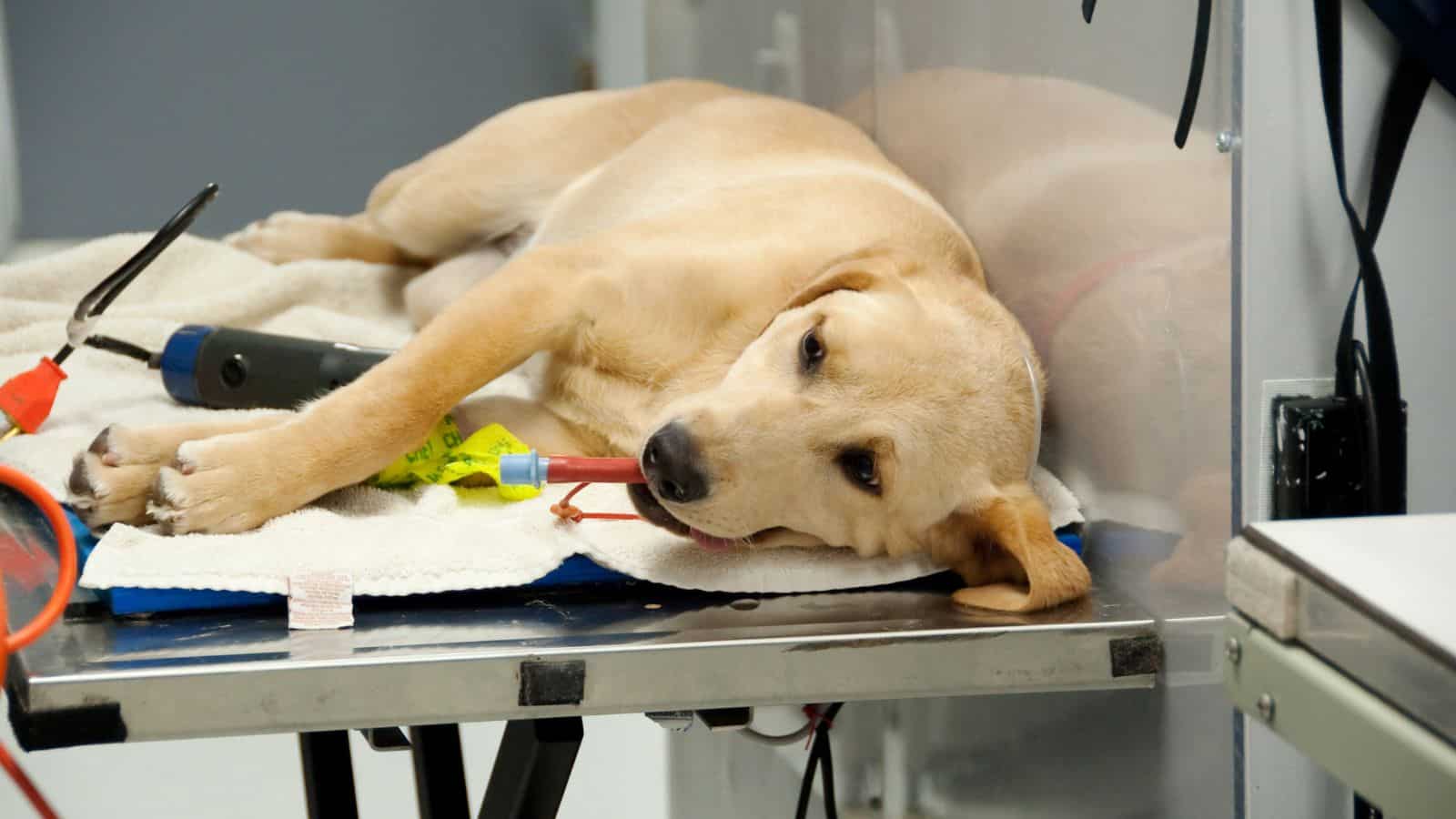
Dogs rely on people to notice when something changes.
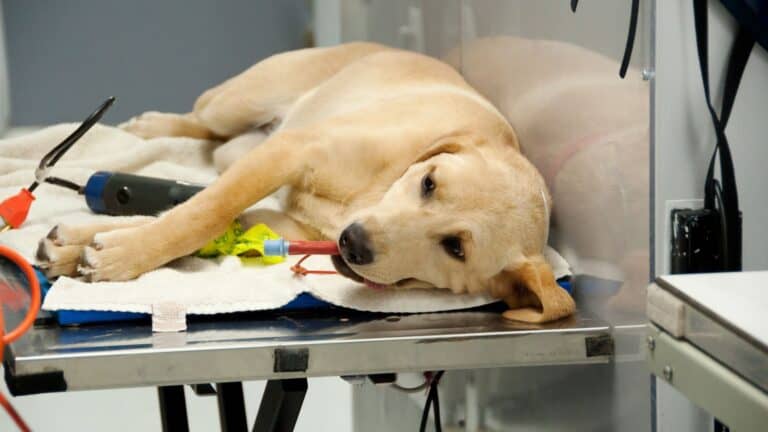
They cannot explain that a tooth hurts, a joint feels stiff, or their stomach has been bothering them. Sometimes the first signs are subtle: sleeping more, eating differently, hesitating on stairs, becoming irritable, or losing interest in play.
Regular veterinary care can identify concerns before they become more serious. Dental care, grooming, parasite prevention, healthy food, suitable exercise, and weight management also affect long-term comfort.
Do not dismiss sudden changes in behavior as stubbornness or old age without considering a medical cause.
Caring for your dog’s health may not feel as emotionally satisfying as cuddling them on the couch, but it is one of the strongest ways to show love.
After all, love is not only about making today enjoyable. It is also about protecting as many healthy tomorrows as possible.
Notice How They Show Love Back
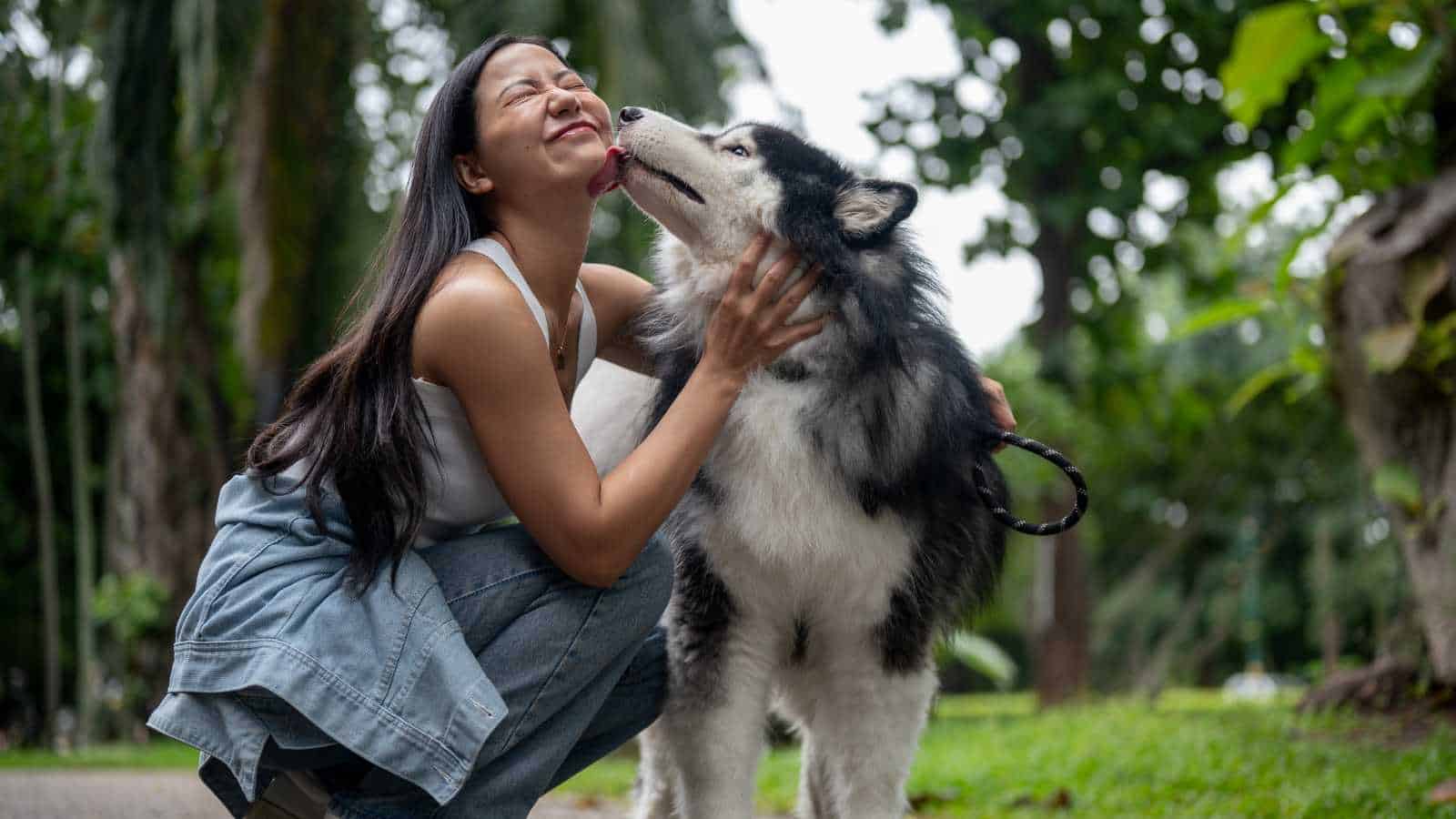
Dogs show affection in many different ways. They may follow you from room to room, sleep near your feet, bring you a favorite toy, or rest their head on your lap.
Some signs are more subtle. They may look to you for reassurance, relax with their back turned, or settle more easily when you are nearby.
Independent pets may not always want cuddles, but they still show love by staying close, checking where you are, or inviting you to play. Learning these small patterns helps you understand how deeply they trust and care for you.
Key Takeaways

Dogs understand love through actions, not just words. The strongest way to show your dog affection is to pay attention to their body language, learn their signals, and respond to their emotions. When you understand what your dog’s tail, ears, eyes, and posture are telling you, you create a deeper sense of trust and connection.
Physical affection works best when you respect your dog’s preferences. Not every dog enjoys hugs or constant cuddling, but most dogs appreciate gentle touches, calm attention, and affection that makes them feel comfortable. The key is learning what your individual dog enjoys and using those moments to strengthen your bond.
Spending quality time together matters more than expensive toys or treats. Walks, play sessions, training exercises, and simple moments sitting together help your dog feel valued. Letting your dog explore through sniffing walks and providing mental stimulation also supports their natural instincts and keeps them happier.
Positive training and a calm, loving voice help your dog understand you better. Reward-based training builds confidence, encourages cooperation, and creates a relationship based on trust rather than fear. Your tone, patience, and encouragement often communicate more to your dog than the actual words you say.
A safe routine and respectful boundaries show your dog that they can depend on you. Consistent meals, regular care, comfortable rest areas, and giving your dog space when they need it all help them feel secure. Understanding your dog’s unique personality allows you to provide the kind of love that fits their individual needs.
The greatest gift you can give your dog is a relationship built on understanding. Healthy care, emotional support, and daily attention help your dog feel loved and protected. When you learn your dog’s language and respond with patience and kindness, you create a lifelong connection that your dog will recognize every single day.
Disclaimer – This list is solely the author’s opinion based on research and publicly available information. It is not intended to be professional advice.
Like our content? Be sure to follow us