12 American traditions that seriously need to end
Traditions can strengthen families and communities, but not every long-standing custom continues to serve people well. As American lifestyles evolve, many familiar habits are being reconsidered because of their impact on finances, health, relationships, and the environment.
According to a 2024 Gallup survey, 21% of Americans said they were dissatisfied with the way things are going in the United States, reflecting a broader willingness to question established norms and institutions. At the same time, the American Psychological Association’s 2024 Stress in America report found that 77% of adults reported the future of the nation as a significant source of stress, while financial concerns remained among the leading stressors for many households. Together, these findings help explain why some once-beloved traditions are increasingly being viewed through a more critical lens.
Here are 12 American traditions that seriously need to end.
Dangerous Gender reveal stunts

Gender reveal parties started as simple celebrations where expecting parents shared exciting news with family and friends. Over time, some events became increasingly elaborate, involving fireworks, smoke machines, vehicles, and dramatic public displays.
The problem is that some celebrations have moved beyond harmless fun into risky territory. A moment designed to celebrate a baby should not involve dangerous stunts, environmental damage, or situations that put emergency responders and communities at risk.
Many families now choose simpler announcements that focus on the joy of welcoming a child. A tradition can still be meaningful without becoming a competition for the biggest reaction or the most dramatic reveal.
Hazing Disguised as Brotherhood

Some groups have long defended hazing as a way to create loyalty and strengthen bonds between members. College organizations, sports teams, and clubs have often described these rituals as important steps toward building trust.
The problem is that some hazing practices involve humiliation, dangerous drinking, physical challenges, or emotional abuse. What is described as “tradition” can sometimes lead to situations where people feel pressured to accept harmful behavior to belong.
True teamwork should not require someone to suffer to prove commitment. When a tradition regularly creates fear, injury, or trauma, many people question whether it represents unity or simply protects harmful habits.
Child Beauty Pageants and Appearance Pressure

Child beauty pageants have existed for decades, and supporters often say they help children build confidence, performance skills, and friendships. Some families view these competitions as opportunities for creativity and personal growth.
However, critics worry about the focus placed on appearance at very young ages. Mental Health notes that child beauty pageants can contribute to negative body image, low self-esteem, and anxiety when they emphasize physical appearance and competition over other qualities.
Children can enjoy performing without being judged mainly on how they look. Many people now believe traditions involving young participants should prioritize confidence, creativity, and healthy development over appearance-based competition.
Fireworks That Go Too Far

Fireworks have been part of American celebrations for generations, especially during Independence Day events. For many families, they represent excitement, community gatherings, and national pride.
The concern is that personal fireworks can create serious safety risks. The U.S. Consumer Product Safety Commission warns that thousands of people are injured by fireworks each year and urges families to follow strict safety guidelines or rely on professional displays.
Professional fireworks shows allow communities to celebrate while reducing some of the dangers associated with personal use. A tradition can remain enjoyable while becoming safer for families, neighbors, and the environment.
Thanksgiving Costumes That Rewrite History
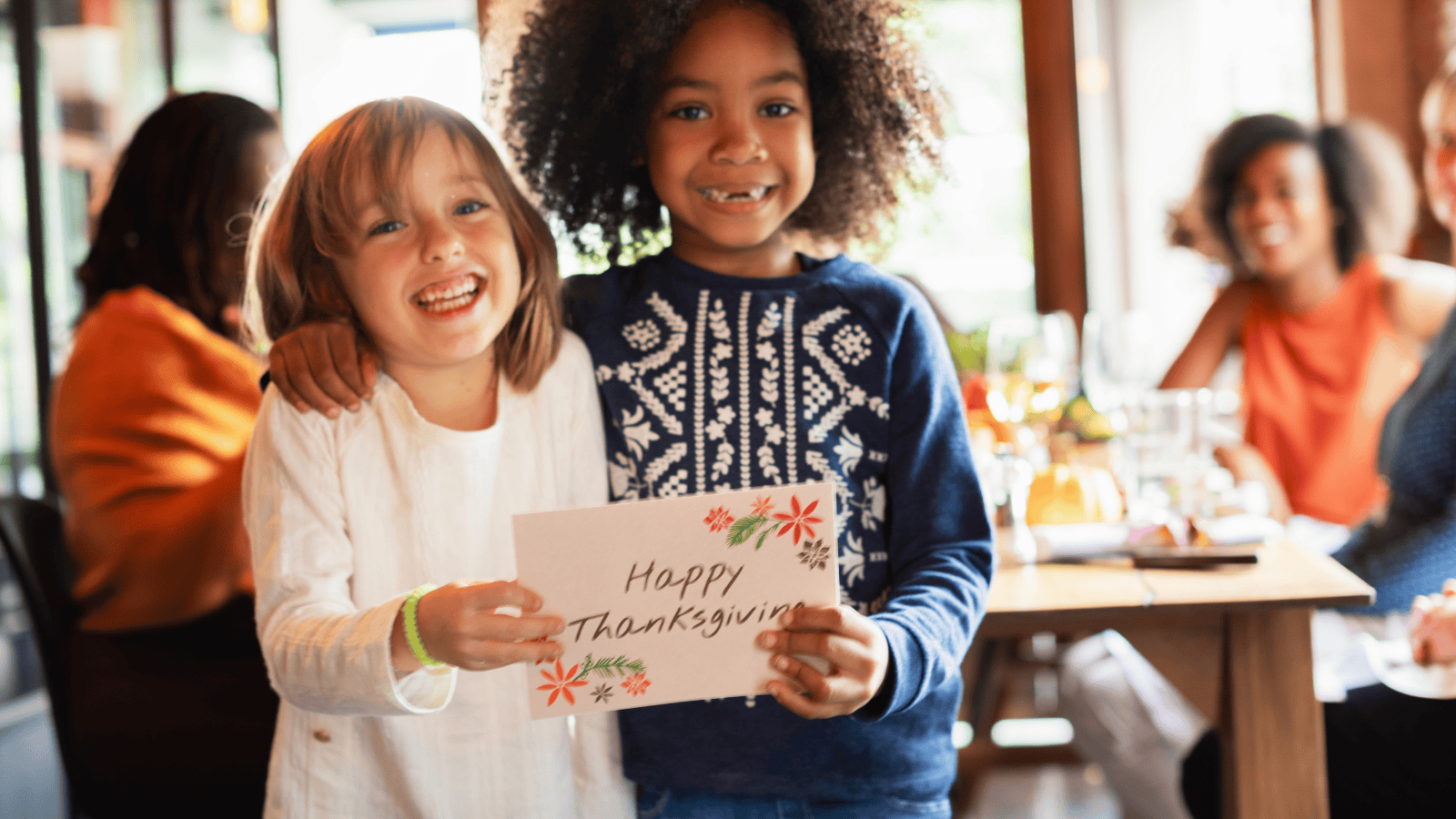
Some schools have used Thanksgiving activities where children dress as “Pilgrims and Indians” to teach young students about early American history. These activities were often created with good intentions, but many educators now question whether they present an inaccurate picture of Native cultures.
These costumes often conflate many different Indigenous nations into a single simplified image. They can make Native communities seem like a group from the distant past instead of recognizing that Indigenous peoples and cultures continue today.
Many schools have changed their approach by focusing on more accurate lessons and a wider range of perspectives. Teaching history does not require repeating traditions that may create misunderstandings.
Purity Balls and Childhood Pressure
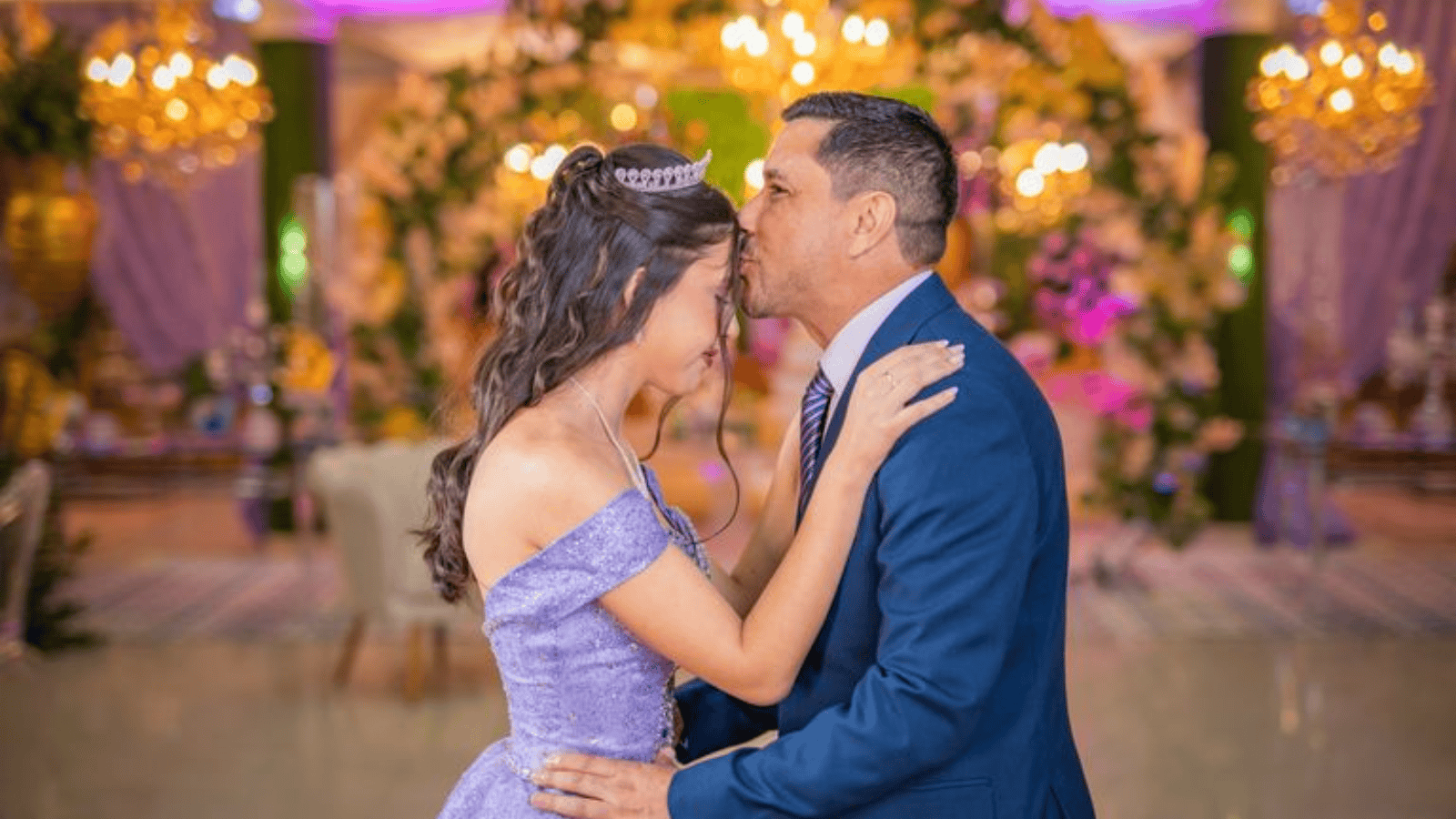
Purity balls became known as formal father-daughter events where young girls participated in ceremonies centered around promises about future relationships and personal choices. Supporters often describe them as meaningful family experiences based on shared values.
Critics question whether children should be placed in situations involving adult expectations about their future personal decisions. They argue that childhood should focus on confidence, learning, and development rather than on pressure related to ideas they may not fully understand.
Family traditions can create strong connections, but many people believe those moments should encourage open conversations instead of formal promises. The debate reflects changing views about childhood, independence, and personal identity.
Extreme Black Friday Shopping Culture

Black Friday became one of America’s biggest shopping traditions, with millions of people searching for holiday deals after Thanksgiving. What started as a way to find discounts has grown into a massive shopping event where crowds, long lines, and pressure to buy more have become part of the experience.
The scale of the event has created new concerns about safety and consumer pressure. According to National Retail Federation figures, about 126 million people shopped in stores during the 2024 Black Friday weekend, while insurers have reported increases in car accidents and crowd-related injuries during the busy shopping period.
Many families now prefer online shopping, smaller purchases, or more intentional holiday spending. A tradition built around finding deals becomes harder to defend when it creates stress, safety concerns, and pressure to spend beyond what people actually need.
Status-Based Social Traditions
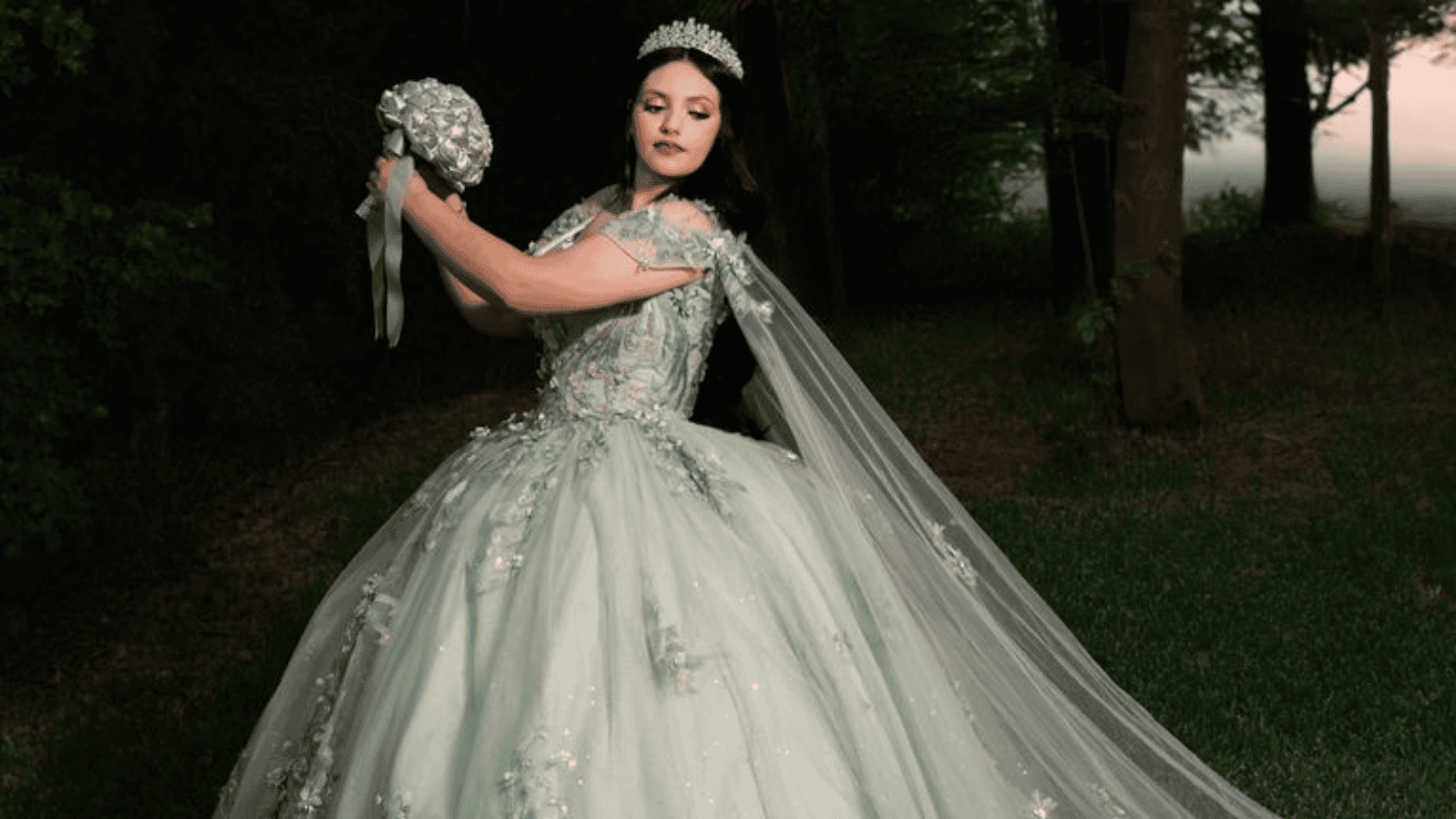
Some formal social traditions were created around ideas of wealth, family reputation, and social standing. Events such as debutante balls were historically designed to introduce young women into elite social circles and highlight family status.
While some modern versions focus on scholarships, charity, and community service, critics argue that the original message behind these traditions can feel outdated. Celebrating people based heavily on appearance, background, or social connections does not align with many modern ideas about equality.
Traditions can evolve, but practices built around old social hierarchies continue to face criticism. Many people now believe recognition should come from achievements, character, and contributions rather than family status.
Extreme Eating Contests
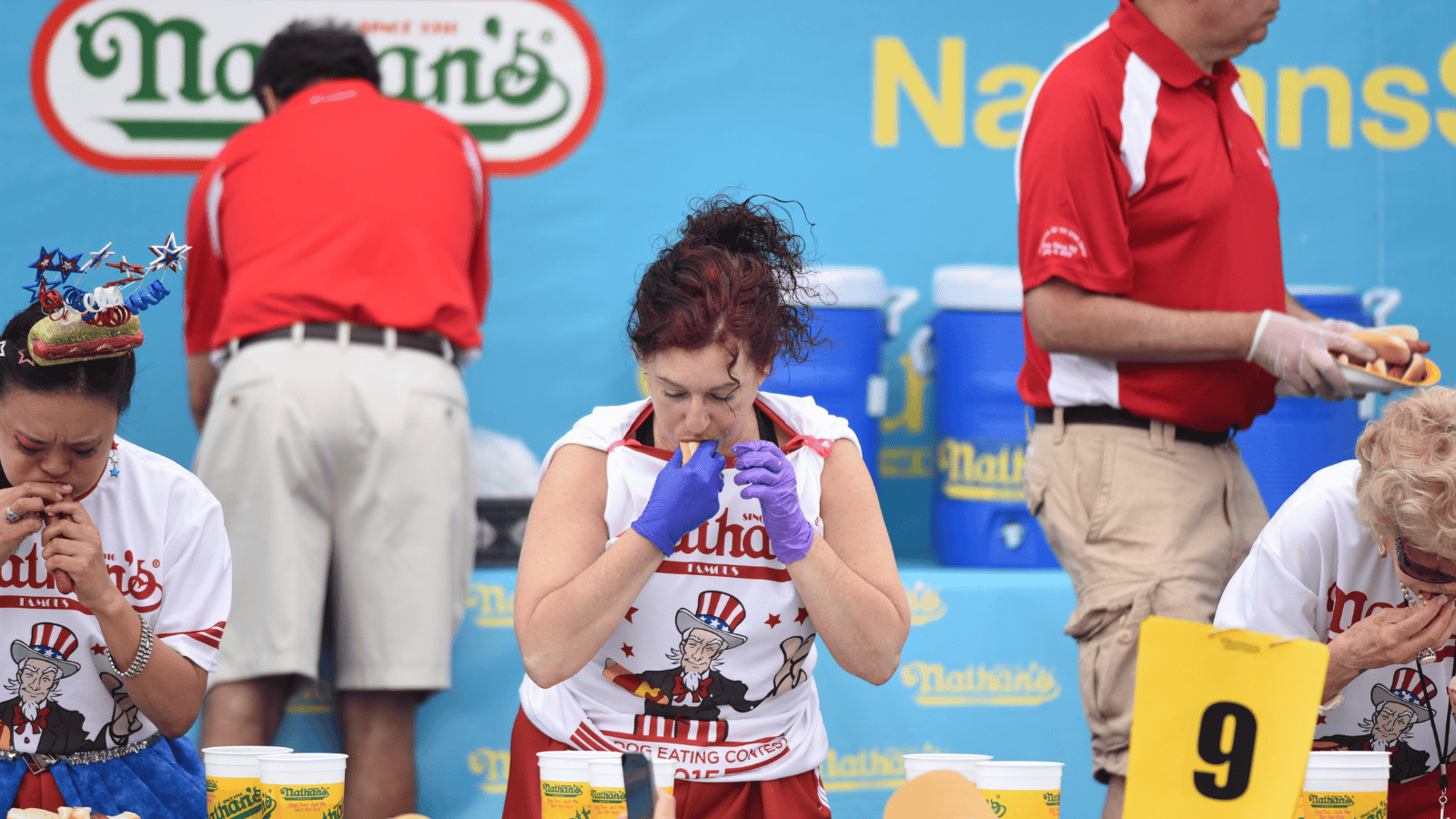
Competitive eating has become a recognizable part of American entertainment, attracting fans who enjoy watching contestants take on unusual challenges. Supporters view it as a form of competition and a test of personal limits.
Critics question whether celebrating extreme food consumption sends the wrong message in a society already facing concerns about health and nutrition. Turning overeating into entertainment can encourage people to ignore normal signals from their bodies and treat excess as an achievement.
The issue is not enjoying food or celebrating unique competitions. It is whether a tradition remains entertaining when the main attraction depends on pushing the body beyond ordinary limits.
Public Celebrations That Create Harmful Messes
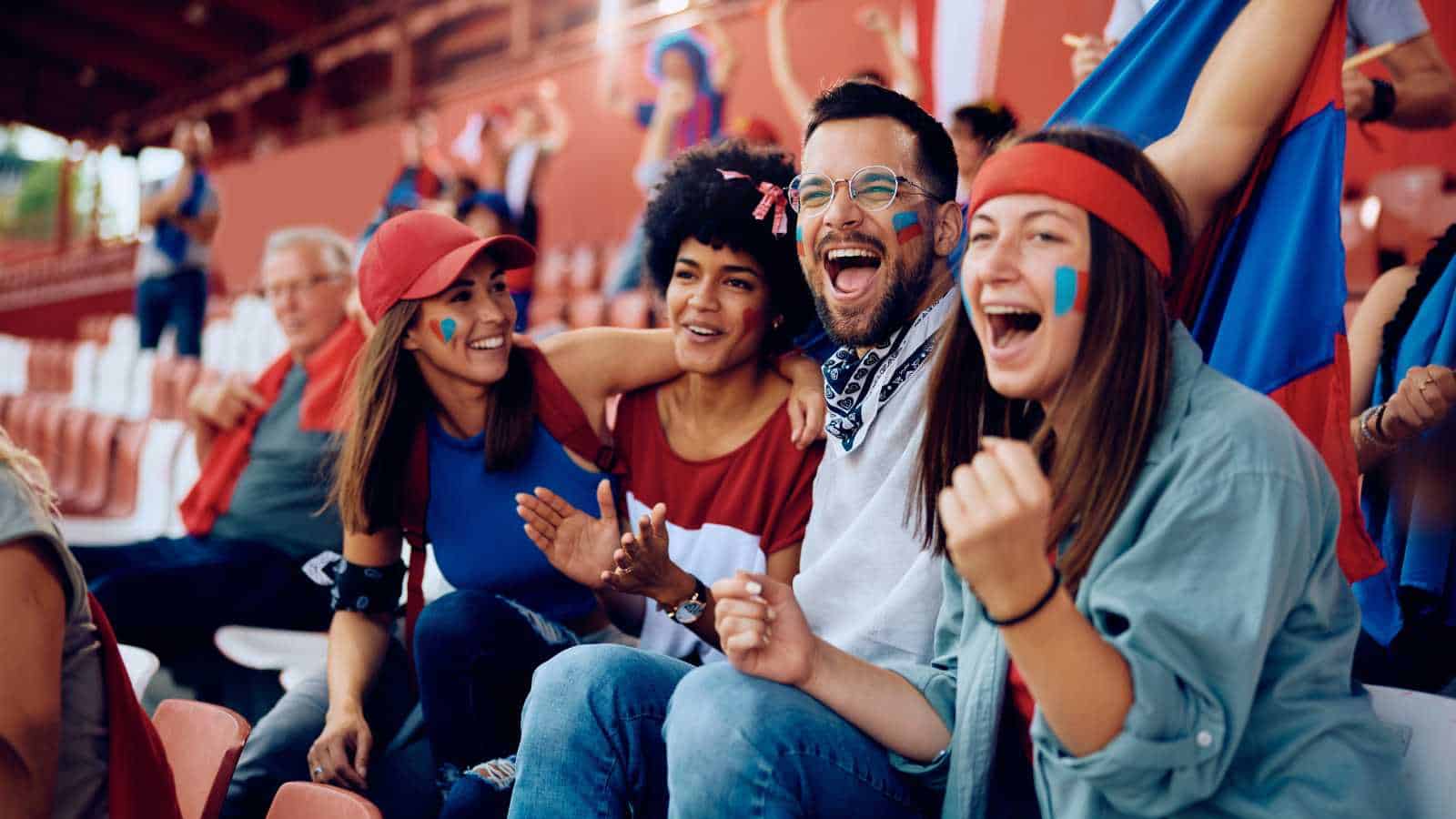
Sports victories and community celebrations have always been part of American culture. Fans often create traditions around big wins because they bring people together and create unforgettable memories.
However, some celebrations leave behind environmental damage, expensive cleanup, or problems for local communities. What feels like harmless fun during the moment can create extra work for others who have to restore public spaces afterward.
Celebrating success does not have to disappear, but many people believe traditions should evolve. The best celebrations create excitement without leaving communities responsible for the consequences.
Social Media Trends That Turn Traditions Into Pressure

Many modern traditions are no longer passed down through families but are created online. Events like elaborate promposals, expensive celebrations, and viral challenges often turn into competitions as people feel pressure to create moments worthy of sharing.
The problem is that social media can turn simple experiences into performances. What was once a personal memory can become a public display where people compare their celebrations, spending, and creativity with others’.
Traditions should create connection, not anxiety or pressure. When people feel forced to make ordinary moments bigger and more expensive, some question whether the trend is still meaningful.
Columbus Day Celebrations Facing New Questions

Columbus Day has remained an important tradition for many Italian American communities that see it as a celebration of heritage and the struggles their ancestors overcame. For many families, the holiday represents identity, pride, and recognition after generations of discrimination.
The debate is centered on how Christopher Columbus and his legacy are remembered. Critics argue that traditional celebrations often ignore Indigenous histories and the consequences of European colonization, leading many communities to reconsider how the day is recognized.
The growing shift toward Indigenous Peoples’ Day shows how traditions can change as societies include more perspectives. The conversation is not simply about removing history but about deciding which parts of history deserve celebration.
Key takeaway
Traditions are a major part of American culture because they connect people to history, family, and community. But culture has always changed, and many customs that once felt normal are now being reconsidered in light of new ideas about safety, fairness, and inclusion.
The strongest traditions are usually the ones that can adapt. When a celebration creates connection, joy, and shared meaning, it often endures, but when it creates harm or unnecessary pressure, people naturally begin to ask whether it still belongs.
Questioning traditions does not mean rejecting the past. It means recognizing that every generation has the opportunity to improve the customs it inherits and create practices that better reflect the world it wants to build.
Disclaimer – This list is solely the author’s opinion based on research and publicly available information. It is not intended to be professional advice.
Like our content? Be sure to follow us