12 ways the Iran crisis could affect oil, food, and everyday prices
A war scare in Iran does not stay on a map. It can ride home in your gas tank, sit inside your grocery cart, sneak into an airline fare, and show up as a higher delivery fee on a tired weeknight. That is the sharp truth about global prices: they move like smoke through everyday life.
The Bureau of Labor Statistics reported that the U.S. energy index rose 17.9% over the 12 months ending in April 2026, while gasoline climbed 28.4% and electricity rose 6.1%. Food was already under pressure too, with food at home up 2.9% and fruits and vegetables up 6.1% over the same period. So this is not just a foreign crisis with distant headlines. It is a receipt story, and Americans may feel it one tank, one cart, and one bill at a time.
The Strait of Hormuz is where that story turns serious. The U.S. Energy Information Administration says oil flow through the strait averaged 20 million barrels per day in 2024, equal to about 20% of global petroleum liquids consumption, and about one-fifth of global liquefied natural gas trade also moved through that route.
That narrow waterway works like a pressure valve for the world economy. When trouble near Iran threatens it, prices do not wait politely overseas. They can move through fuel, fertilizer, shipping, manufacturing, food production, and inflation simultaneously. When one chokepoint starts coughing, the entire global price chain reaches for its inhaler.
Oil Shock at the Pump
The first place many Americans feel Iran’s crisis is the gas station, where the numbers climb in bright red, and the family budget takes the hit before the week even starts.
The Guardian reported on May 23, 2026, that the national average gasoline price was about $4.55 a gallon as of May 22, up roughly $1.50 from before U.S. and Israeli strikes on Iran in late February. That rise matters because gasoline does not sit alone in household spending.
It affects commuting, school drop-offs, small business routes, lawn crews, rideshares, grocery deliveries, and weekend travel. The EIA says the U.S. imported only about 0.5 million barrels per day of crude oil and condensate from Persian Gulf countries through Hormuz in 2024, but oil is priced in a global market, so a shock in one region can lift prices worldwide.
The pump does not care that the conflict is thousands of miles away. It prices the fear anyway.
Strait of Hormuz: The World’s Energy Bottleneck
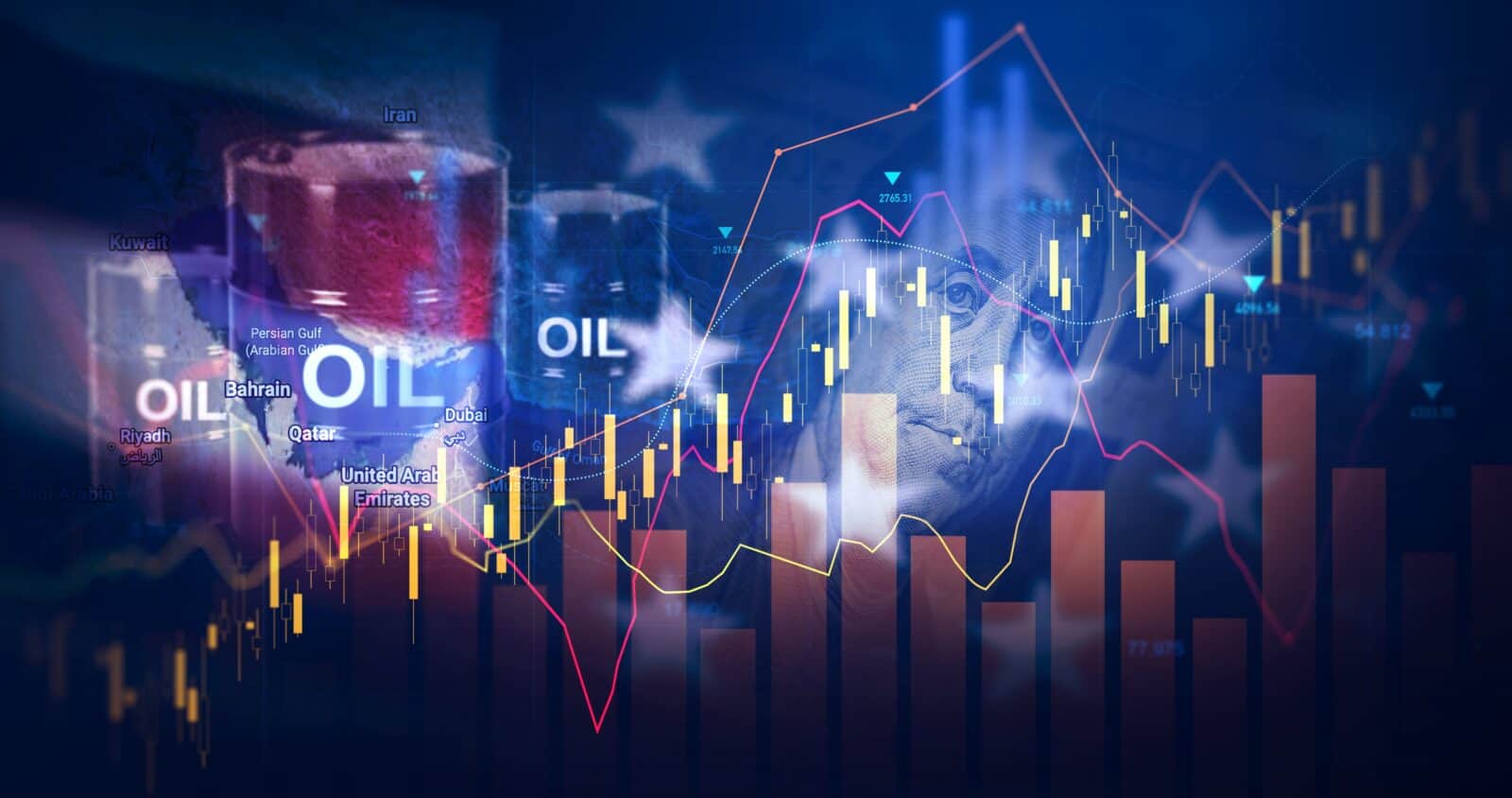
The Strait of Hormuz is not just another shipping route. It is one of the world’s most important energy chokepoints, and the EIA says that most of the volumes moving through it have no practical alternative route out of the region.
In 2024, EIA counted 20 million barrels per day of oil flowing through the strait, noting that Saudi Arabia, Kuwait, Iraq, the UAE, Qatar, and Iran all send major volumes through or near that corridor.
Goldman Sachs Research estimated that traders were already demanding about $14 more per barrel as a risk premium as of March 3, and its scenarios found a one-month full closure could add $15 per barrel with no offsets, or $4 per barrel if half of the flows were halted for one month and spare pipeline capacity helped.
Daan Struyven of Goldman Sachs wrote, “oil prices can rise substantially more if the market demands a premium for the risk of more persistent supply disruptions.” That is the danger: even fear of a longer disruption can raise prices before actual shortages fully land.
Jet Fuel Costs and Travel Prices
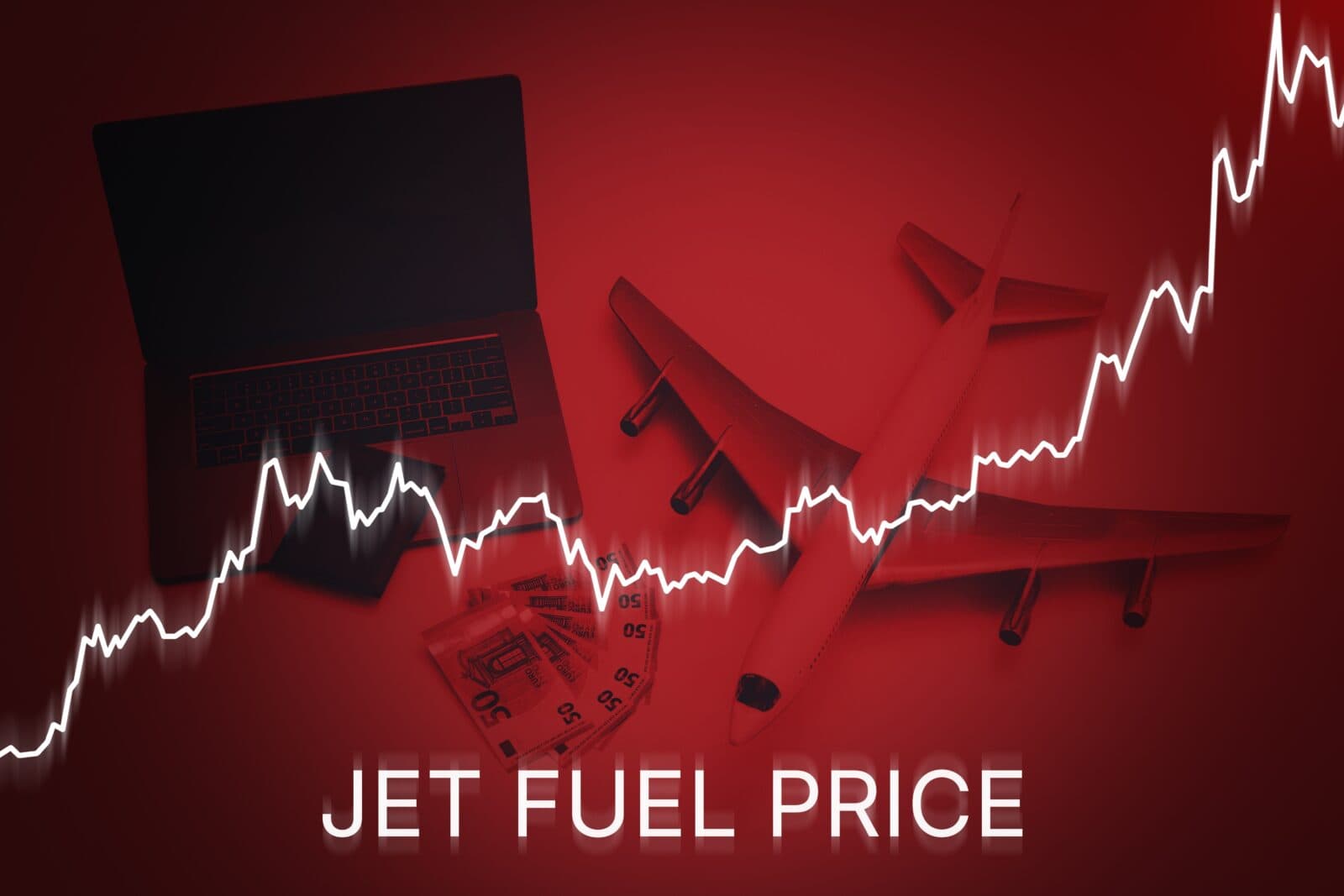
Air travel runs on fuel, and fuel does not politely stay out of ticket prices. The BLS reported that airline fares rose 2.8% in April 2026, and Reuters reported that Brent crude was trading around $105 as of May 22, with risks skewed higher due to Middle East energy disruptions.
When jet fuel costs stay high, airlines often cut marginal routes, shrink cheap-seat availability, add surcharges, or raise fares in ways that travelers feel during summer trips and holiday planning.
The Guardian also reported that all types of fuel, including gasoline, diesel, and jet fuel, spiked as the Strait of Hormuz closed, though jet fuel had eased from recent highs in some markets.
That means a family saving for a wedding flight, a college visit, a funeral trip, or a long-delayed vacation may face a painful choice: pay more, travel less, or wait. Oil starts underground, but it can end up inside the price of row 28.
Fertilizer Shock: Higher Food Prices Now and Later

Food prices do not rise only because crops fail. They can rise because fertilizer gets expensive before seeds even hit the soil.
FAO Chief Economist Máximo Torero warned that disruptions tied to the Strait of Hormuz are already raising costs for farmers worldwide, with Middle East granular urea up 19% in the first week of March and Egyptian urea up 28%.
FAO also projected that global fertilizer prices could average 15% to 20% higher in the first half of 2026 if the crisis persists. Torero put it plainly: “Farmers are facing a dual cost shock: they have more expensive fertilizers alongside rising fuel costs affecting the entire agricultural value chain, including irrigation and transport.” That is how Iran’s crisis moves from tankers to tomatoes.
Less fertilizer, more fertilizer, or delayed fertilizer can mean lower yields later, and lower yields can lead to higher prices for grains, feed, meat, eggs, and packaged foods months after the headlines fade.
Stuck Cargo Ships: Food and Ingredients Going Nowhere
A ship stuck at sea is not just a shipping company problem. It can be bread, coffee, cocoa, cooking oil, grain, sugar, or animal feed waiting in the wrong place at the wrong time.
FoodNavigator reported in April 2026 that the war in Iran and the Strait of Hormuz crisis had disrupted food supply chains, affecting more than 2,000 ships carrying food and energy inputs.
Delays add costs through insurance, demurrage fees, spoilage risks, storage issues, missed factory schedules, and higher replacement-buying costs. A bakery does not need to concern itself with geopolitics to pay more for wheat. A chocolate maker does not need to follow tanker routes to feel the effects of cocoa delays.
A coffee roaster does not need a foreign-policy briefing to see shipping costs climb. Once enough ingredients sit still, producers begin raising prices or shrinking margins, and consumers eventually meet the bill on shelves that look normal until the sticker changes.
Packaging, Plastics, and Cold Chain Costs
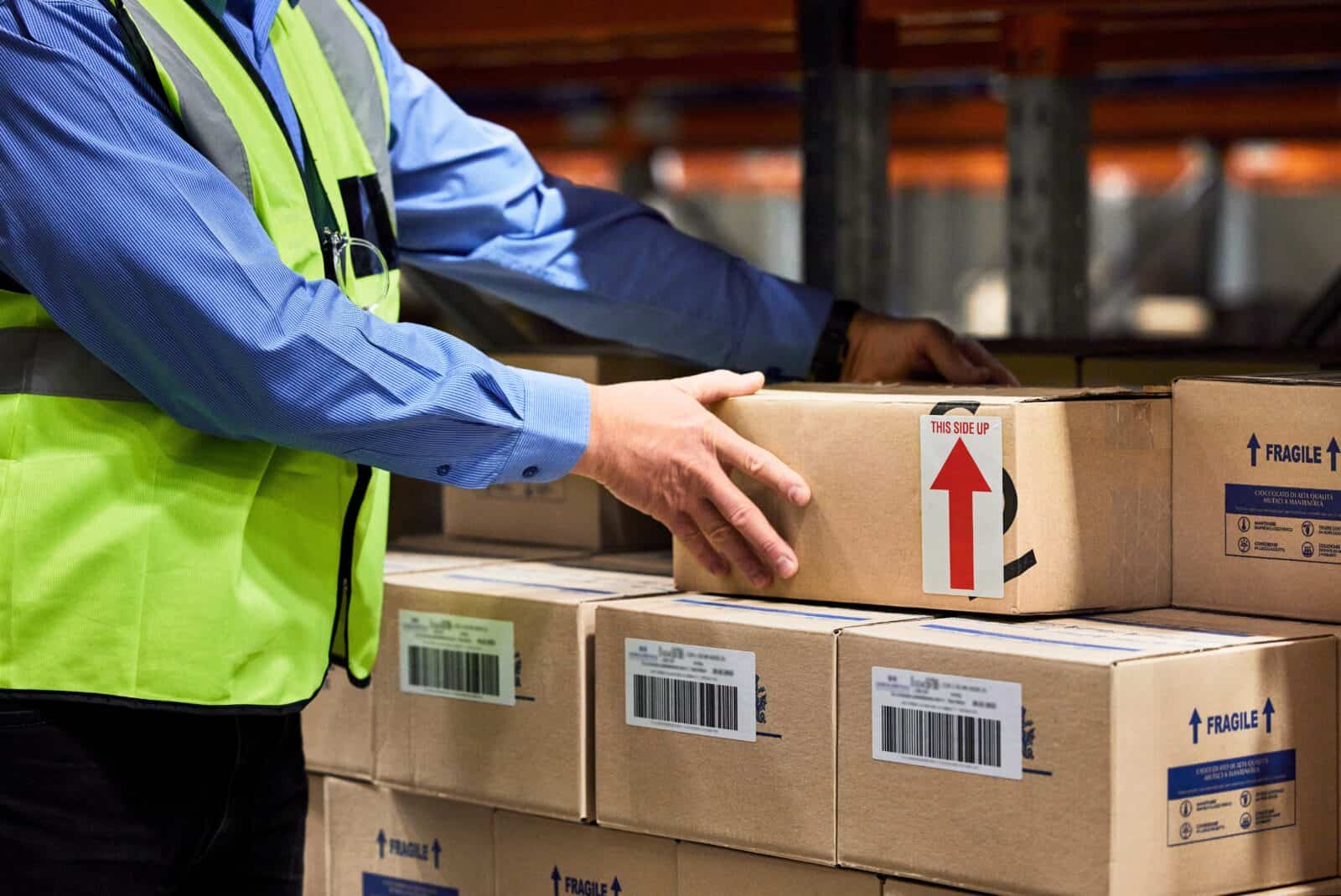
Oil and gas are not just about driving. They sit inside the modern grocery store in quieter ways: plastic bottles, yogurt cups, films, wraps, insulation, freezer systems, refrigerated trucking, food processing, and cold-chain logistics.
Oxford College of Procurement and Supply said the conflict in Iran is disrupting global supply chains due to rising energy costs, shipping delays, and shortages of petrochemical feedstocks, urea, sulfur, and other industrial inputs. That matters because the price of a frozen dinner includes more than the food inside the box.
It includes the surrounding film, the energy to keep it cold, the truck that moved it, and the warehouse that stored it. BLS data already showed that nonalcoholic beverages were up 5.1% over the 12 months ending in April 2026, while food at home was up 2.9%.
When packaging and refrigeration costs rise alongside fuel and ingredients, the supermarket becomes a web of hidden energy prices.
Shipping Reroutes and Insurance Premiums

Once a sea route starts to look dangerous, prices begin piling on. Ships may wait, reroute, slow down, pay higher insurance premiums, pay crew hazard costs, or take longer routes that burn more fuel and take more time.
FAO said war-risk insurance premiums had risen from 0.25% to as high as 10% of a vessel’s value, with coverage resetting every seven days, and warned that even after de-escalation, shipping conditions may take months to normalize.
EIA also notes that the inability to move oil through a major chokepoint, even for a short period, can delay supply and raise shipping costs, thereby increasing world energy prices. Those costs do not stay on the water. They move into freight contracts, import prices, delivery fees, manufacturer costs, and eventually consumer goods.
Every extra mile becomes a little tax. Every delay becomes a line item. Every risk premium becomes part of the price of ordinary life.
Inflation Pressure on Already Tense Economies
Inflation is when all these separate shocks start to add up into one household headache. The OECD said the evolving conflict in the Middle East has driven a surge in energy prices and disrupted global energy and other commodity supplies, including fertilizers.
It projected G20 headline inflation at 4.0% in 2026, easing to 2.7% in 2027, and Reuters reported that this was 1.2 percentage points higher than previously expected because of the energy shock.
OECD Secretary-General Mathias Cormann warned, “The energy supply shock from the evolving conflict in the Middle East is testing the resilience of the global economy.” For U.S. consumers, BLS numbers show the pinch was already broad in April 2026: gasoline up 28.4%, electricity up 6.1%, food away from home up 3.6%, and airline fares up 20.7% over 12 months.
Once energy gets into everything, inflation stops feeling like a statistic and starts feeling like a smaller cart at checkout.
Domino Effects in Emerging and Food-Exporting Economies

Iran’s crisis can hit hardest in countries that import both energy and fertilizer, because they get squeezed twice before the crop is even harvested.
IFPRI reported that up to 30% of global fertilizer trade passed through the Strait of Hormuz in 2024, alongside an estimated 20% of liquefied natural gas and 27% of global oil trade. That kind of exposure matters for food-exporting and food-importing economies across South Asia, Africa, Latin America, and the Middle East.
If farmers face high fertilizer and fuel costs, they may plant less, shift crops, or cut fertilizer application, which can lower yields later. If governments try to cushion fuel or food prices, public budgets can strain. If currencies weaken as import prices rise, consumers may face higher prices even when global food markets look calm on paper.
The American grocery shelf sits inside that wider system, because a shock to fertilizer in one region can lead to higher feed, grain, meat, or cooking oil costs elsewhere.
Everyday Bills: Heating, Power, and Transit

The price shock does not stop at the gas pump. It can slip into electricity bills, heating costs, bus fares, rideshare prices, delivery charges, school transport, municipal budgets, and business operating costs.
BLS reported that the U.S. energy index rose 17.9% over the 12 months ending in April 2026, with electricity up 6.1%, natural gas up 3.0%, fuel oil up 5.8% in April alone, and gasoline up 28.4% over the year. Those figures matter because energy sits underneath almost every local service.
A city bus runs on fuel. A grocery store keeps lights, freezers, and refrigerators on all day. A warehouse needs power. A delivery driver buys gas or diesel. A restaurant pays utilities before it sells a plate of food.
So even households that drive less can still pay through the side door: higher rent pressure, higher utility costs, higher delivery fees, and higher prices from businesses trying to cover their own bills.
Volatility, Not Just High Prices

The problem is not only that prices rise. It is that they jump, slide, spike, and scare planners into protecting themselves. Goldman Sachs Research modeled Hormuz-related price impacts ranging from $1 to $15 per barrel, depending on the scale and duration of restrictions, and the OECD warned that the conflict’s breadth and duration remain highly uncertain.
That uncertainty makes planning harder for airlines, farmers, truckers, food companies, retailers, and manufacturers. When input costs swing, businesses may raise prices fast to avoid being caught short, then lower them slowly once conditions ease.
The Guardian quoted energy analysts saying fuel prices can jump quickly and fall slowly, and reported that even a peace deal might not return U.S. pump prices to prewar levels in 2026 because infrastructure checks, supply-chain delays, and ship backlogs take time. Volatility is its own bill. It charges consumers through caution, not just scarcity.
A Longer-Term Food Security Squeeze
The most worrying part is what happens after today’s price shock becomes tomorrow’s planting decision. FAO warned that the duration of the disruption will determine the scale of global food-system damage, and said that if the crisis lasts longer, farmers may cut fertilizer use or shift toward less input-intensive crops.
Because fertilizer has a nonlinear yield response, FAO warned that even modest reductions can cause disproportionately large yield losses, especially in regions that already use less fertilizer.
The World Bank’s March 2026 food-security update also reported that fertilizer prices spiked between February and March 2026, with urea prices surging nearly 46% month over month, and said the impact of higher fertilizer prices will play out in the months ahead. That is the delayed fuse.
Today’s tanker trouble can become next season’s smaller harvest, and next season’s smaller harvest can become higher prices long after consumers have stopped watching the war news.
A Short Reflective Close
Iran’s crisis does not need to land on an American street to reach an American budget. It travels through oil, LNG, fertilizer, shipping, insurance, packaging, utilities, airline fuel, and the hidden math inside food production.
EIA’s 20-million-barrel-a-day Strait of Hormuz figure explains why the route matters, and BLS data shows how quickly energy and food pressure can show up in household numbers.
This is the warning: a regional crisis can become a kitchen-table crisis when the world’s supply chains are braided this tightly. The receipt may not say “Iran,” but the price can still be shocking.
Key Takeaways

- Iran’s crisis can raise consumer prices through fuel, fertilizer, shipping, packaging, utilities, travel, and food supply chains.
- The Strait of Hormuz is the main chokepoint, with EIA reporting 20 million barrels per day of oil flowing through it in 2024.
- FAO warned that the disruption is raising fertilizer costs, with global fertilizer prices projected 15% to 20% higher in the first half of 2026 if the crisis persists.
- BLS reported gasoline up 28.4% and energy up 17.9% over the 12 months ending in April 2026.
- The longer the disruption lasts, the more today’s oil shock can become tomorrow’s food-price problem.
Disclaimer – This list is solely the author’s opinion based on research and publicly available information. It is not intended to be professional advice.
Like our content? Be sure to follow us