11 states pushing plans to slash or eliminate home property taxes
For millions of Americans, the scariest thing about owning a home is not the leaky roof or the ancient furnace. It is the property tax bill that shows up every year, rising faster than paychecks and often faster than the house itself.
In 2023, state and local governments collected about 797 billion dollars in property taxes, according to a National Association of Home Builders analysis of Census data, and those taxes made up roughly 38 percent of all state and local tax revenue in 2024.
So it is not surprising that some states are treating property taxes like a bad habit they want to quit.
Florida
In Florida, Republican lawmakers are treating the homestead exemption like a balloon they can keep inflating until it lifts most property taxes off primary homes altogether.
One constitutional proposal would raise the exemption by roughly 100,000 dollars every year for about a decade, wiping out most city and county taxes on owner‑occupied homes while keeping school taxes intact, according to reporting from the Institute on Taxation and Economic Policy.
Governor Ron DeSantis has endorsed the idea, but a Realtor.com analysis cited in that same coverage warns that if property taxes vanish, home prices could jump by as much as 9 percent, which is great if you already own and less fun if you are the teenager who will be trying to buy later.
Georgia

Georgia’s House Republicans have a different pitch: keep your property, lose your property taxes. In early 2026, they unveiled the Homeownership Opportunity and Market Equalization Act, or HOME Act, which would steadily double the state’s homestead exemption every other year until homestead taxes mostly disappear by 2032.
To plug the gap, counties could opt into a new 5 cent local sales tax and lean on capped property‑tax revenue growth. This is a trade‑off that House Speaker Jon Burns framed as correcting “unsustainable” tax hikes even as critics quoted in The Current warned about what happens to schools and other local services when you cut the most predictable revenue stream in town.
North Dakota
North Dakota’s new governor, Kelly Armstrong, is selling a sort of truce between homeowners and the tax man, paid for by oil wells far from most people’s driveways.
Bloomberg Tax reports that his plan boosts the state’s Primary Residence Credit from 500 dollars to around 1,550 dollars for 2025 through 2027, funded by earnings from the oil‑rich Legacy Fund, while promising that “the bulk of primary residences” will be on a path to zero property taxes within ten years.
By late 2025, the boosted credit had already erased property tax bills entirely for roughly 50,000 households and cut average bills for others by about 41 percent, state figures show. But analysts quoted in the governor’s own State of the State coverage warn that leaning this hard on volatile oil revenue is a bit like paying your mortgage with lottery tickets.
Wyoming

Wyoming’s approach looks less like revolution and more like a quiet rewrite of who gets to stay put when prices spike.
AARP Wyoming notes that starting with the 2025 tax year, homeowners automatically get a 25 percent exemption on the first 1 million dollars of their primary home’s value, and beginning in 2026, you have to actually live in the house to claim it.
County guidance from Campbell County explains that a separate “long‑term homeowner” rule can cut a primary residence’s assessed value in half for people at least 65 years old who have paid property taxes in the state for 25 years. This design is meant to keep retirees in oil‑boom towns from being priced out of the homes they already own.
Ohio

In Ohio, the property tax fight has gone constitutional. House Joint Resolution 7 would exempt all owner‑occupied residences from property taxes starting in the 2027 tax year, a change backers told Your Ohio News could deliver more than 10 billion dollars a year in relief by focusing on homes where people actually live.
The plan builds on earlier reforms that expanded owner‑occupancy credits and let counties offer an extra 2.5 percent credit. However, Newsweek’s coverage notes that a separate citizen amendment would go further by banning all real‑property taxes, residential and commercial alike, turning the Buckeye State into a test case for how far tax anger can really go.
Also on MSN: 13 Reasons a Wealth Tax Will Never Work in America
Pennsylvania

Pennsylvania’s big target is not the whole bill, but the school portion that eats most of it.
In 2025, Republican senators Chris Gebhard and Doug Mastriano proposed a constitutional amendment to stop school districts from collecting property taxes after July 1, 2029, forcing Harrisburg to invent a new way to pay for classrooms, as detailed by Realtor.com’s policy coverage.
A related effort, the School Property Tax Elimination Act, highlighted by Senator Dawn Keefer’s office, would replace those school taxes with higher state income and sales taxes and send at least 300 million dollars in extra funding to Philadelphia schools in year one.
Keefer argues that no one should be “one life event away” from losing their home over unpaid taxes.
Montana
Montana has already pulled the trigger on a tax shift that quietly picks winners and losers within the housing market. Investopedia reports that new legislation will cut property tax bills by roughly 500 dollars on average for about 80 percent of owner‑occupied homes starting in 2025, and state officials expect around 10 percent of homeowners to see no increase at all despite rising values.
But the same reforms push non‑homestead properties into the line of fire, with projected property‑tax hikes of nearly 68 percent for second homes and rentals between 2024 and 2026. A City Journal analysis warns that this split‑roll model will likely push more costs onto renters even while politicians claim victory for “the middle class.”
Texas

Texas does not plan to erase property taxes, but it is taking a big bite out of school taxes for people who live in their homes.
After voters approved a constitutional amendment in 2023, the school district’s homestead exemption jumped to 100,000 dollars. And a 2025 package, summarized by the lieutenant governor’s office, would raise that to 140,000 dollars for most homeowners and 150,000 dollars for seniors if voters say yes again.
Lt. Governor Dan Patrick claims that moving the exemption from 15,000 dollars when he first took office to this new level means “homeowners will receive tax relief every single year.” A boast property‑tax consultants at firms like O’Connor & Associates frame as the biggest break since Texas reworked its property tax system in 1979.ltgov.
Illinois
Illinois already tops charts for high property tax rates, which has finally pushed lawmakers to talk about mercy for the people who have stuck it out the longest.
Newsweek’s coverage of state proposals notes that one bill under debate would exempt homeowners from paying property taxes on a primary residence after they have paid taxes on that same home for 30 straight years, effectively turning long‑term loyalty into a tax shield.
The idea is popular among older residents whose suburban tax bills rival their mortgage, yet critics worry that letting long‑time owners off the hook could shift more of the burden onto younger families trying to get established in the same neighborhoods.
Kansas
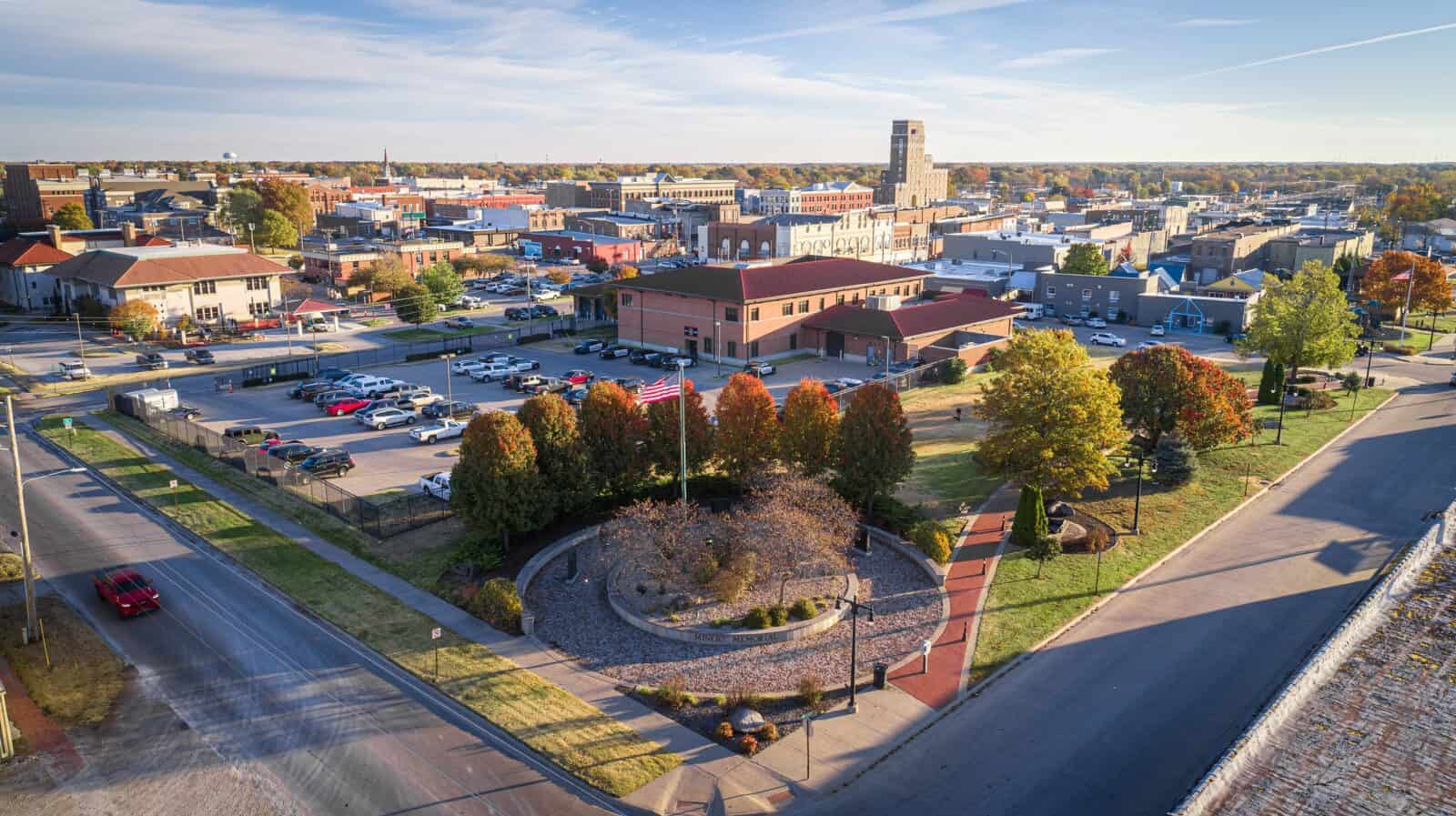
Kansas is experimenting with a more complicated magic trick: replace a core tax with a giant investment account. House Concurrent Resolution 5014 would scrap a long list of state sales‑tax exemptions and redirect roughly 2 billion dollars a year into what sponsors call the Freedom From Taxes Fund, a pool meant to grow big enough that its investment earnings can cover school costs.
If that works, supporters argue, Kansas could slash or even end school property taxes on homes, but the same coverage notes that skeptics in the legislature doubt whether a Wall Street‑backed fund can be relied on to keep the lights on every time the stock market throws a tantrum.
Nebraska
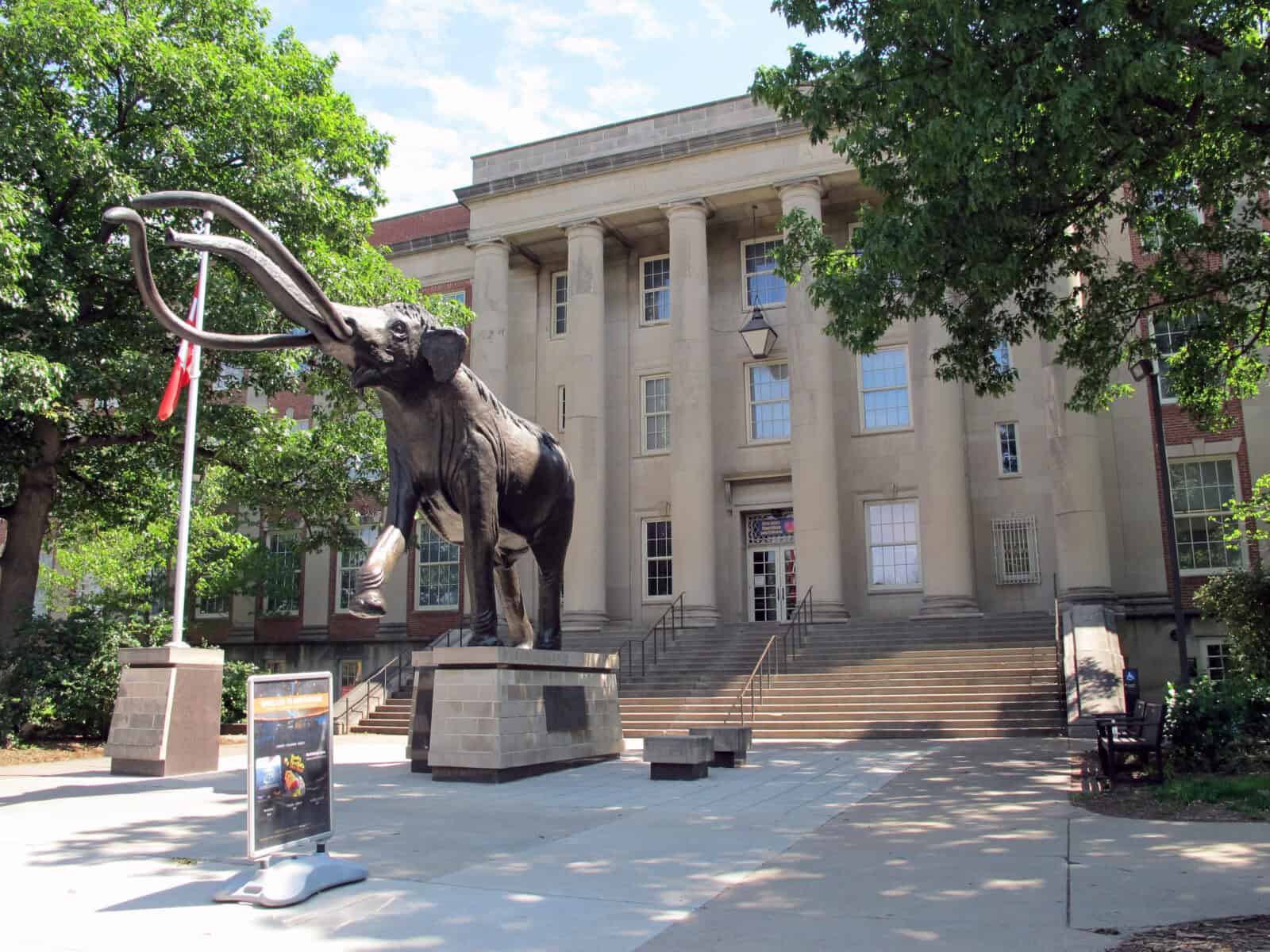
Nebraska’s tax revolt is not subtle and does not pretend to be. State senator Steve Erdman’s “EPIC Option” campaign would amend the constitution to ban state and local governments from collecting property, income, or inheritance taxes starting in 2028 and replace them with a single broad consumption tax on most new goods and services.
Organizers rebooted the measure for the 2026 ballot after falling short of signatures in 2024. While supporters promise lower property tax bills and faster growth, accountants and business groups warn that everything from nonprofits to local governments themselves would start paying the new tax on purchases, a twist that could leave rural roads and small‑town budgets in an awkward spot.
The Bigger Story

The boldest plans to cut or kill property taxes are emerging in Republican‑led states that already spent the last decade chipping away at income taxes.
A City Journal essay notes that efforts in Florida, Kansas, and Pennsylvania are part of a wider movement to reshape state tax codes so heavily in favor of homeowners that other taxpayers and future residents end up carrying the load.
Texas and Montana lean on large homestead exemptions and split‑roll systems to tilt the scales toward people who live where they own. Analysts at groups like the Institute on Taxation and Economic Policy warn that property taxes, boring as they are, pay for schools, fire trucks, and libraries in a way that sales and income taxes often do not, and that killing them outright risks turning stable local budgets into something much shakier just so this year’s bill feels lighter.
Like our content? Be sure to follow us