11 ways Venezuela’s earthquakes exposed a deeper crisis inside hospitals, schools, and homes
The earthquakes that shook Venezuela last week did more than bring down buildings. They exposed a country where hospitals were already short on medicine, schools were already strained, and families were already living on the edge. The U.S. Geological Survey recorded back-to-back magnitude 7.2 and 7.5 quakes in northern Venezuela on June 24, 2026, west of Caracas, with the stronger shock following just seconds after the first.
By the end of June, official death tolls had climbed past 1,900, with more than 10,000 people reported injured, though satellite analysis and humanitarian agencies suggested the damage may be far larger than early government counts showed. The disaster is being discussed not only because of its scale, but because it revealed how fragile everyday life had become before the ground started moving.
Hospitals had no room to absorb the disaster
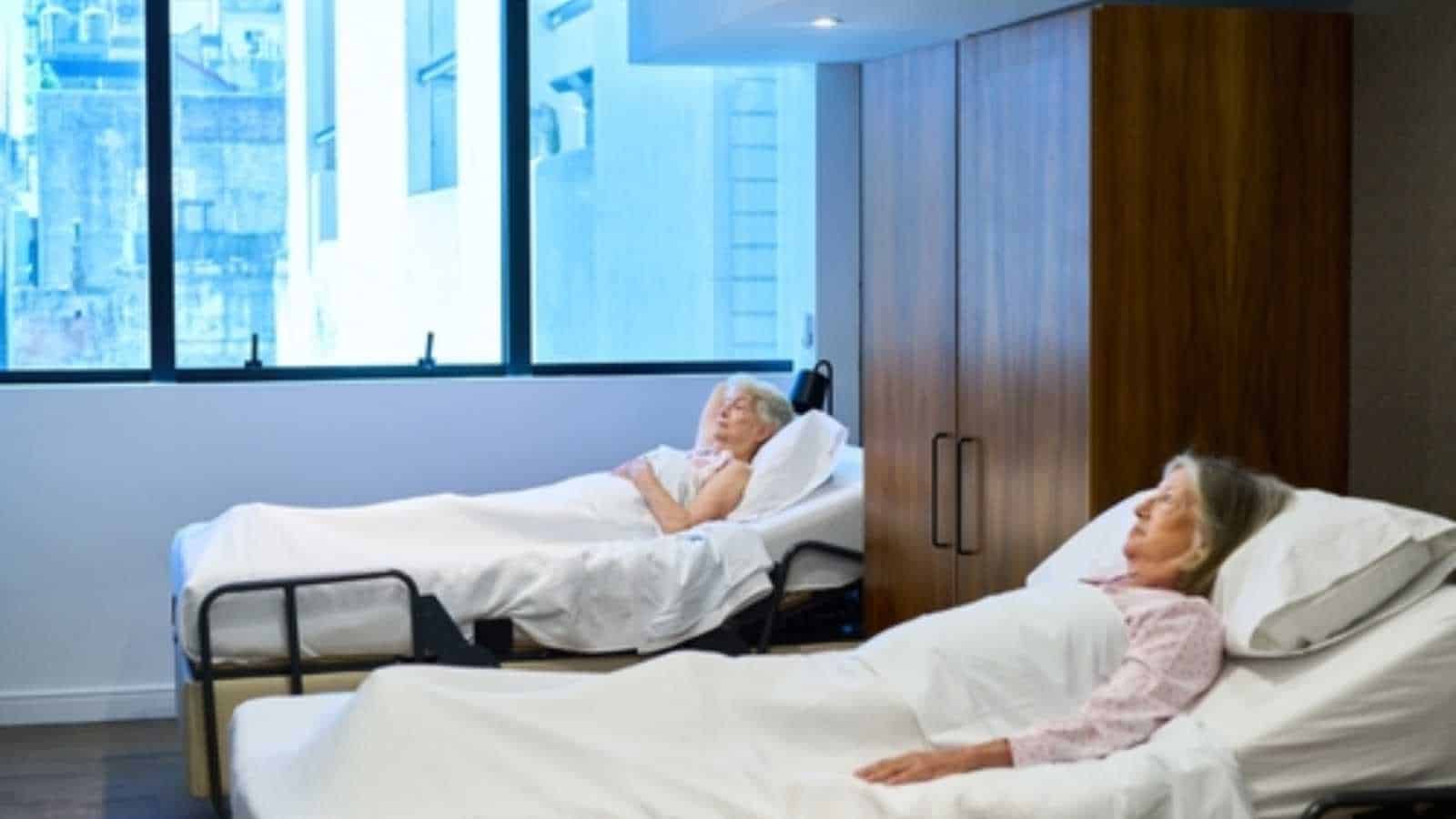
At Dr. José Manuel de Los Ríos Children’s Hospital in Caracas, Dr. Huníades Urbina Medina told CNN that the intensive care unit could treat only four children at a time, down from a previous capacity of 10. That detail became a grim symbol of the wider emergency.
A mass casualty event requires surge capacity, but doctors described a system already short of staff, ventilators, medicines, and basic supplies before the earthquakes arrived.
Children showed the human cost fastest
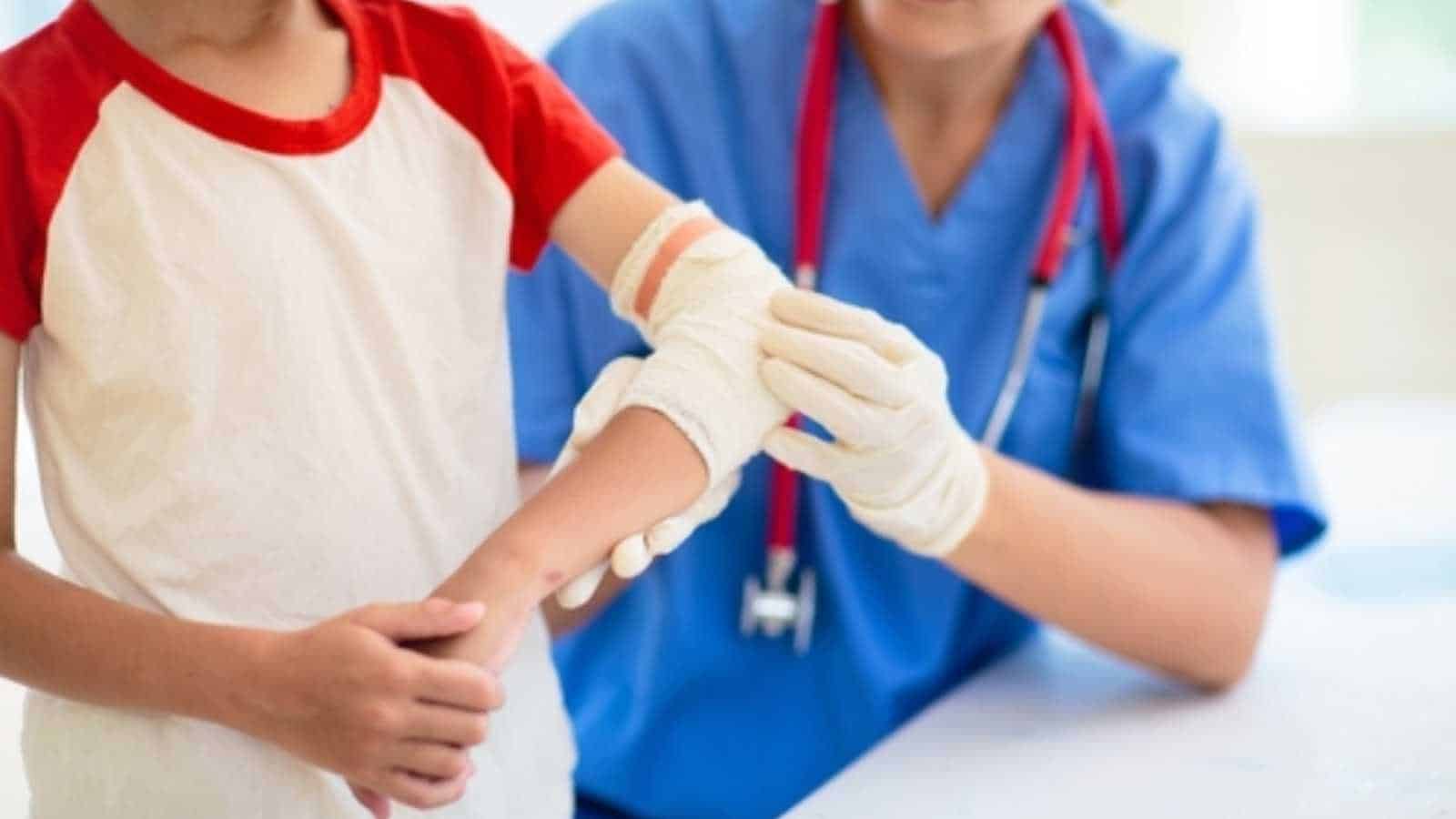
The story of a 12-year-old girl critically injured under collapsed floors put a face on the crisis. Reports from the same hospital said roughly 100 children had been treated there after the quakes, while many more were treated elsewhere. For families, this was not an abstract infrastructure story.
It was a pediatric emergency unfolding inside a country where child services were already under pressure. UNICEF said its earthquake response aimed to reach about 650,000 people, including 234,000 children.
Casualty counts became a trust problem
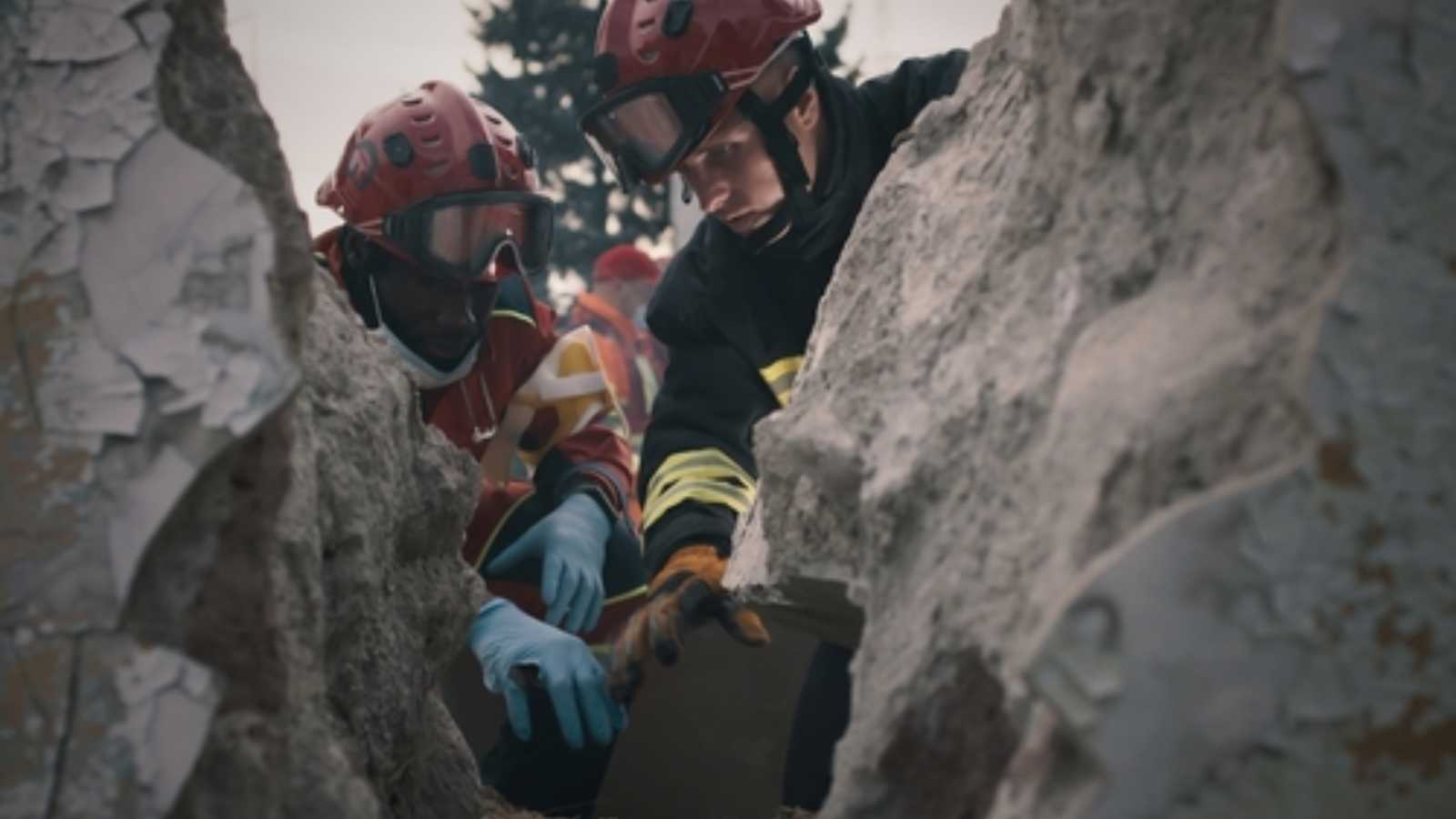
After disasters, numbers matter because they guide aid, rescue planning, and public confidence. In Venezuela, the death toll rose in stages, while experts and residents feared a major undercount. The Guardian reported that a NASA and Oregon State University satellite analysis estimated that about 58,870 buildings were likely damaged or destroyed, far beyond early official building-damage figures.
That gap helped fuel public anxiety over whether the country was seeing the full picture.
Schools became shelters overnight
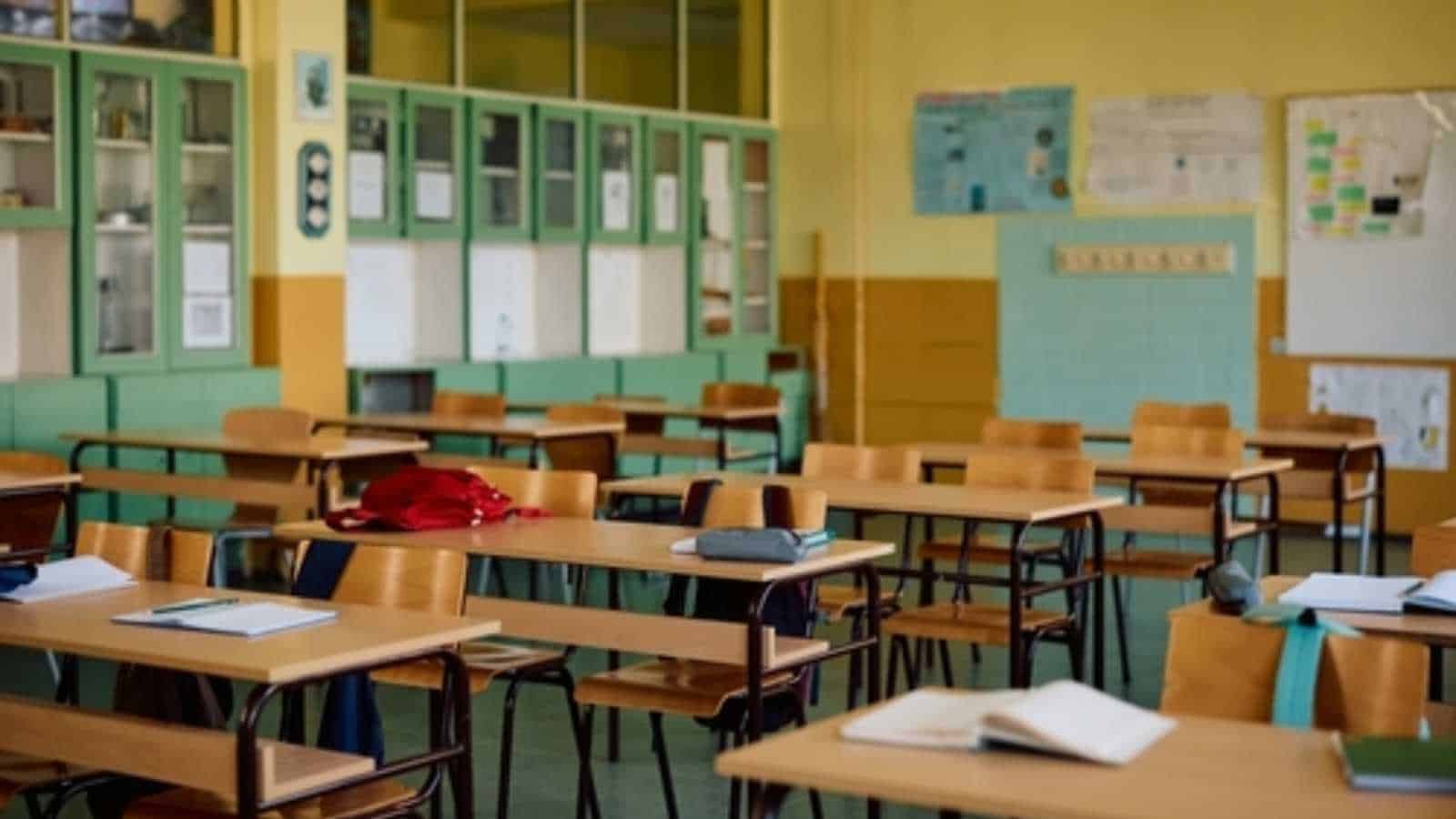
The earthquakes also exposed how quickly education systems can become emergency systems. CNN reported preliminary information suggesting 432 schools in Caracas alone had been damaged, while undamaged schools were being used as temporary shelters for displaced people.
That creates a double loss for children. First, they lose homes and safety. Then, the buildings meant for learning become crowded spaces for survival, slowing the return to normal life.
Teacher shortages made recovery harder

Venezuela’s schools were not starting from a strong position. The Education Cannot Wait-hosted EiE Hub described the country’s education system as struggling with low enrollment, weak learning outcomes, teacher shortages, and inadequate infrastructure before the earthquakes.
When a disaster damages classrooms, recovery depends on trained adults who can keep children learning, organized, and emotionally supported. A shortage of teachers makes that job harder just when children need structure most.
Basic supplies became life-saving

In a disaster, advanced surgery matters, but so do bleach, disinfectant, clean water, and working toilets. Reuters reported that the World Health Organization found Venezuela’s health system under significant strain, with chaotic patient flow, overcrowding, and growing surgical backlogs after a survey of 21 health facilities.
WHO also warned of disease risks among displaced people, especially in areas with low vaccination coverage and poor sanitation.
Damaged clinics narrowed the safety net

The country did not just face more patients. It faced fewer places to treat them. WHO said at least three health centers were critically damaged and six others were damaged or only partly functional after the quakes. That matters because every damaged clinic pushes patients toward already crowded hospitals. In disasters, geography becomes destiny.
If the nearest safe clinic closes, even treatable injuries can become life-threatening.
Homes became places people feared returning to
For families whose buildings remained standing, the crisis did not end. Cracks, aftershocks, and uncertainty turned apartments into sources of fear. Some municipalities used a traffic light-style damage code, with green for habitable, yellow for moderate damage, and red for unsafe.
FEMA’s post-disaster building guidance uses similar green, yellow, and red placards to identify inspected, restricted-use, and unsafe buildings after emergencies.
Aftershocks kept trauma alive

A smaller aftershock days later sent residents into the streets again, according to reports from Caracas and La Guaira. The physical shaking may have lasted seconds, but the psychological effect lasted much longer. The Guardian reported that a strong aftershock on June 29 disrupted rescue work and frightened people already sleeping in makeshift shelters.
For survivors, each tremor raised the same question: Is the building safe, or is the next collapse coming?
Migration drained the people needed most
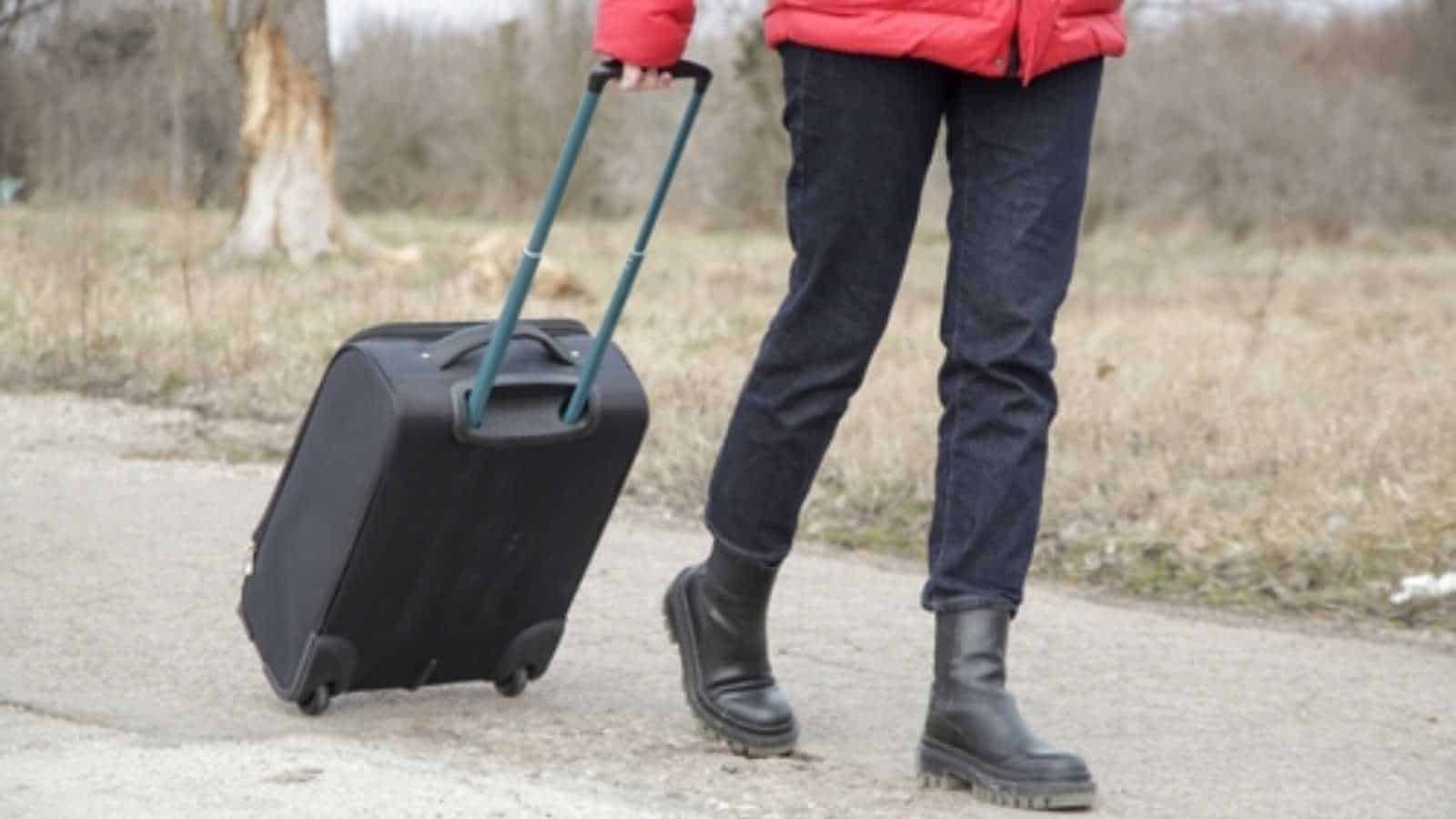
Venezuela’s long crisis has also been a crisis of people leaving. UNHCR says nearly 7.9 million refugees and migrants from Venezuela are now recorded globally. That outflow includes families, workers, teachers, engineers, and medical professionals.
When disaster strikes, a country needs exactly those people to inspect buildings, run shelters, repair services, treat injuries, and restart schools. The earthquakes turned brain drain into an emergency response problem.
Aid needs to be revealed in the larger emergency
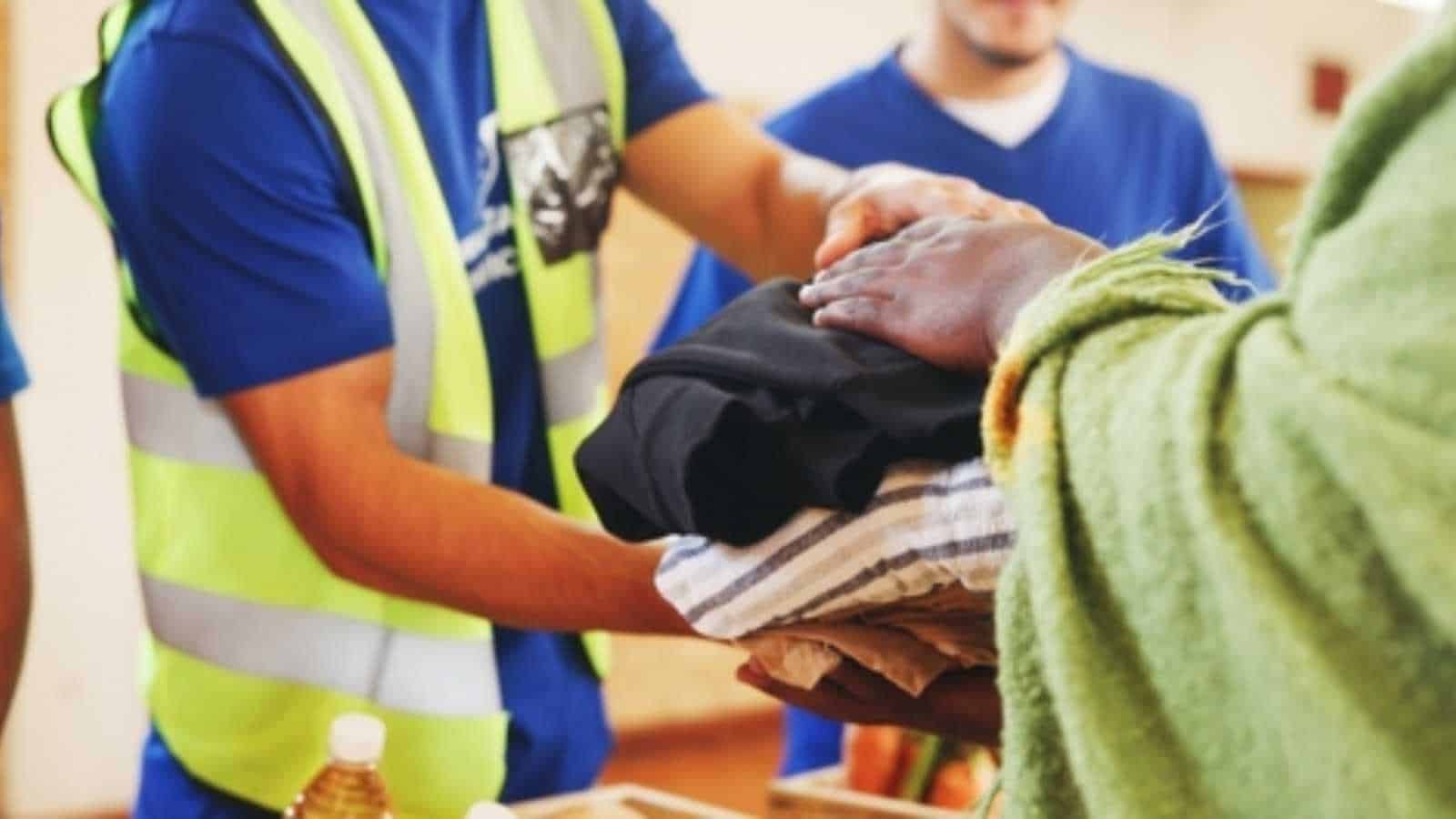
The United Nations estimated that up to 6.8 million people may need humanitarian aid after the earthquakes, including shelter, clean water, sanitation, and medical care. That figure shows why the disaster is larger than broken concrete. It is about public health, food, housing, education, and trust.
The earthquakes did not simply interrupt normal life. They exposed how many Venezuelans had been living without a reliable safety net.
What the earthquakes really revealed
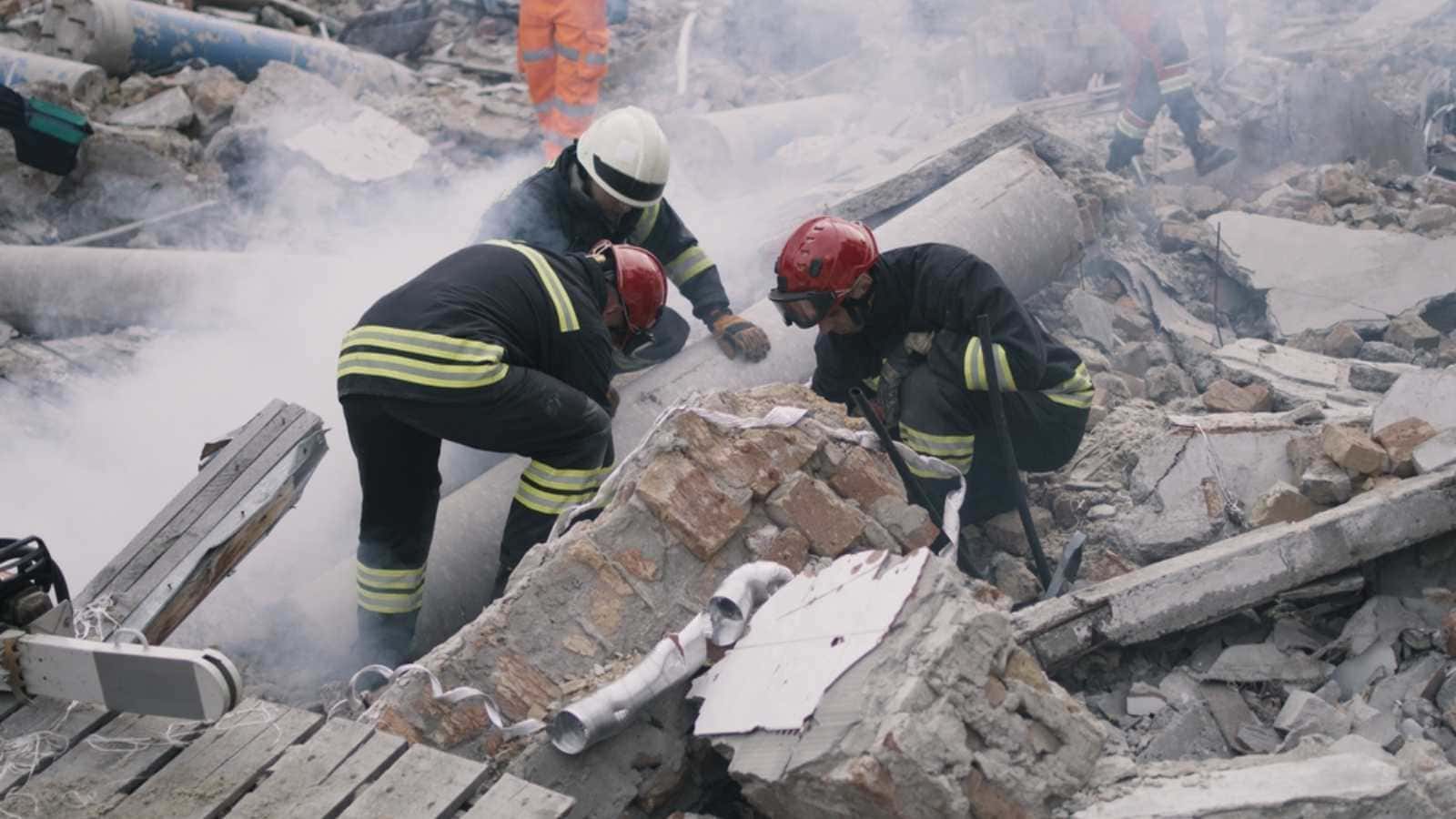
Venezuela’s earthquakes are being closely watched because they reveal what happens when a natural disaster hits a society already under pressure. The quakes collapsed buildings, but they also revealed weak hospitals, fragile schools, exhausted families, and institutions with little capacity to absorb shock.
Disasters test not only emergency crews but the everyday systems people depend on before the sirens begin.
Key takeaways
Venezuela’s earthquakes became a national tragedy because the shaking compounded a deeper crisis already present in hospitals, schools, and homes. The country now faces not only a rescue mission but a long recovery shaped by trust, staffing, public health, safe housing, and the urgent need to rebuild systems that were struggling long before the ground gave way.
Disclaimer – This list is solely the author’s opinion based on research and publicly available information. It is not intended to be professional advice.
Like our content? Be sure to follow us.