12 1950s habits that would get you in serious trouble now
Watch a movie from the 1950s, and you’ll quickly realize half the things people did without a second thought would get you escorted out—or arrested—today.
Watching classic movies from the mid-century era can feel like you are observing a completely different planet. People engaged in behaviors that would make modern human resources departments scream, and lawyers start typing furiously. It was a time when safety regulations were loose suggestions and social norms were wildly different. We often forget how much the legal and social rules have shifted in the last seventy years.
While some folks miss the perceived simplicity of those days, many behaviors were rightfully left behind in the dustbin of history. You might be surprised to see just how many everyday actions from that decade are illegal now. Let’s take a walk down memory lane to see what casual habits would land you in hot water today.
Disciplining Other People’s Kids

It was common for a neighbor or teacher to scold a child who was misbehaving in public physically. Parents generally supported other adults keeping their kids in line when they were not around. The village approach to parenting involved much more physical intervention than we allow today.
Touching a child that is not yours is a quick way to get arrested for assault in the modern world. Boundaries regarding physical contact have shifted drastically to protect children from abuse. Parents are now the sole authority figures allowed to make decisions about discipline.
Lighting Up A Cigarette Anywhere You Please

In the fifties, lighting up at your desk was as common as drinking coffee is for us right now. You could puff away in movie theaters, grocery stores, and even hospital waiting rooms without anyone batting an eye. According to the CDC, cigarette smoking among U.S. adults has dropped significantly from 42.4% in 1965 to 11.5% in 2021.
Try sparking a cigarette in an office building today and see how fast security escorts you out the door. Most states ban indoor smoking entirely to protect people from secondhand smoke exposure. This marks a massive shift in public health priorities that would baffle the average person from 1955.
Driving Without Seatbelts Or Car Seats

Cars back then were built like tanks, but safety features were practically nonexistent for the average family. Most folks treated seatbelts as optional decorations rather than life-saving devices. It was totally normal to see kids bouncing around in the back seat or lying across the rear window ledge.
If a police officer spots you unbuckled now, you’ll get a ticket faster than you can blink. National campaigns have been incredibly effective at changing this dangerous habit over the decades. Data from the Department of Transportation show that the national seat belt use rate reached a record 91.9% in 2023.
Casual Workplace Harassment

The office culture depicted in television dramas like Mad Men was not too far off from the grim reality. Bosses frequently made comments to secretaries that would result in an immediate lawsuit in this era. Women were often judged on their appearance rather than their skills, and there was little recourse.
Human resources departments did not exist to protect employees from such aggressive behavior back then. Today, strict laws protect workers, and that old-school banter is a one-way ticket to unemployment. The EEOC reported receiving 73,485 workplace discrimination charges in fiscal year 2022 alone.
Leaving Children Unsupervised For Hours

Parents used to kick their kids out the door after breakfast and tell them to come back when the streetlights came on. There were no cell phones to track them, and nobody called the police for child neglect. It was assumed that the neighborhood would watch out for the kids as a collective group.
If you leave a six-year-old alone at a park now, a concerned bystander will likely call the authorities on you. Society has tightened its grip on supervision standards to keep little ones safe from harm. What was once considered a form of building independence is often viewed, legally, as endangerment in modern times.
The Three Martini Lunch

The liquid lunch was a staple for many businessmen who wanted to grease the wheels of a deal. Throwing back hard liquor in the middle of the workday was seen as sophisticated rather than a problem. Employees would return to their desks buzzing with alcohol, and nobody thought twice about it.
Showing up to your cubicle smelling like gin today will trigger an intervention or a firing. Most employee handbooks strictly forbid alcohol consumption during working hours for obvious liability reasons. The NHTSA notes that about 30% of all traffic crash fatalities in the United States involve drunk drivers.
Throwing Trash Out The Car Window
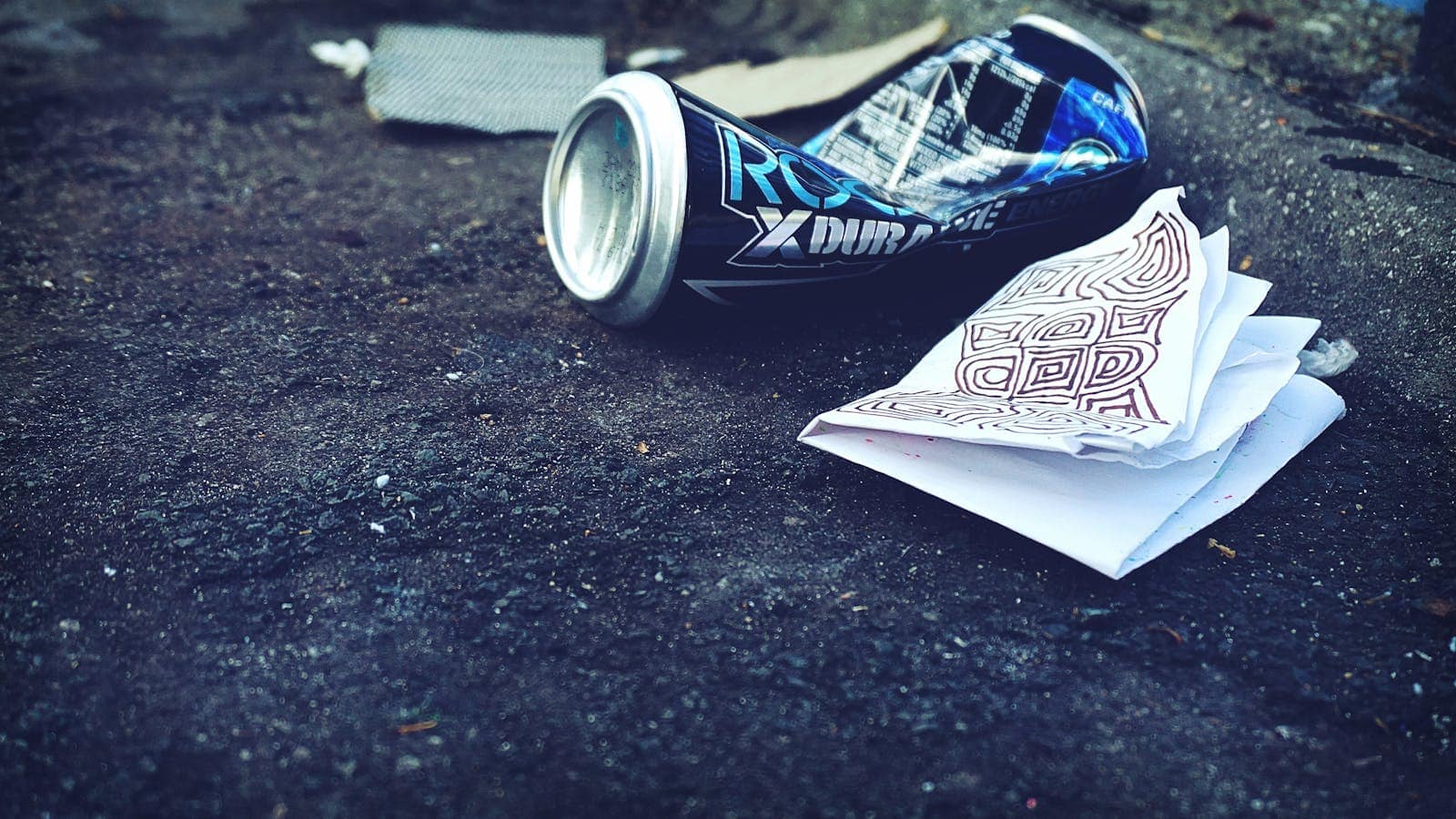
It was socially acceptable to finish a soda and toss the bottle right out the window onto the highway. People treated the roadside like a personal trash can because environmental awareness was barely a concept. The idea of keeping a trash bag in your car was foreign to most drivers back then.
You will face hefty fines ranging from hundreds to thousands of dollars for tossing trash today. Modern laws reflect a desire to keep our highways clean rather than treating nature like a dump. Keep America Beautiful reports that there are 50 billion pieces of litter on the U.S. waterways and roads.
Burning Garbage In The Backyard

Many suburban families had a dedicated incinerator or a burn barrel right in their back garden. Saturday chores often involved lighting a match to the week’s garbage and filling the neighborhood with smoke. It was just the standard way to get rid of waste before municipal collection was widespread.
Environmental regulations and strict HOA rules have made backyard burning illegal in most residential areas. You would have the fire department and police at your door within minutes if you tried this. This practice releases dangerous toxins into the air that we now know are harmful to breathe.
Openly Discriminating In Housing

Landlords and real estate agents in the fifties could legally refuse to sell or rent homes to people based on race. Entire neighborhoods were gated off socially and legally to prevent integration. This systemic bias prevented millions of Americans from building generational wealth through homeownership.
The Fair Housing Act of 1968 finally made it illegal to discriminate based on race, religion, national origin, or sex. If a landlord tries to pull those stunts today, they face severe federal penalties and lawsuits. We are still working to undo the damage caused by decades of these exclusionary housing practices.
Using Lead Paint And Asbestos
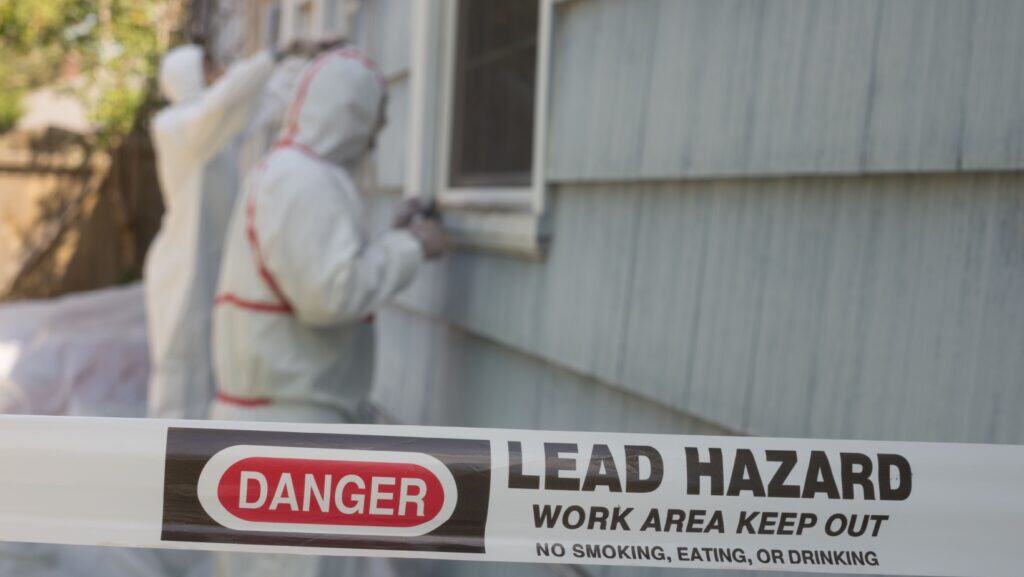
Homeowners happily slapped coats of lead-based paint on their walls and installed asbestos tiles for insulation. Nobody knew these miracle materials were actually silent killers waiting in the walls. They were praised for their durability and fire resistance rather than scrutinized for safety.
If you try to use banned materials during a renovation now, the EPA will come down on you hard. Contractors must follow specific abatement procedures to handle these toxic substances safely. Federal regulations officially banned the consumer use of lead-based paint in 1978 to protect public health.
Asking Personal Questions In Interviews

Employers used to ask women if they planned to get pregnant or ask men about the church they attended. These questions were standard practice to determine whether a candidate fit the company’s social mold. Privacy during the hiring process was practically nonexistent for the average job seeker.
Asking about family status or pregnancy plans is a violation of federal employment laws today. Companies train hiring managers to avoid these topics to prevent costly discrimination lawsuits. Hiring is now supposed to be based on your ability to do the job.
Advertising Cigarettes With Health Claims

Doctors actually appeared in advertisements claiming that certain brands were better for your throat than others. Magazines were full of ads suggesting that smoking could actually improve your digestion or nerves. It was a golden age of misinformation that hooked millions of people on a deadly habit.
Making false health claims about tobacco products now violates strict FDA and FTC regulations. You cannot market a product as healthy when it is proven to cause cancer. Cigarettes remain the leading cause of preventable death, killing more than 480,000 people per year in the U.S.
15 Things Women Only Do With the Men They Love

The 15 Things Women Only Do With the Men They Love
Love is a complex, beautiful emotion that inspires profound behaviors. We express our love in various ways, some universal and others unique to each individual. Among these expressions, there are specific actions women often reserve for the men they deeply love.
This piece explores 15 unique gestures women make when they’re in love. From tiny, almost invisible actions to grand declarations, each tells a story of deep affection and unwavering commitment.