12 budget habits that aren’t as smart as they seem
Americans are trying harder than ever to stretch their money, but some popular “budget hacks” may actually backfire over time. According to The Motley Fool, household debt in the U.S. climbed to roughly $18.8 trillion by late 2025, while credit card balances hit a record $1.27 trillion. At the same time, the personal savings rate has remained well below its long-term average.
That financial pressure has fueled a wave of extreme budgeting advice on social media and personal finance blogs. But not every money-saving strategy leads to real financial stability. In some cases, aggressive frugality can increase stress, create hidden costs, or even make it harder to build long-term wealth.
Here are 12 budget habits that aren’t always as smart as they seem.
Buying in bulk too often

Bulk buying feels like a gold star moment, especially at warehouse stores with giant carts and giant savings signs. But the deal loses its sparkle when food spoils, snacks go stale, and extra products crowd your cabinets. ReFED reports that the average American spent over $760 in 2024 on uneaten food. This shows how “cheap per unit” can still become expensive at home.
A jumbo pack only helps when your household uses it before it expires. Buy in bulk for toilet paper, rice, detergent, and other staple items. Skip the mega size for trendy snacks, fresh produce, and sauces you barely touch.
Chasing every coupon
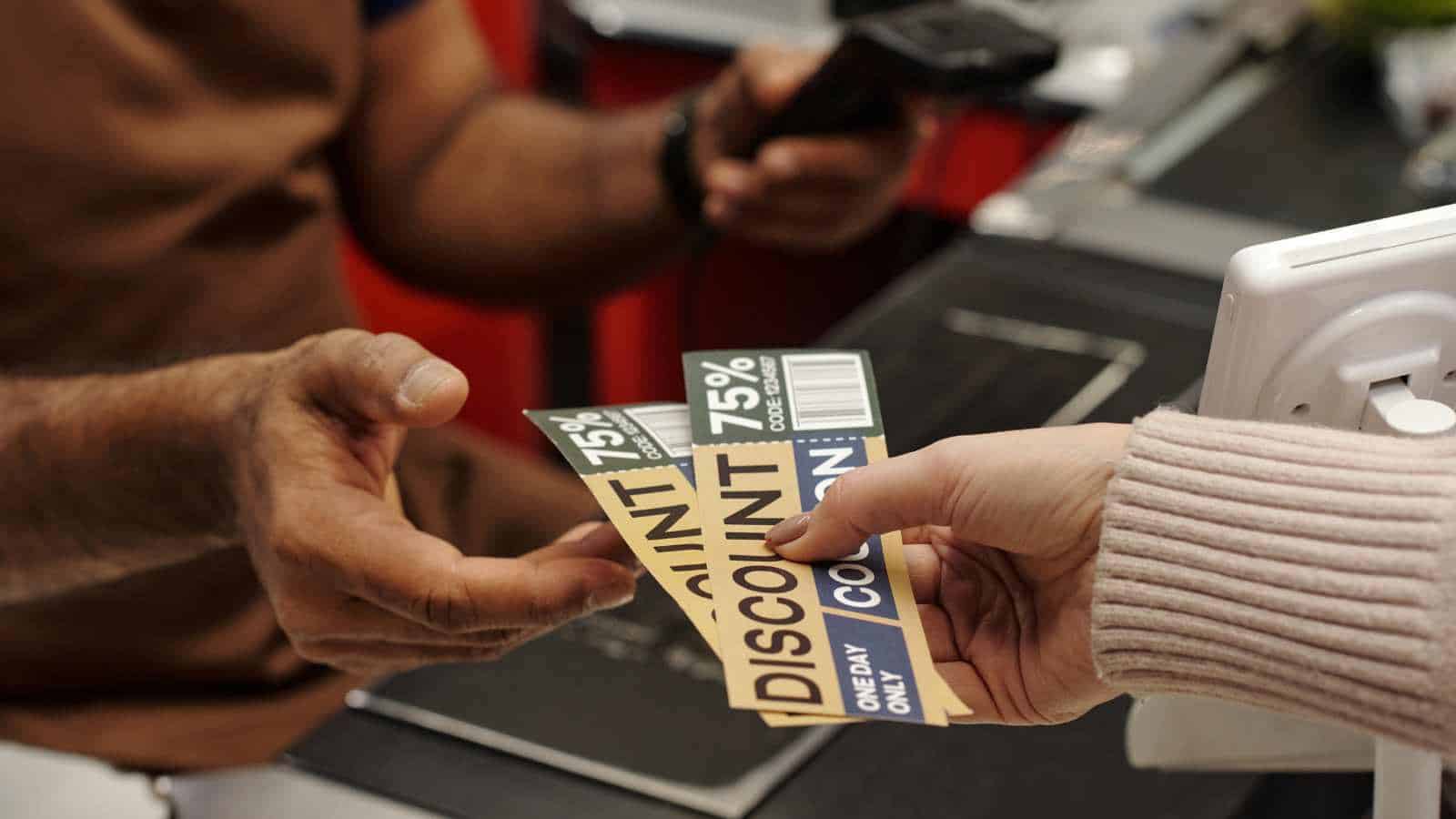
Coupons can save money, but coupon hunting can also turn shopping into a game you keep playing for too long. You start with toothpaste and end up with three candles, two new snacks, and a face serum you never planned to buy. Capital One Shopping reported in 2026 that 62% of online shoppers search for coupons or discount codes before making a purchase.
The danger starts when the coupon decides the purchase for you. A discount does not make clutter cheaper. Use coupons for items already on your list, then close the tab and keep your budget cute.
Skipping insurance

Cutting insurance can feel like instant relief when monthly bills pile up. The problem arises when one accident, illness, leak, or stolen phone turns a small saving into a very loud bill. According to Nationwide, 31% of Americans reported that they could not afford an unexpected $500 out-of-pocket medical bill in 2025.
Insurance rarely feels fun, but it protects your budget from shocks that don’t ask for permission. You can still shop around and carefully raise deductibles. Just avoid treating coverage as dead weight. A lean policy beats no safety net at all.
Doing everything yourself

DIY can feel empowering, and sometimes it truly saves the day. You can paint a room, organize a closet, fix a loose knob, and feel like the queen of practical living. But some jobs punish guesswork. Angi reports that average emergency home repair spending rose to 1,143 dollars in 2025.
A risky DIY job can cost more after a pro has to undo the damage. Save your energy for simple, safe projects. Pay for expertise when plumbing, wiring, roofing, car repairs, or safety come up in the chat.
Only buying sale items

Sale tags have a sneaky way of making wants look like needs. A sweater you ignored at full price suddenly looks like destiny at 40% off. McKinsey’s 2025 consumer research found that 47% of U.S. consumers surveyed said they wait for a sale or promotion when buying apparel or footwear.
Waiting for a deal can help, but buying just because something dropped in price can wreck the plan. Ask one simple question before checkout. Would you still want it without the sale sticker? If the answer feels shaky, your wallet already knows.
Cutting out all fun

A no-fun budget looks powerful for about two weeks. Then life starts to feel like a punishment with receipts. The Federal Reserve reports that 60% of adults said price changes made their finances worse in 2024.
If you remove every small joy, stress can push you toward a bigger splurge later.
A tiny treat line in your budget can keep you steady. Think coffee with a friend, one streaming service, a manicure fund, or a guilt-free lunch. Discipline works better when it leaves room to breathe.
Picking the cheapest option

The cheapest item may appear as the grown-up choice at checkout. Then it breaks, fades, shrinks, squeaks, cracks, or quits right after the return window closes. The Bureau of Labor Statistics reported that U.S. households spent an average of 655 dollars on women’s apparel in 2023.
Cheap clothes, shoes, appliances, and services can become expensive if you replace them often. Better value may cost more upfront and last longer. Look at quality, reviews, warranty, fit, and use. Your budget deserves sturdy choices, not just low prices.
Ignoring tiny purchases

Small buys feel harmless because they rarely look dramatic on their own. A coffee, a parking fee, a delivery charge, a lip gloss, and an app upgrade can hide in plain sight.
A few casual swipes can eat the cushion that should cover gas, school supplies, or a surprise prescription. You do not need shame. You need visibility. Check your bank app once a week and name the pattern. Once you see it, you can tame it.
Overspending for rewards

Cash back and travel points can feel like free money with a bow on top. They work nicely when you buy planned items and pay the balance in full. Trouble starts when points persuade you to spend more than you intended.
Rewards never beat interest charges. Treat points like confetti, not a strategy. Buy what you planned, pay it off, and let the perks stay in their lane.
Delaying maintenance
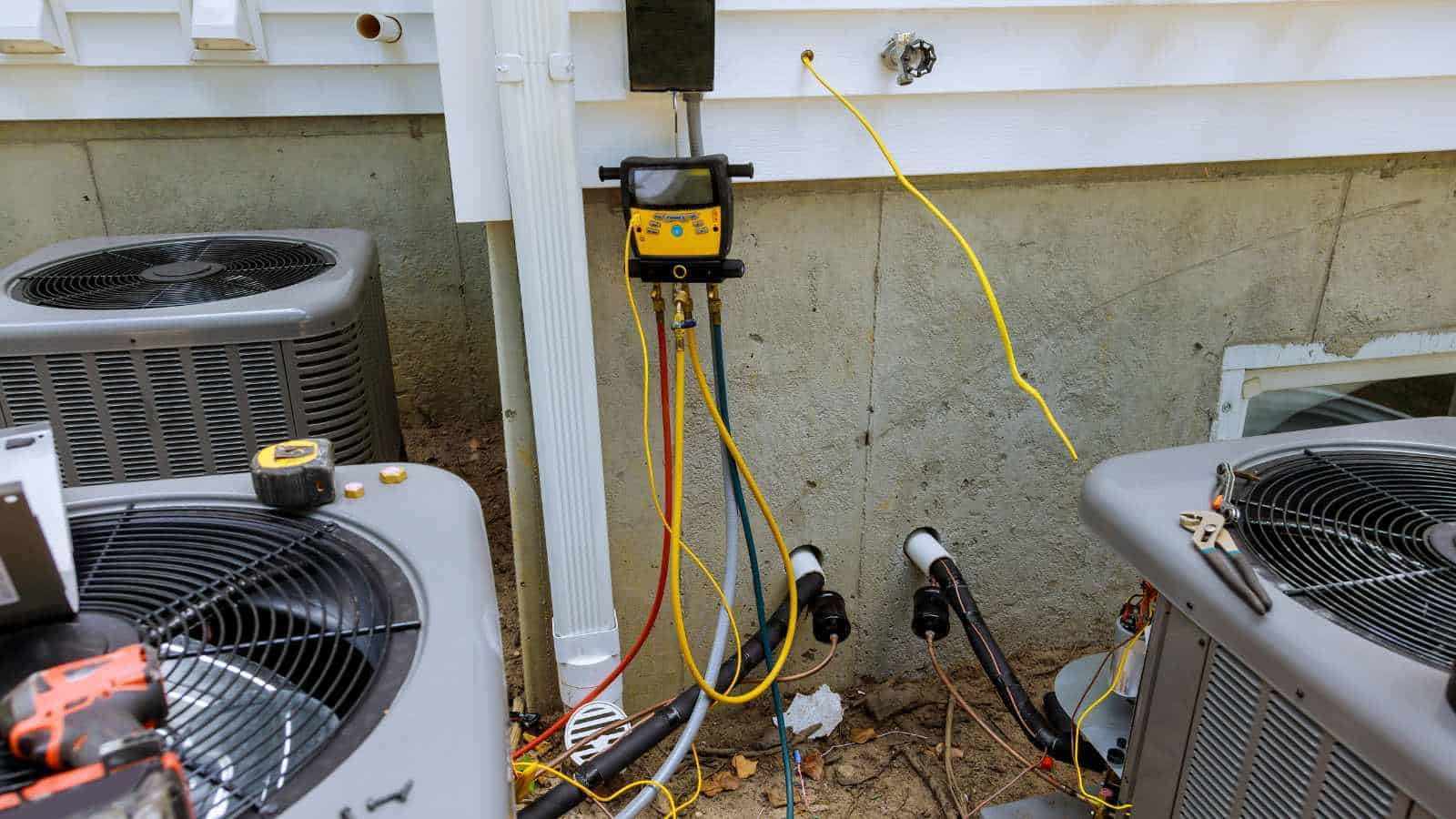
Skipping maintenance feels like saving money today, but in the future, you may send a very annoyed invoice. Cars, appliances, teeth, HVAC systems, gutters, and laptops rarely forgive neglect. ConsumerAffairs reports that annual car maintenance typically costs between $400 and $1,200.
Delaying it can turn a routine fix into an emergency repair. Set aside a small monthly amount for maintenance before trouble starts. You will feel less shocked when the tire light glows, the dentist finds something early, or the washing machine starts acting up.
Relying only on cash

Cash can help you feel every dollar leave your hand. That makes it useful for groceries, fun money, and impulse control. But a cash-only life can limit your options in a digital economy.
You still need a healthy money trail for credit, rentals, travel, and online purchases. Use cash where it helps. Use a card for planned expenses, then pay it off monthly. Balance beats extremes.
Making the budget too strict

A strict budget can look gorgeous in a spreadsheet and miserable in real life. Every dollar has a job, but your life also needs breathing room.
If your plan allows no wiggle room, one bad week can blow it apart. Build a flexible line for surprises and small joys. A budget should guide you, not scold you like a cranky aunt.
Key takeaway
The best budget habits make your life calmer, not smaller. Bulk deals, coupons, cash, sale shopping, DIY projects, and strict rules can help in the right place. They can also backfire, pushing you into clutter, stress, repairs, debt, or a joyless life. A smart budget protects your essentials, plans for maintenance, keeps insurance in place, and leaves room for tiny pleasures that help prevent burnout.
The real goal is simple. Spend with intention, not pressure. Choose value over cheapness. Track small leaks before they turn into monthly drama. Keep the habits that serve your future self, and drop the ones that only look smart from the outside.
Disclaimer – This list is solely the author’s opinion based on research and publicly available information. It is not intended to be professional advice.
Like our content? Be sure to follow us