12 Childhood Items That Were Considered Luxuries Growing Up
If you grew up in the ’90s or early 2000s, you probably remember desperately begging your parents for that new toy or gadget that your friends had, something that seemed like a world away from your family’s budget. While kids today might seem to have it easy with endless streaming services, gaming consoles, and a plethora of gadgets, there was a time when certain childhood staples felt like true luxuries.
According to UNICEF’s November 2025 report, over 400 million children, roughly 1 in 5, in low- and middle-income countries live in extreme poverty, surviving on less than $3 a day. That means that those toys and gadgets we once longed for were out of reach for many, and the desire to own them only amplified the gap in social class and opportunity.
Can we take a trip down memory lane? These 12 childhood items were once considered the symbols of luxury for many kids growing up.
Having your own bedroom
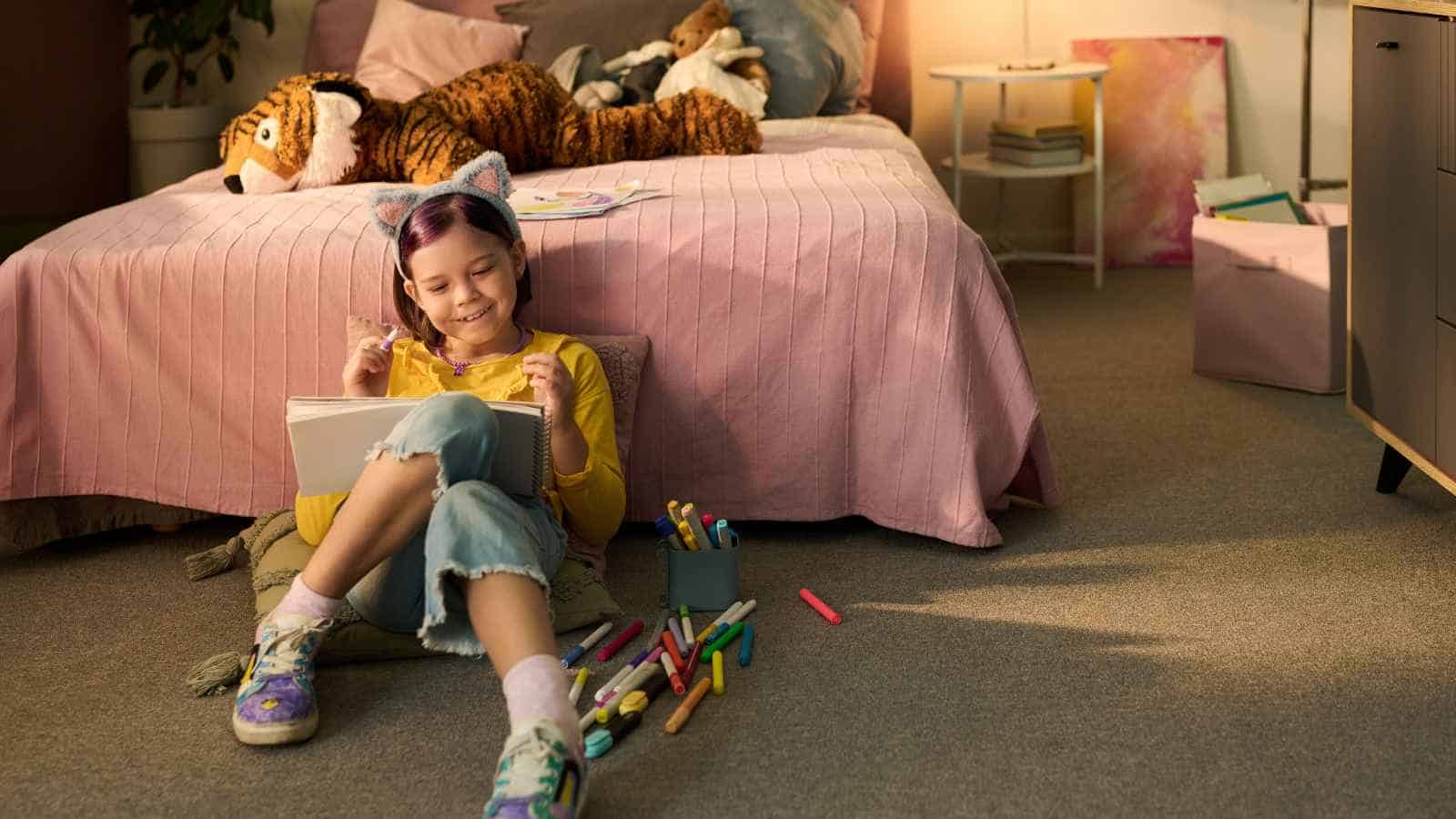
Think back to that golden moment you finally scored a room of your own. It wasn’t just four walls and a door; it was a sovereign nation where you held the only passport. While some kids treated a private bedroom like a basic human right, for those of us in crowded, lower-income households, it was more like winning a high-stakes lottery.
Sharing a bunk bed with a snoring sibling or navigating a floor littered with someone else’s plastic bricks was the daily grind. Snagging your own square footage meant an end to the “he’s touching me” era and the start of a glorious, quiet, and slightly messy independence.
Branded toys and trendy gadgets
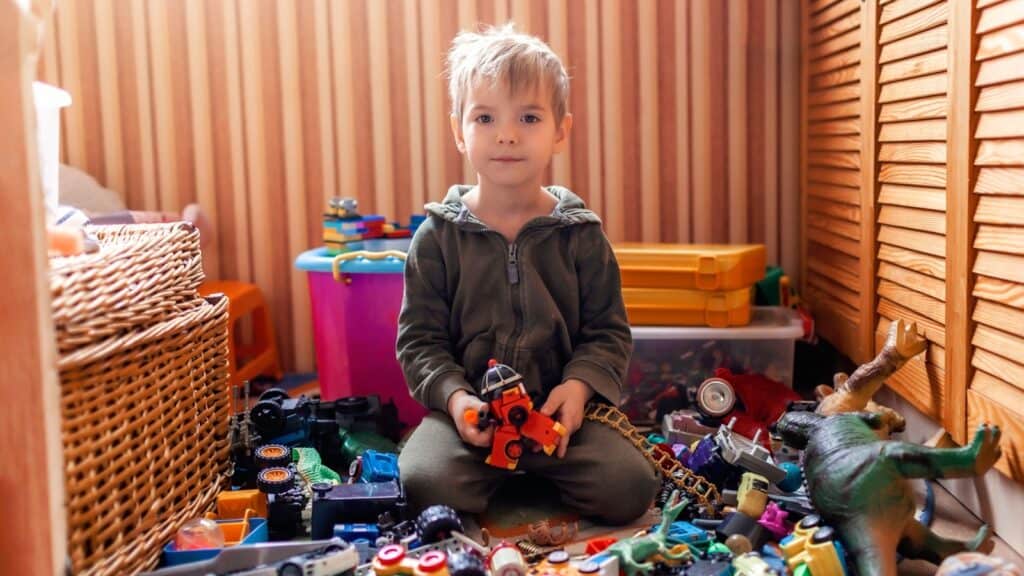
The Brainy Insights states that the global toys market was valued at $282.36 billion in 2023 and is projected to reach approximately $530.04 billion by 2033. While high-tech drones and designer dolls dominate the shiny aisles of elite boutiques, nearly 20% of children globally are navigating extreme poverty, where a simple ball is a luxury, not a given.
This creates a stark schoolyard divide: one side of the fence flaunts silicon-chipped wonders while the other makes do with imagination and grit. Bridging this gap isn’t just about fun and games; it’s about ensuring every child gets a fair shot at the magic of play.
Store-bought snacks and fast food treats

The school bell rings, and while some kids sprint toward the neon glow of a vending machine for a bag of salt-dusted joy, others find the concept of a “snack” to be a mythological creature. We often forget that those crunchy, branded treats were more than just afternoon fuel; they were a status symbol of stability.
For millions living on less than $3 a day, a single candy bar isn’t a casual impulse buy; it’s a financial heist that could wipe out several days of actual meals. This isn’t just about caloric intake; it’s about a world where convenience is a luxury and the simple act of snacking marks a profound social divide.
Owning a gaming console

Owning a childhood console felt like holding a golden ticket, but the stats prove that not everyone got to play. Pew Research Center data reveal that approximately 83% of U.S. teens aged 13–17 have access to a gaming console.
Income levels dictate who gets to save the princess and who stays on the sidelines, turning a simple plastic box into a stark symbol of the digital divide. It’s more than just missing out on high scores; it’s a gap that defines leisure before the first level even loads. For some, the sleek hardware is a standard bedroom fixture, but for others, it’s a rare luxury that stays out of orbit.
Also on MSN: These 12 Childhood Memories Prove You Had the Real Deal
New school supplies and fancy backpacks

Remember the rush of a pristine notebook and pens that actually had their caps? For the lucky few, September was a high-fashion runway of ergonomic straps and color-coordinated lunchbox sets. While some kids strutted in with the “new car smell” of fresh polyester, others played a high-stakes game of Tetris with leaky hand-me-downs and fraying straps.
Those glossy supplies weren’t just tools; they were a quiet flex, a signal that you were geared up for the Ivy League while everyone else was just trying to keep their loose-leaf paper from escaping. It’s the classic tale of the haves, the have-nots, and the ones just hoping their zipper held.
A family car and being driven everywhere

In the U.S., a family car wasn’t just a hunk of metal; it was a high-octane golden ticket. While some kids were chauffeured to soccer in leather-trimmed minivans, others were master navigators of the city bus or the sidewalk. OECD research shows income has a strong positive effect on car ownership and use, with higher-income households more likely to use cars for daily activities.
This gap dictated who could hit the midnight movies and who stayed home. Owning a set of wheels meant more than avoiding the rain; it defined the safety of your commute and whether you could actually make it to drama club. Life moves fast, but only if you have the keys.
Paid extracurricular activities and lessons

Think of extracurriculars as the secret sauce of childhood: a dash of cello, a sprinkle of soccer, and a heavy dollop of calculus tutoring. They build grit, teamwork, and occasionally, a very expensive trophy collection. However, for many families, the price tag on these “extras” feels less like a fee and more like a ransom.
While some kids are mastering the backstroke or Mandarin, others are sidelined by a budget that barely covers the essentials. This “enrichment gap” isn’t just about missing a game; it’s about the uneven playing field that starts long before the first whistle blows. Closing it means making sure every kid gets a shot at the spotlight.
Brand-name sneakers and fashion

Sneakers like Nike, Adidas, and Jordan once symbolized social status, especially among teens. Piper Sandler’s 2023 semi-annual “Taking Stock With Teens” surveys, Nike solidified its position as the number-one footwear brand among teens, holding a dominant share of mindshare. However, these expensive brand-name sneakers were often out of reach for lower-income households.
Many teens envied their peers who had the latest releases, but for kids growing up in poverty, a new pair of sneakers from a discount store was often the best they could get. Brand-name fashion wasn’t just about comfort; it was about fitting in.
Big birthday parties and store-bought cakes

Once, a towering store-bought cake and a mountain of neon-wrapped gifts were the gold standard of childhood dreams, the kind of cinematic bash where sugar crashes were a rite of passage. But for many kids, that Technicolor vision was locked behind a heavy vault of financial reality.
Those sprinkles and party favors weren’t just “extra”; they were essentially mythical artifacts. While others blew out candles, these families were busy mastering the art of conjuring magic from thin air. It’s time to flip the script on what a real celebration looks like when the budget is zero, but the heart is overflowing.
Going on family vacations

While some families treat a week in Maui like a casual grocery run, others find a weekend at the local lake feels like a mission to Mars. Priceline’s 2026 data shows 87% of parent travelers are actively involving their children in planning summer vacations, highlighting a strong prioritization of family leisure travel. Yet, for millions, the “great outdoors” is just the view from a bus stop.
Travel isn’t just about fresh air; it’s a glaring receipt of the wealth gap. Luxury isn’t merely a mood; it’s a gatekeeper. We’re navigating a world where some chase sunsets in First Class while others just hope the car makes it to the next county.
Owning lots of books and a home “library”

Imagine a home library: it’s less about dusty shelves and more about a childhood fueled by infinite “what-ifs.” Once, a personal stack of picture books was the ultimate status symbol for brainpower, a secret map to literacy that not every kid could afford to unfold.
While some lucky rascals grew up in literal towers of leather-bound gold, others found their magic in sparse collections or borrowed pages. It’s wild how a simple shelf can act as a launchpad, turning a quiet corner into a high-octane engine for future genius. Those early stories weren’t just paper; they were the spark that built the brightest minds.
Personal electronic devices

While smartphones are now as common as teenage angst, Pew Research Center reports, approximately 95% of U.S. teens aged 13–17 have access to a smartphone, making it nearly universal technology. For many, that sleek glass rectangle was once a rare artifact of the elite, marking a sharp line between those in the loop and those left in the analog dust.
But let’s talk about a different kind of flex: the home library. Forget data plans; the real status symbol was a wall of floor-to-ceiling bookshelves. Owning a massive collection of physical books was the original high-speed connection, a towering testament to curiosity that never required a charger or a Wi-Fi signal.
Key Takeaway

Remember those kids with floor-to-ceiling bookshelves? In the ’90s, a home library wasn’t just a flex; it was the peak of childhood status. While some of us were hoarding beat-up paperbacks, others had built-in mahogany shrines for encyclopedias. These “luxuries” were the quiet markers of privilege, much like the coveted name-brand sneakers or the legendary family trip to a theme park. Looking back, these shiny status symbols highlight a massive gap in experience. Bridging that divide means ensuring the next generation values the stories inside the books more than the fancy shelves holding them up.
Disclosure line:
This article was developed with the assistance of AI and was subsequently reviewed, revised, and approved by our editorial team.
Like our content? Be sure to follow us.