12 common household habits people don’t realize are against the law
You probably break the law every single day without even realizing it. I sat in my living room last week, totally stunned, after learning that a “harmless” favor I did for a neighbor technically counted as a federal crime. It sounds dramatic, but civil liberties lawyer Harvey Silverglate estimates in his book Three Felonies a Day that the average professional in the US unknowingly commits about 3 federal crimes a day. We assume common sense dictates the law, but unfortunately, the legal system does not always agree with our intuition.
You might think you are safe inside your own home, but several mundane habits actually violate state or federal regulations. I pulled together some startling data and legal codes to show you exactly where we often trip up. Do you commit any of these accidental crimes? Let’s find out.
Sharing Your Neighbor’s Wi Fi Without Permission

“Piggybacking” on a neighbor’s unsecured Wi Fi can feel harmless, but many states treat unauthorized access to a home network as a computer crime. For example, according to Nolo, California, Michigan, and Florida have statutes that treat knowingly using someone else’s Internet service without permission as a misdemeanor or worse.
Legal guides also note that most Internet providers prohibit sharing a home connection between households in their terms of service, so both the free rider and the paying customer may face penalties or account closure.
Letting Others Use Your Wi-Fi for Questionable Downloads

On the flip side, AskLeo notes that sharing your home Wi-Fi with neighbors can create legal headaches if they torrent pirated movies, download illegal content, or run scams. Digital security experts warn that investigators usually trace illegal online activity back to the account holder’s IP address, not to the individual user on the network.
That means you can get copyright demand letters, civil suits, or even law enforcement attention for downloads you never made, simply because they came through your connection. Some ISPs also treat “reselling or redistributing” your connection as a breach of contract.
Downloading Movies and Shows Through Illegal Torrents

Torrent software itself is legal, but using it to download or share copyrighted TV shows, movies, music, or books you do not own is illegal in the United States, the UK, and most EU countries. Copyright experts note that seeding a torrent automatically uploads file pieces to others, which is treated as unauthorized distribution under the DMCA and similar laws.
Guides on torrent legality stress that downloading copyrighted material without permission can trigger ISP warnings, bandwidth throttling, civil lawsuits, and, in some cases, fines. Many users wrongly assume “everyone does it at home, so it must be fine.
Pouring Grease and Used Cooking Oil Down the Drain

Many people rinse bacon grease or used fryer oil into the kitchen sink, believing that hot water or a garbage disposal will handle it. Municipal codes increasingly treat this as an illegal discharge that can clog sewers and pollute waterways.
For example, local ordinances in multiple cities explicitly prohibit households and food businesses from dumping used cooking oil or grease into drainage pipes, and authorize fines for violations. Public works departments warn that adding hot water or detergents does not “fix” the problem and may be illegal if used to push pollutants into storm drains.
Dumping Chemicals, Paint, or Dirty Wash Water Outside
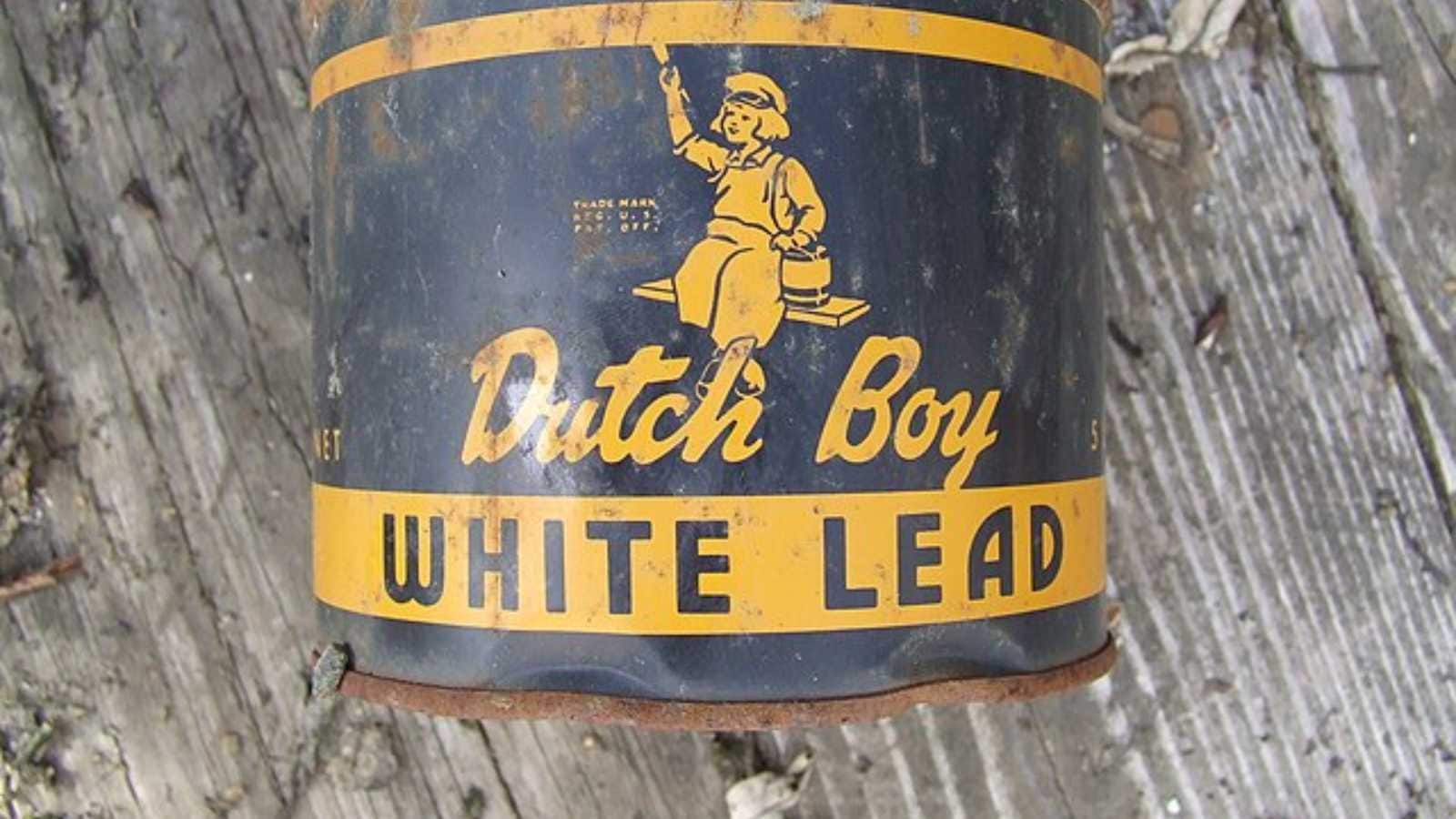
Rinsing paint brushes in the yard, dumping soapy bucket water into the street, or hosing motor oil off a driveway all feel like small acts. Stormwater rules often classify them as illicit discharges. Many cities ban pouring “any pollutant” into storm drains, ditches, or gutters, including soaps, solvents, paint, yard chemicals, and automotive fluids.
These laws apply to residences and businesses, and violations can result in fines and cleanup orders. Local guides stress that storm drains typically flow directly to streams and ponds without treatment, so what you wash “away” often goes straight into local waterways.
Using Torrent Sites Or Piracy Tools Then Claiming “I Didn’t Know”

Courts and copyright enforcers generally assume that adults understand they cannot download commercial movies, shows, or music for free unless the rights holder has made them available. “I did not know this was copyrighted” rarely works as a defense when you are using well-known piracy.
Even visiting piracy hubs can be risky because many torrent portals are monitored by copyright enforcement companies that log IP addresses associated with infringing downloads. Doing it from home Wi Fi ties the activity directly to your household.
Flushing “Disposable” Wipes And Other Non-Flush Items

Many packages of cleaning or “flushable” wipes imply that they are safe for toilets. Consumer Reports says otherwise, and some jurisdictions rely on existing plumbing and sewer codes to treat repeated flushing of non-flushable items as unlawful disposal.
Public works departments explain that wipes, dental floss, and similar items can snag in pipes, combine with grease into “fatbergs,” and cause overflows that violate environmental regulations. Homeowners may be billed for sewer damage or cited for violating local codes that prohibit introducing prohibited materials into the system.
Illegally Tapping Power, Cable, Or Water
Most people know that bypassing an electric meter is theft, but smaller-scale “borrowing” of electricity, cable, or water between units is also illegal in many places. According to Litwak Law, utility rules and theft statutes often prohibit connecting to another customer’s service without the utility’s permission.
That can include running extension cords to a neighbor’s apartment on a long-term basis, tapping outdoor spigots that are not yours, or splitting a cable line in violation of your service agreement. Penalties can range from back billing and service shutoff to criminal theft charges.
Storing Or Disposing Of Used Motor Oil The Wrong Way

Changing oil in your own car is legal, but how you handle the waste can cross the line. Environmental regulations in many states classify used motor oil as regulated waste that must be collected and recycled, not discarded in household trash or poured onto the ground.
Local codes often prohibit dumping oil in alleys, storm drains, or soil and impose fines on households that violate those rules. Auto parts stores and recycling centers typically accept used oil for free, but many people are unaware that disposing of it at home can be considered illegal hazardous waste disposal.
Using Someone Else’s Streaming Or Software Login Against The Terms

Password sharing has long been common, but more services now treat out-of-household sharing as a violation of their user agreements. While breaking a private contract is not automatically a crime, some forms of unauthorized access may violate state computer access laws, similar to those used for Wi-Fi theft.
Companies are increasingly combining contractual restrictions with technical location checks and may pursue civil claims when large-scale or commercial password sharing is involved. For ordinary users, the risk that “everyone does it” is no longer a safe assumption.
Running A Home Business That Violates Zoning Or Licensing Rules

Side hustles that look harmless from the kitchen table can still violate local business licensing, zoning, or health regulations. Cities frequently require permits for commercial food preparation, in-home salons, pet boarding, short-term rentals, and similar activities, even when operated from a private residence.
Failing to get the right permits can trigger fines, forced shutdowns, or even nuisance or zoning enforcement actions if neighbors complain. Many people do not realize that income-producing activities at home are not automatically legal just because they occur inside the home.
Assuming “It’s My House, So I Can Do Whatever I Want”

Across all these examples, the same pattern emerges. Laws and contracts extend into private spaces in ways that are easy to overlook. Unauthorized digital access, improper waste disposal, quiet utility theft, and unlicensed commercial use can all bring fines or worse, even when they start as “normal” household shortcuts.
Here are three simple safeguards. First, read your service contracts. Second, check local codes on waste and home businesses before starting new habits. Third, treat your Internet, drains, and utilities as heavily regulated systems rather than personal free-for-alls. A little awareness at home is often all that stands between you and an unexpected legal problem.
Disclosure line: This article was developed with the assistance of AI and was subsequently reviewed, revised, and approved by our editorial team.
20 Odd American Traditions That Confuse the Rest of the World

20 Odd American Traditions That Confuse the Rest of the World
It’s no surprise that cultures worldwide have their own unique customs and traditions, but some of America’s most beloved habits can seem downright strange to outsiders.
Many American traditions may seem odd or even bizarre to people from other countries. Here are twenty of the strangest American traditions that confuse the rest of the world.
20 of the Worst American Tourist Attractions, Ranked in Order

20 of the Worst American Tourist Attractions, Ranked in Order
If you’ve found yourself here, it’s likely because you’re on a noble quest for the worst of the worst—the crème de la crème of the most underwhelming and downright disappointing tourist traps America offers. Maybe you’re looking to avoid common pitfalls, or perhaps just a connoisseur of the hilariously bad.
Whatever the reason, here is a list that’s sure to entertain, if not educate. Hold onto the hats and explore the ranking, in sequential order, of the 20 worst American tourist attractions.