12 disasters in the Bible and their modern equivalents
Reading these Bible stories feels unsettling lately because they sound a lot like the news alerts lighting up our phones today.
The stories of ancient catastrophes found in scripture often feel like distant myths, yet they mirror the headlines flashing across our screens right now. From rising waters to sky-blackening swarms, the parallels between Old Testament wrath and current crises are impossible to ignore. We tend to think we have outsmarted history, but nature has a funny way of repeating itself.
These comparisons serve as a wake-up call, reminding us that humanity has faced existential threats before and survived. Whether you view them as divine intervention or natural cycles, the impact on human life remains startlingly similar across the ages. Looking at the past might just be the best way to prepare for what is coming next.
The Great Flood And Rising Tides

Noah building an ark sounds a lot like people sandbagging their homes in Florida or Louisiana as storm surges get higher every year. According to data from the First Street Foundation, nearly 25% of people worldwide now live in areas at significant risk of flooding.
We watch news footage of submerged cars and rooftops that resemble the descriptions in Genesis, without the dove and olive branch. The water rises just as fast now as it did then, leaving communities to pick up the pieces after the rain stops. Modern engineering struggles to hold back the same forces that once covered the highest mountains.
Sodom And Gomorrah And Wildfires

The rain of fire and sulfur that destroyed biblical cities bears a terrifying resemblance to the wildfires ripping through California and the West. We watch in horror as neighborhoods are reduced to ash in mere minutes, driven by winds that feel like the breath of an angry deity.
Survivors often describe the heat as intense enough to melt metal, echoing the absolute destruction of those infamous ancient towns. The National Interagency Fire Center reported that wildfires burned nearly 9 million acres across the United States in 2024.
The Plague Of Locusts And Invasive Swarms
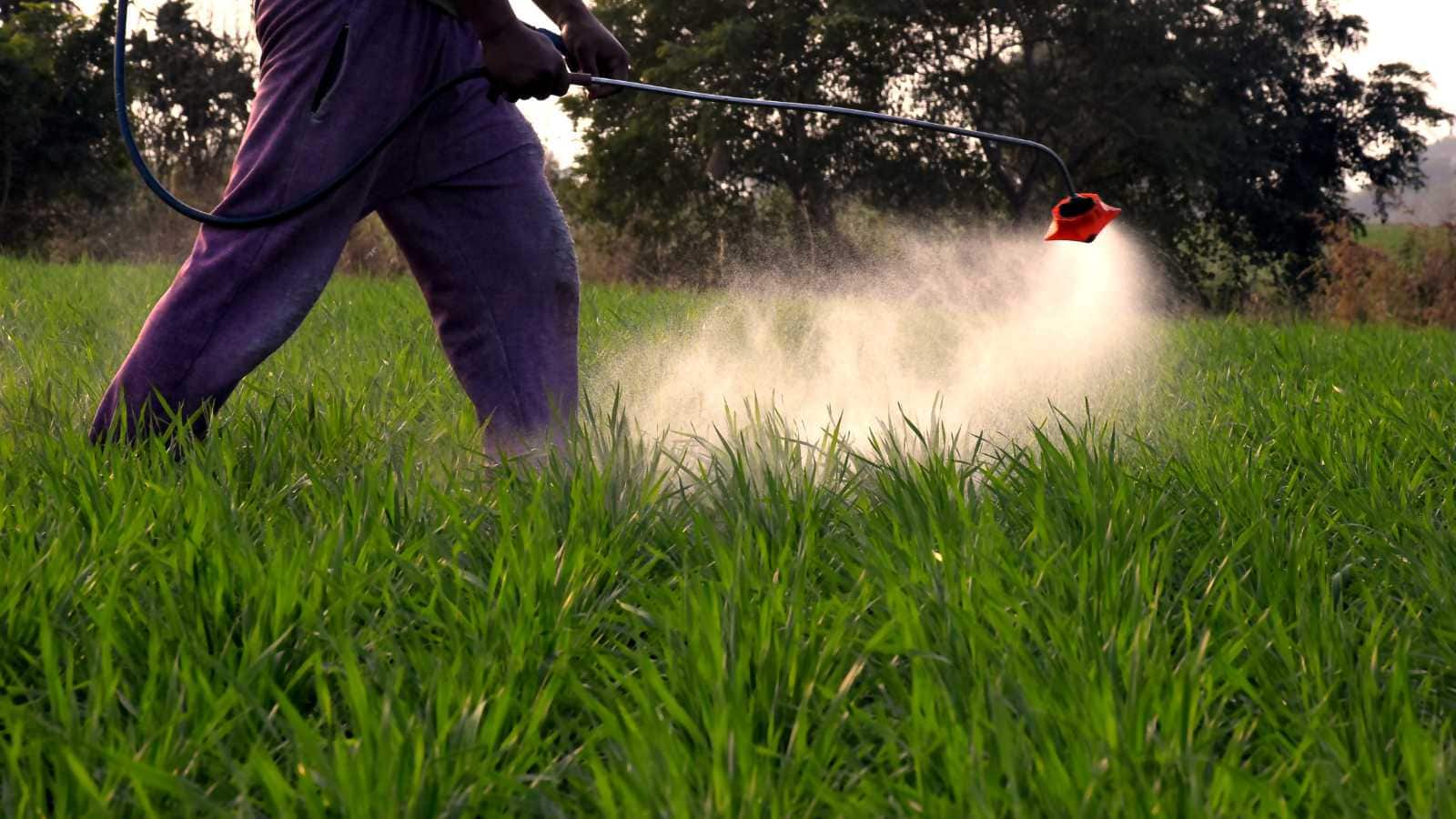
While we might not see literal clouds of insects blotting out the sun daily, farmers dealing with invasive species know the feeling of total devastation. The FAO estimates that up to 40 percent of global crop production is lost annually to pests, resulting in economic losses of billions.
It is a frantic race to save the harvest before everything is eaten down to the stalk, much like the Egyptians faced long ago. These tiny invaders can strip a field bare in hours, leaving nothing but dust and desperation in their wake. Farmers are fighting an ancient war with new chemicals, but the bugs are still winning battles.
The Tower Of Babel And Social Media

The sudden inability to understand one another caused chaos in Babylon, which resembles a typical social media comment section today. People speak the same language but cannot seem to communicate, separated by invisible walls of ideology and algorithm-driven confusion.
We are building our own digital towers with social media, trying to reach the heavens, only to find ourselves more divided and confused than ever before. It is a communication breakdown of epic proportions where truth gets lost in the noise of a billion shouting voices. The irony is that we are more connected than ever, yet we understand each other less.
Turning Water To Blood And Red Tides

The Nile turning red and killing fish seemed like magic until you see the devastating effects of toxic algal blooms on Florida’s coast. These red tides turn clear waters into a rusty sludge that suffocates marine life and sends tourists packing.
The smell of decaying fish washing up on the shore is a sensory nightmare that rivals any description found in the book of Exodus. Scientists warn that warming oceans are increasing the frequency and intensity of these toxic blooms, threatening coastal economies worldwide.
The Plague Of Darkness And Power Grid Failure

A darkness that can be felt is not merely a supernatural event but a reality for millions when the power grid suddenly fails. We are so dependent on electricity that a blackout sends us back to the Stone Age in the blink of an eye.
When the lights go out and the heat stops working, panic sets in just as quickly as it did for the ancient Egyptians sitting in the dark. The EIA reports that power outages are increasing, with the average American experiencing more than 7 hours of interruption in 2021.
Biblical Famine And Supply Chain Crises

Joseph storing grain for seven lean years is the ultimate lesson in prep that many of us ignored until grocery shelves went empty. A 2025 WHO report finds that approximately 673 million people worldwide experienced hunger in the previous year due to conflict and climate shocks.
We might not be starving in the streets, but the anxiety of scarcity is a feeling that connects us directly to our ancestors. Seeing out-of-stock signs on basic necessities underscored the reality that our food systems are more fragile than we acknowledge.
The Golden Calf And Consumer Debt

Worshipping a statue of gold seems silly until you look at how we sacrifice our well-being at the altar of credit cards and fast fashion. We build monuments to material things and wonder why we feel spiritually empty when the bill finally comes due.
The Israelites grew impatient and made a bad idol, much like we impulsively buy things we cannot afford to fill a void. Federal Reserve data indicate that total U.S. household debt reached a record $ 18.59 trillion in the third quarter of 2025.
The Plague Of Boils And Antibiotic Resistance

Horrifying skin sores were a divine punishment, but today they are often the result of superbugs that no longer respond to our strongest medicines. Doctors are sounding the alarm that our medical arsenal is running low against bacteria that evolve faster than we can invent drugs.
It is a terrifying thought that a simple scratch could become life-threatening again, bringing us full circle to an era of helpless suffering. The CDC states that more than 2.8 million antibiotic-resistant infections occur in the U.S. each year.
Earthquake At The Crucifixion And Fracking Tremors

Earthquakes and rock splitting are signs of major upheaval, something residents in non-seismic zones are now learning firsthand. Human activity is literally cracking the Earth’s foundation, creating tremors in places where the ground used to be still.
We are shaking the jar just to see what happens, and the results are cracked foundations and rattled nerves in the heartland. The U.S. Geological Survey has identified that wastewater disposal is the primary cause of recent earthquakes in the central United States.
Jonah And The Storm And Hurricanes

Jonah sleeping on a boat while a tempest raged is a mood for anyone who has tried to ignore a hurricane warning until the last second. NOAA predicted an above-normal Atlantic hurricane season for 2025, forecasting up to 13-19 named storms.
We try to run from the inevitable, but nature has a way of catching up with us, no matter where we try to hide. Modern meteorology gives us advance notice, but the sheer violence of a Category 5 storm is still humbling.
The Fall Of Jericho And Infrastructure Collapse
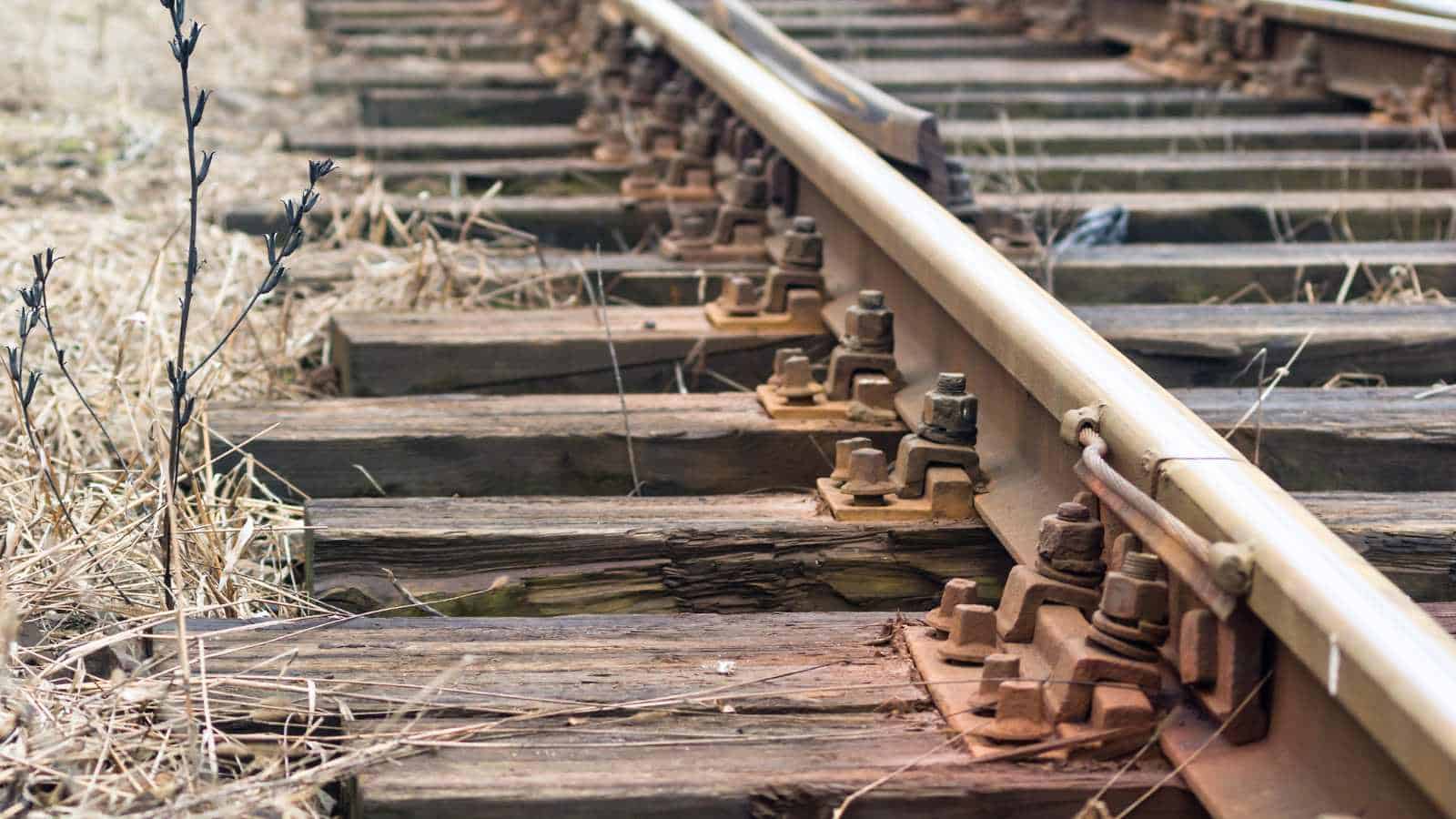
Walls coming down with a shout sounds impossible, but bridges and buildings collapsing due to neglect are a tragic modern reality. It does not take a trumpet blast to bring down massive structures, just years of ignored maintenance and rust.
We trust these structures with our lives daily, assuming they will stand forever, but nothing man-made is truly permanent. The American Society of Civil Engineers recently graded U.S. infrastructure a C, highlighting a need for repair and investment.