12 egg health benefits every woman needs to know
This small, oval wonder is one of the most nutrient-dense foods on the planet, yet it has spent decades caught in a tug-of-war between health crazes and medical warnings. For women navigating the complexities of hormonal changes, career burnout, and the physical demands of daily life, the egg is a quiet powerhouse. Data from the USDA FoodData Central reveals that one large egg (Approx. 50g) packs a staggering 147mg of choline.
That is a significant portion of what an adult woman needs in a day, tucked inside just 77.5 kilocalories. While the conversation around eggs often gets stuck on cholesterol, the reality of how they affect a woman’s body is far more fascinating. According to a report by the National Library of Medicine, Japanese people consume significantly more eggs than in the United States, yet they maintain lower rates of heart disease.
This phenomenon suggests our dietary patterns matter just as much as the food itself. It is a story of high-quality protein, vision-protecting antioxidants, and the kind of brain-boosting nutrients that most of us are missing. Understanding how to use this tool can change the way you look at your morning meal.
The Most Affordable Multivitamin
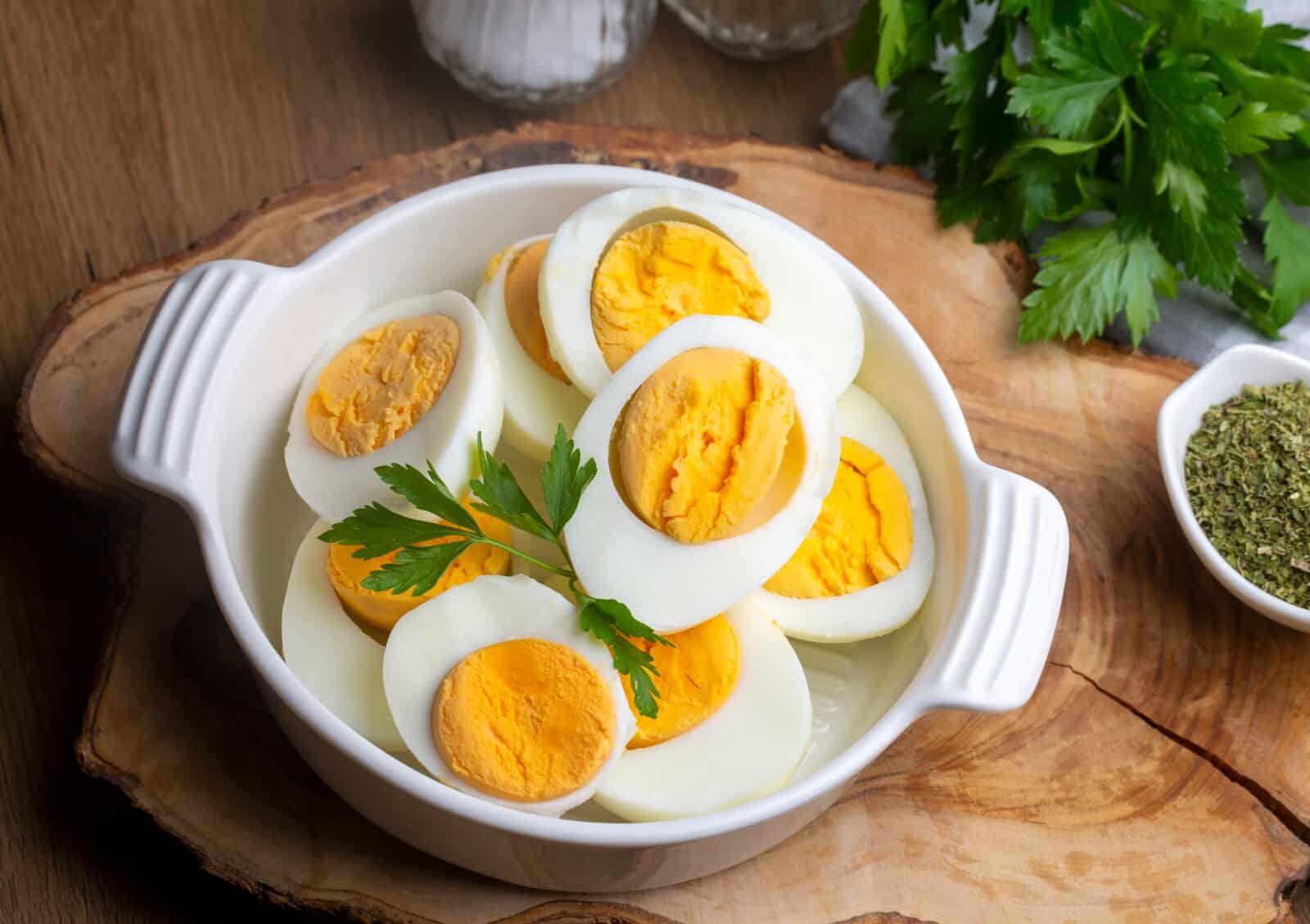
Nature rarely hands us a complete package, but the egg comes incredibly close. Most people see a shell and think of breakfast, but scientists see a “gold standard” for nutrition. One large egg provides 6.3g of high-quality protein, which is about 13% of the daily value for the average woman.
It isn’t just the amount of protein that matters; it is the amino acid profile. Eggs contain all nine essential amino acids that our bodies cannot make on their own. This makes them a “complete” protein source, which is rare for such an inexpensive food item.
Beyond protein, you are getting a hit of selenium, folate, and vitamin B12. These nutrients are the gears that keep your metabolism turning and your energy levels stable. When you compare the cost of an egg to a specialized protein bar or a synthetic supplement, the value is clear.
It is a whole food that requires no processing and contains no hidden sugars or artificial flavors. For a busy woman trying to hit her nutritional goals without spending a fortune, this is a massive win.
A Secret Weapon for Brain Health
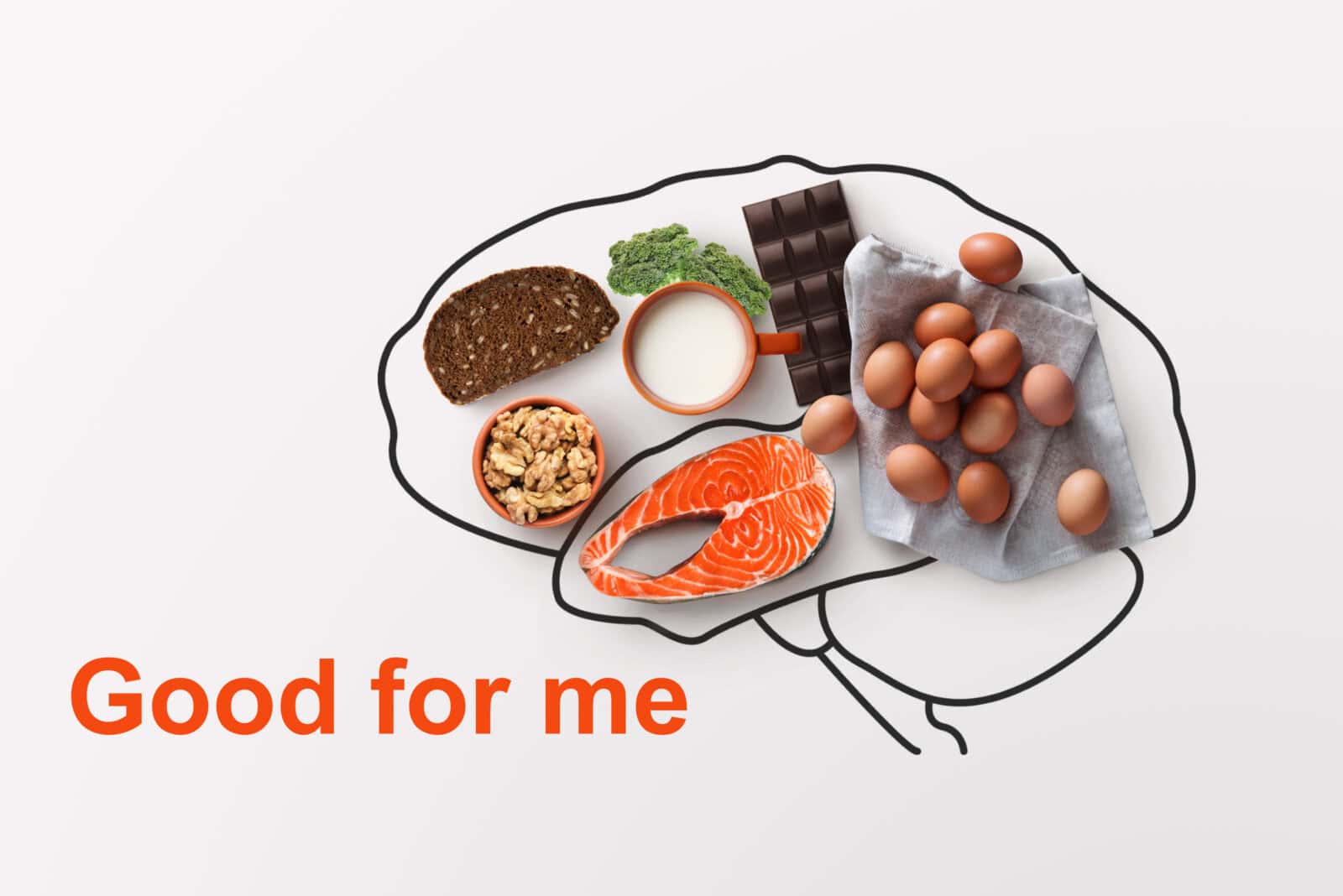
If you feel like you are constantly battling “brain fog,” the answer might be in the yolk. Choline is a nutrient that many people have never heard of, yet it is vital for making acetylcholine, a neurotransmitter involved in memory and mood. Since the body produces only a tiny amount of choline, we have to get the rest from our diet. With nearly 147mg per egg, it is easily one of the best sources available.
Low choline levels are linked to a higher risk of cognitive decline as we age. For women balancing high-stress jobs or managing households, keeping their brains sharp is a top priority. Think of choline as the maintenance crew for your brain’s wiring.
It helps keep the membranes of your brain cells strong and ensures that signals are moving quickly from one part of the brain to another. It is a simple way to support your mental clarity without needing a prescription.
Protecting Your Vision for the Long Haul

We spend hours every day staring at screens, which puts an incredible amount of strain on our eyes. Eggs contain two powerful antioxidants called lutein and zeaxanthin. These compounds act like internal sunglasses, filtering out harmful blue light and protecting the delicate cells in your eyes from oxidative damage.
These nutrients accumulate in the retina, specifically in the macula, which is the part of the eye responsible for sharp, central vision. As women age, the risk of age-related macular degeneration increases. This is a leading cause of vision loss, but research shows that a diet rich in these specific antioxidants can significantly lower that risk.
While you can find lutein in leafy greens, the fats found in egg yolks actually help your body absorb these antioxidants more effectively. It is a built-in delivery system that ensures your eyes get the protection they need to stay healthy for decades to come.
Improving your “good” cholesterol profile

For years, we were told to avoid eggs because of their cholesterol content. However, the science has shifted. Maria Luz Fernandez notes that eggs can actually help shift LDL (often called “bad” cholesterol) from small, dense particles to larger, fluffier ones. These larger particles are generally considered less likely to contribute to heart disease.
In many women, eating eggs also raises HDL, the “good” cholesterol that helps remove other forms of cholesterol from your bloodstream. High HDL levels are associated with a lower risk of heart disease and stroke. While about one-third of the population are “hyper-responders” whose blood cholesterol rises more significantly after eating eggs, for most people, the impact on heart health is neutral or positive when eggs are part of a balanced diet.
Satiety and the Art of Portion Control
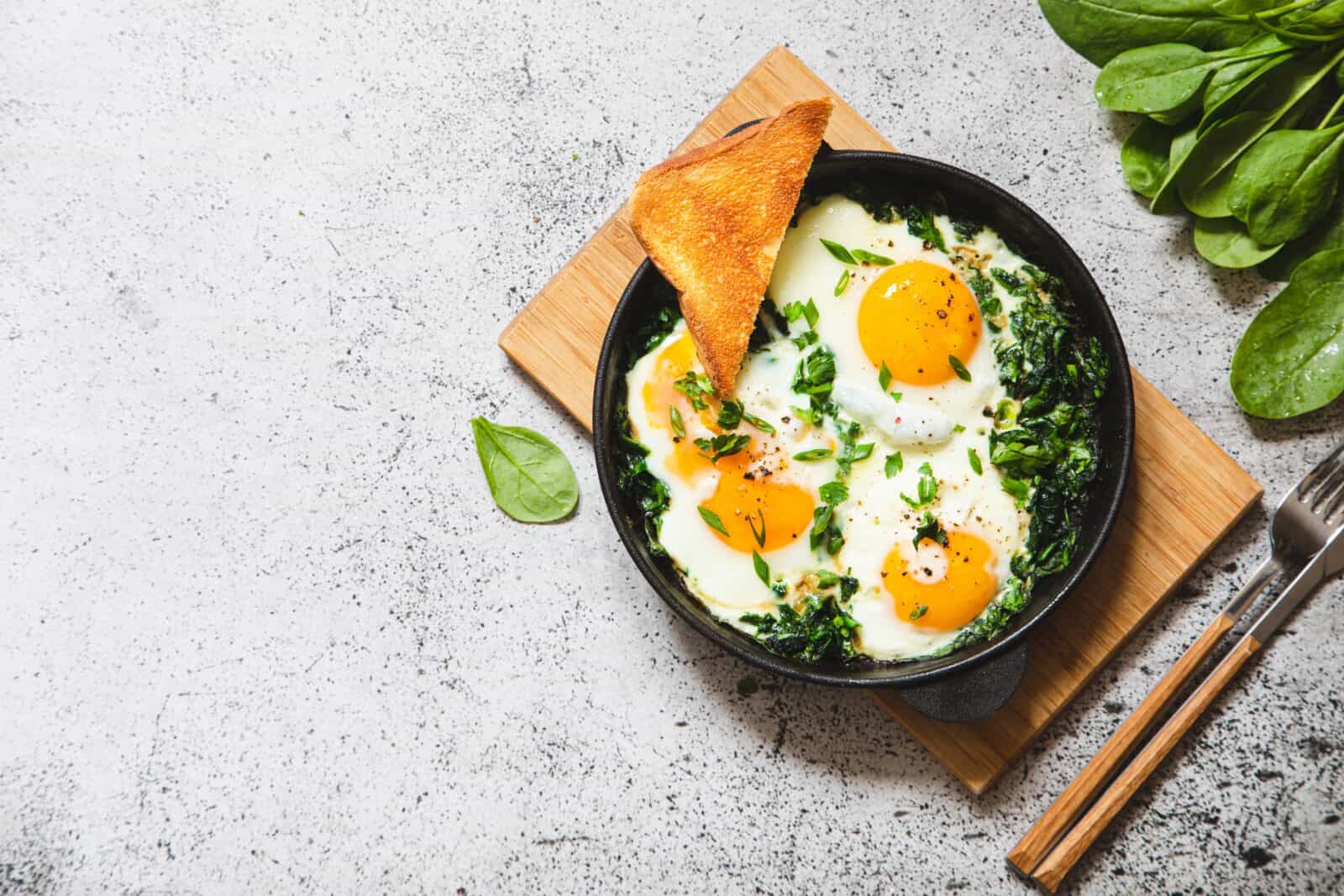
Weight management is rarely about willpower; it is usually about biochemistry. If you eat a breakfast high in refined carbs, your blood sugar spikes and then crashes, leaving you hungry by 10:00 AM. Eggs work differently. The combination of protein and fat triggers the release of satiety hormones that tell your brain you are full.
Studies from organizations like Australian Eggs show that people who eat eggs for breakfast feel more satisfied and consume fewer calories throughout the rest of the day. It is a natural way to manage your appetite without feeling deprived. Instead of fighting cravings, you are giving your body the signal that its needs have been met. This makes it much easier to stick to healthy eating habits without the constant mental battle over snacks.
Supporting a Healthy Pregnancy

For women who are pregnant or planning to be, eggs are a nutritional powerhouse for the next generation. Choline plays a massive role in fetal brain development, similar to the way folic acid prevents certain birth defects. It helps shape the brain’s structure and can even influence a child’s cognitive function later in life.
During pregnancy, a woman’s requirement for choline increases significantly. Many prenatal vitamins actually fall short of the recommended daily intake for this specific nutrient. Including eggs in your diet is an easy, natural way to fill that gap. It provides the building blocks for the baby’s growth while also supporting the mother’s own energy and health during a physically demanding time.
Bone Health and Vitamin D
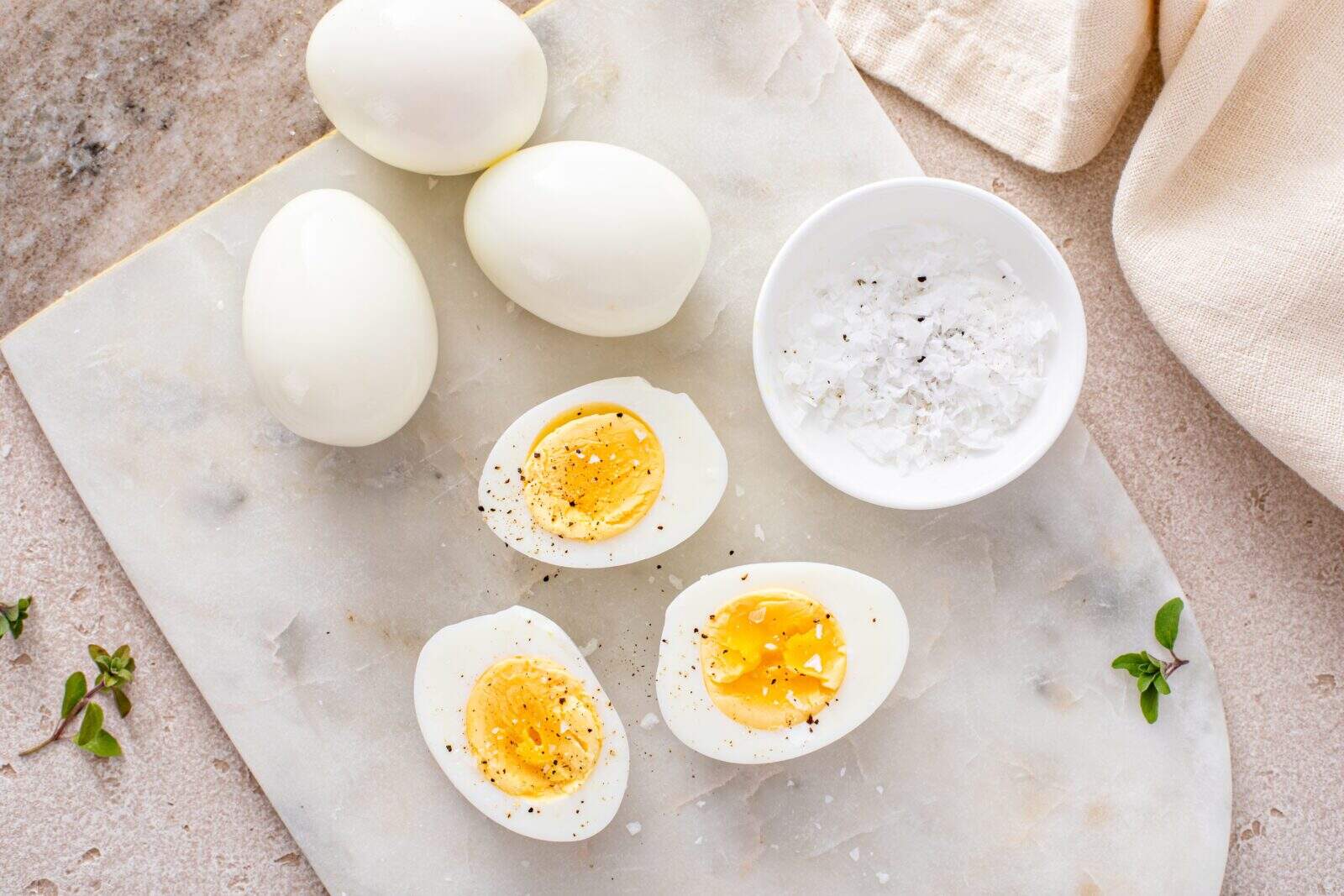
Vitamin D is famously difficult to find in food. Most of us rely on sunlight, but depending on where you live or how much time you spend indoors, that often isn’t enough. Eggs are one of the few natural food sources of Vitamin D, as noted in a study by PubMed. The Vitamin D content of eggs might seem like a small amount compared to steamed salmon and other oily fish, but every bit counts when it comes to bone density.
Vitamin D is essential for absorbing calcium. For women, maintaining bone strength is a lifelong project that becomes even more critical after menopause when estrogen levels drop. Strong bones and healthy muscle tissue are the best defense against frailty and injury later in life. By eating eggs, you are supporting the structural integrity of your body from the inside out.
Natural Support for Mental Wellness
There is a growing field of research connecting what we eat to how we feel. Since eggs contain nutrients such as B12, choline, and folate, they help regulate mood. Deficiencies in these vitamins are often linked to fatigue, irritability, and even depression.
While an egg isn’t a replacement for mental health care, it provides the raw materials your brain needs to produce mood-stabilizing chemicals. When your body is properly nourished, you are better equipped to handle the daily stressors that come your way. It is about building a foundation of resilience through your diet.
Glowing Skin and Strong Hair

The beauty industry spends billions of dollars trying to sell us what we can often find in our fridge. Eggs are rich in biotin, a B vitamin that is essential for the production of keratin. Keratin is the protein that makes up your hair and nails. If you have noticed your nails are brittle or your hair is thinning, a boost in biotin might be exactly what you need.
Eggs also contain Vitamin A and Vitamin E, both of which are famous for their skin-healing properties. These vitamins help with cell turnover and protect your skin from environmental damage. It is a “beauty from within” approach that supports your body’s natural ability to repair and maintain its glow.
Reducing the Risk of Stroke

A common fear is that eggs might increase the risk of a stroke, but some research suggests the opposite. A study conducted by Harvard Medical School suggests that moderate egg consumption, around one egg a day, might be linked to a lower risk of certain types of stroke.
The reason might lie in the unique combination of antioxidants and healthy fats that reduce inflammation in the blood vessels. While more research is ongoing, the current consensus among most healthy adults is that eggs do not pose a significant risk of stroke. In fact, for many, they are a protective addition to the plate.
The Importance of Muscle Synthesis
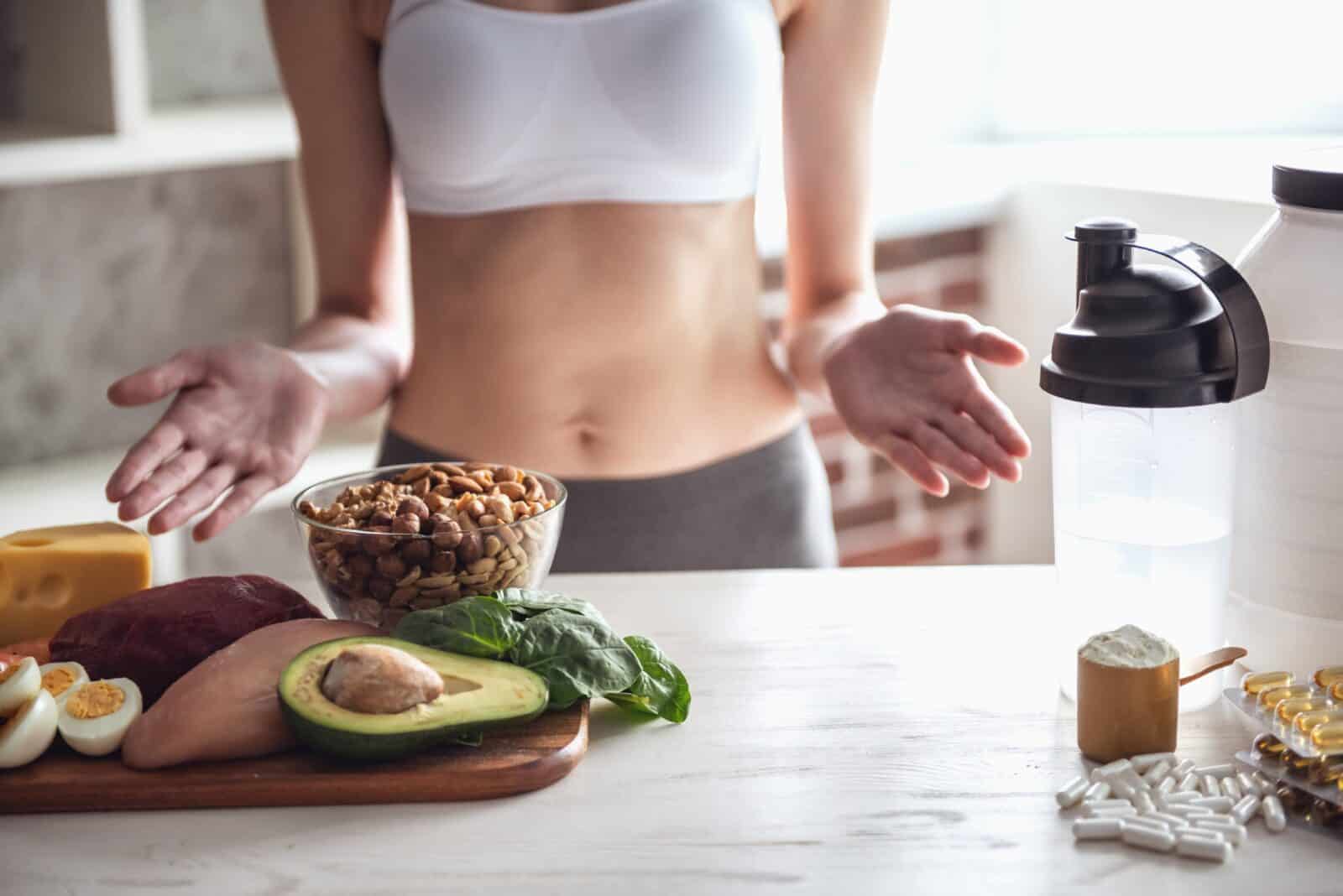
As women, we lose muscle mass naturally as we get older, a process called sarcopenia. Maintaining muscle isn’t just about looking “toned”; it is about metabolic health and physical independence. The protein in eggs is particularly rich in leucine, an amino acid that acts like a “start switch” for muscle repair and growth.
Whether you are a casual walker or a heavy lifter, your muscles need these amino acids to recover after activity. Eating eggs after a workout provides the necessary building blocks to repair tissue and keep your metabolism high. It is an easy way to protect your physical strength as you navigate different stages of life.
You gain a versatile tool for heart-healthy eating
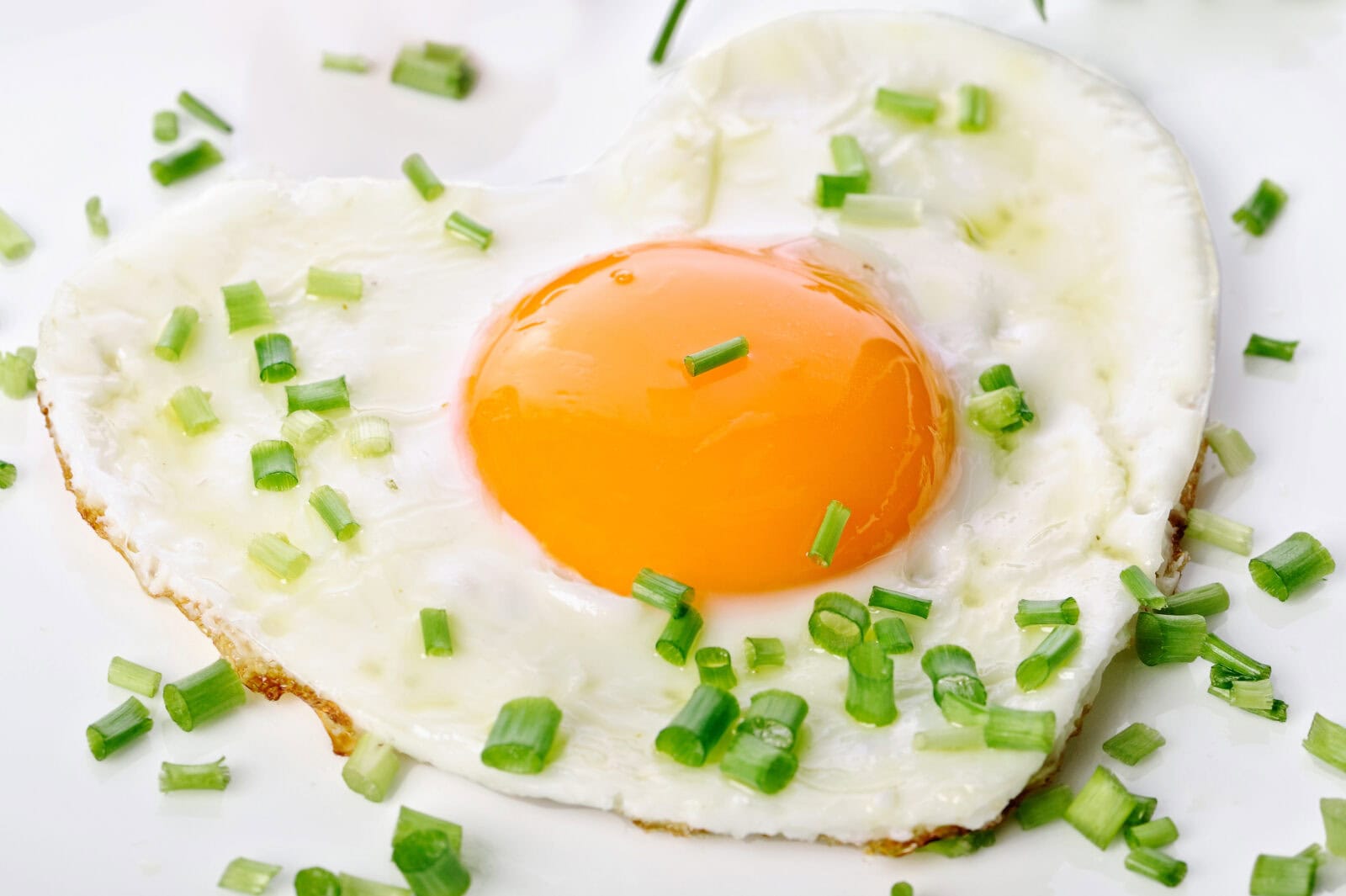
It is important to be realistic about how we eat in the United States. Pan Zhuang and his team at Zhejiang University published a study involving over half a million people, noting that in the U.S., higher egg intake was sometimes linked to higher mortality. However, a huge factor was what people ate with their eggs. If your eggs are always served alongside processed meats like bacon or sausage, the health benefits are quickly canceled out.
The study suggested that much of the risk was mediated by cholesterol, especially in people who are sensitive to it. For most women, the big point is balance. If you are eating a diet high in saturated fats and processed foods, adding more eggs might not be the best move. But if you are eating them alongside veggies and whole grains, they are a fantastic addition. It shows just how much our overall dietary pattern dictates the health outcomes we see.
So, where does that leave us? The bigger picture is that eggs are a versatile, nutrient-dense tool that can support everything from your brain to your bones. They aren’t a miracle cure, but they are a solid, science-backed way to improve your nutrition without overcomplicating your life. For some, one egg a day is the sweet spot. For others, particularly those with existing heart concerns, it is worth a chat with a doctor to find the right frequency.
Ultimately, the best way to enjoy the benefits of eggs is to keep it simple. Poached, boiled, or scrambled with a side of spinach is a world away from a greasy diner breakfast. It is a small change that can lead to real results over time. So maybe the better question is, how can you make this simple food work for your specific health goals this week?
Key Takeaways

- One egg provides nearly your entire daily requirement of choline, making it one of the most effective tools for clearing brain fog and supporting long-term memory.
- Eggs are most beneficial when paired with fiber-rich vegetables and whole grains rather than the processed meats typical of a standard American breakfast.
- The specific antioxidants in egg yolks act like internal blue-light filters, protecting your eyes from the strain of daily screen time and age-related damage.
- While eggs can improve your “good” cholesterol profile, women with specific heart concerns should stick to one a day to balance the high nutrient density with individual cholesterol sensitivity.
- Beyond the protein, the rare combination of Vitamin D and biotin provides a simple, food-based foundation for stronger bones, hair, and skin.
Like our content? Be sure to follow us.