12 expenses to cut immediately you retire
The moment your paycheck stops, a surprising number of everyday expenses quietly turn from harmless habits into serious threats to your retirement savings.
Retirement is the dream you chase after decades of hard work and early mornings. It represents the freedom to spend your time exactly as you want, without a boss watching the clock. However, living on a fixed income means you must be smart about how every dollar is spent. The financial habits that worked while you were drawing a salary might need a serious overhaul now.
Adjusting to this new lifestyle does not mean you have to stop enjoying your life or pinch every penny. It is simply about identifying the costs that no longer serve a purpose in your post-work life. By trimming the fat early, you can protect your nest egg and fund the adventures you actually care about. Here are the expenses you should slash the moment you hand in your retirement notice.
Commuting Costs

The daily drive to and from the office is finally a thing of the past for you. You are no longer burning gas while stuck in rush hour traffic or paying for expensive tolls every morning. Your vehicle will suffer less wear and tear now that it stays in the driveway more often.
Call your auto insurance provider immediately to report that your daily mileage has dropped significantly. Most companies offer “pleasure usage” discounts that can lower your premiums by a decent margin. There is no reason to pay high rates for a car that sits idle most of the week.
Professional Wardrobe

You can finally stop spending money on stiff suits, ties, and uncomfortable dress shoes. The need to impress clients or look sharp for a boardroom meeting has completely vanished from your schedule. Trade in those dry-cleaning bills for comfortable cotton shirts and reliable sneakers that feel great.
According to the Bureau of Labor Statistics, households spent an average of $655 on women’s apparel and $406 on men’s apparel in 2023. That is a significant amount of money going toward clothes you will probably not wear much anymore. Redirect that money into a travel fund or a new hobby that actually brings you joy.
Daily Lunches

Buying a sandwich or salad near the office every day was a convenient habit that drained your wallet. Those ten or fifteen dollars a day add up to a staggering amount over the course of a year. Your kitchen is now the best bistro in town, and it is open whenever you want.
Americans spend an average of $2,746 annually on lunch during the workweek. That money could easily cover a nice vacation or pay for some home improvements you have been putting off. Making a fresh sandwich at home saves you serious cash and usually tastes much better, too.
The Second Vehicle

Many couples maintain two cars simply because they both need to get to work at different times. Now that you are both retired, you might find that one reliable vehicle is plenty for your needs. Downsizing to a single-car option eliminates a significant monthly payment and reduces registration fees by half.
AAA reported in their 2024 study that the average annual cost to own and operate a new vehicle has climbed to $12,297. Keeping an extra car for the occasional convenience is likely costing you far more than you realize.
Life Insurance Policies

The primary purpose of life insurance is to replace your income and support dependents if you pass away unexpectedly. If your children are grown and your house is paid off, that massive policy might be obsolete. The need for expensive coverage often expires at the same time you do.
Take a close look at your policy to determine whether you can convert it or let the term expire. You might be paying high premiums for protection that your family’s financial situation no longer demands. Review your coverage options to stop paying for a safety net you have already outgrown.
Professional Memberships

Those annual dues for unions, societies, and industry associations were vital for your career growth. Now that you are out of the workforce, those subscriptions are likely just collecting dust in your mailbox. Let those expensive renewals lapse without a second thought or a backward glance.
Unless a specific organization offers great travel discounts or social events you love, cut the cord. There is no trophy for staying on the roster of a club you no longer participate in actively. Keep the subscriptions that actually bring you joy and discard the ones tied to your old identity.
Excessive Housing

Heating, cooling, and cleaning a large empty house makes very little sense for two people. If you have unused bedrooms and a lawn that takes all weekend to mow, it might be time to move. A smaller nest usually means a fuller wallet and significantly less time spent on chores.
According to recent data from Clever Real Estate, the average retiree owes $15,393 in non-mortgage debt. Selling a large family home can wipe out that debt instantly and boost your retirement savings. You might enjoy gardening again once it no longer feels like a part-time job.
Expensive Cable Packages

Retirement gives you the time to watch what you want, but that does not mean you need 500 channels. Most cable packages are filled with channels you never watch, yet you pay for every month. Cut the cord and stop paying for premium tiers that you do not use.
The average household cable package costs more than $217 per month. That is often more than what people pay for all their other utilities combined. You can find better entertainment on streaming services for a fraction of that steep price.
Gym Memberships

You might have joined a fancy gym because it was close to your office or had early hours. Now you have the freedom to exercise outdoors or use community centers that offer senior discounts. The neighborhood park is free, always open, and offers plenty of fresh air.
Check if your health insurance plan includes access to programs like SilverSneakers at no extra cost. Many retirees pay out of pocket for fitness access they could receive for free through their benefits. Walking around your local area is the best way to stay fit and meet your neighbors.
High Interest Debt

Carrying credit card balances into retirement is a surefire way to quickly drain your savings. The interest rates eat away at your fixed income and make it hard to cover unexpected costs. Reducing those high rates should be your top financial priority right now.
A report from the Employee Benefit Research Institute found that 68% of retirees with debt were carrying credit card balances. Do not let plastic debt follow you into your golden years and steal your peace of mind. Pay off those balances immediately so your monthly check is yours, not the bank’s.
Peak Season Travel

One of the best perks of retirement is that you are no longer beholden to the school calendar. You can visit Europe or the Caribbean while everyone else is stuck at their desks. Go when the crowds are thin and the prices are significantly lower than usual.
Flight prices and hotel rates drop drastically when you book for mid-week or during shoulder seasons. You will get a more authentic experience without fighting through hordes of tourists in every museum. Traveling on Tuesday instead of Saturday can save you enough to book an extra night away.
Outsourced Services
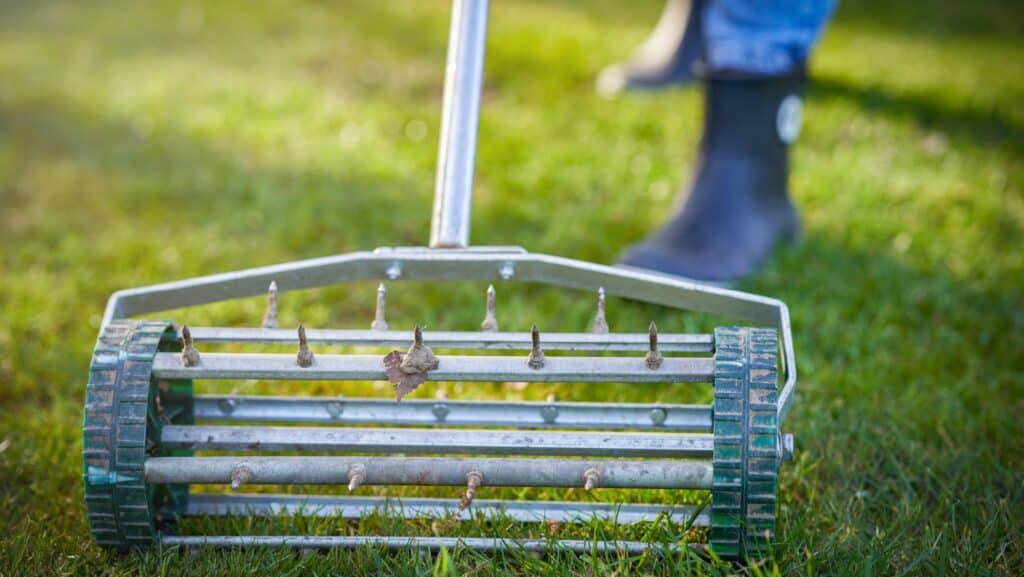
When you were working sixty hours a week, paying someone to mow the lawn or clean the house made sense. Now you have time to handle these simple tasks yourself and save significantly. Rediscover the simple satisfaction of caring for your own home and property.
Doing your own yard work or painting a room is also a great way to stay active and mobile. If a task is too physically demanding, consider swapping with a colleague. You have the time now to get things done exactly the way you want.
15 Things Women Only Do With the Men They Love

The 15 Things Women Only Do With the Men They Love
Love is a complex, beautiful emotion that inspires profound behaviors. We express our love in various ways, some universal and others unique to each individual. Among these expressions, there are specific actions women often reserve for the men they deeply love.
This piece explores 15 unique gestures women make when they’re in love. From tiny, almost invisible actions to grand declarations, each tells a story of deep affection and unwavering commitment.