12 eye-opening insights for women wondering, “Why don’t men approach me anymore?”
The BBC reports that a 1975 study found that people tend to move farther away from beautiful women on public pathways as a sign of respect. This creates a physical and social distance that makes it harder for anyone to break the ice. Even online, OKCupid data shows that profiles with the most flawless pictures often get fewer dates because prospects feel intimidated by perfection.
It turns out that being highly attractive can actually make your personal space feel like a lonely bubble. Psychologist Frevert notes that beauty conveys a sense of power over visible space, making others feel they cannot enter your zone. If you feel like you are being overlooked, it might actually be because your “vibe” is signaling a level of status that most men are too nervous to challenge.
The “Creepy” Label Has Changed the Game

Most men today are navigating a social minefield where one wrong move earns them a permanent badge of shame. Data shows that 69% of American men say the fear of being labeled “creepy” actively affects how they interact with women. In fact, 44% of men admit this fear reduces the likelihood of them approaching a woman at all.
Dating coach Blaine Anderson points out that this specific anxiety is destroying the chances of perfectly eligible men finding a partner. These guys are not trying to be offensive; they are just terrified of a misunderstanding. They would rather stay silent and miss a connection than risk a viral “creep” story on social media.
This creates a massive disconnect because women still deal with actual bad behavior. Statistics show that 82% of women have experienced genuine creepy actions like unwanted stares or digital stalking. Because men see these stats, the “good guys” overcorrect by staying completely out of your way to ensure they never make you feel unsafe.
Rejection is Just Cheaper Online
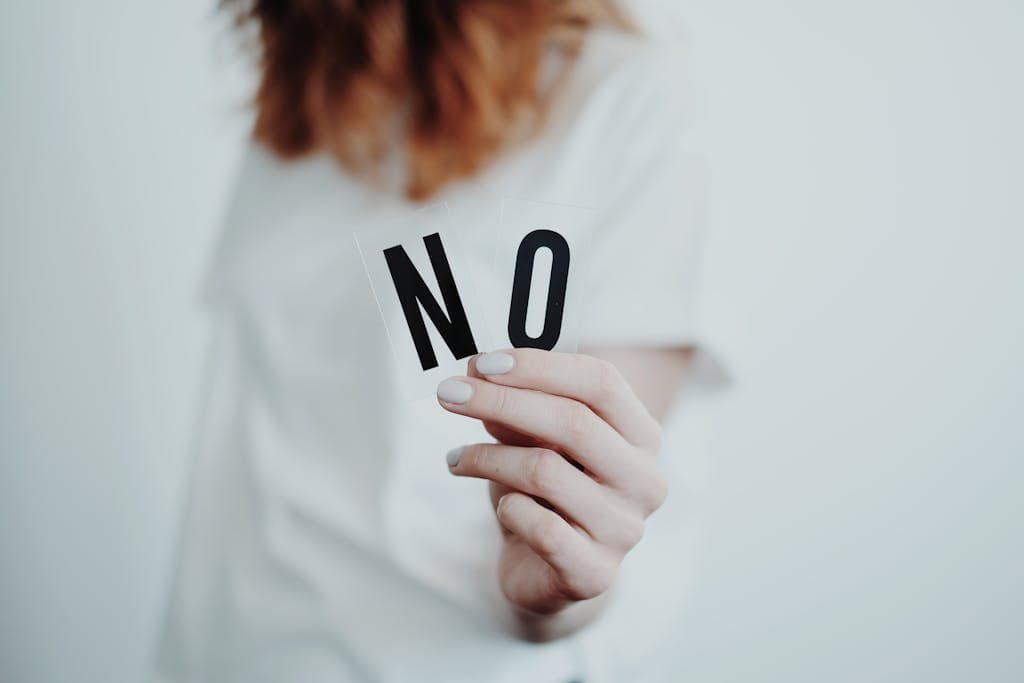
Why would a man risk the public sting of a face-to-face rejection when he can be dismissed anonymously from his couch? Olivia Petter from The Guardian tested six popular dating apps over two months and found that rejection has become entirely gamified. On apps like Tinder, a “NOPE” is just a quick swipe that requires zero eye contact or emotional courage.
The cost of being told “no” in person involves a bruised ego and a potentially awkward walk back to a group of friends. Online, it is just a notification that never arrived or a match that quietly vanished. This low-stakes environment leads men to prefer taking 50 digital shots rather than a single high-stakes attempt in the real world.
Apps have turned dating into something that feels like mindless online shopping. Petter noted that she received thousands of likes she simply ignored, a level of mass rejection that does not happen in person. Men have adjusted to this by choosing the path of least resistance, leaving the bar scene feeling oddly quiet.
Burnout from the Mixed Signal Loop

Men are increasingly exhausted by the mental gymnastics required to figure out if a woman is actually interested. Many guys have stories of women who were warm and engaged one day, only to become cold and distant the next. This “hot and cold” pattern creates a form of emotional whiplash that makes men stop trying.
Often, what a woman sees as simple politeness is read by a man as a green light. A smile or a friendly chat at work can be misinterpreted as romantic interest when it was meant to be neutral. After being corrected a few times, many men learn to assume that a woman is just being nice rather than flirting.
This leads to a state of burnout in which men wait for an unmistakable signal before moving. They would rather miss out on a potential date than deal with the frustration of a “maybe” that turns into a “no.” If the signs are not crystal clear, the modern man is likely to stay in his lane.
The “High Value” Trap

The rise of “High-Value Woman” (HVW) content on TikTok has created a new kind of social barrier. With over 200 million views, these videos often tell women to project an aura of total indifference and emotional restraint. The goal is to seem elite, but the result is often just appearing completely unapproachable.
A Refinery29 analysis suggests that this ideology forces women to act as if they do not care in order to manipulate men into paying attention. This creates an “unapproachable energy” that feels more like a wall than an invitation. Men see a woman who looks like she is judging everyone, and they decide not to bother.
This trend also mirrors “tradwife” aesthetics, which projects a hyper-feminine and rigidly controlled image. These visuals are beautiful, but they can feel like an untouchable pedestal that discourages casual conversation. Most men are looking for a connection, not an audience with a queen who seems bored by their existence.
The Guys Who Never Actually Tried
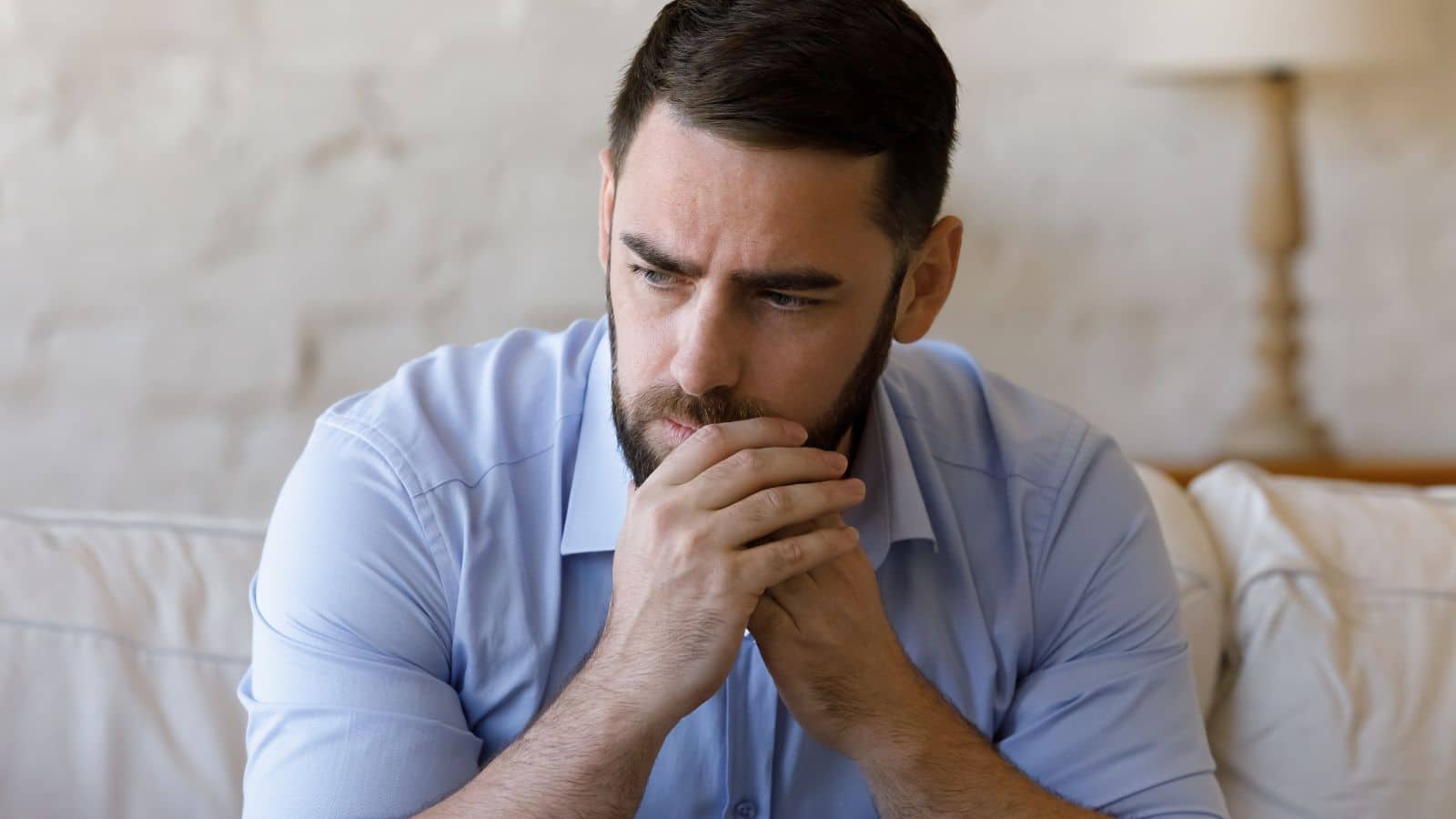
Sometimes the man you are waiting for is not avoiding you; he is just paralyzed by his own internal hurdles. Expert Chris MacLeod notes that extreme shyness often prevents men from taking action even when they desperately want to. These guys experience an anxiety that is much stronger than typical first-date jitters.
This nervousness usually gets worse when the man actually finds a woman attractive. He might have had a crush for years, but never found the “perfect” moment to say anything. If he does manage to talk to you, he might act rude or aloof just to escape the pressure he feels.
Many of these men are late bloomers who are terrified of revealing their inexperience. They might have a great conversation with you, but then fail to follow up because they are overthinking the next step. They aren’t “vanished”—they are just stuck in a loop of self-doubt.
Social Media Has Changed “Readability”
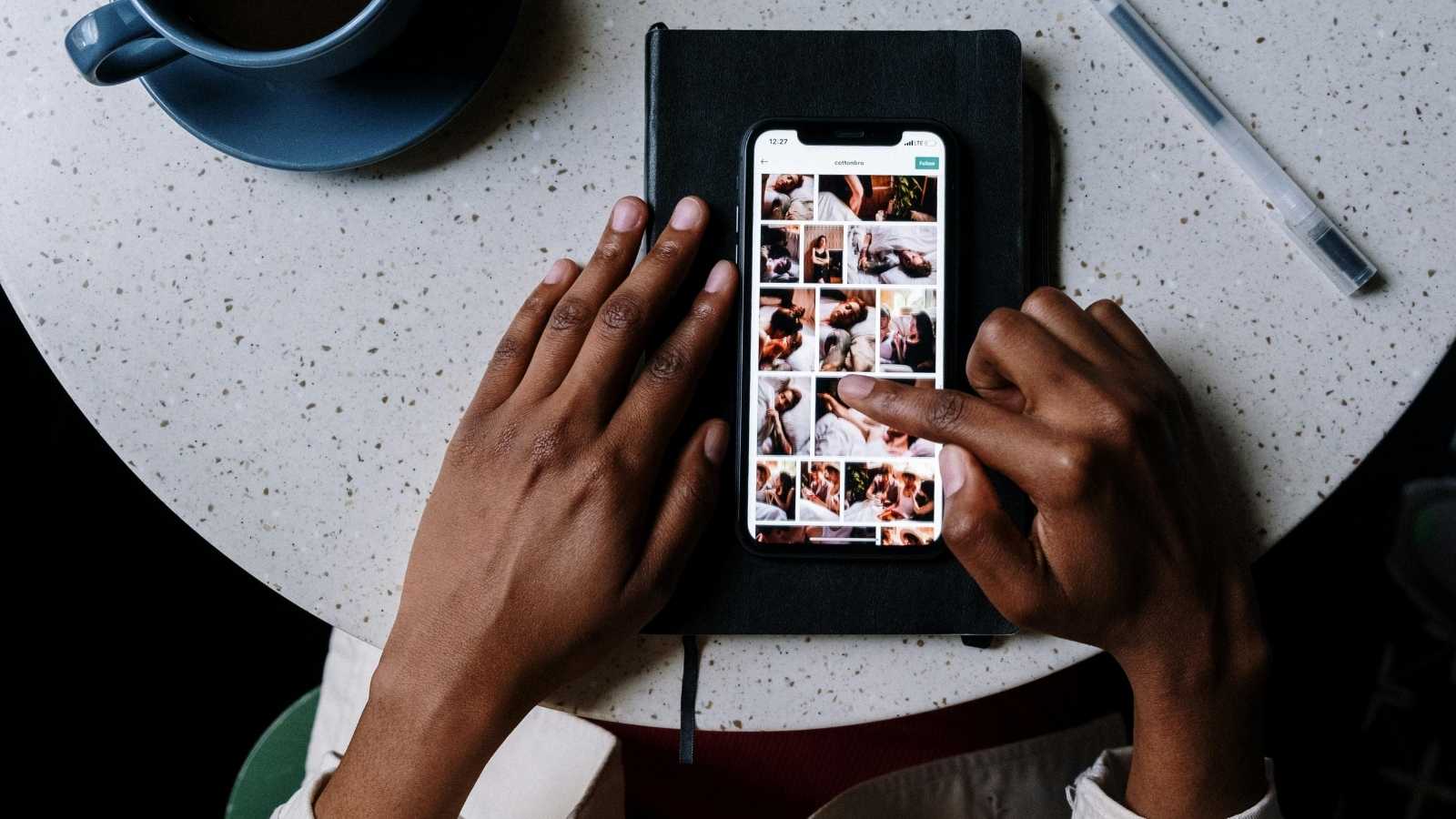
Social media has made it incredibly difficult to read who a person actually is in real life. Dr. Jazayeri and Sherry Turkle discuss “multiphrenia,” where people split into different online avatars. Since most people only post their best news and prettiest photos, the real-world “readability” of a person’s interests is disappearing.
A man might see your polished Instagram profile and assume your life is already full or that you are way out of his league. This “shiny” virtual life hides the fact that you might actually be open to meeting someone new. It creates a mismatch between the curated version of you and the human sitting at the cafe.
Because exaggeration is so common on platforms like LinkedIn and Facebook, men have become wary of authenticity. They see a “perfect” life online and assume that an in-person approach would be a disappointment or a risk. This reliance on digital scouting has made real-life cues feel much less reliable than they used to be.
Men Protect Their Peace More
There is a growing trend among men to prioritize their mental equilibrium over the high-drama world of modern dating. They are becoming more selective about the “energy” they let into their lives. If a woman seems high-drama or reactive, many men will quietly withdraw before even making an attempt.
Strategic “underreacting” is becoming a survival tool for men who want to avoid emotional chaos. They recognize that constant agitation leads to burnout and health issues. By protecting their peace, they choose to remain effective and balanced rather than chasing every attraction.
This means that if you seem stressed, angry, or constantly on edge, men might see you as a threat to their calm. They aren’t ignoring you because they don’t find you attractive. They are simply choosing a low-drama environment over a high-stakes emotional gamble.
The “Perfect Body” Pressure for Men

Women aren’t the only ones feeling the weight of impossible beauty standards. Data shows that men are increasingly struggling with body dissatisfaction and exercise addiction. In fact, roughly one in ten gym-going men may meet the criteria for “muscle dysmorphia,” also known as bigorexia.
Social media is flooded with ripped actors and muscular superheroes, which sets a bar that most average guys cannot hit. This makes many men feel like their “normal” bodies are simply not good enough to merit your attention. They might feel like they need to look like a movie star before they have the right to approach you.
This insecurity is often hidden because cultural norms tell men that “real men” don’t worry about their looks. Instead of talking about it, they channel that shame into over-exercising or avoiding social situations entirely. If he feels like he isn’t “powerful” enough, he is likely to stay in the shadows.
Workplaces and “Safe Spaces” are Off-Limits

The boundaries of what is okay to flirt about have shifted dramatically in the last few years. Many men now view the workplace and other “safe spaces” as entirely off-limits for romantic advances. They fear that a misunderstood comment could lead to professional consequences or social exile.
In these settings, the cost of getting it wrong is simply too high. A guy who likes you at the office might never say a word because he values his career and his reputation. He is choosing self-protection over the risk of being seen as inappropriate or unprofessional.
This decline in approaches is often about boundaries and the fear of crossing a line. Even when there is a clear spark, the fear of “making things weird” in a shared space keeps many men silent. They would rather keep the peace than risk an HR meeting.
Your Vibe Affects Who Dares to Approach

Your body language serves as an invisible aura that signals whether people should come closer or stay away. Humans are hardwired to detect “vibe” signals before a single word is even spoken. If your body language is closed, you are sending a “No Entry” sign without even realizing it.
Common habits like furrowing your brow while checking your phone or crossing your arms can signal stress or defensiveness. A “calm vibe” signals emotional stability, which people naturally find more inviting. If you look like you are in a rush or preoccupied, most men will respect that and stay away.
Aligning your internal confidence with your external signals can make you much more magnetic. Something as simple as open gestures or a genuine smile can break the barrier of intimidation. It is less about how you look and more about the “energy signature” you leave in the room.
Some Men are “Done” with Games

There is a segment of the male population that has simply opted out of the traditional dating dance. These men prioritize their own pleasure and freedom without any of the responsibilities of a committed relationship. They are often described as “playboys” who prefer a life of nightclubs and casual company.
For these men, the “emotional work” of modern dating feels like too much effort for too little reward. They would rather enjoy their time without the games of “who texts first” or “what are we.” They have replaced the pursuit of a partner with the pursuit of a lifestyle.
This shift represents a move toward unattached hedonism, in which peace and control are the primary goals. They aren’t approaching because they aren’t looking for anything beyond the moment. They have traded the complexity of love for the simplicity of self-indulgence.
You Can Still Be Highly Attractive and Rarely Approached

It is a strange paradox, but being conventionally beautiful can actually make your dating life much harder. A study showed that people literally move further away from beautiful women on the street. This creates a physical distance that makes it very difficult for a man to start a casual conversation.
Online dating data from OKCupid backs this up, showing that profiles with “quirkier” photos often get more engagement. Perfection is intimidating because it suggests a high “cost” of entry and a high risk of being rejected. Men feel more comfortable approaching someone who seems human and relatable rather than a “perfect” icon.
High attractiveness signals a level of power that can make others feel like they don’t belong in your space. If you are rarely approached, it might be a testament to how much you stand out. You aren’t being overlooked; you are being put on a pedestal that most guys are too scared to climb.
Key Takeaways
Most men are terrified of a misunderstanding and would rather stay silent than risk a social disaster.
Online rejection is so easy and anonymous that in-person approaches feel unnecessarily risky to many guys.
Men are burned out by mixed signals and often wait for 100% certainty before they make a move.
Being highly attractive can create a “power aura” that unintentionally intimidates and distances potential partners.
Most of the reasons for the “approach drought” stem from changing social rules and male insecurities, not from your personal worth.
Disclaimer – This list is solely the author’s opinion based on research and publicly available information. It is not intended to be professional advice.
Like our content? Be sure to follow us.