12 factors that influence why individuals step away from religious beliefs
Religious affiliation has been changing across much of the world, though the pace and direction vary by country. According to the Pew Research Center, the share of adults who identify as religiously unaffiliated has grown significantly in several Western nations over the past few decades, driven largely by people who no longer identify with the religion in which they were raised.
Researchers emphasize that there is no single reason people leave a faith tradition. Instead, studies point to a combination of personal experiences, changing values, intellectual questions, life events, and broader social trends. Many people who stop identifying with a religion continue to hold spiritual beliefs, while others adopt secular or nonreligious worldviews.
Here are 12 factors that researchers commonly associate with people stepping away from religious beliefs.
Political Alignment and Partisanship
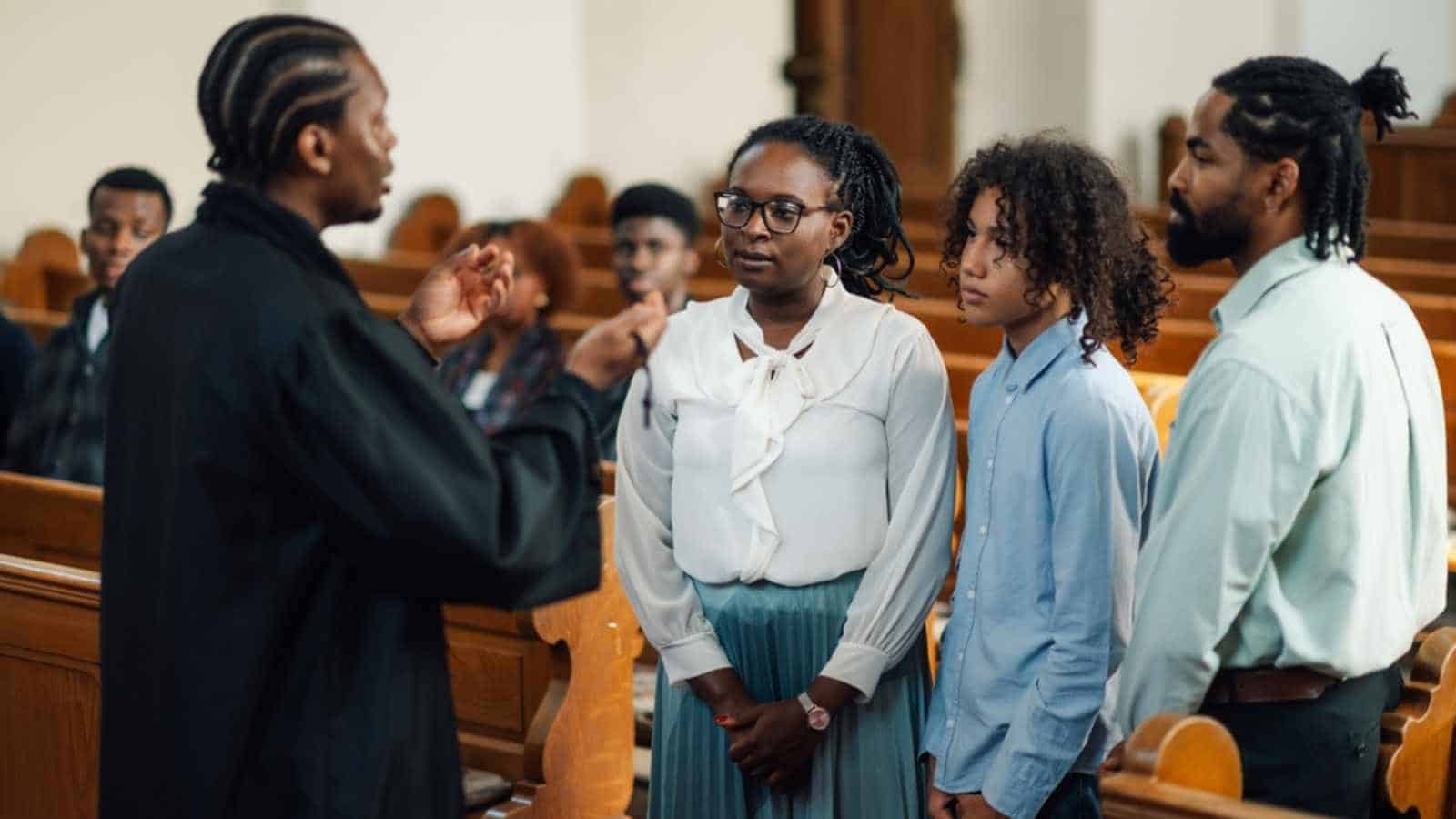
In many places, the line between the pulpit and the political stage has blurred. Services sometimes sound like campaign rallies, and subtle pressure to support particular candidates can seep into prayers and announcements. People who do not fit the dominant voting pattern begin to feel more like outsiders than spiritual partners.
Shifts in religious identity and political alignment now move together, with highly religious and less religious Americans often clustering at opposite ends of the spectrum. When faith becomes a visible political badge, some decide that stepping away is the best way to protect their personal values from being turned into talking points.
Intellectual Doubt and Unanswered Questions

Many folks begin their journey away from the pews when honest questions meet firm walls instead of thoughtful dialogue. Growing up, you may have been handed a script to follow with little room for curiosity, but eventually, deeper thinking demands more than memorized answers and slogans.
Recent national polling on religious change shows that nearly one in five Americans has left the faith tradition in which they were raised, a sign that unresolved questions now commonly lead to full departure rather than quiet frustration. For many, the feeling that truth matters more than comfort becomes too strong to ignore.
Disagreement on Social Issues

Culture keeps evolving, yet many religious institutions hold tightly to older positions on gender, sexuality, and identity. Younger generations look at their friends and loved ones and see ordinary people worthy of dignity, regardless of who they love or how they live. When sermons clash with that everyday reality, inner tension grows.
Analyses of religious disaffiliation show that attitudes toward LGBTQ people are a major fault line, and many former churchgoers say they left partly because teachings about sexuality felt harsh or unfair. In quiet conversations, empathy often wins out, and individuals decide that supporting inclusive relationships matters more than defending old rules.
Institutional Scandals and Trust Deficit

Trust can take decades to build but vanish in a single scandal. News about abuse, financial fraud, or systemic cover-ups pierces the aura of moral authority that religious leadership depends on. It becomes difficult to sit through sermons about integrity when the institution itself seems unable to live up to its own standards.
Long-running surveys have documented steep declines in formal church membership and weekly attendance, trends that researchers link partly to disillusionment with institutional behavior as much as changing beliefs. For many, walking away feels like the only honest response when trust has been broken too many times.
Science and Empirical Rationalism

As education advances, more people rely on evidence, experiments, and peer-reviewed research to build their worldviews. When stories from ancient texts collide with modern physics or biology, logical thinkers often find that the lab carries more weight than inherited doctrine. The natural world itself becomes a source of awe and inspiration.
Studies of religious “nones” show that many describe themselves as “spiritual but not religious,” meaning they still feel a sense of wonder but no longer accept institutional teachings as literal truth. In practice, science and personal experience quietly replace dogma, and people discover plenty of meaning without formal creeds.
Shifting Family Dynamics
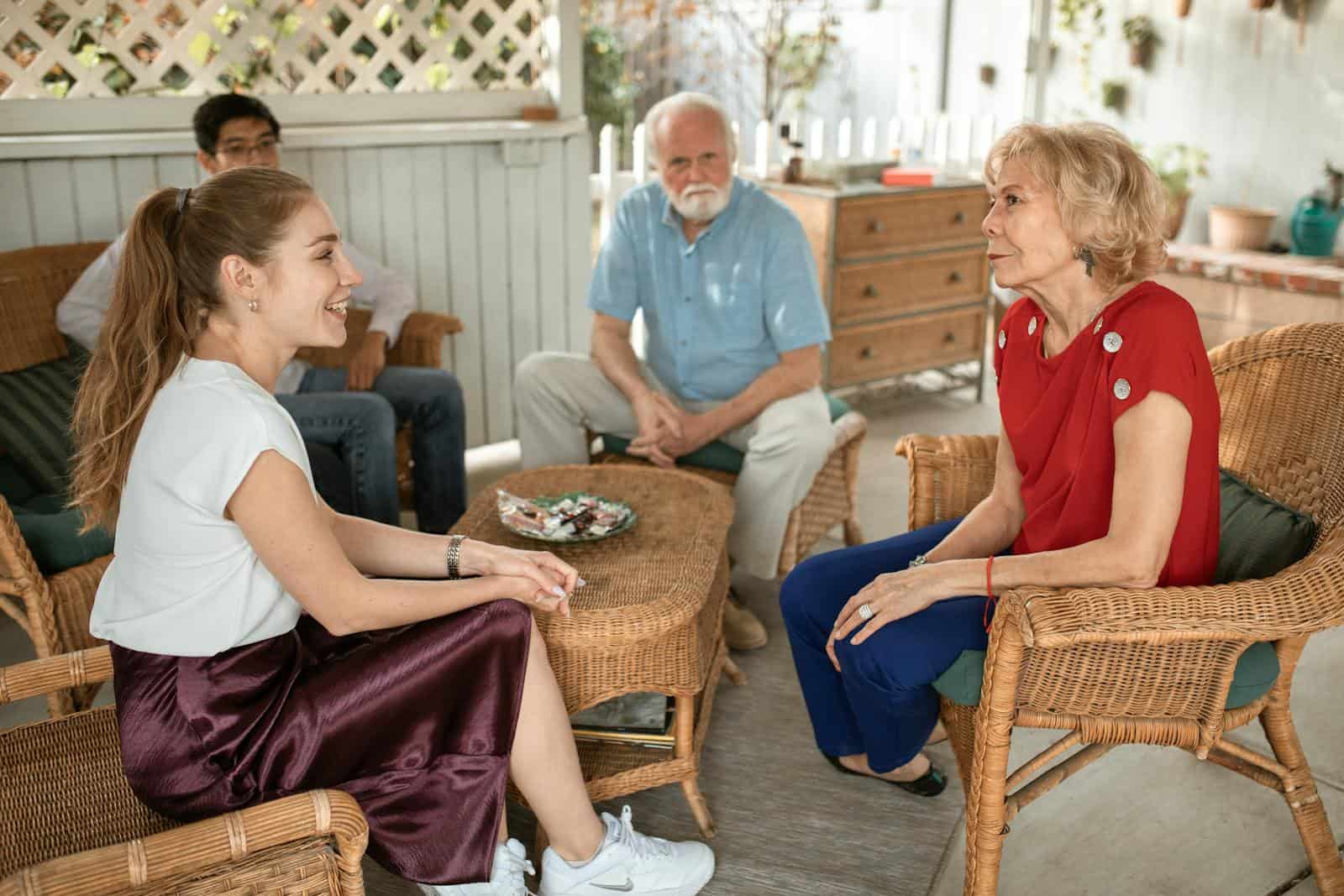
The classic household with two married parents and strict weekly routines is no longer the default. Mixed-faith homes, single-parent families, and blended households juggle competing schedules and beliefs, and formal religious practices can easily slide down the priority list. Over time, the habit of regular attendance simply fades away.
When parents stop treating worship as a non‑negotiable tradition, children grow up with less tribal loyalty to any specific church. As those kids become adults, skipping services no longer feels like rebellion; it feels normal. That softer background makes it far easier to step away completely when life gets busy or values change.
Desire for Personal Autonomy

Organized faith often arrives with thick rulebooks covering money, sex, marriage, and even private thoughts. For many independent minds, that level of control feels more suffocating than supportive. People want the freedom to live their lives and shape their relationships without fearing constant disapproval.
Stepping away lets them reclaim ownership of their choices. They get to define morality for themselves and drop the heavy weight of institutional guilt. Once someone has tasted that autonomy, returning to rigid systems is rarely appealing.
Negative Personal Experiences

Sometimes the biggest obstacle to belief is not doctrine; it is the behavior of other believers. Judgmental comments, gossip, or cold shoulders from fellow members can leave scars that are hard to forget. When a place advertised as a sanctuary becomes a source of hurt, leaving can feel like self‑protection rather than betrayal.
Research on the unaffiliated shows that many former Catholics and ex-members of other traditions report feeling unwelcome or morally judged inside their congregations, with those memories playing a major role in their decision to leave. Once someone stops feeling safe in a pew, the pull to return weakens dramatically.
Secular Alternative Communities

In earlier generations, the local church was one of the few reliable places to find community and support. Today, online spaces, sports teams, civic clubs, and hobby groups provide rich ways to connect. People form deep friendships through shared interests rather than shared creeds, and those relationships can feel just as solid as anything built in a sanctuary.
Recent surveys suggest that many religiously unaffiliated adults feel content with their lives and do not actively seek a return to organized faith, pointing instead to friends, workmates, and digital communities as their main sources of belonging.
Prioritizing Personal Well-Being

Strict religious environments can sometimes amplify anxiety, guilt, and long-term stress. Constant warnings about sin or punishment weigh heavily on a person’s mental health, and repeated exposure to fear-based teaching can leave people exhausted and numb. Stepping away begins to look like an act of self-care, a way to protect inner peace.
Many former churchgoers report feeling lighter and more hopeful after leaving, and they often turn to therapy, mindfulness, exercise, and broader wellness practices instead. The focus shifts from avoiding damnation to building emotional wellbeing, and leaving religion becomes part of a wider effort to heal and grow.
Globalization and Cultural Diversity

Modern life puts us side by side with people from many cultures and belief systems. In schools, workplaces, and online spaces, we see neighbors living kind, generous, and meaningful lives while following very different spiritual paths or none at all. It becomes harder to believe that a single childhood faith holds all the answers.
Exposure to this variety gently erodes the idea that any single tradition has a monopoly on truth. People keep the values that resonate, but drop the claim that only one group is destined to be right. In the process, many find that respect and curiosity feel more honest than defending exclusive dogmas.
General Loss of Interest

For some, leaving religion is not a dramatic break; it is a quiet drift. Services start feeling repetitive, messages seem disconnected from daily reality, and weekends fill up with family obligations or rest. Over time, attending slips from “must do” to “maybe,” and then to “never,” without a big argument or crisis.
Broad trend data show that younger Americans are far more likely to identify as religiously unaffiliated than older generations, illustrating a slow generational shift away from formal affiliation. Another global analysis finds similar patterns in many countries, suggesting people are quietly rewriting how they connect with meaning and community rather than abandoning it entirely.
Key Takeaway

The choice to step away from a religious belief system is a deeply personal process shaped by doubt, disappointment, cultural change, and a desire for personal freedom. Rather than a sudden rejection, it is usually a careful search for authenticity, healthier communities, and values that feel honest in modern life. Whatever path people choose, their aim is the same: to build a life that aligns with their conscience and is free from guilt and fear.
Disclaimer – This list is solely the author’s opinion based on research and publicly available information. It is not intended to be professional advice.
Like our content? Be sure to follow us