12 theories about what happens after we die
Death is one of humanity’s oldest and most enduring mysteries. Despite centuries of philosophical inquiry, religious teaching, and scientific research, there is no scientific consensus that confirms what, if anything, happens to consciousness after death. Modern medicine defines death through biological criteria, such as the irreversible cessation of brain function or circulatory and respiratory function, while neuroscience has found no conclusive evidence that consciousness continues after the brain permanently stops functioning.
At the same time, beliefs about an afterlife remain widespread. According to the Pew Research Center, majorities of adults in many countries believe in some form of life after death, although those beliefs vary considerably across religions and cultures. The ideas below reflect religious, philosophical, and speculative perspectives rather than established scientific fact.
The Multi-Dimensional Transition
Theoretical physicists often play with the idea that our universe consists of multiple layers of reality. This theory suggests that dying in the third dimension is merely slipping into a higher geometric plane. Your consciousness leaves the physical envelope behind and begins operating in a space where time no longer exists.
Popular science books and articles on extra dimensions explain that higher-dimensional beings could, in theory, see and move through our world in ways that feel impossible to us, much like we would look godlike to a flat two-dimensional character.
This perspective turns death into a kind of promotion, hinting that our inner awareness might simply shift into a roomier, more flexible layer of reality rather than vanishing.
Cosmic Consciousness

Many thinkers believe our minds do not actually belong to our bodies at all. This theory suggests that individual human consciousness is just a tiny wave in a massive, universal ocean of awareness. When our physical bodies stop working, our personal thoughts and identities simply dissolve back into the main energetic source.
Modern resuscitation research led by Dr. Sam Parnia at NYU Langone has documented patients who show awareness and recall even after their hearts have stopped for short periods, which some scientists argue means conscious experience can persist briefly during clinical death in ways we do not yet fully understand.
This line of evidence supports the idea that the brain may be more of a receiver or filter for awareness than the ultimate source of our inner self.
The Traditional Heaven
For billions of people worldwide, the afterlife is a beautiful, physical place of comfort and joy. This perspective promises a grand reunion with long-lost relatives and a complete absence of earthly suffering. It provides immense emotional comfort to anyone grieving a loss or facing their own final days on Earth.
Religious scholars argue that this concept helps humans live with a clear moral compass while keeping hope alive. Large compilations of near-death accounts, such as those summarized by the International Association for Near-Death Studies, show that many experiencers describe realms of light, peace, and loving presences, reinforcing the classic image of a welcoming, “heaven-like” environment rather than a cold one.
Eternal Rebirth

What if you just keep coming back to try again under completely different circumstances? The concept of reincarnation suggests that the soul enters a brand new physical body after the old one expires. Your past actions dictate your next biological setup, turning existence into a long, evolutionary schoolroom for the spirit.
Researchers at the University of Virginia’s Division of Perceptual Studies have documented hundreds of “Cases of the Reincarnation Type,” including children who recall detailed past-life memories that investigators later match to real historical individuals.
For believers, this kind of evidence hints that personal growth and moral lessons can continue across many lifetimes rather than ending abruptly.
The Simulation Reset
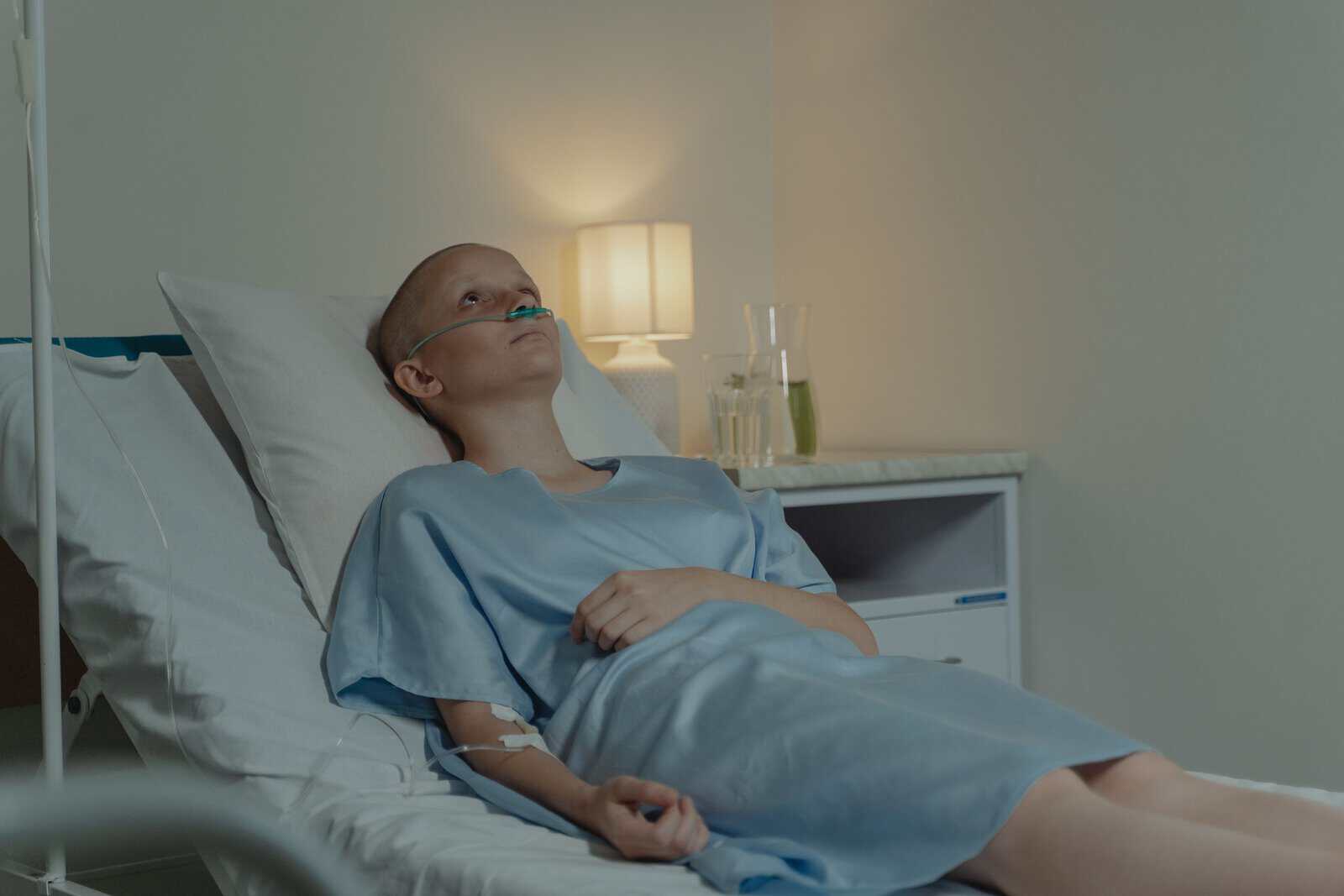
Tech enthusiasts and philosophers love to debate whether our reality is actually a massive computer program. Under this theory, dying is simply the moment the game ends and the user interface changes.
You might take off a virtual reality headset only to realize you are an alien teenager playing a simulation. This concept turns our everyday heartbreaks and triumphs into lines of sophisticated digital programming.
Popular discussions of the “simulation hypothesis” in philosophy and science writing often note that rapidly advancing virtual reality makes it easier to imagine consciousness exiting one simulated environment and loading into another, which fits neatly with the idea that your final moment is more of a system log-out than a true disappearance.
Biological Nothingness

Materialistic science offers a much more grounded and blunt explanation for our final moments. This theory states that consciousness is purely a product of electrical impulses inside our gray matter. Once the heart stops pumping oxygenated blood, the brain shuts down permanently, and everything simply goes dark forever.
Neurology and critical-care guidelines describe how loss of cerebral blood flow leads to rapid electrical silence in brain tissue, and modern medical standards define irreversible cessation of brain function as a key marker of death in humans.
For many people, knowing that everything ends cleanly can actually reduce anxiety, because it frames each day’s choices and decisions as uniquely precious moments that will never repeat.
The Dream State Prolonged

The human brain releases a massive flood of chemical compounds during its final moments of activity. Some scientists hypothesize that this chemical surge triggers a subjective dream that feels like it lasts for eternity. Because our internal perception of time can stretch wildly, a single second could easily feel like a thousand years.
Studies on dreams and altered states of consciousness show that people can experience complex, lifelike narratives in a single night’s dreaming, and near-death experiences often feel much longer and richer than the brief cardiac arrest or trauma that triggered them.
That mismatch between clock time and felt time supports the idea that your brain could spin up one last, incredibly rich narrative world that functions as a personal, custom-built afterlife.
The Quantum Immortality Loop

Quantum mechanics introduces a wild idea known as the many-worlds interpretation, in which every choice splits the universe. This theory suggests that your consciousness can never actually experience its own non-existence or demise. When you die in one timeline, your awareness immediately skips over to a parallel reality where you survived.
Philosophers and physicists writing about “quantum immortality” point out that, in theory, you would always find yourself in branches where you continue to exist, no matter how unlikely survival might be. In practice, that would feel like an unusually long and “lucky” life, a continuous thread of awareness that never reaches a true endpoint.
The Astral Travel Awakening

Esoteric traditions claim that humans possess an energetic body that exists parallel to our physical flesh. This perspective treats dying as the permanent severing of the energetic cord connecting the two forms. Once freed, your astral body can fly through the cosmos, visiting distant stars and exploring unseen dimensions.
Research into lucid dreaming and out-of-body experiences has found that healthy individuals sometimes report vivid episodes of perceiving themselves outside their bodies during states of reduced vigilance. These episodes are treated by believers as practice runs for the full astral departure at death, turning the final moment into the start of a grand, unbounded journey.
The Ancestral Echo

Several cultural traditions focus less on literal souls and more on the genetic and emotional legacy we leave behind. This theory suggests our true afterlife exists purely through our descendants and the memories preserved by loved ones. You live on through the laughter of your children and the grand stories told around dinner tables.
Anthropologists studying family-centered cultures note that rituals, storytelling, and shared traditions keep ancestors symbolically “alive” in the community’s daily rhythms, often influencing how younger generations think, feel, and choose. That lens makes your relationships and everyday acts of kindness the real building blocks of immortality
The Cosmic Void
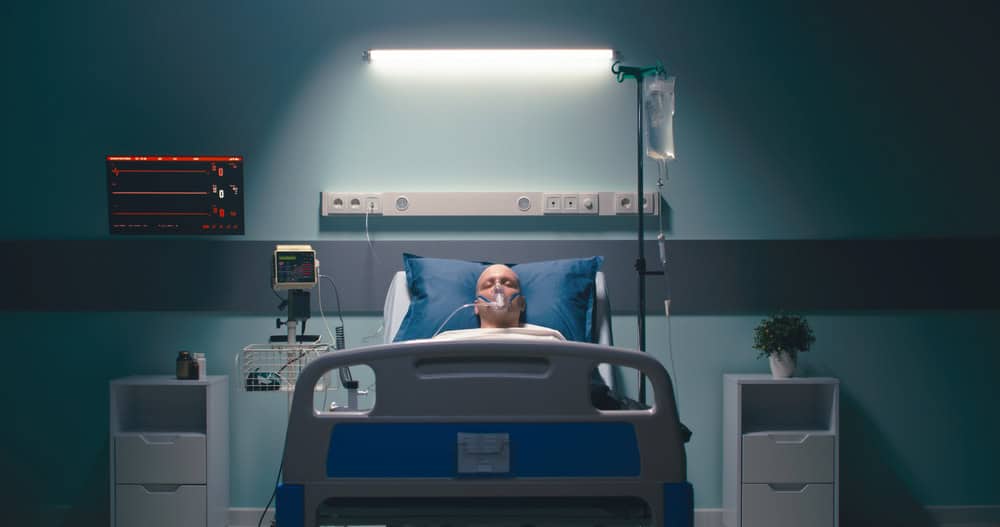
Unlike a cold biological shutdown, the void theory describes a peaceful state of absolute nothingness. It is often compared to the deep, dreamless sleep you experience when you are completely exhausted. You do not feel lonely or sad because there is no longer a conscious “you” to process the silence.
Philosophical writing on Nirvana and ego dissolution describes this kind of emptiness as a release from craving, stress, and mental chatter rather than a punishment, emphasizing the end of grasping rather than the end of value.
The Near-Death Portal

The most tangible clues we have come from individuals who were pulled back from the brink by modern medicine. Thousands of survivors report moving through a dark tunnel toward an incredibly warm, loving light. These accounts are remarkably consistent across different cultures, age groups, and religious upbringings worldwide.
According to a comprehensive 2026 international poll run by IANDS and Centiment, about 23% of American adults say they have had a near-death experience, and many of those report feelings of intense peace, love, and expanded awareness during the episode.
That widespread pattern suggests that, whatever the ultimate destination may be, the first steps out of ordinary life are surprisingly gentle and deeply comforting to many people.
Key Takeaway
While science and religion continue to debate the logistics of our final moments, the true answer remains a mystery. The sheer variety of these concepts shows our universal desire for meaning, continuity, and emotional wellbeing in the face of uncertainty.
Instead of letting the unknown paralyze us with fear, we can use it as a reminder to appreciate the present moment, practice everyday self-love, and care for our mental health. Loving deeply, laughing often, and embracing the strange journey of living is the best way to prepare for whatever comes next.
Disclaimer – This list is solely the author’s opinion based on research and publicly available information. It is not intended to be professional advice.
Like our content? Be sure to follow us