12 foods fitness experts recommend for faster muscle recovery
Sports nutrition experts say the first hour after exercise is critical for muscle recovery and energy replenishment.
Crushing an intense workout at the gym can leave you feeling like a superhero who just saved the planet from a major disaster. But once the adrenaline fades, your tired muscles often start screaming for a bit of immediate help and attention. The real magic of building strength actually happens after you set down the weights and head into the kitchen.
The American Heart Association notes that in the 30 to 60 minutes after a workout, your muscles are especially ready to store carbohydrates and protein as energy and use them for recovery, which is why that first post-gym meal matters so much.
Smart athletes know that refueling is the secret weapon for bouncing back quickly and getting ready for the next challenge. Turning your kitchen into a recovery zone helps you get back on your feet without unnecessary soreness.
Avocados

These creamy green fruits are packed with heart-healthy monounsaturated fats that help your body absorb essential fat-soluble vitamins. They are rich in potassium, an important electrolyte that gets lost through your sweat when you are working hard. Smashing some avocado onto a slice of whole wheat toast creates a perfect post-workout fuel combination.
You can also dice them into salads, blend them into smoothies, or serve them alongside eggs for an extra dose of staying power. Their healthy fats help keep you full, making it easier to avoid mindless snacking after a long session. Adding a little green to your post-workout plate keeps your energy steady and your meals satisfying.
Tart Cherry Juice
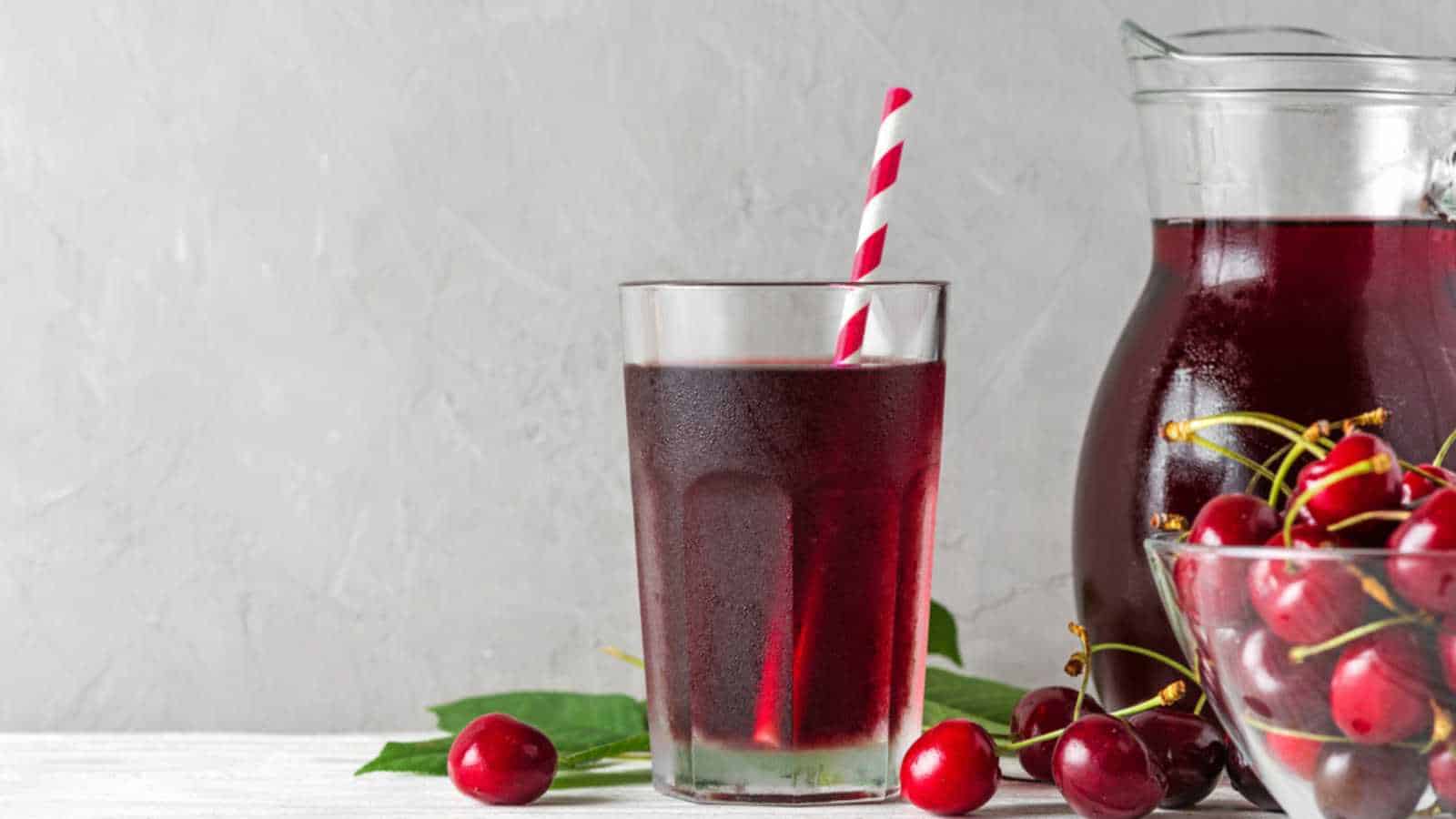
Drinking a glass of this bright red juice is like throwing an ice pack onto your inflamed muscles from the inside out. It is packed with natural antioxidants that help soothe the deep aches that follow a heavy lifting session or a long run. Many marathon runners swear by it to keep their legs moving smoothly during peak training weeks.
A trial in the British Journal of Sports Medicine found that people who drank tart cherry juice before and after intense exercise lost only about 4% of their strength over four days, compared with 22% in the placebo group, and reported less overall muscle soreness.
This natural elixir helps speed up the healing process without relying on over-the-counter pills. Gulping down a serving after your final rep can give your recovery a serious head start.
Wild Salmon
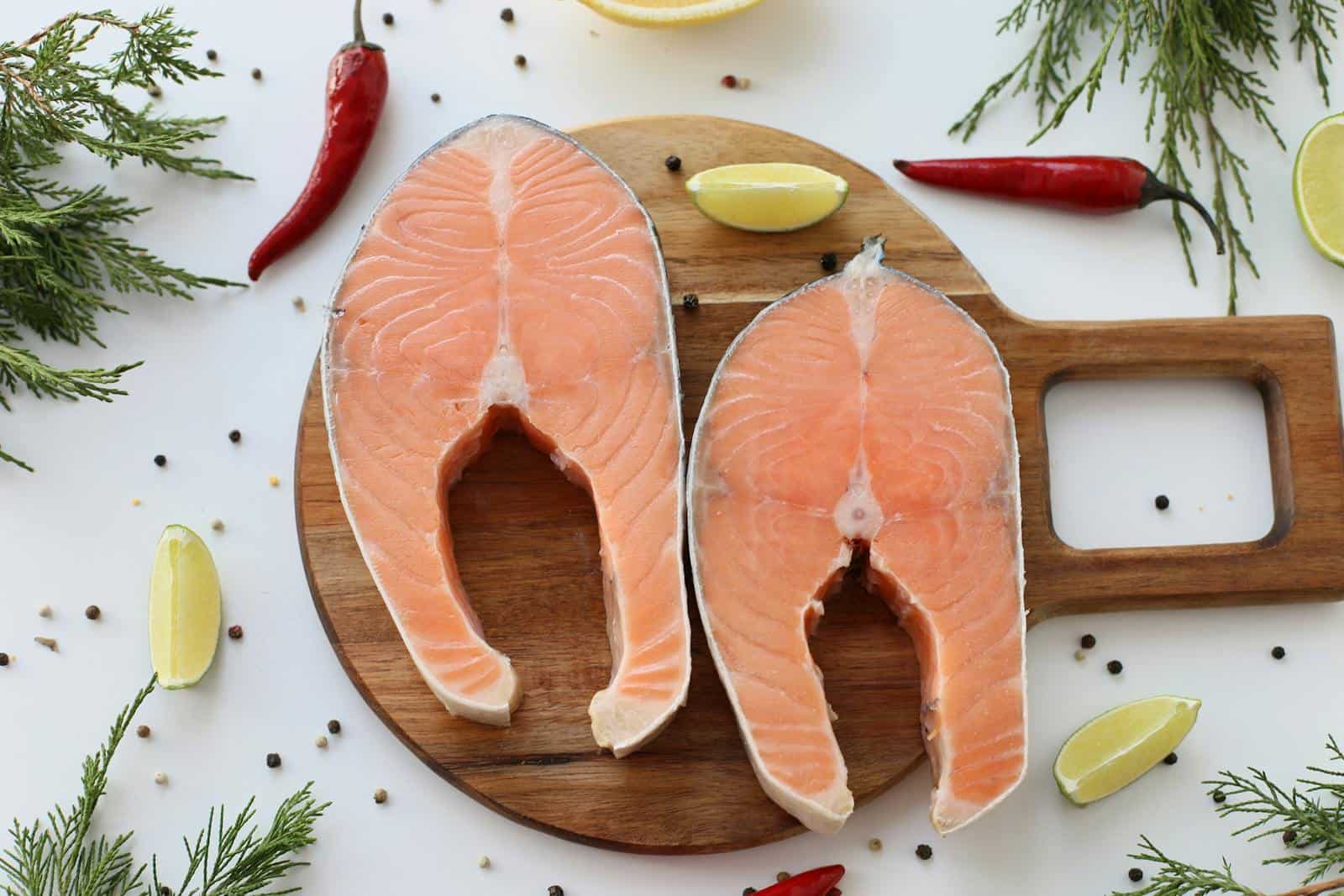
This swimming powerhouse is rich in omega-3 fatty acids, which provide an excellent defense against post-workout inflammation. It provides a massive dose of clean protein that acts as the basic building blocks for repairing tiny muscle tears. Plus, it tastes fantastic when grilled with a little lemon juice and pepper.
Adults are recommended to eat seafood, especially fatty fish like salmon, at least twice a week to support heart and muscle health, yet intake data show most people do not meet that target.
Adding a piece of salmon to your dinner plate a couple of nights each week can keep your joints feeling smooth and well-oiled. It is a delicious way to give your body the premium materials it needs to build a stronger chassis.
Greek Yogurt
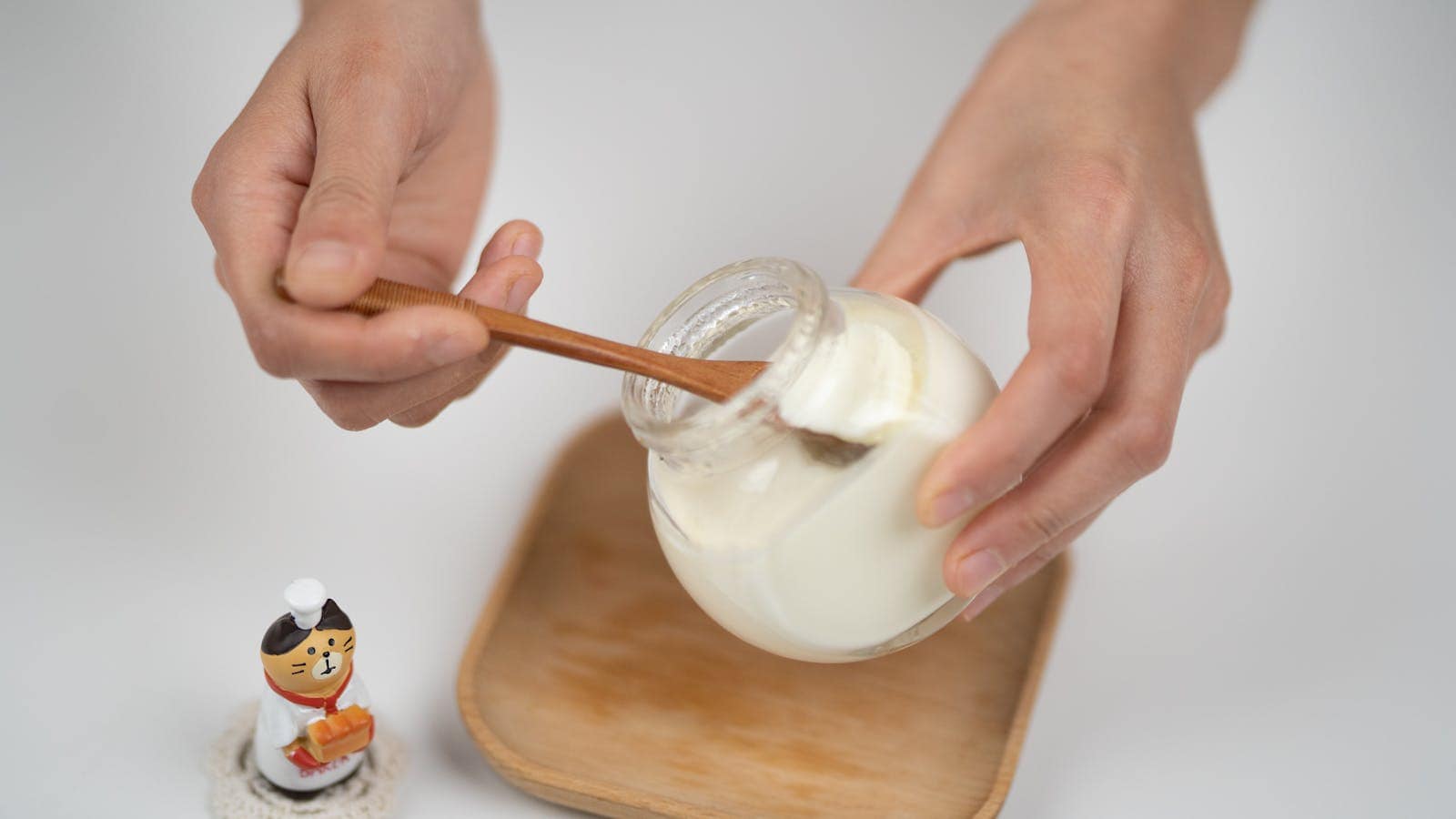
Scooping up a bowl of this thick treat gives your body a double dose of protein compared to standard regular options. It contains a slow-digesting protein called casein, which feeds your tissues over an extended period. It is the perfect bedtime snack to help your body repair itself while you catch some quality sleep.
Dairy foods such as Greek yogurt provide high-quality protein for muscle repair and also deliver probiotics that may support gut health and overall recovery. Mixing in a few fresh berries can turn a simple snack into a recovery powerhouse that satisfies your sweet tooth. Your muscles will thank you the next morning when you jump out of bed without any stiffness.
Sweet Potatoes

After a grueling training session, your body’s personal energy tanks are completely running on fumes and need a quick refill. Sweet potatoes provide a clean source of complex carbohydrates that replenish your glycogen stores without causing a sudden sugar crash. They are incredibly easy to bake ahead of time, so they are ready when hunger strikes.
A review on glycogen metabolism in Sports Medicine explains that consuming approximately 1.0 to 1.2 grams of carbohydrate per kilogram of body weight per hour after hard exercise is ideal for rapidly restoring glycogen, especially in the first few hours of recovery.
These orange roots are also packed with potassium, which helps prevent those painful nighttime calf cramps that wake you up out of a sound sleep. They are a staple in the pantry of anyone who trains hard regularly.
Eggs

The humble egg is often called the gold standard for protein quality because it contains all the essential amino acids your body requires. Eating the whole egg rather than just the whites provides healthy fats and vitamins that support muscle building. They are cheap, versatile, and can be whipped up in a matter of minutes.
A study found that lifters who ate whole eggs after resistance exercise had a greater muscle protein synthesis response than those who consumed an equivalent amount of protein from egg whites alone. They fit perfectly into any post-workout routine. Keeping a few hard-boiled eggs in the fridge ensures you always have a quick snack on hand.
Spinach

Pop‑eye was definitely onto something when he squeezed open a can of this dark leafy green before a major physical challenge. Spinach is loaded with iron and magnesium, which play a critical role in delivering fresh oxygen to your exhausted muscle tissues. It helps reduce the oxidative stress that can slow down your progress over the long haul.
Tossing a handful of greens into your blender is an easy way to boost the nutritional value of your daily smoothie without changing the flavor. You can add it to omelets, grain bowls, or sandwiches to quietly upgrade your plate. Making spinach a regular guest at your table supports your long-term stamina and overall resilience.
Watermelon

Biting into a juicy wedge of this pink fruit is incredibly refreshing after sweating bullets during a hot summer afternoon workout. Watermelon is rich in an amino acid called L-citrulline, which has been studied for its potential to improve blood flow and ease muscle soreness. It is also mostly water, making it a fantastic tool for quickly rehydrating your system.
A small trial found that athletes who drank watermelon juice enriched with L-citrulline before exercise reported less muscle soreness 24 hours later than those who drank a control beverage.
It helps wash away the lactic acid that builds up in your limbs when you are pushing your physical limits. Plus, it feels like a total cheat meal treat even though it is packed with pure health benefits.
Turmeric
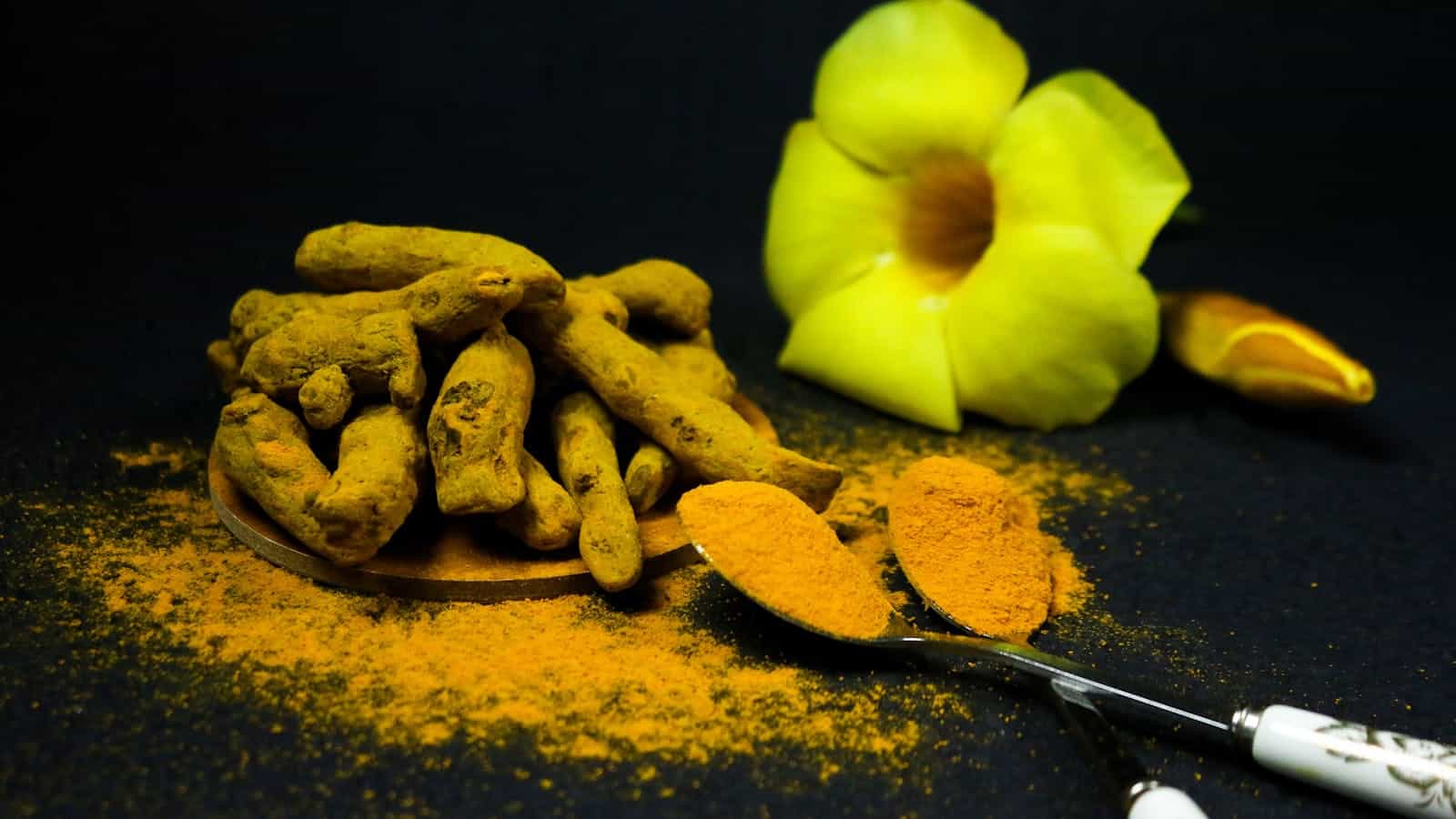
This golden spice is renowned for its ability to reduce swelling and soreness throughout the body. The active ingredient, curcumin, works behind the scenes to quiet the inflammatory pathways triggered during a heavy lifting session. You can sprinkle it onto your roasted veggies or mix it into a warm mug of milk.
A systematic review and meta-analysis in Phytotherapy Research concluded that curcumin supplementation can significantly reduce markers of muscle damage and delayed onset muscle soreness after exercise in adults.
It acts as a natural shield, protecting your tissues from excessive wear and tear during peak training cycles. Adding a dash of gold to your dinner plate is a smart move for long-term durability.
Blueberries

These tiny blue gems are absolute powerhouses at fighting the free radicals that damage your cells during exercise. They help accelerate muscle repair by protecting your tissues from the microscopic stress caused by lifting heavy objects. They are perfect for tossing into a bowl of oatmeal or eating straight out of the carton.
You can blend them into smoothies, stir them into yogurt, or scatter them over pancakes for an easy antioxidant boost. Their natural sweetness makes them a simple swap for more processed desserts when your sweet tooth kicks in. Keeping a bag of frozen berries on hand means you always have a recovery-friendly add‑in ready to go.
Cottage Cheese

This classic high-protein snack is making a massive comeback among fitness enthusiasts for a very good reason. It is packed with leucine, an amino acid that triggers the muscle-building machinery inside your body after a tough workout. It provides a steady release of nutrients that keeps your body in a repairing state for several hours.
A one-cup serving of low-fat cottage cheese delivers roughly 25 to 28 grams of high-quality protein along with calcium and other key nutrients. It is a fantastic late-night snack that keeps you full and satisfied until morning. You can pair it with pineapple chunks or savory herbs to keep your taste buds happy.
Oatmeal
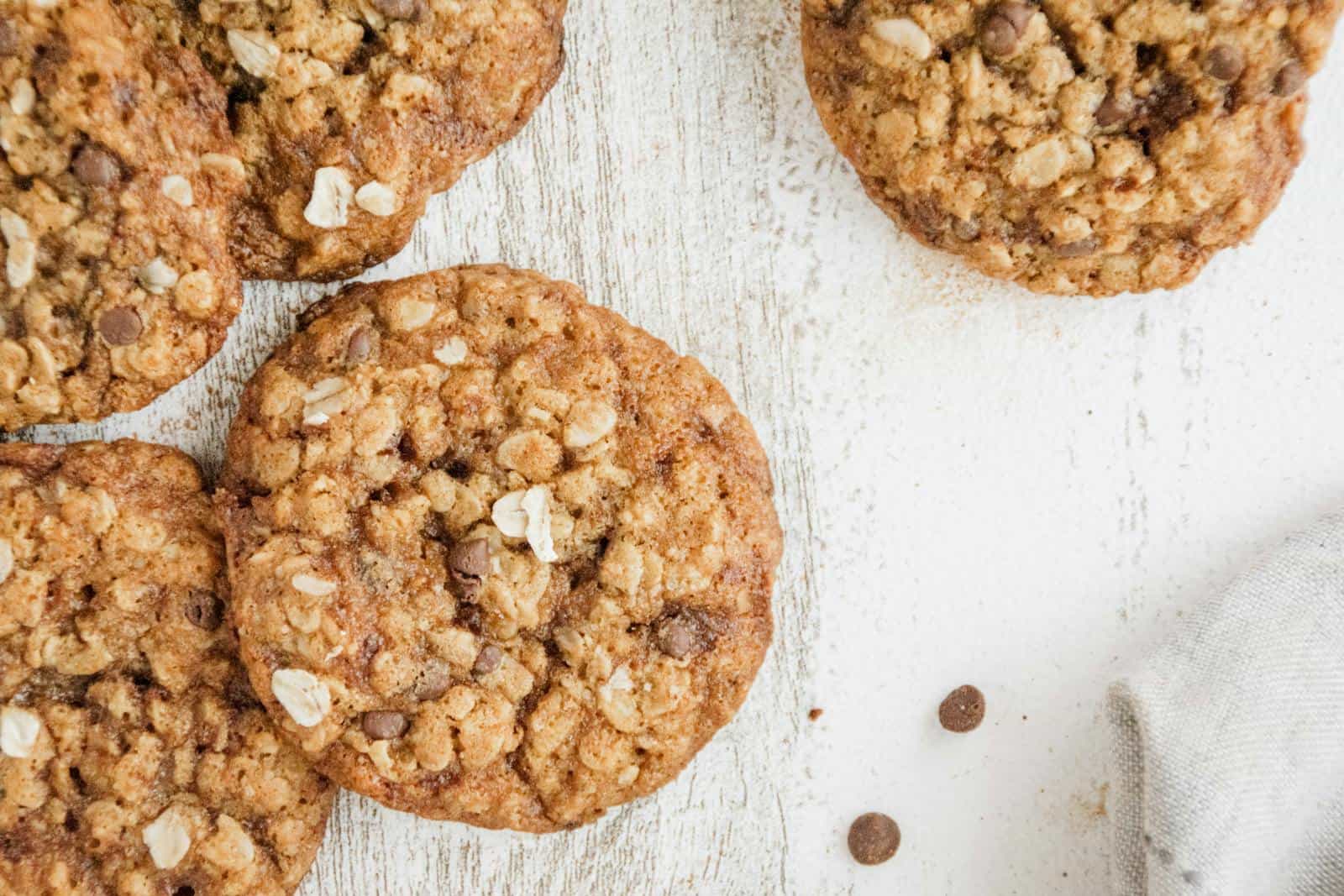
When you are completely wiped out after a morning workout, a warm bowl of oats can feel like a big hug for your stomach. This classic grain provides a steady stream of complex carbohydrates that helps restore your energy levels without causing a sudden crash. It is an excellent canvas for adding other recovery boosters, such as nuts, seeds, and fruit.
Exercise science groups recommend consuming a mix of carbohydrates and protein within about 30 to 60 minutes after training to support recovery and performance gains. Oatmeal makes it incredibly easy to hit this window because it cooks on the stove in just a few minutes. It provides the sustained stamina you need to tackle the rest of your daily to-do list.
Key Takeaway

Bouncing back from a grueling workout requires a thoughtful approach to what you put into your body. By focusing on clean proteins, complex carbohydrates, and natural anti-inflammatory options, you can cut your recovery time in half.
These kitchen staples work together like a well-coordinated pit crew, repairing the damage from your last session and fueling your engine for the next one. Remember that consistency in your nutrition is just as important as the effort you put into your training program.
Disclaimer – This list is solely the author’s opinion based on research and publicly available information. It is not intended to be professional advice.
Like our content? Be sure to follow us