12 foods millennials moved away from due to busy lifestyles
Life as a millennial is non-stop. Between juggling work, side gigs, and squeezing in a few moments for ourselves, the idea of making a home-cooked meal from scratch feels like a distant memory. Who has the time for leisurely dinners anymore?
If you’re feeling like cooking a gourmet meal is more of a luxury than a reality, you’re not alone. In fact, data from the USDA Economic Research Service shows that millennials spend significantly less time on food preparation, presentation, and cleanup, about 55 minutes less per day than Gen X’ers.
Convenience has definitely taken the lead, and it’s reshaping how we think about food. What was once a slow, intentional process is now all about speed, and honestly, it’s something we could never have predicted just a generation ago.
Scratch-made weeknight dinners

Forget chopping onions and simmering sauces for hours. Millennials have been steadily moving away from scratch-made weeknight meals that demand time, patience, and extensive cleanup.
While older generations bought more raw meat and grains, millennials are spending much more on prepared foods. As workdays extend and side hustles multiply, those millennials who bought takeout or fast food in the past week reflect a real time crunch.
This fundamental shift in consumer habits highlights a growing preference for convenience over culinary tradition. Efficiency is now the primary ingredient for modern dining.
Big sit-down breakfasts

When was the last time you sat down for eggs, bacon, and toast? This hearty morning ritual is quickly becoming a thing of the past for millennials.
As reported by FlavorSum, the traditional breakfast is increasingly being replaced by functional beverages, driven by consumer needs for convenience, energy, and portability.
Busy schedules mean we no longer prioritize a hot plate; instead, we opt for nutrient-dense shakes or caffeinated sips that fit a mobile lifestyle. While the nostalgia of a full fry-up remains, the modern reality is a liquid meal consumed on the move. Efficiency is the new flavor of the day.
Traditional three-course meals

Gone are the days of elaborate sit-down dinners featuring formal starters, heavy mains, and decadent desserts. Today, millennials are leading a global shift toward snacking throughout the day and toward much faster eating habits overall.
This rise of “grazing” and snack culture signals a significant departure from structured meal times, with younger generations embracing flexible food options that can be eaten on the go.
Whether it is a quick protein bar or a small artisanal plate, the focus has moved to convenience, variety, and efficiency. This evolution reflects a fast-paced lifestyle where the traditional table is replaced by the world.
Labor-intensive Sunday roasts

Long, slow roasts and all-day cooking sessions are no match for the millennial time crunch. A USDA Economic Research Service report indicates that, on average, millennials allocate a higher percentage of their food budget to food-away-from-home compared to older generations.
Spending 55 minutes less per week on food prep than Gen X is a telltale sign that slow Sunday roasts are on their way out. This shift reflects a fast-paced lifestyle where convenience is king and time is the most precious commodity.
As traditional methods fade, the rise of quick, nutritious meals defines the modern era of domestic dining.
Rice, pasta, and from-scratch starches

Millennials are fundamentally reshaping the grocery landscape by trading traditional kitchen labor for efficiency. Gone are the days of monitoring a boiling pot of rice or simmering pasta from scratch; instead, this generation prioritizes speed without sacrificing flavor.
There is a shift in spending habits, with a clear preference for gourmet prepared foods and artisanal sweets over the raw bulk grains favored by older generations.
By opting for ready-to-heat ancient grains and pre-cooked alternative pastas, millennials reclaim their evening hours. This transition reflects a lifestyle where convenience isn’t just a luxury, it is the baseline for every modern meal.
Also on MSN: 13 foods that become dangerous after the expiration date
Heavy red-meat dinners
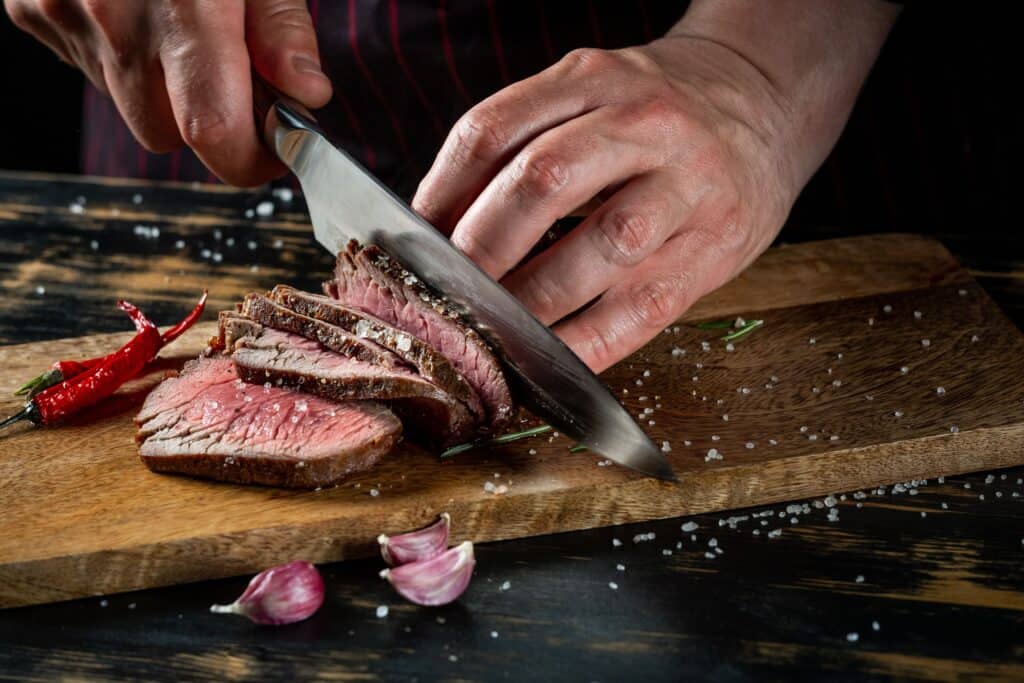
With health, environmental sustainability, and modern time constraints in mind, millennials are steadily moving away from red-meat-heavy dinners.
This generation is purchasing significantly less beef and pork than its predecessors, as innovative plant-based alternatives gain major traction. A EAT-GlobeScan’s 2024 Grains of Truth report finds that 72% of Millennials, particularly those with children at home, express a strong interest in plant-based foods.
They prioritize nutrition and ethics, reshaping the global food industry by demanding diverse, eco-friendly, and convenient protein sources for their families.
Big family-style casseroles

Casseroles that require long baking times are becoming a rare find in the modern millennial kitchen. Today, many younger adults are spending significantly less on bulk ingredients for big-batch meals, opting instead for quicker single-serve dishes or even simple “snack plates.”
With busy Americans still sitting down for three meals a day, the traditional casserole has been swapped for creative meals that fit a fast-paced lifestyle, meaning no preheating or long oven time is required.
This shift reflects a broader trend toward convenience, efficiency, and reducing food waste in smaller, urban households.
Full home-cooked holiday spreads

The elaborate holiday meals of yore are becoming less common, with millennials leaning toward semi-homemade or catered spreads. According to New Hope Network’s analysis, roughly 62%–66% of Millennials reported purchasing prepared deli food, carry-out, delivery, or fast food in the last seven days.
Millennials say they plan to eat out more often, signaling that even special occasions are now marked by takeout or restaurant dining rather than spending hours in the kitchen.
This shift suggests a new cultural era where convenience and shared experiences take a major precedence over traditional home cooking.
Sugary bakery breakfasts

While sugary pastries and donuts once ruled the breakfast scene, millennials are increasingly moving toward protein-rich snacks. Today, breakfast pastries are often replaced with protein bars, smoothies, or even savory options that are quick and nutritious.
This shift highlights a massive cultural obsession with long-term wellness and sustained energy levels over the fleeting high of a sugar rush. As busy schedules demand more focus, young professionals prefer Greek yogurt, hard-boiled eggs, or keto-friendly nuts.
These portable, fuel-dense choices provide the necessary stamina to power through a long, grueling workday.
Complicated multi-pan recipes

Multi-step, multi-pan meals? Not so much. Gobble blog notes that the demand for convenience in home cooking is high, with 73% of home cooks preferring recipes with fewer ingredients and 64% favoring one-pot or single-tray dishes.
Millennials are choosing simpler, faster recipes that don’t require a collection of cooking tools, and it shows in the growing trend toward convenience-driven cooking.
This shift clearly reflects a broader lifestyle change where efficiency is paramount. Busy professionals now prioritize nutritional value without the exhaustion of extensive cleanup. Streamlined prep ensures great taste.
Time-consuming meal-kit recipes

The meal kit industry is currently facing a significant identity crisis as consumer habits shift toward extreme efficiency. While millennials are often characterized by their interest in culinary exploration, they are increasingly unwilling to dedicate 40 to 60 minutes of active labor to a single weeknight dinner.
The initial novelty of pre-portioned ingredients has faded, replaced by a demand for speed that these traditional services simply cannot meet.
With the seamless availability of high-quality fast-casual dining and instant delivery apps at their fingertips, millennials are ditching meal kits in favor of more convenient, modern solutions that fit their fast-paced lifestyles.
Long-fermented or DIY foods

DIY food trends, like homemade yogurt and sourdough, once deeply captivated millennials, but these time-intensive hobbies have since been sidelined by increasingly busy schedules and a return to office life.
Despite the decline in “from-scratch” crafting, the interest in gut health remains remarkably strong. A study by Opeepl found that 40% of young consumers rate gut-healthy fermented foods, specifically mentioning kimchi and kombucha, as important.
Instead of managing starters, they are now buying ready-made options. Specifically, kimchi and kombucha have emerged as the most important staples for this health-conscious group.
Key takeaway

Millennials are making a conscious shift away from time-consuming, labor-intensive meals. From scratch-made weeknight dinners to multi-step recipes, convenience has become the driving force behind food choices. With millennials regularly turning to takeout or prepared meals, it’s clear that busy schedules and a desire for quick, easy options are reshaping the way this generation eats.
As the pace of life accelerates, millennials continue to prioritize convenience, leaving traditional meals behind. This evolution in dining habits highlights a major cultural pivot toward efficiency and simple modern living.
Like our content? Be sure to follow us.