13 foods that cost less when you eat out instead of cooking at home
New cost analyses show that for certain single-serve meals, eating out can actually be cheaper than cooking at home once waste and ingredient sizes are factored in.
For most meals, cooking at home is still cheaper than eating out. Top Nutrition Coaching estimates that the average home-cooked meal costs $4 to $6 per person, while restaurant meals typically cost $15 to $25 or more per person.
But there are some very specific foods where buying a single serving from a restaurant or takeout spot can actually cost less than recreating it from scratch, especially once you factor in ingredient sizes, energy costs, and wasted leftovers. Here are 14 foods and dishes that often make more financial sense to eat out, along with the numbers and expert insights that explain why.
Single Serving Fast Food Chicken Sandwiches

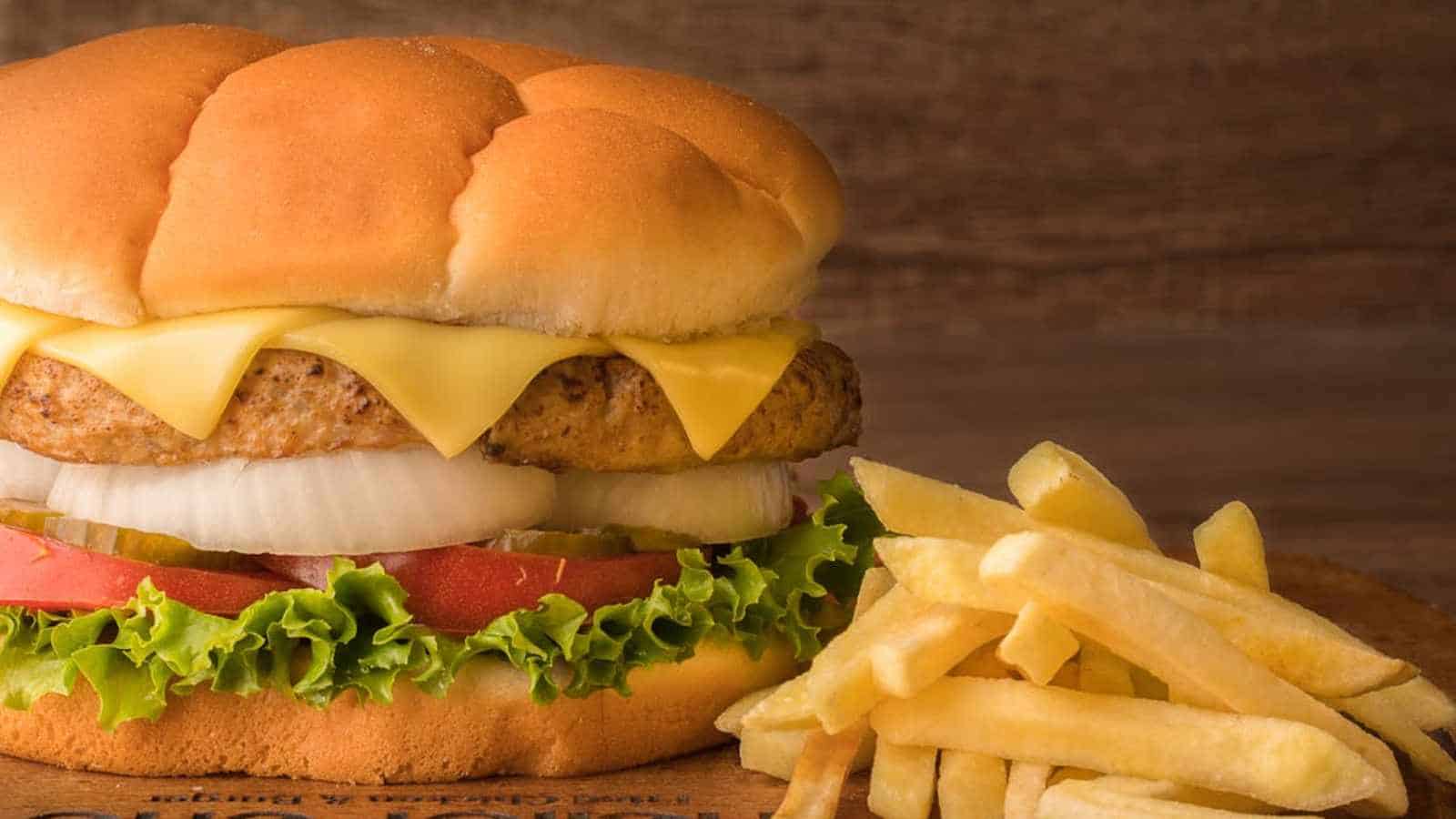
U.S. News reports that trying to build your own fast-food-style chicken sandwich at home is usually not cheaper if you just want one or two servings.
To match a $2 to $4 budget sandwich, you need to buy a full pack of chicken breasts, buns, oil, seasoning, and sauces, which can easily push the per-sandwich cost well above a basic drive-through option unless you are cooking for several people and using every ingredient.
Individual Breakfast Sandwiches And Value Menu Breakfasts

Budget breakfast sandwiches and combos are another category where eating out can rival or beat cooking for one. A UD-Machine article notes that fast food chains can price breakfast items very low because eggs, cheese, and bread are cheap in bulk, and labor is streamlined, so a full sandwich and coffee can stay under $5.
At home, you are buying full cartons of eggs, packs of bacon or sausage, and a whole loaf or bagels, and your per sandwich cost will only drop if you consistently eat and rotate those ingredients before they spoil.
Single Slice Or Dollar Slice Pizza

Per serving, a single cheap slice from a pizzeria can be a better buy than making an entire pizza if you only want one meal. A pizza cost analysis for restaurant owners shows that even a simple margherita pie can cost $6 to $7 in ingredients alone before labor and overhead, and that restaurants rely on volume to cover those costs.
Home cooks face the opposite problem: you must buy full bags of flour, yeast, cheese, and sauce, so unless you bake several pies, your per-slice cost can easily exceed the few-dollar slices from a local shop.
Deep-Fried Foods When You Do Not Own A Fryer
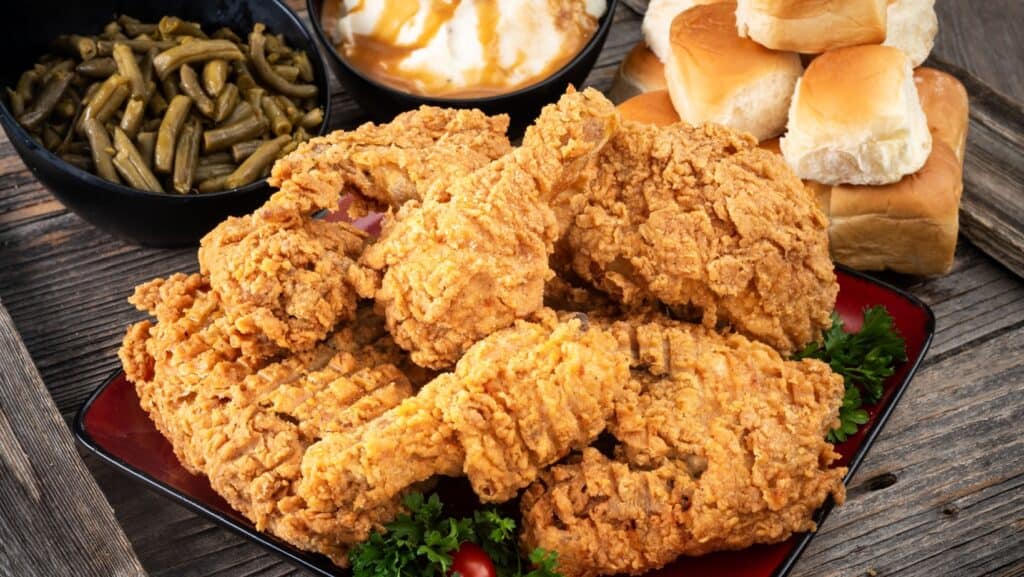
Think fried chicken, onion rings, tempura, and fries. To replicate restaurant-quality frying at home, you need large quantities of oil, a heavy pot or fryer, and enough food to justify heating the oil and then discarding or filtering it. When you only want a single portion, buying a small fried basket at a fast-food place or diner is often cheaper than buying several liters of oil and ingredients you will not fully use, and you avoid the cleanup and energy costs.
Sushi Rolls And Sashimi For One Or Two People
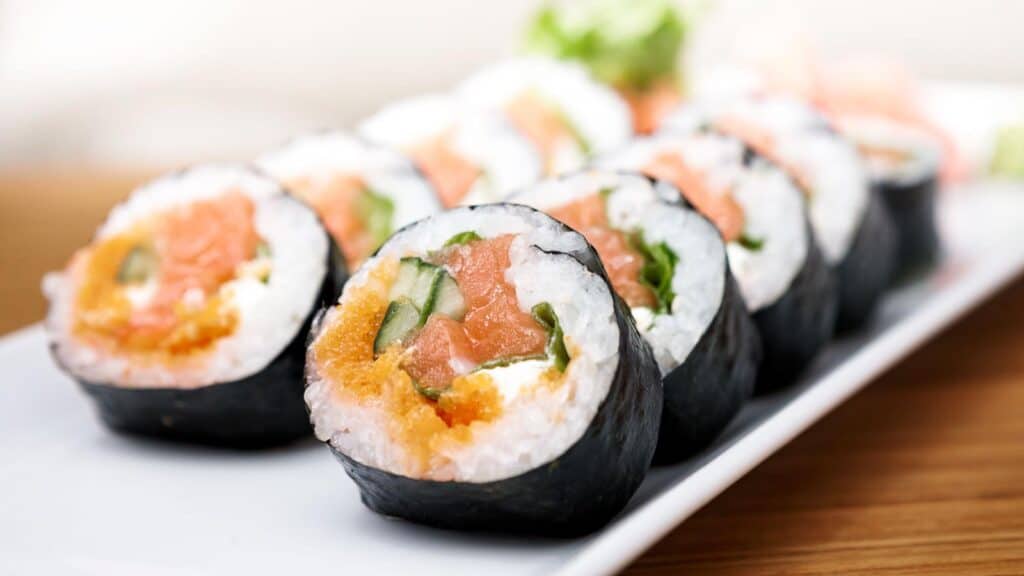
Restaurant sushi has a reputation for being pricey, but making a few rolls at home is rarely cheaper unless you are feeding a crowd. You must buy sushi-grade fish in larger portions, sheets of nori, sushi rice, rice vinegar, and toppings, and you may not use them again until they lose quality. When you just want one or two rolls, a $10 to $15 restaurant order can undercut the per-roll cost of buying and storing all the specialized ingredients yourself, especially if you live alone.
Small Portion Specialty Salads
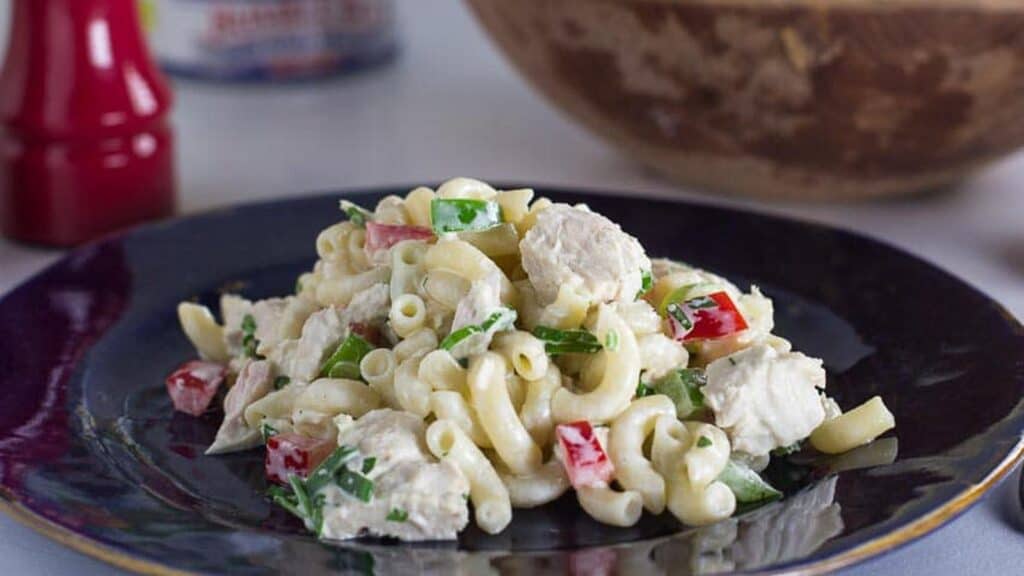
Buying a single, fully loaded salad with multiple vegetables, protein, nuts, cheese, and dressing is another case where restaurants leverage scale and prep to make the math work. According to LiteHouse, salads regularly cost $10 on average, but recreating similar salads from scratch requires buying large quantities of greens, add-ins, and dressings totaling about $40, enough for several home portions. If you are not going to eat salad several days in a row, that up-front spend and potential waste means the occasional restaurant salad can be more cost-effective per serving for small households.
Complex Deli Style Sandwiches

Layered sandwiches with multiple meats, cheeses, and condiments require you to buy several full packs of ingredients. A 12-dollar deli sandwich often uses just a few dollars’ worth of fillings because shops slice from large logs and wheels with minimal waste, but a home cook buying retail-sized packs may pay more overall for items that go bad before they are finished.
For someone who wants a treat sandwich only once in a while, an occasional deli visit can cost less over a month than keeping premium deli meats and cheeses in the fridge.
Rotisserie Chicken For Small Households

Whole raw chickens are cheaper per pound than cooked birds, but a grocery store rotisserie chicken can still be the better deal for small households once time, energy, and waste are factored in. The Hustle Daily notes that stores often sell rotisserie chickens as loss leaders, pricing them very competitively relative to raw poultry to draw shoppers in. If you do not want to heat an oven for an hour and are only feeding one or two people, buying a ready-cooked bird and using leftovers for sandwiches or soup may be cheaper and more efficient than roasting from scratch.
Complicated Ethnic Dishes With Many Spices
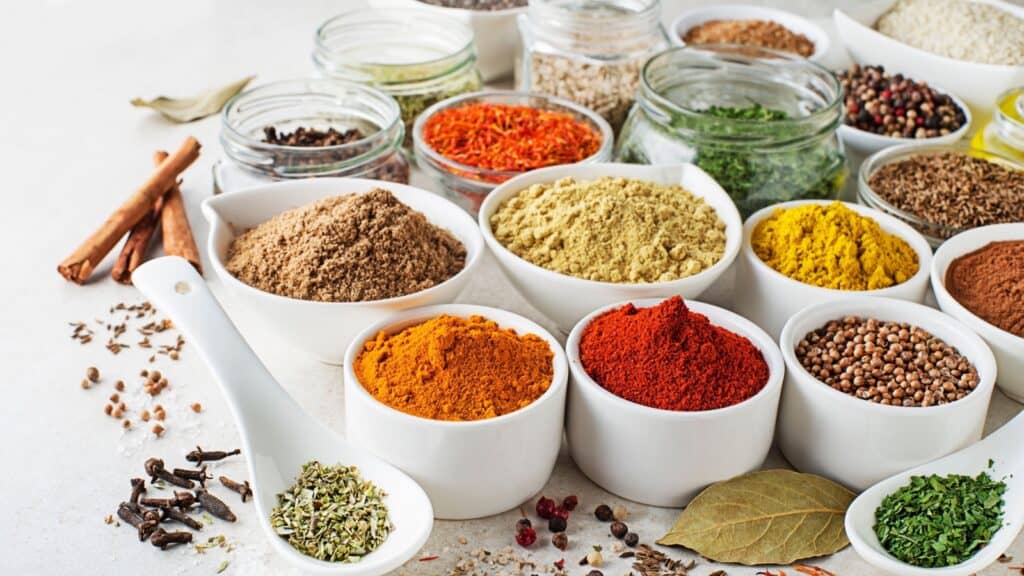
Some restaurant dishes rely on extensive spice blends and specialty condiments, from Thai curries and Indian dals to Ethiopian stews. Flipdish notes that chefs spread the cost of dozens of spices across hundreds of plates, but home cooks must buy whole jars and pastes that may go unused. If you only crave a dish occasionally, paying $12 to $18 for a restaurant portion can be cheaper over a year than spending $40 to $60 on pantry staples for a recipe you rarely repeat.
Smoothies And Juice Bar Drinks: If You Rarely Use Produce

According to Nature’s Path, a single smoothie at a chain can cost $9 to $12, which looks expensive next to raw fruit. But if you buy berries, greens, and specialty add-ins in small quantities and don’t finish them before they spoil, your real cost per homemade smoothie can creep up.
Nutrition coaches note that people who only want a smoothie once in a while often throw out wilted greens and moldy berries, which means the occasional juice bar order could be cheaper than buying ingredients that end up in the trash.
Single Serving Desserts And Pastries
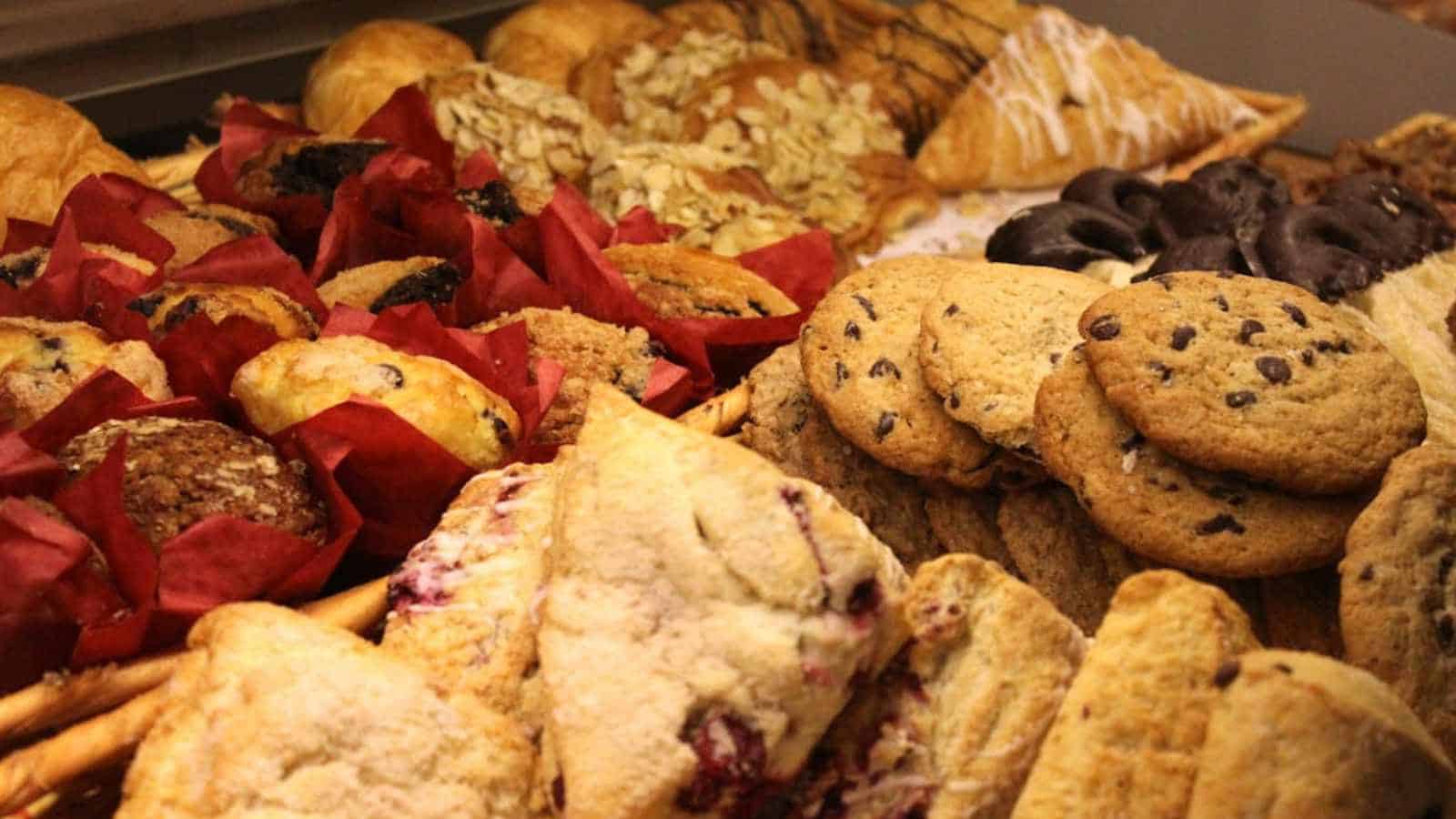
Bakeries produce cakes, tarts, and pastries in quantity, spreading ingredient costs across many customers. At home, baking a cake or a pan of brownies requires buying full bags of flour, sugar, butter, and eggs, plus running the oven, even if you only want a slice or two.
Financial and nutrition analyses suggest that for people who live alone and only crave dessert occasionally, buying a single slice, donut, or pastry out can cost less per treat over time than maintaining a baking pantry and tossing unused ingredients.
Cheap Combo Meals When Groceries Are High
Economic Research Services show that food away from home has been taking a larger share of U.S. food spending as quick-service chains compete aggressively on price, especially with limited-time combo deals.
In periods when grocery prices spike quickly, carefully selected fast-food deals and value menus can match or beat a basic homemade meal on a per-serving basis for some items, particularly for solo diners who cannot buy in bulk.
Lunch Specials in High-Cost Urban Areas

Location changes everything. Analyses of eating out versus eating in, by state and city, find that in some high-cost urban cores, weekday lunch specials can be close to the cost of buying ingredients for a single person.
Workers in downtown business districts sometimes find that a fixed-price lunch at a small restaurant is cheaper than sourcing and storing multiple ingredients for one homemade office meal, especially when they lack kitchen access.
When Eating Out Actually Wins On Cost

Nationally, experts are clear that home cooking still wins most of the time. Top Nutrition Coaching found that the average meal at an inexpensive restaurant costs nearly 285 percent more than a meal cooked at home, $16.28 versus $4.23 on average.
But they also highlight important exceptions: single servings of fast-food-style items, specialty dishes, labor-intensive fried foods, and complex ethnic recipes that require large up-front ingredient purchases can be cheaper per serving when bought ready-made, especially if you are cooking only for one or two people.
Disclosure line: This article was developed with the assistance of AI and was subsequently reviewed, revised, and approved by our editorial team.
Weight Loss Journal Ideas- How To Use Bullet Journaling To Lose Weight

Weight Loss Journal Ideas- How To Use Bullet Journaling To Lose Weight
Your weight loss journal doesn’t have to be anything fancy. You can start by just using a notebook and a pen. But if you want something a little more organized, you can use bullet point templates specifically designed for weight loss journals. Bullet journals are so hot right now!
You can use them to organize everything in your life, not just weight loss. But they’re perfect for weight loss because you can use them to track your progress and keep yourself accountable.
20 Odd American Traditions That Confuse the Rest of the World

20 Odd American Traditions That Confuse the Rest of the World
It’s no surprise that cultures worldwide have their own unique customs and traditions, but some of America’s most beloved habits can seem downright strange to outsiders.
Many American traditions may seem odd or even bizarre to people from other countries. Here are twenty of the strangest American traditions that confuse the rest of the world.