12 Foods to Limit When Managing High Blood Pressure
High blood pressure, or hypertension, is a silent and often underestimated condition that affects millions of people worldwide.
According to the World Health Organization (WHO), nearly 1.13 billion people globally suffer from high blood pressure, making it one of the leading causes of heart disease, stroke, and kidney failure. Unfortunately, many people don’t realize they have it until it has already caused significant damage.
Research has shown that certain foods can play a significant role in controlling blood pressure, while others can contribute to rising levels. Studies from Harvard Health confirm that dietary choices are essential in managing blood pressure levels. Heart-healthy eating patterns like the DASH (Dietary Approaches to Stop Hypertension) diet have been shown to lower blood pressure effectively.
The good news is that small changes in what you eat can make a big difference in your health. By focusing on what you put on your plate, you can help keep your blood pressure in check and reduce the risk of serious health conditions like heart disease and stroke.
Processed Foods
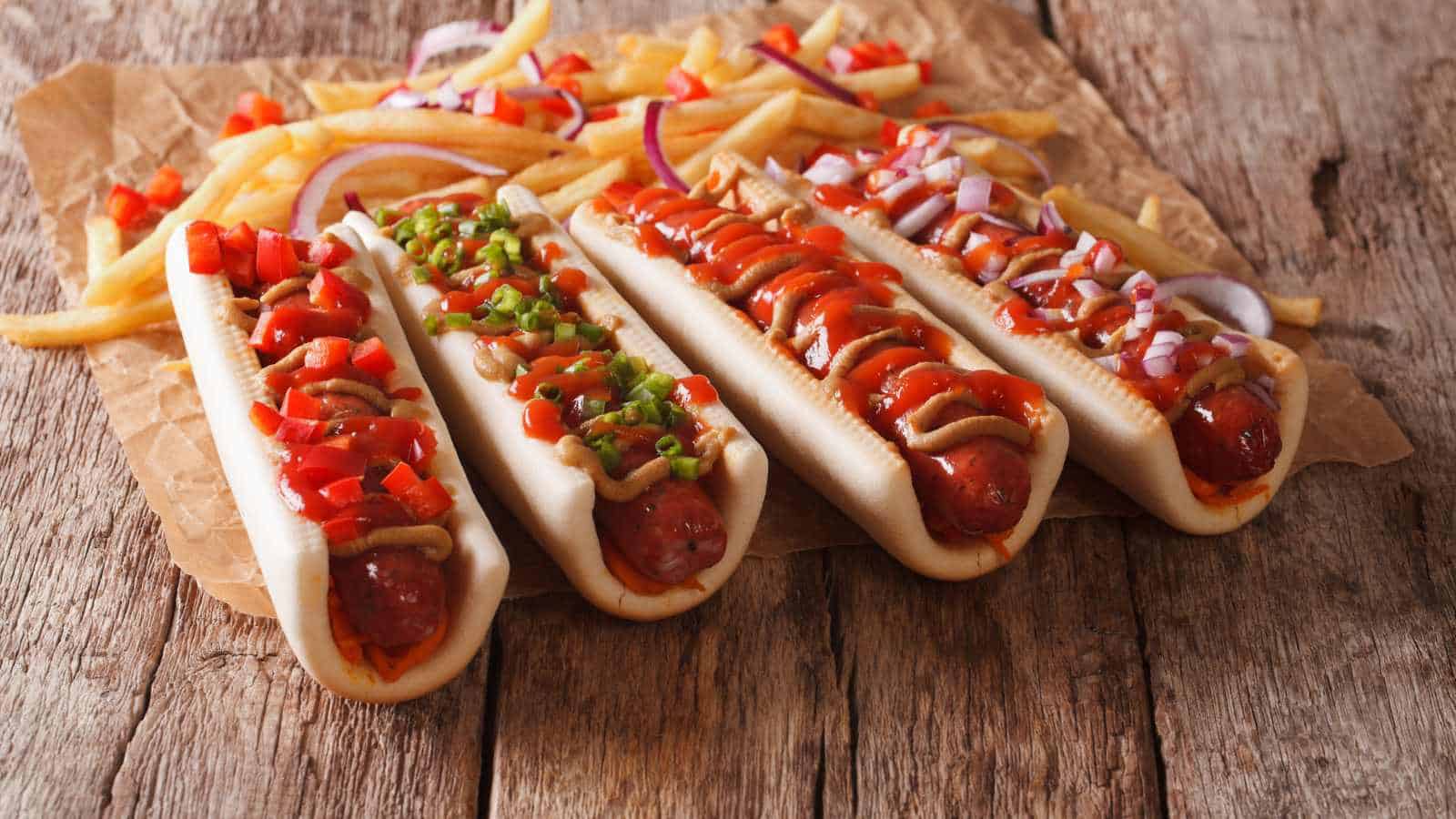
Processed foods are often high in sodium, unhealthy fats, and preservatives, all of which can raise your blood pressure. A 2020 study published in JAMA Internal Medicine found a direct correlation between processed food consumption and increased blood pressure. While these foods may be convenient, they often contain hidden sources of salt and unhealthy fats that can contribute to water retention and higher blood pressure levels.
Rather than relying on these foods, try cooking at home with fresh ingredients. Whole foods, like fruits, vegetables, and lean proteins, will help keep your blood pressure in check and give your body the nutrients it needs to function optimally.
Sodium-Rich Foods

Sodium is one of the primary culprits when it comes to high blood pressure. When you consume too much sodium, your body retains more water, which increases the volume of blood and raises blood pressure. The American Heart Association recommends a limit of sodium intake to 1,500 mg per day, yet the average American consumes nearly 3,300 mg daily.
Foods that are packed with sodium include canned soups, packaged snacks, and processed meats. To manage your sodium intake, opt for fresh foods and read nutrition labels carefully. Look for low-sodium versions of your favorite products, and experiment with using herbs and spices to add flavor to your meals instead of salt.
Also on MSN: 12 Once-Loved Foods People Won’t Eat Anymore
Red Meat
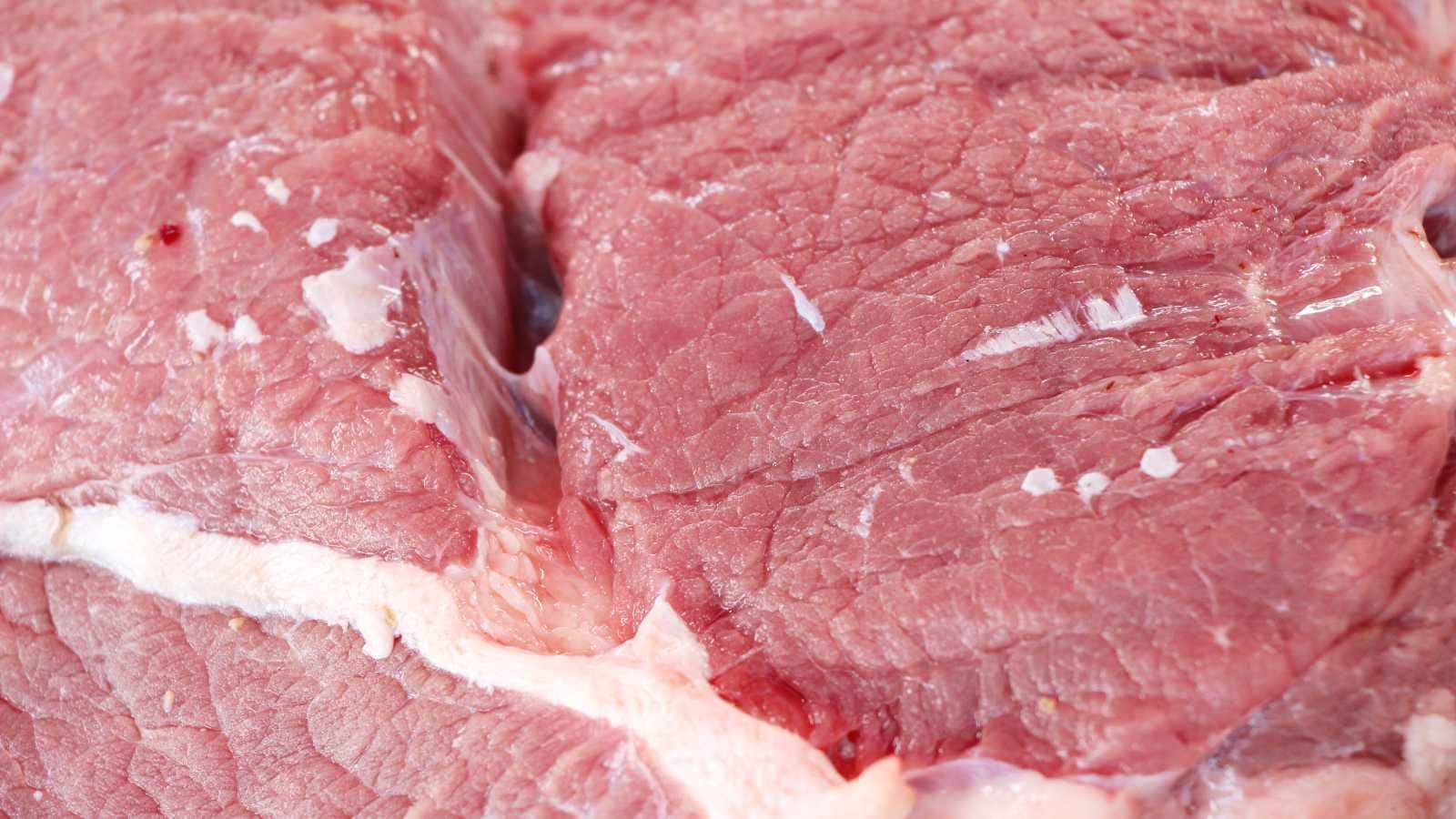
Red meat, particularly in its processed forms, can increase your blood pressure over time due to its high content of saturated fats and cholesterol. Diets rich in red meat are associated with a higher risk of hypertension and cardiovascular disease. While red meat can be a good source of protein and iron, it’s also high in unhealthy fats that can contribute to the buildup of plaque in your arteries, making it harder for blood to flow.
Consider reducing your red meat consumption and opting for leaner protein sources, such as chicken, turkey, or plant-based options like beans, lentils, and tofu. These alternatives are lower in saturated fat and can help support your heart health.
Sugary Beverages

Sugary drinks, such as soda, sweetened fruit juices, and energy drinks, can increase your risk of high blood pressure, especially if you’re already overweight. A report by PubMed Central states that consumption of high-sugar sweetened Beverages increases systolic blood pressure (SBP) and hypertension in children and adolescents.
These drinks are not only high in sugar, which can contribute to weight gain, but they also add unnecessary calories to your diet, further increasing your risk of developing hypertension.
Instead of sugary drinks, choose water, herbal teas, or homemade iced tea with minimal added sugar. These alternatives will help keep you hydrated without spiking your blood sugar or putting your blood pressure at risk.
Caffeine

For many people, a cup of coffee or tea is an essential part of the day. However, consuming too much caffeine can cause a temporary increase in blood pressure. While moderate caffeine intake may not affect everyone, it’s important to be mindful of how much you’re consuming and how your body responds.
If you’re concerned about your blood pressure, you might want to consider cutting back on caffeine or switching to decaffeinated options. Herbal teas, like chamomile or peppermint, are great caffeine-free alternatives that can help you relax without raising your blood pressure.
Alcohol
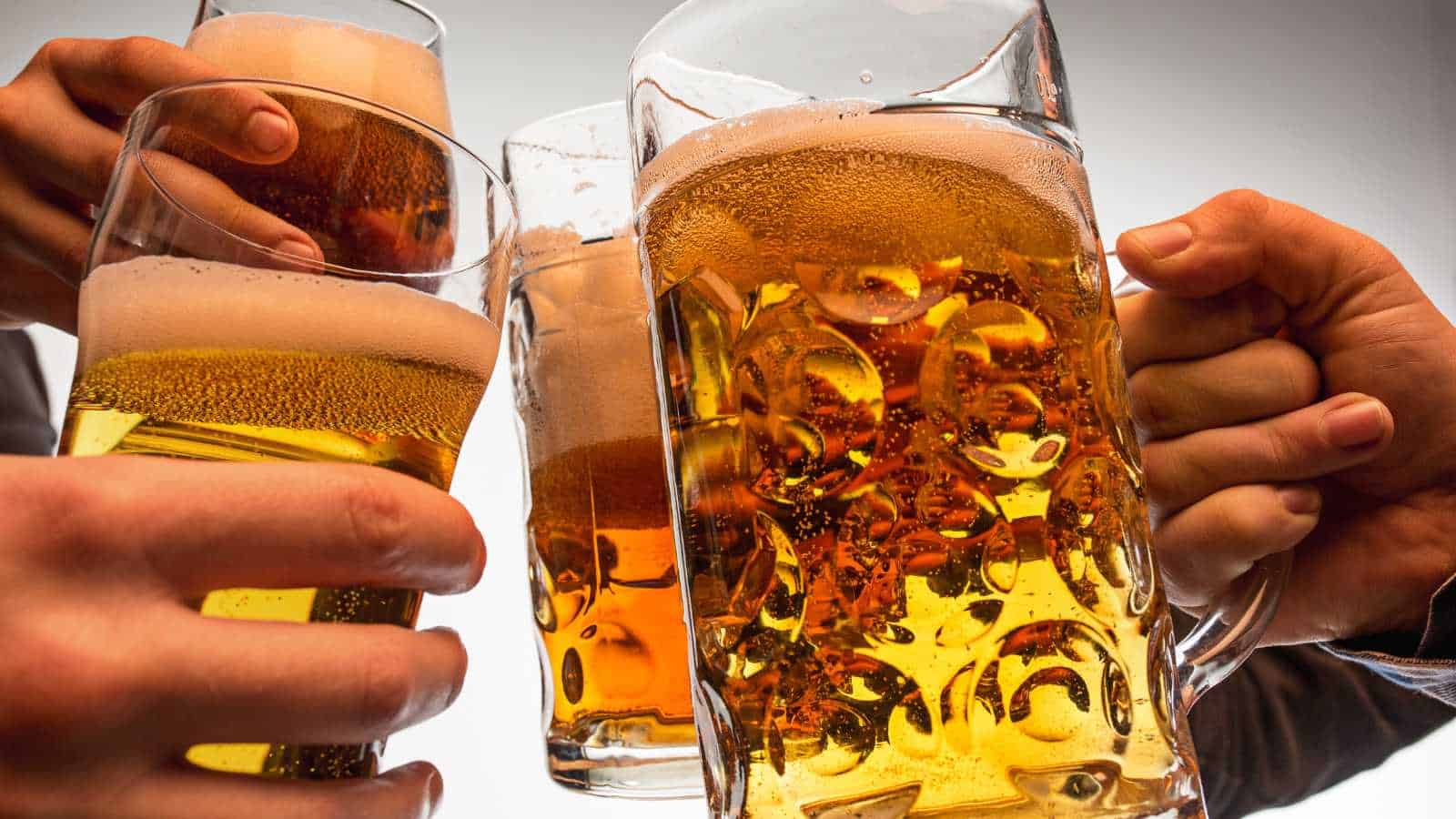
While moderate alcohol consumption is generally safe for most people, excessive alcohol intake can significantly raise blood pressure. The American Heart Association recommends limiting alcohol consumption, as too much alcohol can raise your blood pressure. Drinking more than this can contribute to weight gain, damage the heart, and increase the risk of hypertension.
If you want to manage your blood pressure, it’s best to reduce or avoid alcohol altogether. Choose alcohol-free days during the week, or opt for lighter options like wine spritzers if you do choose to drink.
Fried Foods
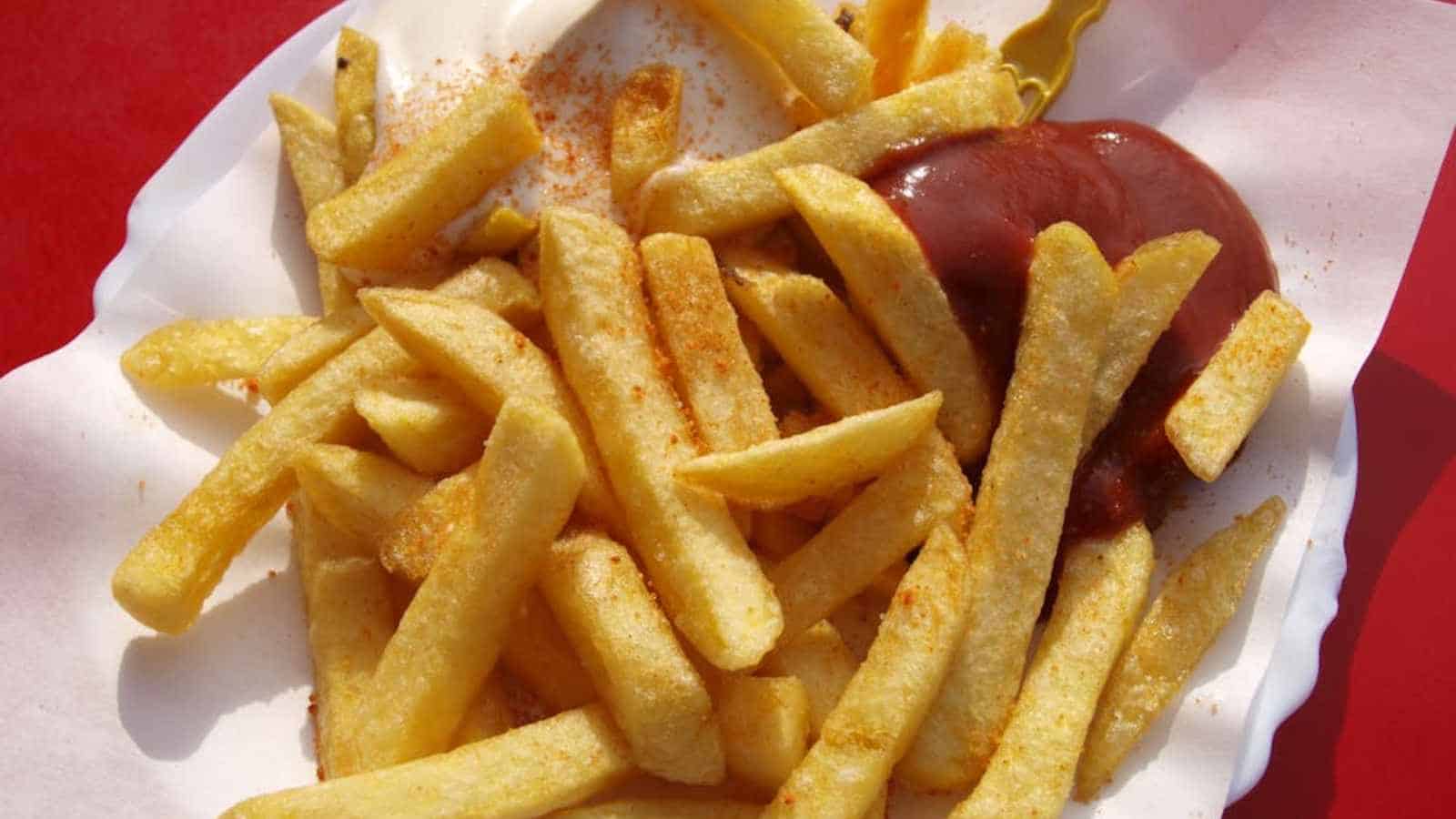
Fried foods, such as French fries, fried chicken, and fried snacks, are often packed with unhealthy fats and excess calories. These foods, particularly those containing trans fats, can raise your risk of developing high blood pressure and other heart-related issues. Trans fats contribute to plaque buildup in your arteries, which restricts blood flow and increases blood pressure over time.
To make healthier choices, consider baking, grilling, or steaming your food instead of frying. These cooking methods help reduce unhealthy fats while still allowing you to enjoy tasty, satisfying meals.
Full-Fat Dairy Products

Full-fat dairy products, such as whole milk, cheese, and butter, are high in saturated fats, which can raise cholesterol levels and contribute to increased blood pressure. Consuming too much saturated fat over time can also increase your risk of heart disease.
To help manage your blood pressure, consider switching to low-fat or fat-free dairy products. Alternatively, plant-based options like almond milk or oat milk offer a dairy-free, lower-fat choice that can still provide the nutrients you need without the added saturated fat.
Baked Goods and Pastries
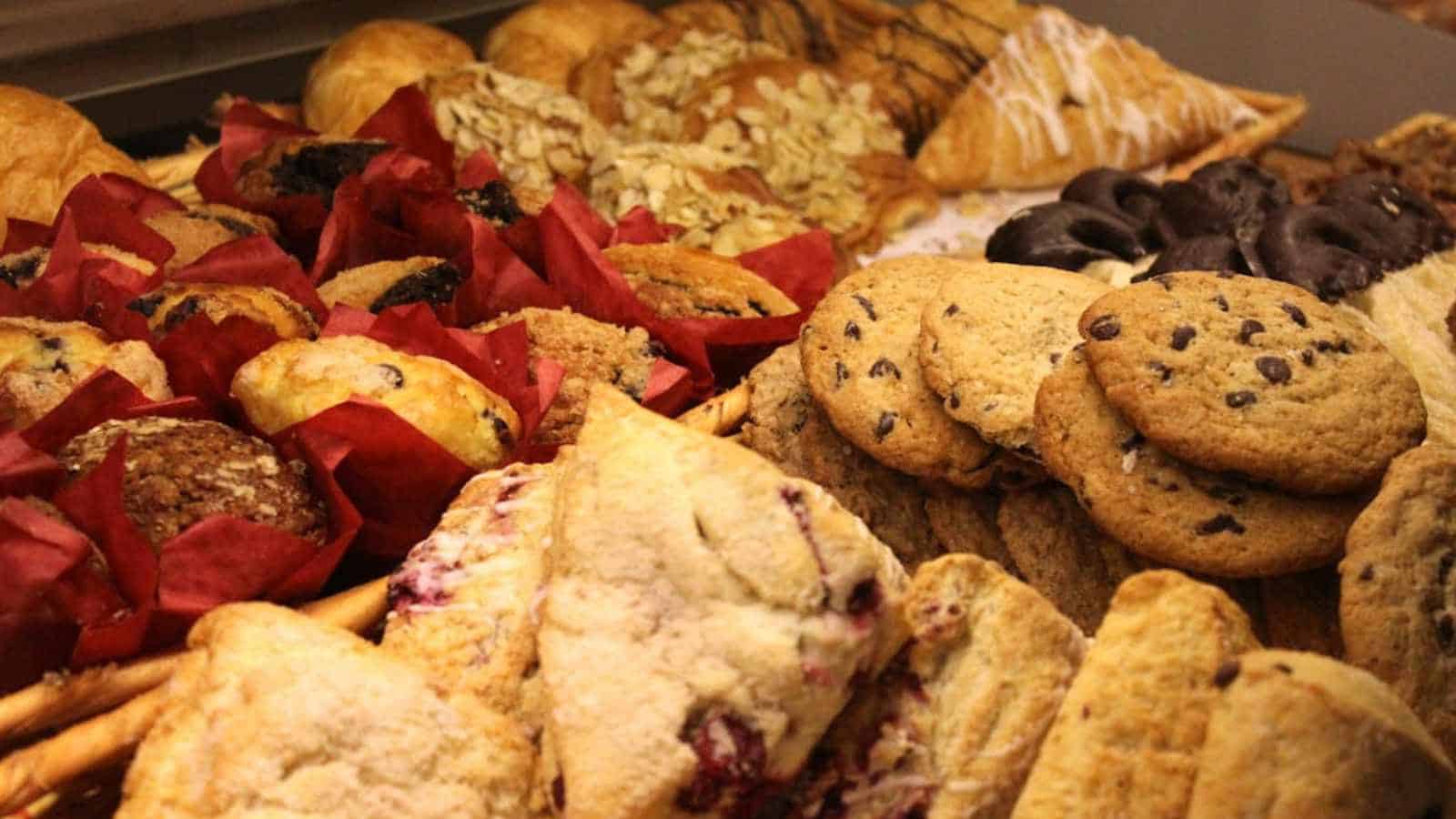
Baked goods and pastries, such as cakes, muffins, and doughnuts, are often made with refined sugars and flours, which can contribute to weight gain and higher blood sugar levels. Diets rich in refined carbohydrates and sugars have been linked to elevated blood pressure, as they can cause spikes in blood sugar and negatively affect overall heart health.
Instead of indulging in processed pastries, try baking your own treats using whole grains and less sugar. You can also opt for healthier snacks like fresh fruit or nuts, which can satisfy your cravings while helping to maintain stable blood pressure levels.
Pickled and Canned Foods
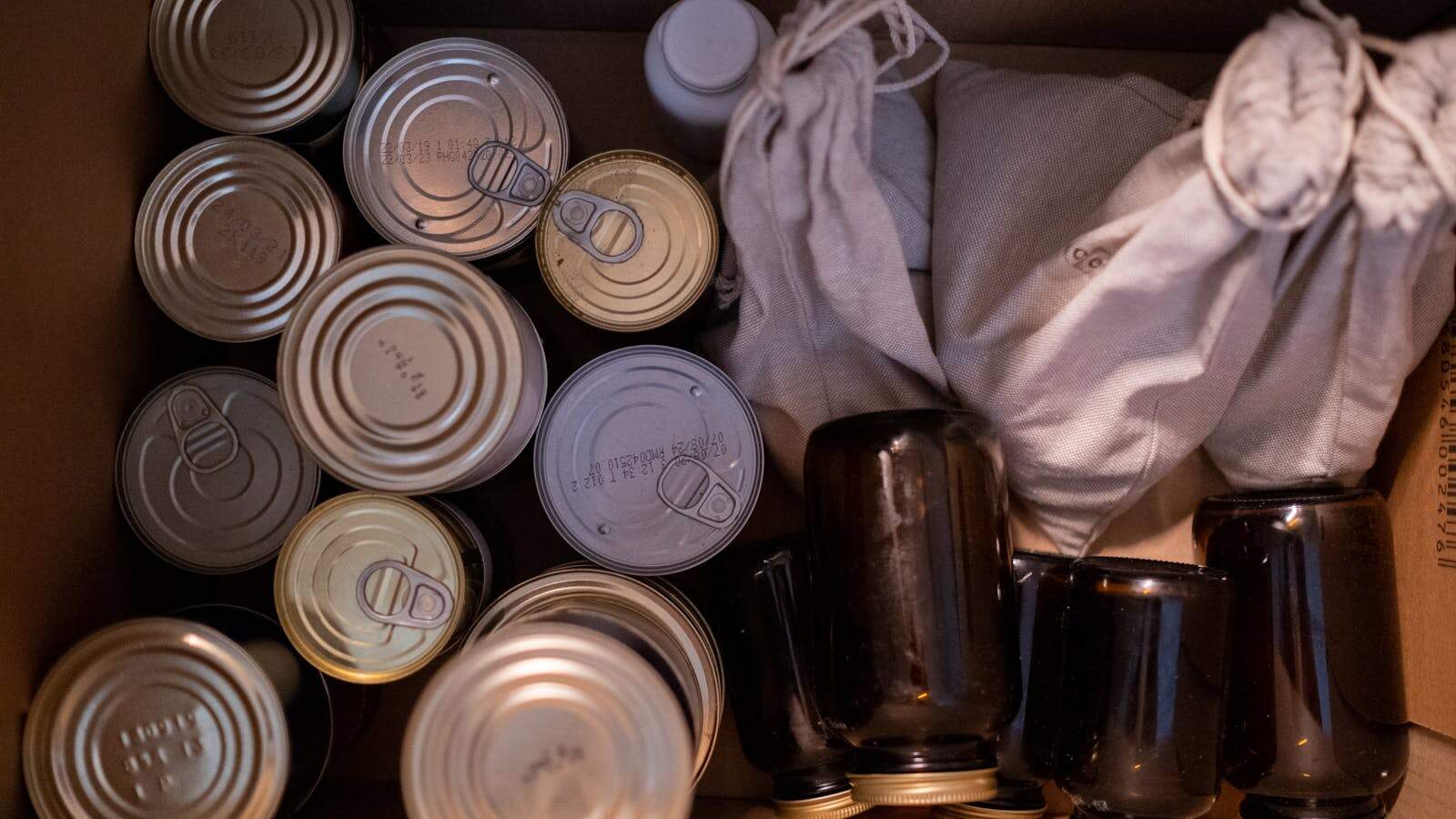
Pickled and canned foods are often packed with sodium, which can cause fluid retention and elevate your blood pressure. The National Institutes of Health (NIH) recommends limiting high-sodium intake to no more than 2400 mg per day. Pickles, olives, and canned vegetables are prime examples of foods that can contain excessive amounts of salt due to the preservation process.
If you love pickled foods, consider making your own at home with minimal salt. Alternatively, look for low-sodium versions of pickled and canned foods, or opt for fresh vegetables whenever possible.
Instant Noodles and Ramen

Instant noodles and ramen, while quick and convenient, are often packed with sodium, unhealthy fats, and preservatives. These products typically contain high levels of sodium, which can contribute to elevated blood pressure over time. Regular consumption of instant noodles has been linked to an increased risk of hypertension, especially among women.
To cut back on sodium, consider making your own noodle soups at home using whole-grain noodles, fresh vegetables, and low-sodium broths. This way, you can enjoy a flavorful, satisfying meal while keeping your sodium intake in check.
High-Sodium Sauces and Condiments

Many sauces and condiments are packed with sodium, which can quickly accumulate and negatively affect your blood pressure. Even sauces that seem harmless, like salad dressings, can be surprisingly high in sodium, especially if you’re using store-bought versions. It’s essential to choose alternatives that are lower in sodium or make your own at home.
To keep your sodium intake in check, try making your own sauces and dressings at home using fresh ingredients. This allows you to control the amount of salt you add, and will enable you to create healthier, more flavorful alternatives to store-bought options.
Key Takeaways
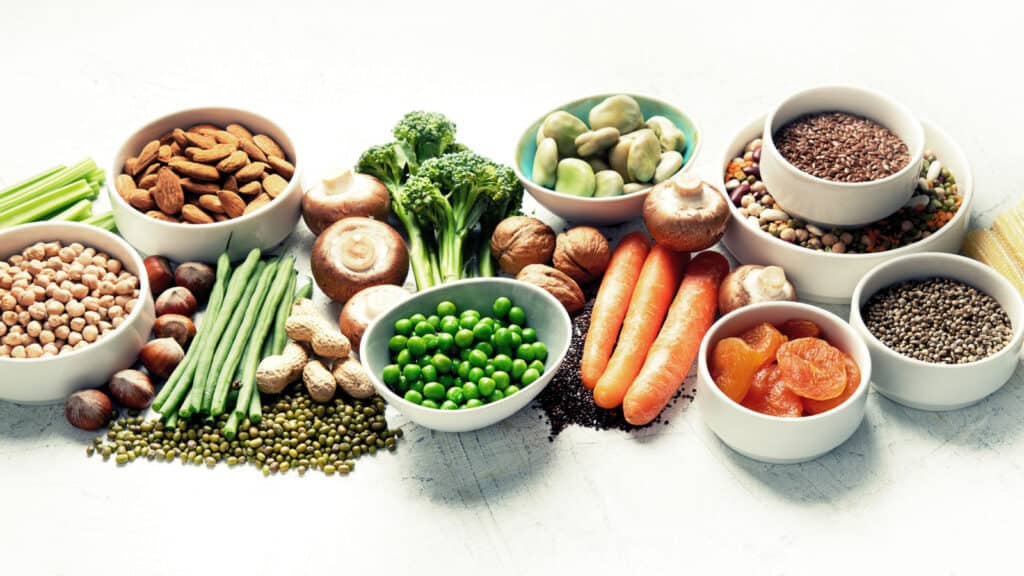
Managing high blood pressure is largely influenced by the foods you eat, and making informed dietary choices can significantly impact your heart health. Limiting processed foods, high-sodium products, and unhealthy fats can help keep your blood pressure in check. For instance, reducing your intake of fried foods, sugary beverages, and red meats, while focusing on fresh, whole foods, will help your body maintain healthy blood pressure levels.
Additionally, being mindful of your sodium intake, especially from sources such as sauces, canned foods, and condiments, is crucial for avoiding spikes in blood pressure. By making small yet consistent changes, such as switching to low-fat dairy, incorporating more fruits and vegetables, and preparing meals at home, you can improve your overall health. Opting for cooking methods like grilling, baking, or steaming instead of frying will help reduce unhealthy fats.
It’s important to remember that lifestyle adjustments take time, but every step you take toward healthier eating habits can contribute to better long-term health outcomes and reduce hypertension-related risks.
Disclosure line: This article was developed with the assistance of AI and was subsequently reviewed, revised, and approved by our editorial team.
20 Odd American Traditions That Confuse the Rest of the World
20 Odd American Traditions That Confuse the Rest of the World
It’s no surprise that cultures worldwide have their own unique customs and traditions, but some of America’s most beloved habits can seem downright strange to outsiders.
Many American traditions may seem odd or even bizarre to people from other countries. Here are twenty of the strangest American traditions that confuse the rest of the world.
20 of the Worst American Tourist Attractions, Ranked in Order

20 of the Worst American Tourist Attractions, Ranked in Order
If you’ve found yourself here, it’s likely because you’re on a noble quest for the worst of the worst—the crème de la crème of the most underwhelming and downright disappointing tourist traps America offers. Maybe you’re looking to avoid common pitfalls, or perhaps just a connoisseur of the hilariously bad.
Whatever the reason, here is a list that’s sure to entertain, if not educate. Hold onto the hats and explore the ranking, in sequential order, of the 20 worst American tourist attractions.