12 global examples of countries prioritizing sustainability over resource extraction
Fossil fuel revenues built nations. They also broke them. The 20th century ran on extraction: coal seams were gutted in Wales, oil fields were bled in Venezuela, old-growth forests were liquidated across Southeast Asia, and the countries that moved fastest to monetize their natural assets became the wealthiest.
That script is now being rewritten, and the rewrites are coming from places you might not expect: a Nordic archipelago that generates power from tides, an Andean country that enshrined nature’s rights in its constitution, and an East African state that generates 90% of its electricity from geothermal heat beneath its feet, as reported by the International Renewable Energy Agency.
The shift is structurally driven by falling renewable energy costs, rising climate liability, shifting investor mandates, and the stubborn mathematics of finite resources.
Costa Rica
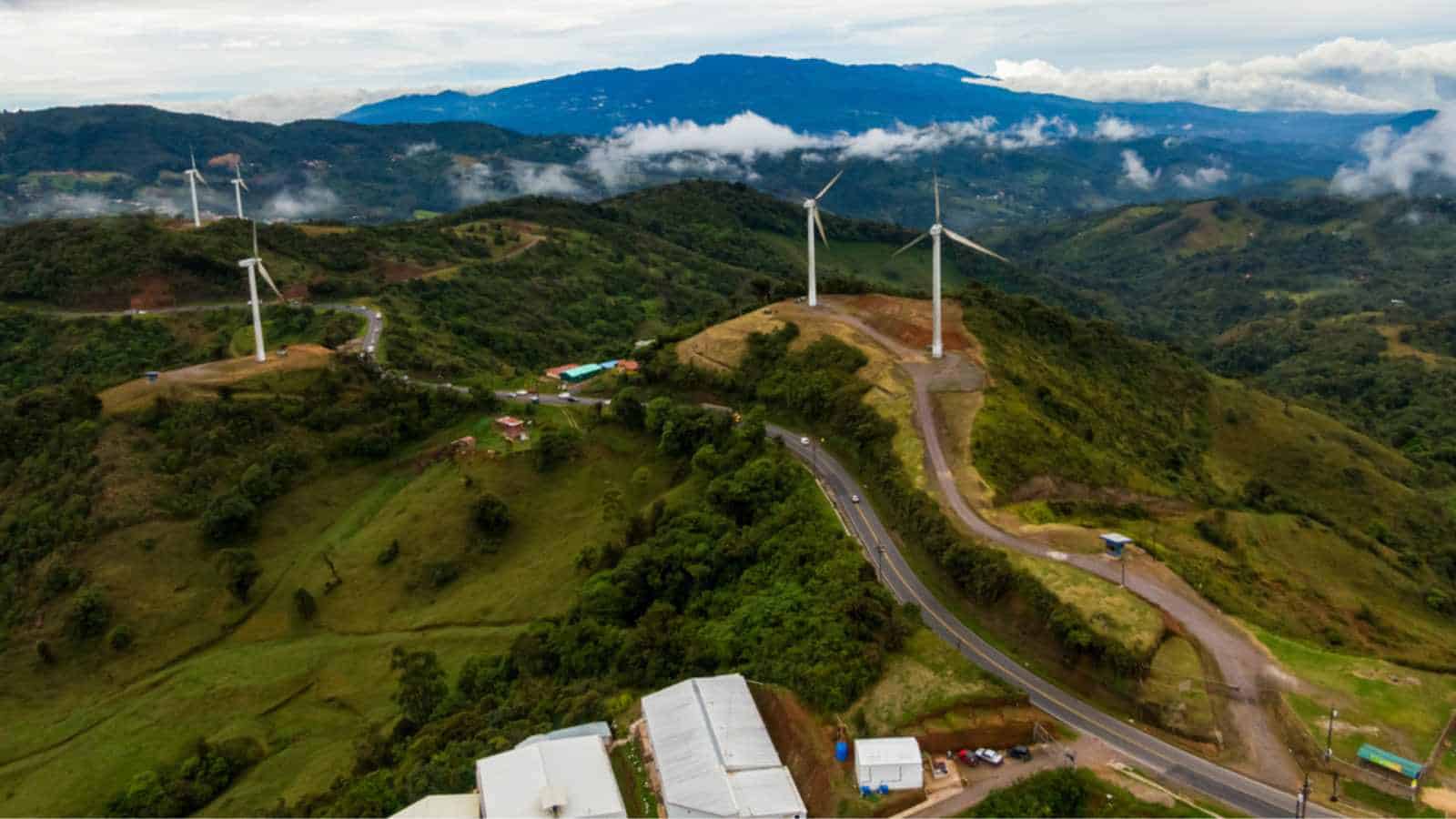
99.8 percent. That is the share of Costa Rica’s electricity generated from renewable sources in 2023, and it was maintained for over 300 consecutive days, running entirely on hydropower, geothermal, wind, and solar. A country of 5 million people with no oil reserves deliberately decided in 1948 to abolish its military and redirect defense spending toward education and environmental infrastructure: a move that now reads as one of the most consequential fiscal pivots of the 20th century.
Forest area and renewable energy percentage are not vanity metrics. Costa Rica’s nature tourism generates over $4 billion annually, contributing nearly 8% of GDP, more than the country would have earned by liquidating its forests for cattle ranches, which was the trajectory as recently as 1990.
The Payments for Environmental Services program, launched in 1997, is where policy became architecture: landowners receive direct government cash payments for keeping their land forested, reversing the perverse incentive structure where felling trees was more profitable than leaving them standing.
Biologist Daniel Janzen, who spent decades reforesting Guanacaste, described Costa Rica’s approach as the most sophisticated land use experiment in the tropics. The country targets carbon neutrality by 2050, but it already runs on clean electricity: the next frontier is decarbonizing its transport sector, which accounts for 70% of emissions.
Iceland
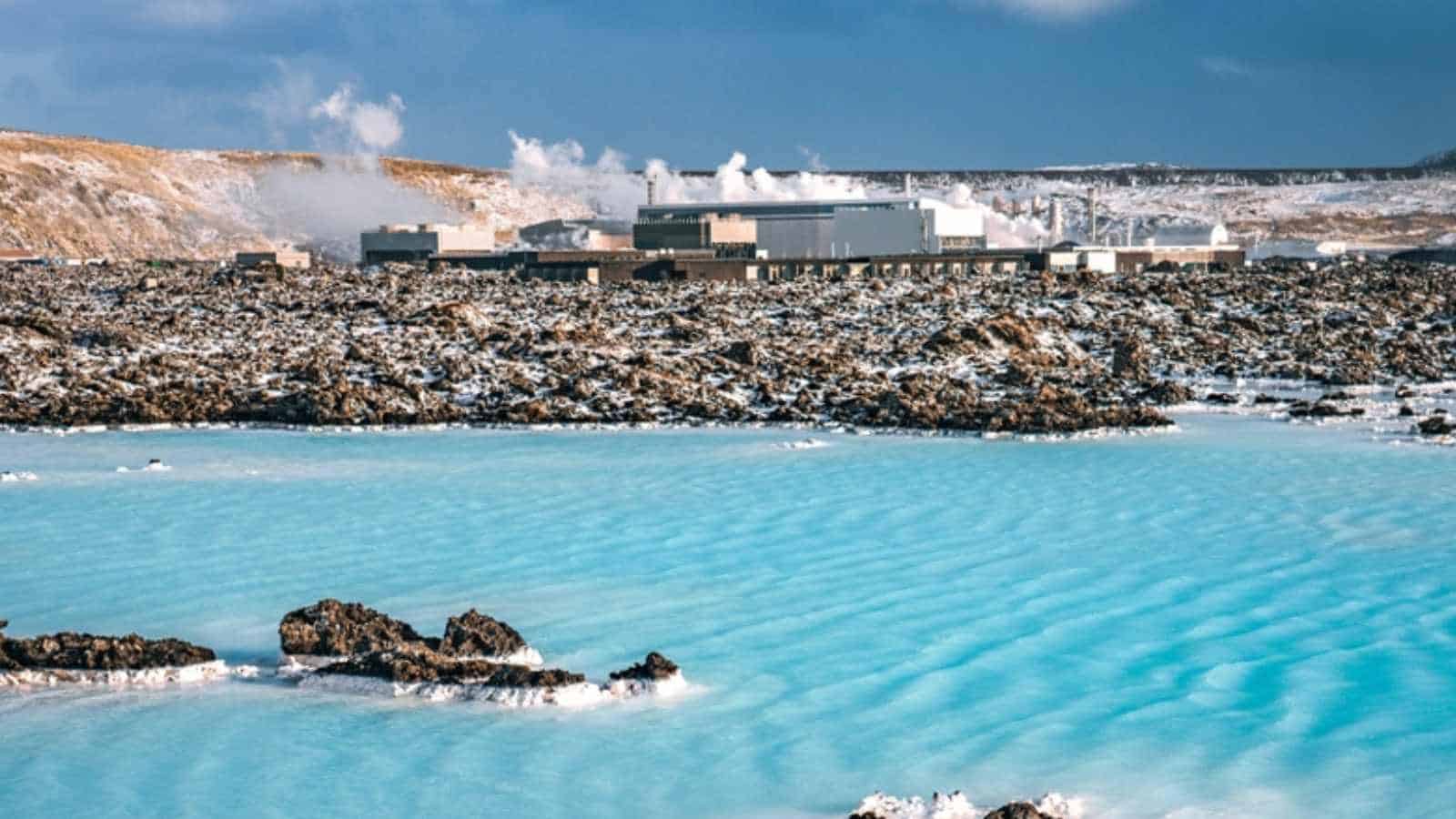
Iceland heats 90% of its homes with geothermal energy drawn directly from the volcanic systems beneath the island, and as a result, pays some of the lowest energy prices in Europe. The country sits atop the Mid-Atlantic Ridge, a geological accident that costs it nothing and earns it everything: geothermal provides 66% of total primary energy use, a figure unmatched by any other country on Earth. Electricity from renewables covers essentially 100% of the grid: 70% hydro, 30% geothermal, and has done so since the 1970s, meaning Iceland’s clean energy transition predates the modern climate movement by three decades.
Where Iceland’s story gets genuinely instructive is in how it handled its fishing industry, which for much of the 20th century functioned as the backbone of the national economy: marine products still account for roughly 40% of goods export revenue today, a share that was considerably higher during the mid-century herring boom before the stock collapsed in 1968. The country introduced Individual Transferable Quotas in 1984, allowing fishing rights to be bought and sold: a system that economists praised for efficiency but that devastated rural fishing communities, which lacked the capital to purchase quotas.
The country is now investing in carbon capture technology, including Climeworks’ Orca plant, which opened in 2021 as the world’s first large-scale direct air capture facility, with a nameplate capacity of 4,000 tonnes of CO₂ annually, since surpassed by Climeworks’ own Mammoth plant, roughly ten times its size.
Bhutan
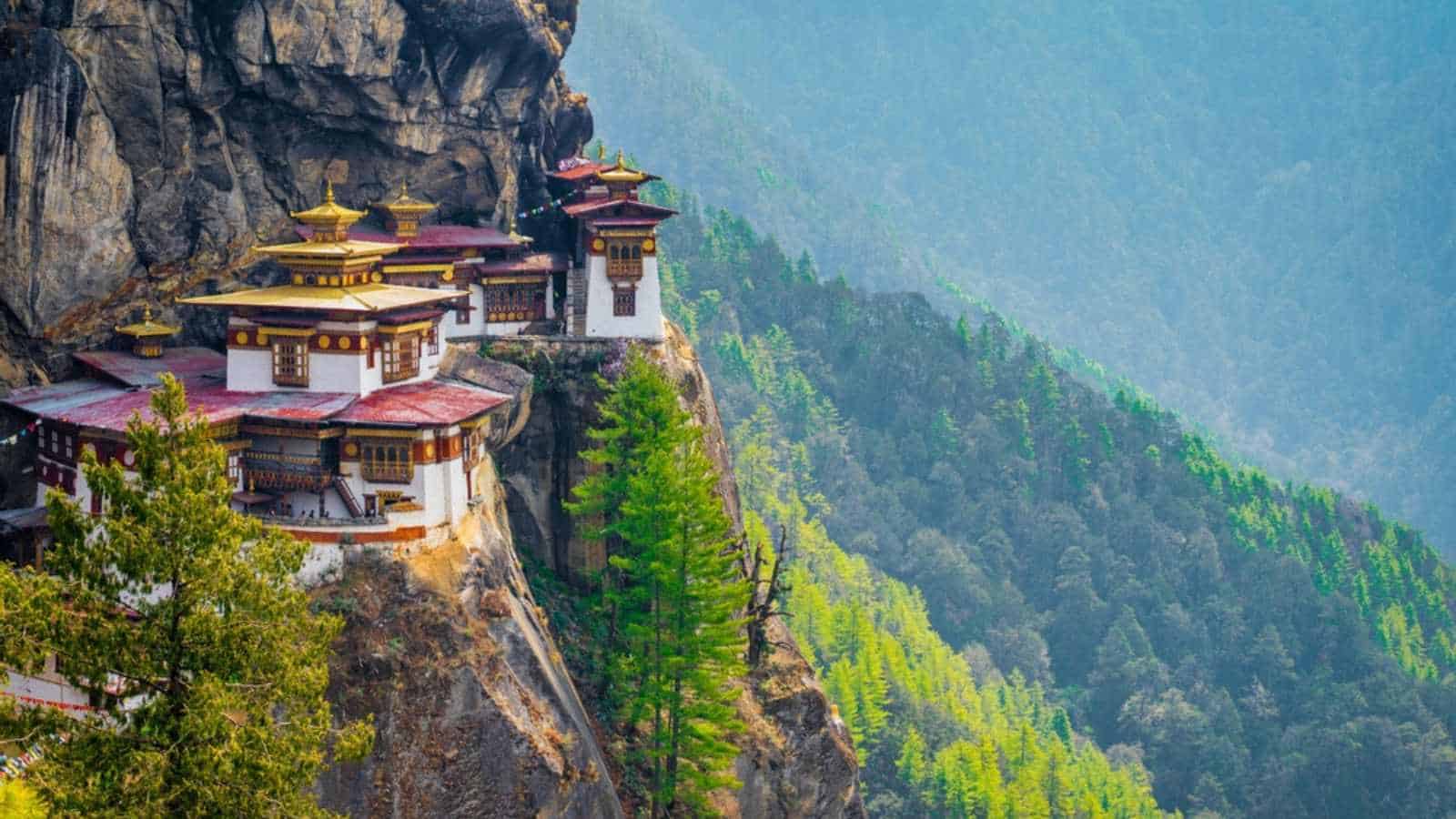
Bhutan’s constitution mandates that at least 60% of its land remain under forest cover in perpetuity. Not as a goal. As law. The country currently sits at 72%, making it one of the most forested nations on Earth relative to land area. Bhutan is also carbon negative; it absorbs more CO₂ than it emits, sequestering an estimated 9.4 million tonnes annually while emitting around 3.8 million. The surplus absorption of 5.6 million tonnes functions as a carbon credit that the country has not yet monetized, a philosophical position rooted in Gross National Happiness, the framework Bhutan uses instead of GDP to measure national progress.
GNH is not a soft philosophy dressed up in policy language. The index measures nine domains: living standards, health, time use, education, good governance, ecological diversity, psychological wellbeing, cultural resilience, and community vitality. Since 2008, the government has run all major policy decisions through a GNH screening tool before implementation.
The World Bank’s skepticism that GNH lacks quantitative rigor and could mask poor economic outcomes is well-founded: Bhutan’s per capita income remains below $3,500, and over 10% of the population lives below the national poverty line. What the critics understate is that Bhutan’s model was never designed to generate rapid GDP growth; it was designed to be a different kind of experiment entirely. Hydropower export revenues: Bhutan sells clean electricity to India, funds public services, and as India’s demand for clean power grows, Bhutan’s position as a green energy exporter grows with it.
Germany
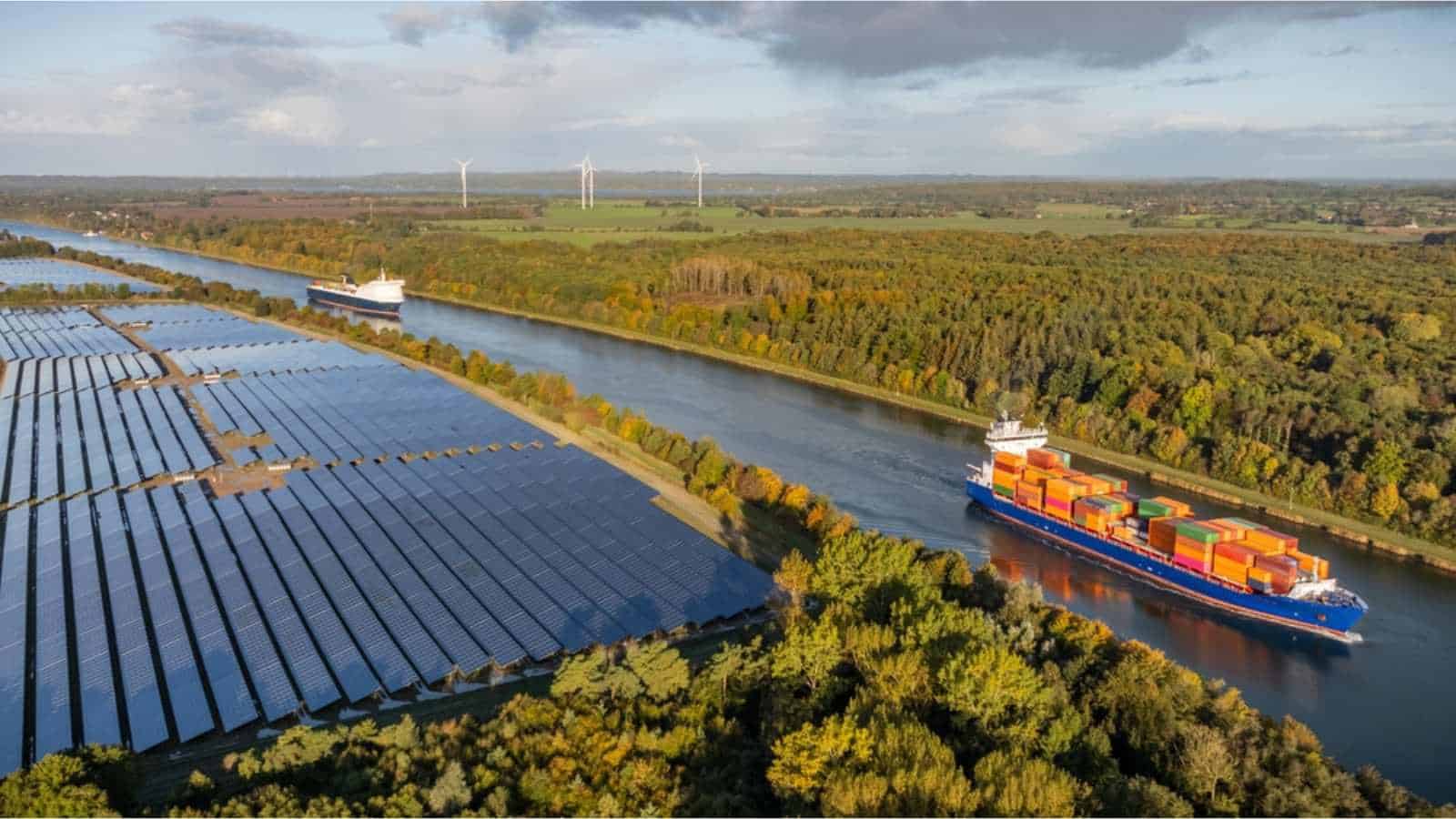
The Energiewende, the energy transition policy launched in 2000, set the template for industrial-nation renewable scale-up: feed-in tariffs guaranteed above-market prices for clean electricity fed into the grid, subsidizing the build-out of an industry that has since become globally cost-competitive without subsidies. Between 2000 and 2023, Germany’s share of renewable electricity generation grew from 6% to 59%, while the country closed all 17 of its nuclear plants and progressively phased out coal, with the last mines scheduled to shut by 2038. The costs were real.
German households pay among the highest electricity prices in Europe, averaging €0.40 per kWh, versus €0.20 in France, partly because the feed-in tariff system locked in decades of above-market payments that consumers now fund through their bills. Dieter Helm argued that Germany could have achieved identical emissions reductions at a fraction of the cost by keeping nuclear plants open and closing coal plants instead, given that nuclear plants have near-zero emissions and were already paid off.
The numbers behind that argument are not trivial: Germany’s coal phaseout, while on track, will still have the country burning lignite into the 2030s, some of the dirtiest coal on the planet, while the nuclear plants that could have replaced it were dismantled. Energiewende achieved its renewable build-out target. Whether it achieved its emissions target as efficiently as possible is a different and harder question.
Kenya
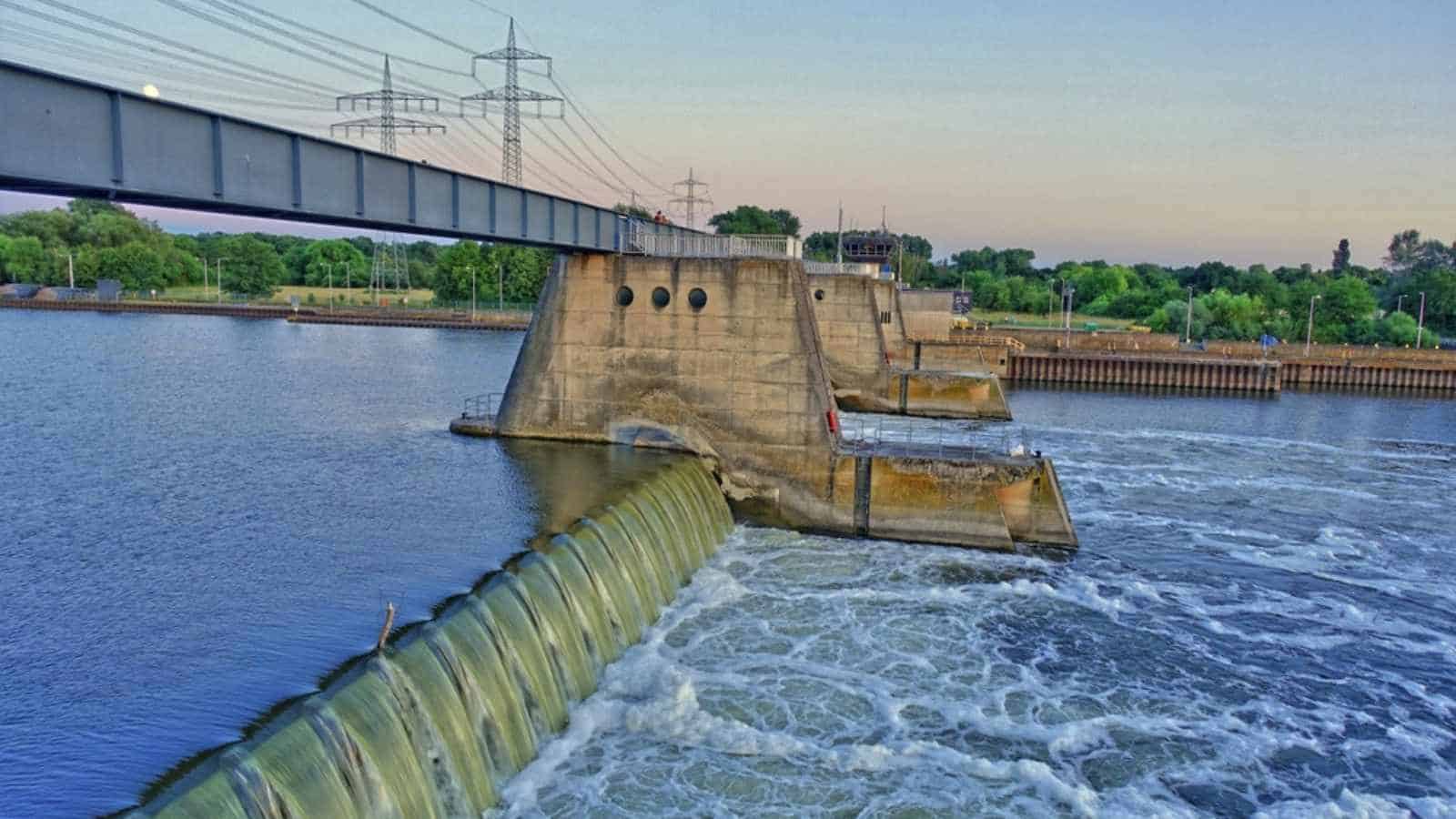
Kenya generates 93% of its electricity from renewable sources: 45% from geothermal, 35% from hydro, and the remainder from wind, solar, and biomass. The Olkaria Geothermal Complex in the Rift Valley is the largest geothermal facility in Africa and among the top ten globally, with installed capacity crossing 950 MW by 2023.
What makes Kenya’s position remarkable is the speed of the build-out: in 2010, the country generated almost no geothermal power; by 2023, geothermal alone supplied nearly half the national grid. KenGen, the state utility, executed this expansion largely through concessional financing from Japan’s JICA and the World Bank, proving that clean energy infrastructure can be debt-financed in developing economies when the resource quality is high enough.
Lake Turkana Wind Power, commissioned in 2019, is the largest single wind energy project in Africa: 365 turbines generating 310 MW on a wind corridor in northern Kenya so consistent that the capacity factor regularly exceeds 55%, compared to the global average of 25–35% for onshore wind.
The Lamu Coal Power project, which would have added 1,050 MW of coal generation, was canceled in 2019 after a Kenyan court ruled that its environmental impact assessment was inadequate, a decision that saved Kenya from locking in fossil infrastructure for 30 years and represents one of the most consequential environmental court rulings in African history.
Denmark
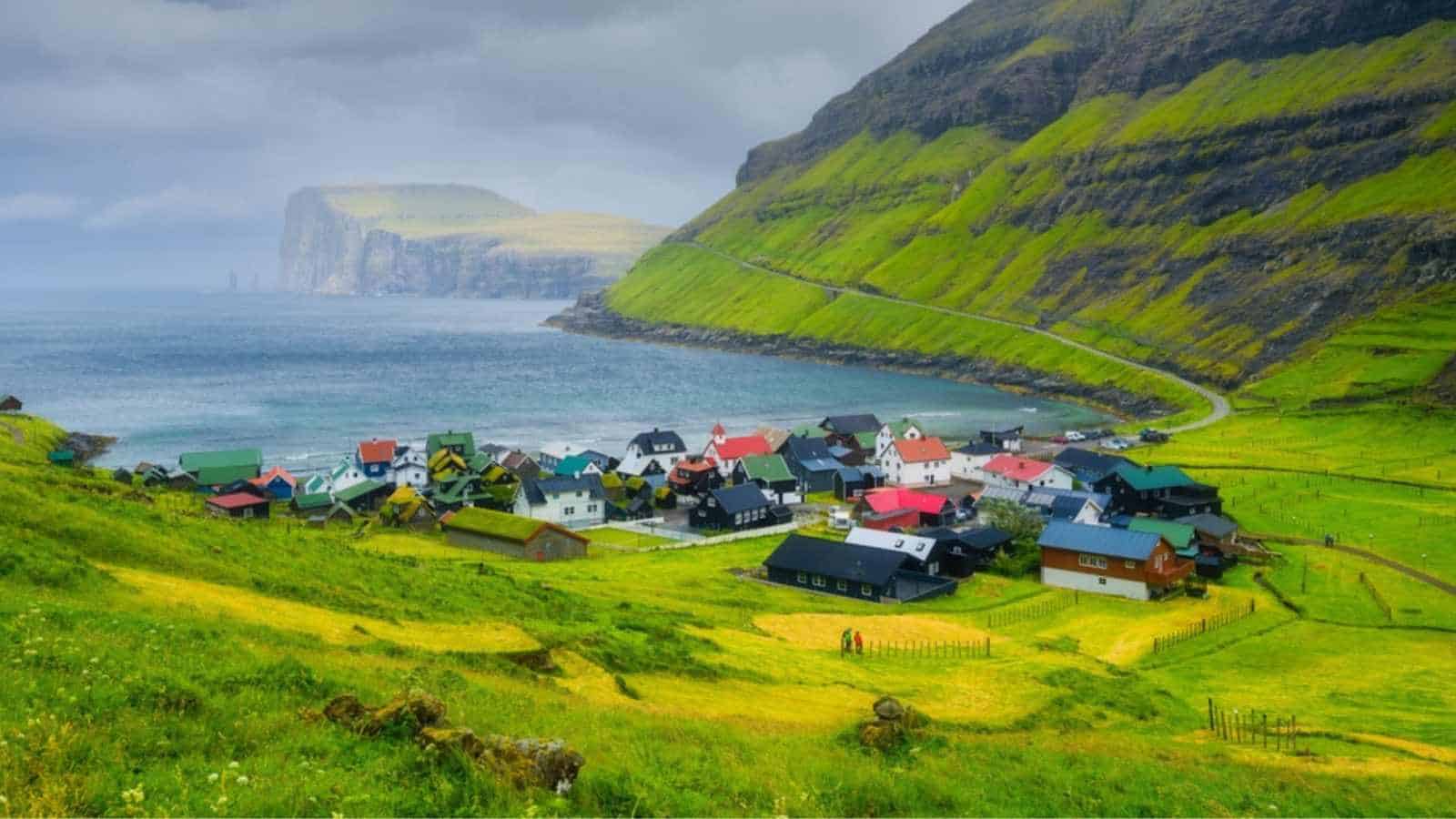
Denmark produced 82.1% of its electricity from wind and solar in 2023, a record that would have been unthinkable when the country installed its first offshore wind farm at Vindeby in 1991 with a capacity of 4.95 MW. Thirty-two years later, Denmark’s offshore wind capacity exceeds 2,600 MW, with projects under development that will push the total past 7,000 MW by 2030.
The country’s energy island plan, an artificial island in the North Sea that will aggregate wind power from 200 turbines and transmit it to Denmark, Germany, and the Netherlands, is the largest construction project in Danish history, budgeted at 210 billion DKK (approximately $30 billion).
Denmark has effectively transformed wind energy from a domestic energy source into an export industry: Vestas, headquartered in Aarhus, is one of the largest wind turbine manufacturers in the world, and the country’s clean technology exports now exceed its revenue from oil and gas production in the North Sea. The district heating network is the less-photographed but equally important piece of Denmark’s sustainability model.
Over 66% of Danish homes are connected to district heating: centralized heat plants, many now running on biomass, waste heat, and heat pumps, that distribute thermal energy through insulated pipes. The network eliminates the inefficiency of millions of individual boilers and allows heat sources to be upgraded centrally without changing residential infrastructure.
Ecuador
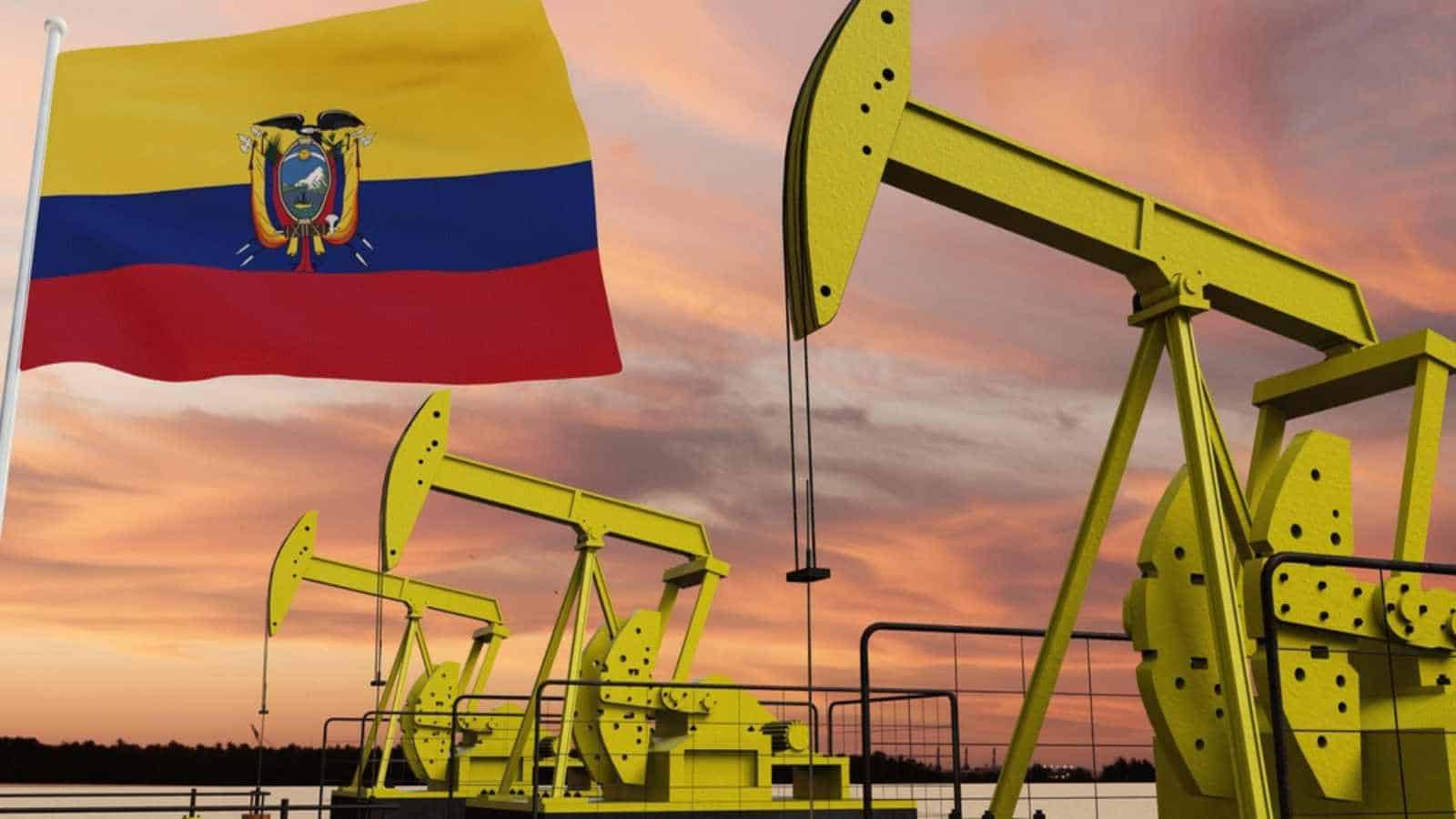
Ecuador enshrined the rights of nature in its constitution in 2008, becoming the first country in the world to do so. Article 71 grants Pachamama, nature itself, the right to exist, be maintained, and regenerate its vital cycles. Courts can be petitioned on nature’s behalf, and the state bears the obligation to enforce those rights.
The provision was not drafted in isolation by environmentalists; it emerged from sustained lobbying by indigenous Kichwa communities, for whom Pachamama is not a metaphor but a cosmology, and whose relationship with the Ecuadorian rainforest predates the republic by thousands of years.
The constitutional rights did not prevent Ecuador from approving oil extraction in the Amazon, including in Block 43 within Yasuní National Park, one of the most biodiverse areas on Earth. The Yasuní-ITT Initiative, proposed under President Correa, asked the international community to pay Ecuador $3.6 billion (half the estimated value of the oil beneath the park) to leave it in the ground.
The global community raised $13 million, roughly 0.36% of the ask, before Ecuador abandoned the initiative in 2013 and approved drilling. The failure of Yasuní-ITT is instructive: a country that institutionalized nature’s legal rights still extracted oil when the international mechanism to compensate it failed to materialize. Rights without finance are aspirational. What changed the equation was a 2023 national referendum in which 59% of Ecuadorians voted to halt drilling in Yasuní permanently, a public mandate overriding economic logic, the first such decision made democratically by a population choosing biodiversity over revenue.
Norway
Norway’s sovereign wealth fund: the Government Pension Fund Global, held $1.6 trillion in assets by 2024, the largest such fund on Earth, built entirely on oil revenues extracted since the 1970s. The country produces 98% of its electricity from hydropower and has one of the world’s highest electric vehicle adoption rates: 82% of all new cars sold in Norway in 2023 were electric, the highest share globally. These two facts sit in productive tension.
Norway is one of Europe’s largest oil and gas exporters, producing approximately 2 million barrels per day: an industry that funds its welfare state, its sovereign wealth fund, and, indirectly, its clean energy leadership.
The fund itself has become a sustainability instrument: it divests from companies that derive more than 30% of revenue from coal, has excluded some companies on ethical grounds, and exercises shareholder pressure on emissions disclosure. The Council on Ethics, an independent body, reviews potential investments against human rights, environmental, and corruption standards. Norway’s posture is essentially: extract hydrocarbons, invest the proceeds in global markets, and use the resulting financial leverage to push sustainability through capital allocation.
Philosopher Jostein Gaarder’s 2015 essay arguing that the oil age was over and Norway bore responsibility for accelerating its end received significant public attention, but the Storting (parliament) has repeatedly reauthorized North Sea extraction. The country’s argument: that Norwegian oil is cleaner than Saudi or Russian oil, and global demand will be met regardless, is technically true and morally convenient.
Morocco
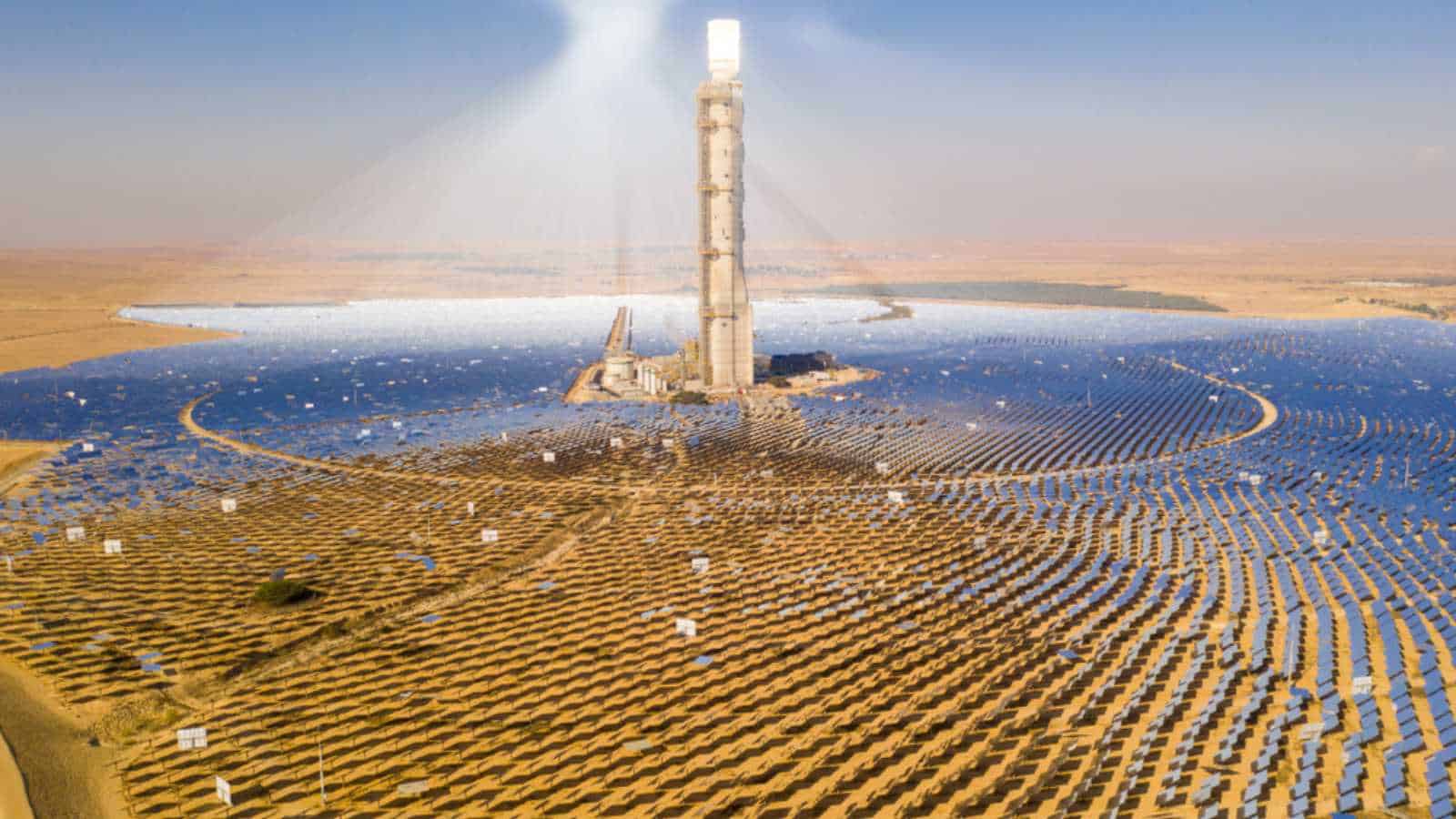
The Noor Ouarzazate Solar Complex, completed in phases between 2016 and 2018, is the world’s largest concentrated solar power (CSP) facility, covering 30 square kilometers of the Saharan desert and generating 580 MW across four phases.
CSP differs from photovoltaic solar in that it uses mirrors to concentrate sunlight onto a thermal fluid, which heats molten salt that retains energy for hours after sundown: solving solar power’s intermittency problem with physics rather than batteries. Morocco can generate and dispatch solar electricity at night, a capability that fundamentally changes the economics of solar as a baseload resource.
Morocco’s renewable energy target of 52% of installed capacity by 2030 is on track, with 40% already achieved by 2023. The country has simultaneously positioned itself as a potential green hydrogen exporter to Europe; its Atlantic and Saharan wind and solar resources complement Europe’s demand cycles, and the distance from Moroccan shores to Spain is shorter than for many proposed hydrogen pipeline routes. The International Renewable Energy Agency (IRENA) identified Morocco as one of the top five potential green hydrogen exporters globally by 2050.
New Zealand
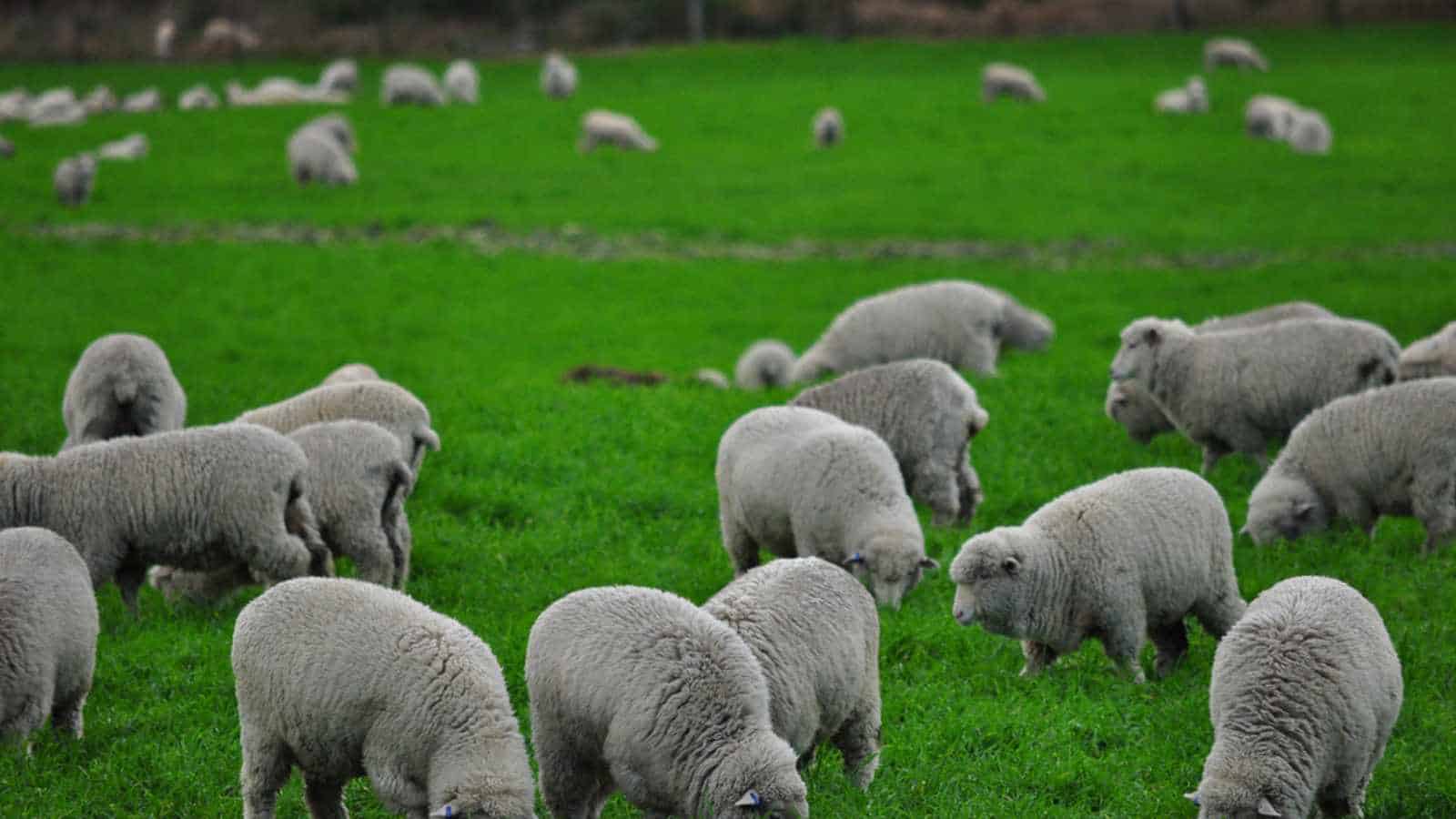
New Zealand’s economy is deeply tied to pastoral farming, and methane from sheep and cattle represents nearly 50% of the country’s total greenhouse gas emissions. No other developed economy has agriculture so heavily weighted in its emissions profile.
The He Waka Eke Noa partnership, launched between the government, Māori, and the farming industry, developed a farm-level emissions pricing system that began a phased rollout in 2025: charging farmers directly for methane and nitrous oxide emissions for the first time.
The scheme is globally unprecedented: no other country has implemented emissions pricing at the farm level for biogenic methane. Fonterra, the dairy cooperative that controls roughly 30% of global dairy trade, has committed to halving its farm-level emissions by 2030, a target that will require the use of feed additives, selective breeding, and herd reduction.
New Zealand’s indigenous Māori communities hold significant land assets and are increasingly central to sustainable land management decisions, with the Waitangi Tribunal actively adjudicating disputes over environmental rights established under the 1840 Treaty of Waitangi, a dimension of the sustainability transition that most international coverage overlooks entirely.
Sweden
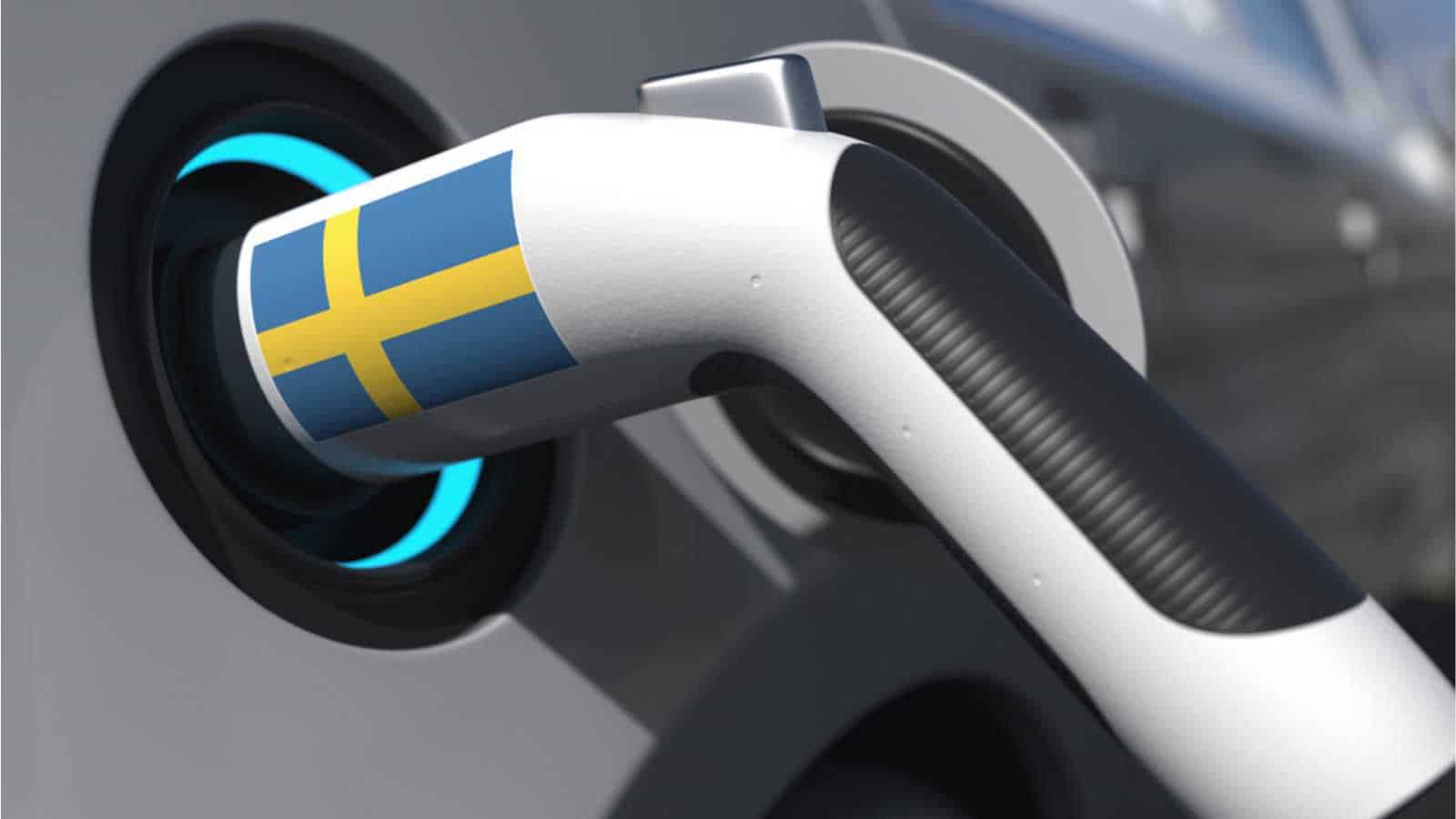
The country runs on a carbon tax, first introduced in 1991 at SEK 250 per tonne of CO₂, now at SEK 1,330 per tonne (approximately $130), the highest carbon price of any jurisdiction on Earth. The Swedish model is instructive because the tax was revenue-neutral from the start, with proceeds recycled through reductions in income and labor taxes, defusing the political opposition that has sunk carbon pricing proposals in other democracies.
The Fossil Free Sweden initiative, launched in 2015, organized over 500 Swedish companies to voluntarily commit to decarbonization roadmaps ahead of regulatory requirements. Volvo Cars is committed to selling only electric vehicles by 2030. SSAB, the steelmaker, has developed HYBRIT, a process that replaces coal in steel production with green hydrogen, and delivered the world’s first fossil-free steel to Volvo in 2021.
LKAB, the iron ore miner that supplies SSAB, is committed to zero-emission mining by 2045. The logic of industrial ecosystems: when one actor decarbonizes a production step, downstream actors gain a competitive incentive to match it.
Rwanda
Rwanda banned single-use plastic bags in 2008, before the conversation had entered mainstream Western policy discourse. Customs officers confiscate plastics at the border. Residents carry woven baskets. The country enforces this through a culture of Umuganda: mandatory community service days held on the last Saturday of each month, during which Rwandans collectively clean streets, plant trees, and build public infrastructure.
The practice predates the post-genocide government, rooted in pre-colonial Kinyarwanda tradition, and has been institutionalized as both environmental policy and social cohesion mechanism.
Rwanda’s Vision 2050 targets middle-income status while maintaining forest cover and pursuing green growth corridors, a framework developed with GGGI (Global Green Growth Institute) support that explicitly rejects the extract-now-clean-up-later model.
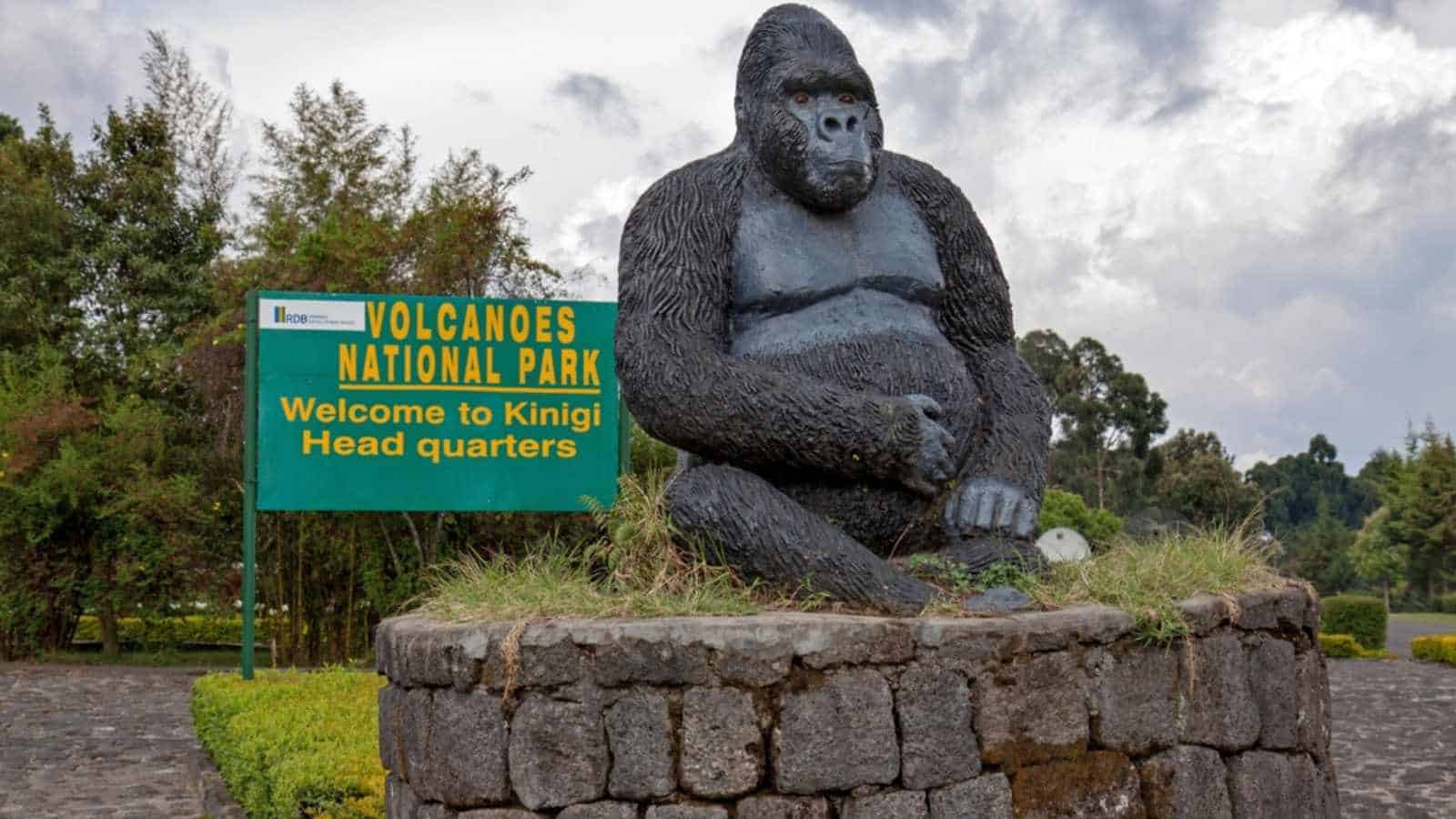
Kigali consistently ranks as the cleanest city in sub-Saharan Africa in World Bank urban metrics, an outcome that flows directly from the discipline of governance applied to environmental management. Tourism contributed over $500 million to Rwanda’s national economy in 2023, with gorilla tourism accounting for approximately 60% of that figure. Rwanda does not have oil or diamonds, and chose not to define prosperity in terms of what it lacks.
Key takeaways:

- Sustainability transitions are driven by necessity as often as ideology. Morocco moved toward renewables because it imports 90% of its energy. Kenya built geothermal capacity because it had no oil. Iceland optimized its fisheries because it had only fish.
- Legal architecture matters as much as investment. Costa Rica embedded forest protection into a payment system that made conservation financially rational for landowners. Ecuador wrote nature’s rights into its constitution. New Zealand passed legally binding zero-carbon targets. Rwanda institutionalized a pre-colonial community practice into national environmental policy.
- The extraction paradox is real and unresolved. Norway built the world’s largest sovereign wealth fund on oil money and now uses it to push global markets toward clean energy. Ecuador constitutionally protected its nature and still drilled in the Amazon when international compensation failed to materialize. Germany closed its nuclear plants while continuing to burn lignite.
- Clean energy and development access are not mutually exclusive. Kenya raised its electricity access rate from 26% to over 75% between 2013 and 2023 using almost entirely renewable expansion. Morocco achieved 100% national electricity access while building the world’s largest concentrated solar facility. The argument that developing nations must burn fossil fuels to extend electricity access has not held up against the evidence these countries have produced.
- The numbers that matter most are the ones measuring what was left intact. Bhutan absorbs more carbon than it emits. Costa Rica reversed deforestation, increasing forest cover from 17% to 52% over four decades. Rwanda’s mountain gorilla population recovered from under 300 individuals to over 1,000 globally.
Disclaimer – This list is solely the author’s opinion based on research and publicly available information. It is not intended to be professional advice.
Like our content? Be sure to follow us