12 outfits filtered through the male gaze and dating stereotypes
People like to pretend clothing speaks for itself, but most outfits arrive already loaded with assumptions the wearer never agreed to. A red dress becomes “confidence,” a blazer becomes “intimidating,” oversized clothes become “uninterested,” and a sundress somehow turns into evidence of softness before a conversation even starts.
Men often interpret women’s clothing less as personal style and more as social signaling. The outfit becomes a shortcut for guessing personality, availability, intelligence, ambition, or sexual openness, whether those guesses are accurate or not.
These 12 outfits reveal how deeply attraction, projection, and cultural conditioning still shape the way women are read in modern dating culture.
The red dress effect: desire dressed as data

Red is not just a color preference -it is a psychological trigger with a paper trail. A 2008 study by Andrew J. Elliot and Daniela Niesta, published in the Journal of Personality and Social Psychology, found that men rated women in red as significantly more sexually attractive than the same women pictured against blue or white backgrounds, even when every other variable in the photographs remained identical.
The effect held across multiple experiments within the same paper. What makes this stranger is that the men who participated showed no awareness that color was the variable being tested, indicating that the influence operated below conscious awareness.
The red dress, somewhere between Valentine’s cliché and power move, became shorthand for availability in the male imagination long before dating apps gave people profile photos to swipe on.
Crop tops and the credibility tax women still pay

Fabio Fasoli and colleagues put the same female students in front of faculty panels twice (once in professional dress, once in revealing clothing), and the scores changed. Their study found that professors, general adults, and female peers alike rated the professionally dressed students as more competent, more hardworking, and likely to have performed better academically, even though the only variable was the outfit.
The bias holding across male and female observers is the detail worth sitting with: the judgment did not come from one gender, but from a shared cultural reflex neither group appeared conscious of. The crop top arrived in mainstream fashion in the 1980s as athletic wear, moved through club culture in the 90s, and landed on high street shelves as a casual wardrobe staple by the 2010s. Yet the social penalties followed it through each decade.
Men tend to anchor their first impressions of women in revealing clothing to physical appearance alone, framing attraction in terms that leave little room for anything else – a dynamic that puts the woman in the position of managing perceptions she never invited. The outfit becomes a filter, and not one she set.
Sundresses and the girl-next-door projection

Few pieces of clothing carry as much projected innocence as the sundress. Florals, midi length, thin straps -the combination has been coded in Western media as approachable, domestically palatable, and non-threatening.
The sociologist Erving Goffman, writing in The Presentation of Self in Everyday Life (1959), described how individuals perform identity through dress in ways that invite specific social readings.
Men consistently report higher romantic interest in women who present as approachable and non-threatening, and the sundress (by virtue of its associations with ease, softness, and domestic familiarity) tends to land in that category before the woman wearing it has said a word.
The outfit does the social auditioning on her behalf, which is precisely what Goffman meant. The implication is uncomfortable -perceived wholesomeness, not personality, is moving the needle.
The little black dress and the contradiction it carries

The LBD was introduced to mainstream wardrobes by Coco Chanel in 1926, pitched as a universal, unfussy garment for the modern woman. The Pazda, Elliot, and Greitemeyer (2014) study published in Color Research & Application found that red and black operate through separate psychological mechanisms when men rate women’s attractiveness – red works through perceived sexual receptivity, while black works through perceived fashionableness.
Crucially, attractiveness ratings for women in red and black dresses did not differ significantly from each other, meaning black pulled comparable attraction numbers to red but through a completely different route – style and sophistication rather than sexual signaling.
In a workplace context, black dresses are read as professional. In a bar on a Friday night, the same dress, same fit, same woman, reads as a signal. The outfit has not changed; the context has -and with it, the male projection layered onto the person wearing it. Chanel’s democratizing vision aged into something more complicated than utility.
Athleisure and the performance of accessibility
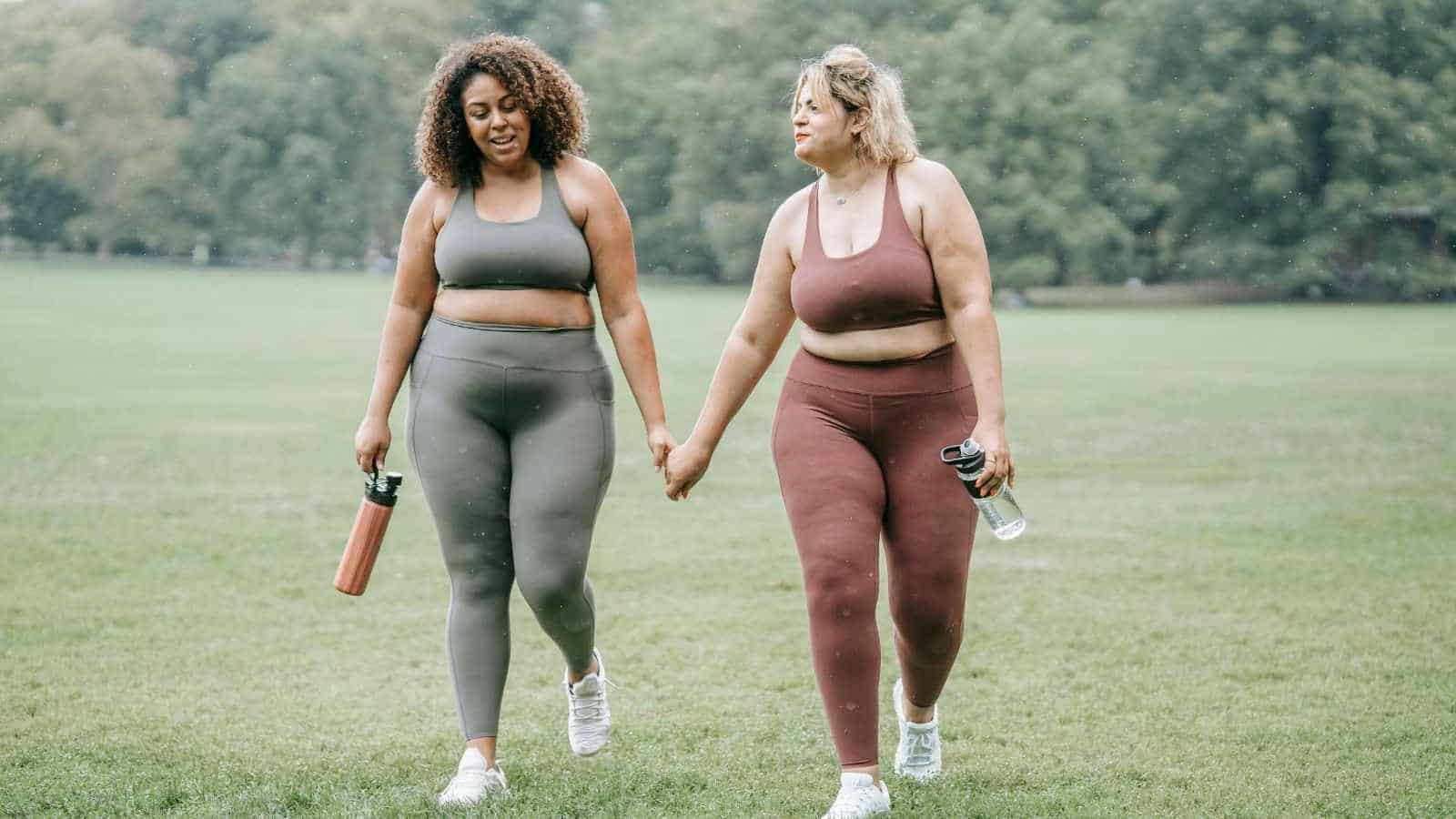
The global athleisure market was valued at approximately $155.2 billion in 2020 and is projected to reach $549.41 billion by 2028, according to Grand View Research. The leggings, sports bra, and oversized hoodie combination was adopted by women for comfort and mobility.
Men, broadly, translated it into something else. Women’s reports of unsolicited approach behavior in gyms are well documented by organizations like Right To Be and in academic literature on street harassment.
The gym became the setting where athleisure’s practical function collided most forcefully with the male gaze, producing a dynamic in which women dressed to move were read as dressed to be approached. Lululemon did not design for that outcome. The culture built it anyway.
Oversized clothing and the assumption of unavailability

Oversized shirts, baggy trousers, boyfriend jeans -the vocabulary of deliberately unconstructed dressing has long been misread by men as romantic disengagement.
The deeper irony is that many women adopt oversized silhouettes precisely to move through public space with less commentary, which inverts the dynamic entirely. The choice to minimize visibility becomes evidence of unavailability in a dating framework that treats visibility as an invitation.
Susan Douglas, in her 2010 book Enlightened Sexism, called this the trap of legibility: women are expected to signal their relationship status through clothing in ways men are never asked to.
Heels and the performance of effort

High heels alter gait, shift posture, and increase the lumbar curve in ways that have been documented in biomechanical research as triggering elevated male visual attention -not because of elegance but because of the specific physical changes the shoes impose on the body.
Men are more likely to offer help, comply with requests, and initiate conversation with women in high heels than with women in flats, independent of other variables.
The shoe, in other words, does social work before the woman has spoken a word. What makes this worth examining is the labor distribution it implies: the physical discomfort is entirely the woman’s, while the social dividend -heightened visibility, greater perceived attractiveness -is experienced relationally, often as a benefit to how men respond rather than how the woman feels.
Maxi skirts and the modesty misread

A maxi skirt covers the legs entirely. By the logic of modesty culture, it should generate less objectification. It does not always. A modest dress sometimes triggers a separate set of stereotypes around submissiveness, traditional femininity, and domestic orientation that men in conservative or religious dating contexts actively seek out.
The maxi skirt, depending on the man reading it, signals either feminist rejection of sexualization or old-world availability -two opposite conclusions drawn from the same garment.
Fashion scholar Joanne Entwistle, in The Fashioned Body (2000), argued that clothing is never neutral because the body is never neutral in social space. The maxi skirt proves the point: the attempt to dress without consequence collides with a social system that refuses to let clothing mean nothing.
Miniskirts and the law’s uncomfortable history with hemlines
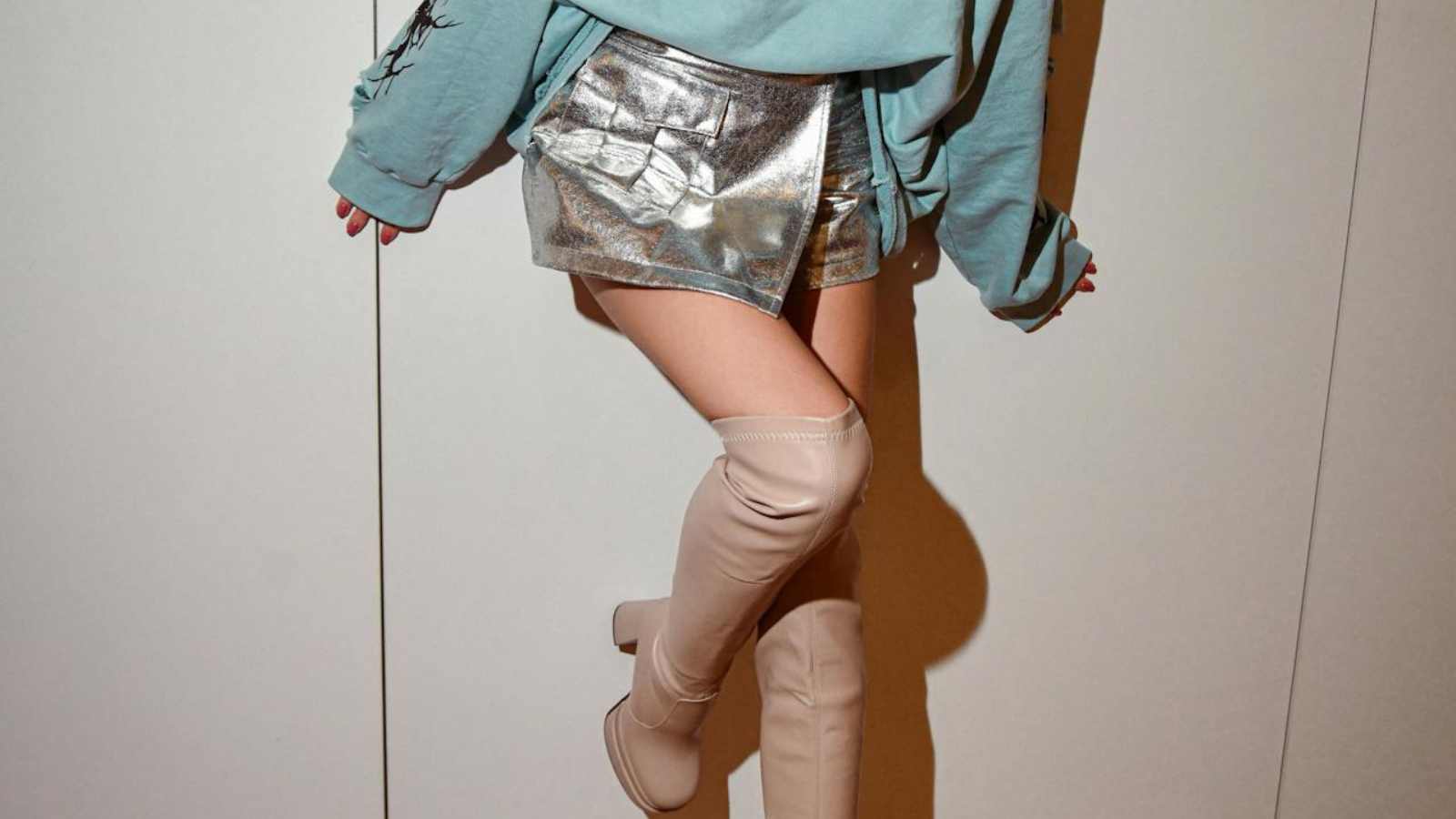
In 1964, Mary Quant popularized the miniskirt as a symbol of generational rebellion. By 1969, multiple US states had considered or passed ordinances linking short skirt length to contributory negligence in sexual harassment cases -a legal logic that treated hemlines as consent documents.
The miniskirt oscillated between a symbol and a liability depending on the decade. In contemporary dating culture, short skirts remain among the highest predictors of unsolicited physical contact in nightlife settings, according to a 2019 survey by the nonprofit Right To Be (formerly Hollaback).
The clothing did not change its function. The environment around it kept reinterpreting who was responsible for what happened when it was worn.
Business casual and the competence-attractiveness tradeoff

Women in professional dress are rated as more competent but less romantically attractive by male observers, whereas women in casual wear are rated lower on competence but higher on approachability.
The tradeoff is not trivial. In dating contexts, the business casual woman -blazer, tailored trousers, structured bag -triggers a categorization process in male observers that separates the professional from the personal in ways that rarely apply in reverse.
Men in suits are consistently rated as more attractive by women; women in suits are often rated as less available. Men can appear up to 12% more desirable to women when wearing tailored formalwear than when wearing casual clothing. The same garment that signals ambition in one gender signals distance in the other -a gap that says more about conditioning than clothing.
Vintage and thrift dressing and the personality penalty

Vintage dressing -specifically the deliberate curation of pre-owned, non-mainstream clothing -has expanded with the secondhand fashion market, projected to reach at $393 billion by 2030 (ThredUp).
Generally, vintage dressing is associated with higher intelligence and creativity, but also with a perceived high-maintenance personality and unconventional relationship expectations. The reading has almost nothing to do with the clothing’s actual cost or origin. Creativity is attractive because it clearly deviates from conventional femininity.
A competing view holds that this hesitation self-selects, filtering out men who would struggle with women who make independent aesthetic choices anyway. Both are true, which means vintage dressing works as a soft but effective compatibility screen in dating environments.
The no-outfit outfit: how nakedness became a style category
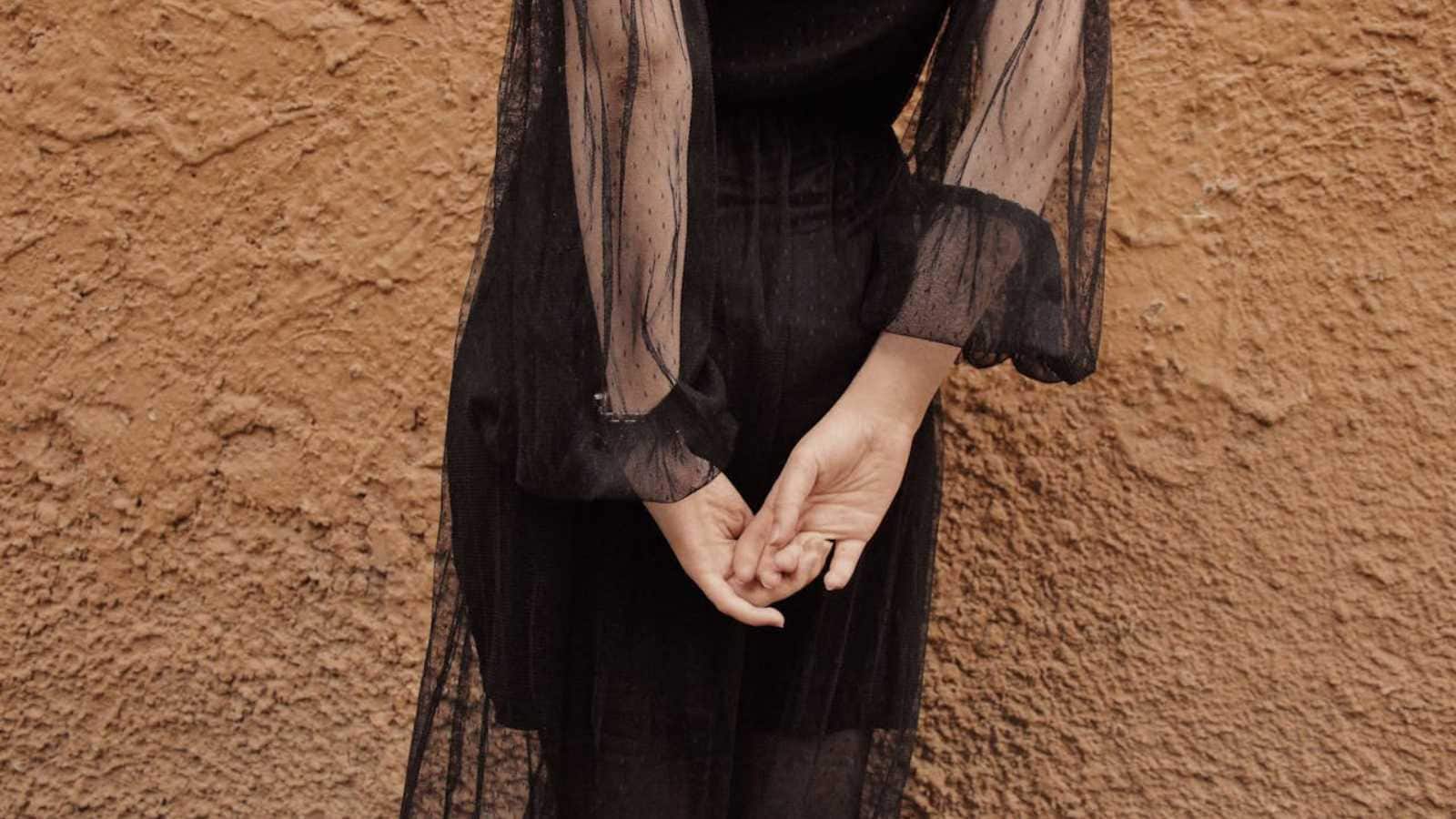
The rise of the barely-there dress -sheer fabric, strategic cutouts, bodycon fits that function as a second skin -represents the point where fashion and the male gaze negotiated a truce that was always more conditional than it appeared. Fashion’s relationship to the body is always about the tension between concealment and revelation, and that tension is never resolved -only restaged.
In 2023, the most-searched women’s fashion items on Google globally included sheer dresses, cut-out tops, and bodycon dresses, indicating where commercial attention has landed. What does not show up in the search data is who the searcher is looking for.
Many women report wearing these pieces for themselves, as acts of bodily confidence. Many men report interpreting the same pieces as social permission. Two audiences, one garment, and a gap between them that fashion weeks keep ignoring.
Key takeaways
- Clothing is often interpreted as a social signal of personality, availability, and attractiveness rather than as simple self-expression.
- Research shows men often make rapid judgments about women based on color, fit, modesty, or styling cues before interaction begins.
- The same outfit can produce completely different readings depending on context, environment, and cultural expectations.
- Many stereotypes attached to women’s clothing operate unconsciously and are reinforced by both men and women alike.
- Several fashion choices function as unintended filters, attracting certain assumptions while discouraging others in dating environments.
Disclaimer – This list is solely the author’s opinion based on research and publicly available information. It is not intended to be professional advice.
Like our content? Be sure to follow us