12 habits many older women still keep—and why they matter today
A quiet shift is happening across America. Research from the Transamerica Center for Retirement Studies shows that 55% of women still maintain healthy eating habits well into later life, a pattern that reveals something deeper than routine. Many older women carry forward daily practices that quietly shape their health, relationships, and independence long after retirement.
For decades, these habits formed in kitchens, neighborhoods, workplaces, and family circles. They were rarely labeled as life strategies. Yet over time, they built strong routines that support physical health, emotional balance, and social ties. What once seemed like ordinary choices now stand out in a culture that often rushes past slow, steady living.
Spend time watching older women go about their typical day, and you start to notice patterns. Small actions repeat themselves with calm purpose. Meals are prepared with care. Conversations linger longer. Movement remains part of the daily rhythm. These habits did not appear overnight. They grew through years of trial, patience, and quiet discipline.
Today, researchers and health experts are starting to recognize the value of those routines. Many of the practices older women have kept for decades now align with modern science about longevity, mental health, and social well-being. The result is a set of habits that still carry meaning today, even as the world around them changes quickly.
Cooking simple, balanced meals almost every day
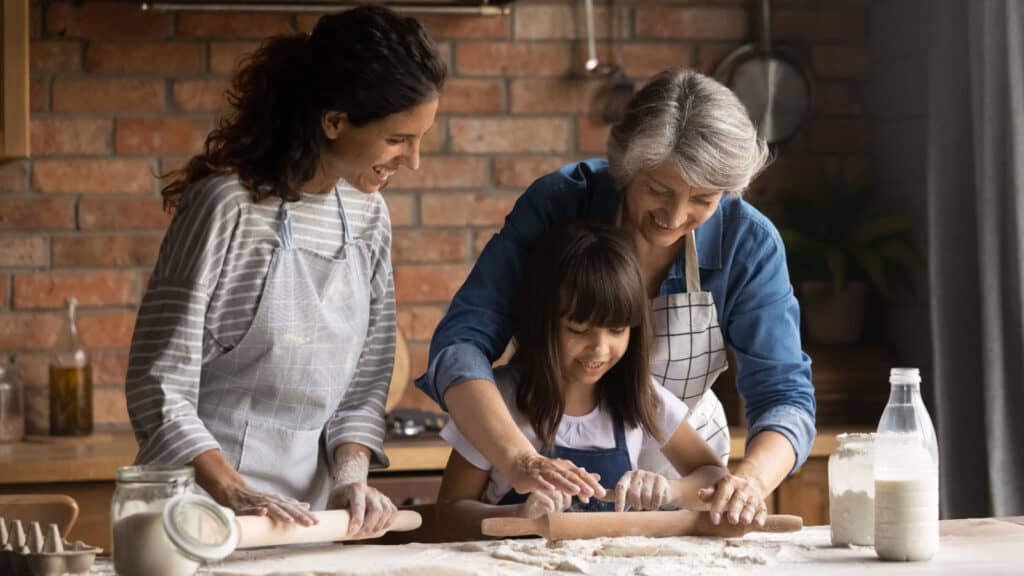
The smell of garlic warming in a pan fills the kitchen while afternoon light settles across the counter. You watch an older woman move calmly between the stove and sink, slicing vegetables without hurry. The meal looks simple, yet every step carries a quiet kind of care.
For many women, cooking at home has remained a lifelong rhythm. What began as a family routine slowly became a powerful health habit. According to the Transamerica Center for Retirement Studies, about 55 percent of women consistently focus on healthy eating, making it the most common long-term wellness habit among them.
You start to see why that matters. Regular home cooking often leads to balanced meals with more vegetables, lean proteins, and fewer processed foods. Over time, those steady choices help lower risks of heart disease, diabetes, and weight gain. What looks like an ordinary dinner routine turns out to be one of the strongest foundations for long life.
Protecting sleep like it is part of their health

The house grows quiet as evening settles in. A lamp glows softly beside the bed while a familiar nighttime routine begins. You notice the calm pace. There is no rush to squeeze in one more task or scroll through a phone late into the night.
Many older women treat sleep as a priority rather than a luxury. Research from the Transamerica Center for Retirement Studies reports that 52 percent of women actively focus on getting enough rest each night. That number reflects a long-standing belief that sleep restores both body and mind.
You can feel the difference the next day. Adequate sleep helps memory, mood, and focus remain steady with age. Doctors often warn that poor sleep can raise the risk of heart disease and cognitive decline. By protecting this simple nightly routine, many older women quietly support the kind of mental clarity that keeps them independent longer.
Keeping friendships alive through regular conversations
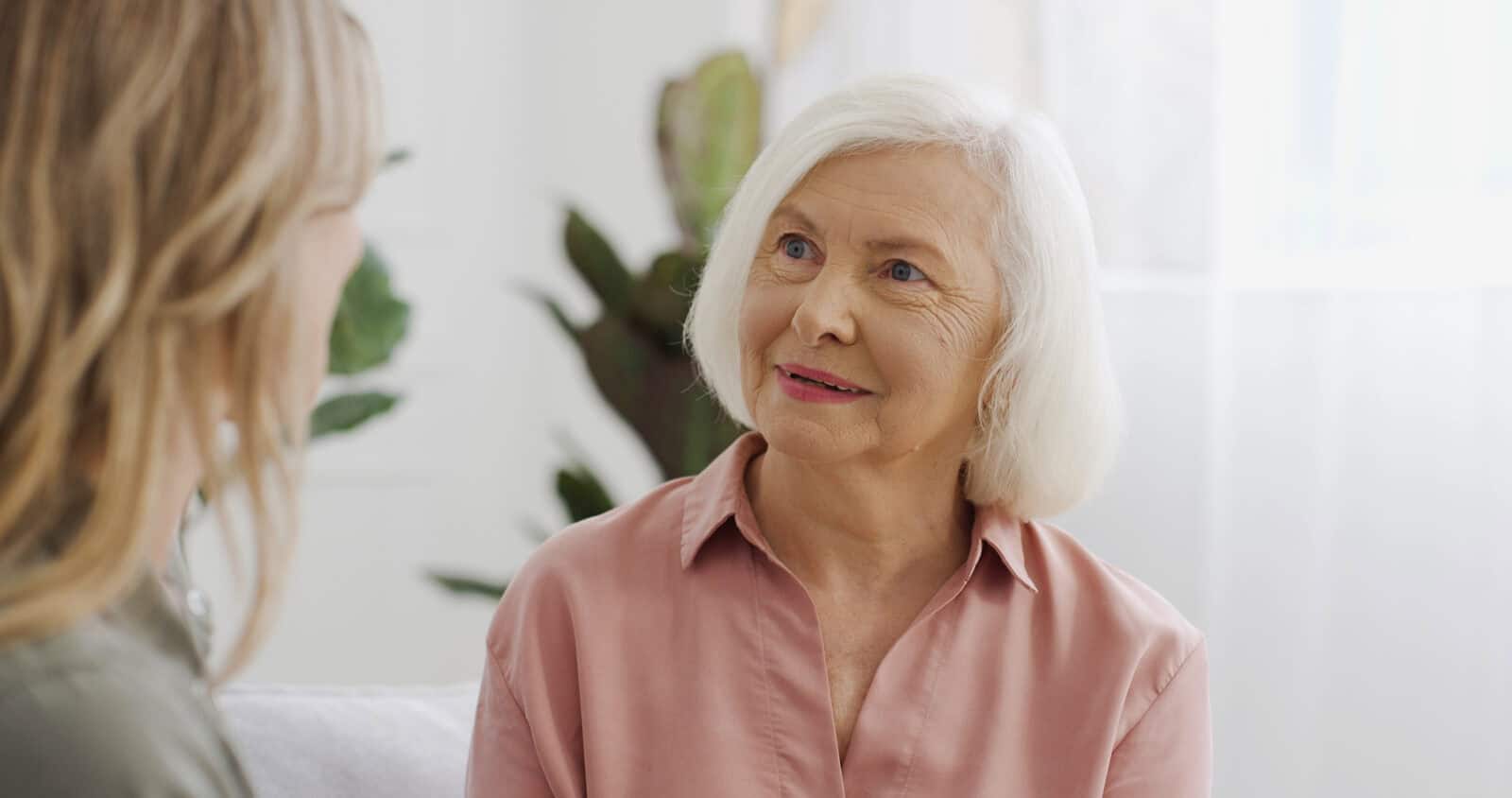
Laughter drifts across a living room as two friends lean toward each other over coffee. The conversation moves slowly through memories, family updates, and small neighborhood news. You notice the comfort in the way they listen and respond.
Maintaining social ties has remained a powerful habit for many older women. Data from the Transamerica Center for Retirement Studies shows that 51 percent of women regularly spend time with family or friends. That simple act of connection plays a larger role in health than many people realize.
Researchers have linked strong relationships with lower stress levels and improved mental health. Social connection also protects against isolation, which becomes more common with age. In many ways, these regular conversations act like emotional maintenance. They keep support systems strong long after children grow up and careers end.
Moving their bodies even when life slows down

Morning air feels cool against your skin as someone walks steadily down the sidewalk. The pace is gentle but consistent. Each step carries the quiet determination of someone who understands the value of staying active.
Nearly half of women maintain regular exercise habits as they age. The Transamerica Center for Retirement Studies reports that about 49 percent of women continue to exercise regularly, even after retirement. Those walks, stretches, and light workouts serve a deeper purpose than simple fitness.
Movement protects mobility and strength. It also lowers the risk of chronic illness and helps maintain balance and coordination. Health experts surveyed by U.S. News & World Report say inactivity is one of the strongest drivers of faster aging, with 57 percent identifying it as the top factor that speeds physical decline.
Treating daily movement as part of normal life
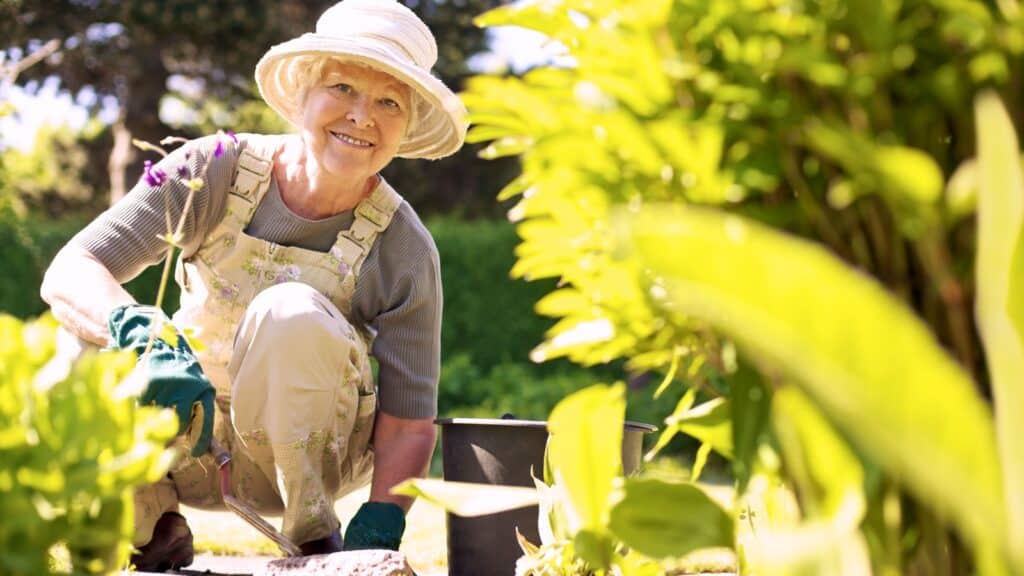
You hear the soft creak of a garden gate while someone bends to pull weeds from the soil. A few minutes later, she carries groceries up the porch steps. These small bursts of activity rarely look like exercise, yet they happen throughout the day.
Many older women grew up in households where movement blended into routine chores. That habit continues today. The MiraCare Women’s Health Trends Report for 2026 found that 56 percent of women rely on physical activity as their main strategy for managing health as they age.
The pattern matters because consistent movement keeps muscles engaged and joints flexible. Instead of long sedentary hours, daily life stays active through errands, housework, gardening, and walking. Over decades, that lifestyle helps preserve strength and independence in ways structured workouts sometimes cannot match.
Paying close attention to what their bodies need
A quiet morning begins with a cup of tea and a careful glance at a weekly meal plan pinned to the fridge. You notice how ingredients are chosen with intention. Certain foods recur because they support energy and digestion.
Nutrition often becomes more thoughtful with age. According to the MiraCare Women’s Health Trends Report, 52 percent of women actively focus on improving their diets during midlife and beyond. That shift reflects a growing awareness of how food affects long-term health.
Doctors often recommend nutrient-rich diets like Mediterranean-style eating for women after menopause. Balanced meals can help manage weight, reduce inflammation, and protect heart health. What might look like simple grocery choices often becomes a form of daily self-care that supports longevity.
Creating routines that keep the mind sharp

The soft scratch of a pencil fills the room as someone works through a crossword puzzle at the kitchen table. Nearby, a book sits open, its folded page marking the next chapter. You sense a quiet focus that has become part of the day.
Mental stimulation remains a habit many older women continue to value. Research summarized by the CCL Hospitality Group shows that between 78 and 83 percent of senior residents consider brain health essential to their well-being.
Activities like reading, puzzles, and learning new skills help keep neural pathways active. Over time, they support memory, attention, and cognitive flexibility. These simple daily practices act like exercise for the brain, helping maintain sharp thinking well into later life.
Choosing communities that support connection

The sound of chairs sliding across a community center floor signals the start of a weekly gathering. Women greet each other by name before settling into conversation. You notice how easily relationships grow in spaces designed for interaction.
Social environments matter more than ever in later years. Research from CCL Hospitality Group shows that 83 percent of future senior residents see strong social connections as essential to their well-being. Communities with active social networks often report better health and higher life satisfaction.
For older women, shared activities such as clubs, volunteer work, and neighborhood groups help build daily structure and emotional support. These networks create a sense of belonging that remains powerful throughout the aging process.
Personalizing their health routines

You watch someone adjust her morning schedule with quiet confidence. Some days begin with stretching. Other days start with a walk or a healthy breakfast shared with friends. The routine shifts based on what the body needs that day.
Older women are increasingly shaping their own wellness habits rather than following rigid programs. A report from CCL Hospitality Group found that 89 percent of senior residents want wellness programs that fit their personal goals and lifestyles.
This approach reflects a shift toward self-directed health care. Instead of generic advice, routines become flexible and personal. That sense of control helps older adults remain engaged with their health decisions while adapting to new physical needs.
Valuing quiet time and reflection

Early morning light slips through the window while the house remains silent. A cup of coffee rests beside a journal or a folded newspaper. The stillness feels intentional rather than empty.
Many older women continue a habit of daily reflection, prayer, or quiet thought. While this routine often goes unnoticed, it provides emotional grounding during times of change. Moments of stillness help people process experiences and maintain perspective.
Researchers often link reflective practices with lower stress levels and improved emotional health. Over the years, these quiet pauses have become anchors in daily life. They offer space to slow down and reconnect with personal values and goals.
Staying curious about the world around them

The low hum of a radio carries news from across the country while someone folds laundry nearby. A magazine sits open to an article about travel or science. Curiosity remains alive even in the most ordinary moments.
Many older women continue to seek new information through books, media, and conversations. This habit keeps them engaged with cultural shifts and new ideas. Learning does not stop when careers end or children leave home.
Studies on cognitive aging often show that lifelong curiosity helps maintain mental agility. Exposure to new ideas encourages the brain to build fresh connections. What begins as simple interest becomes another quiet strategy for staying mentally strong.
Holding on to the habit of caring for others

The aroma of soup fills the kitchen as containers line the counter, ready to be shared with neighbors or family. You see the same gesture repeated in many homes. Acts of care remain woven into daily life.
Older women often continue to play active roles in supporting others. They help with grandchildren, check on neighbors, or volunteer in local groups. These habits strengthen both community bonds and personal purpose.
Psychologists have long noted that helping others boosts emotional health and life satisfaction. For many women, the practice began decades earlier while raising families. Carried into later life, that instinct to care keeps relationships strong and communities connected.
Like our content? Be sure to follow us