12 old-fashioned manners that make gen z roll their eyes
The generational rule book is being rewritten as outdated etiquette collapses under the pace and priorities of Gen Z.
Generational divides are inevitable, but the shift between Boomers and Gen Z feels seismic when looking at daily habits. While older generations view certain formalities as respectful, younger people often see them as inefficient or as intrusive into their lives. The rules of engagement have changed, and clinging to outdated etiquette can actually damage relationships rather than strengthen them.
From how we handle finances to how we eat breakfast, the social script has flipped to prioritise mental health and authenticity over rigid tradition. This does not mean manners are dead; instead, the definition of politeness has evolved to suit a faster world. Here are the 12 etiquette rules that are quickly fading away as a new generation takes the lead.
Splitting The Bill Evenly

Younger diners are hyper-aware of their budget and refuse to subsidize a friend who ordered expensive items while they had a salad. Budgeting is taken seriously, and technology enables precise payments rather than an arbitrary split.
Paying exactly for what you consume is seen as the only fair way to handle group dining. It prevents resentment from building up over financial discrepancies among friends. It respects everyone’s individual financial situation.
The Unexpected Phone Call

Calling someone without a warning text is viewed as an aggressive invasion of privacy rather than a friendly gesture. Most younger people perceive an unscheduled call as a panic-inducing event that suggests an emergency or bad news. A report from Harmony Healthcare IT found that Gen Z spends more than 6 hours per day on their phones but actively avoids voice calls.
This shift protects personal time and acknowledges that a text is less disruptive to a person’s workflow. It allows the recipient to respond when they are ready rather than demanding immediate attention. It turns communication into a consensual exchange rather than a demand.
The Formal Dress Code

The idea of wearing a suit and tie to the office every single day feels increasingly absurd to a generation that champions comfort. Many young professionals struggle to understand why their competence is tied to uncomfortable clothing rather than their output and beauty. A survey by Allwork revealed that most Gen Z workers seek guidance on what to wear to work due to this confusion.
Prioritizing comfort allows employees to focus on their tasks without the distraction of restrictive garments. It signals that the quality of the work matters more than the packaging. This approach fosters a more relaxed and creative work environment.
The 9-to-5 Grind

The concept of sitting at a desk for eight specific hours regardless of workload is baffling to a generation that values results. Whether they are working from a beach house or a coffee shop, they prioritize getting the job done over performing presence. Career strategist Julia Toothacre notes that Gen Z prioritizes setting boundaries to build long-term credibility without burnout.
Flexibility is now seen as a requirement for a balanced life rather than a corporate perk. It allows for a schedule that accommodates personal needs and peak productivity hours. This shift challenges the notion that hours logged equals value added.
Cash Payments

Carrying physical cash is becoming a relic of the past as peer-to-peer payment apps and digital wallets take over. Pulling out a checkbook or fumbling for exact change at the grocery store is a major inconvenience that slows the line for everyone else. The Federal Reserve found that young adults used mobile phones for 45% of all their payment transactions.
Digital payments offer a level of speed and tracking that physical cash cannot match. It simplifies the checkout process and makes tracking spending much easier. This efficiency is highly valued in a fast-paced society.
Strict Table Manners

Fussing over which fork to use or keeping elbows off the table is viewed as unnecessary gatekeeping rather than a sign of respect. The focus at a dinner party has shifted to the quality of the conversation and to dietary preferences. A study by Prezzo found that 77% of Gen Z respondents simply do not care about elbows on the table.
Dining is viewed as a time for connection and relaxation rather than a performance of etiquette. Removing these rigid rules allows everyone to feel more comfortable and authentic. It places people above protocol.
The Handwritten Thank You
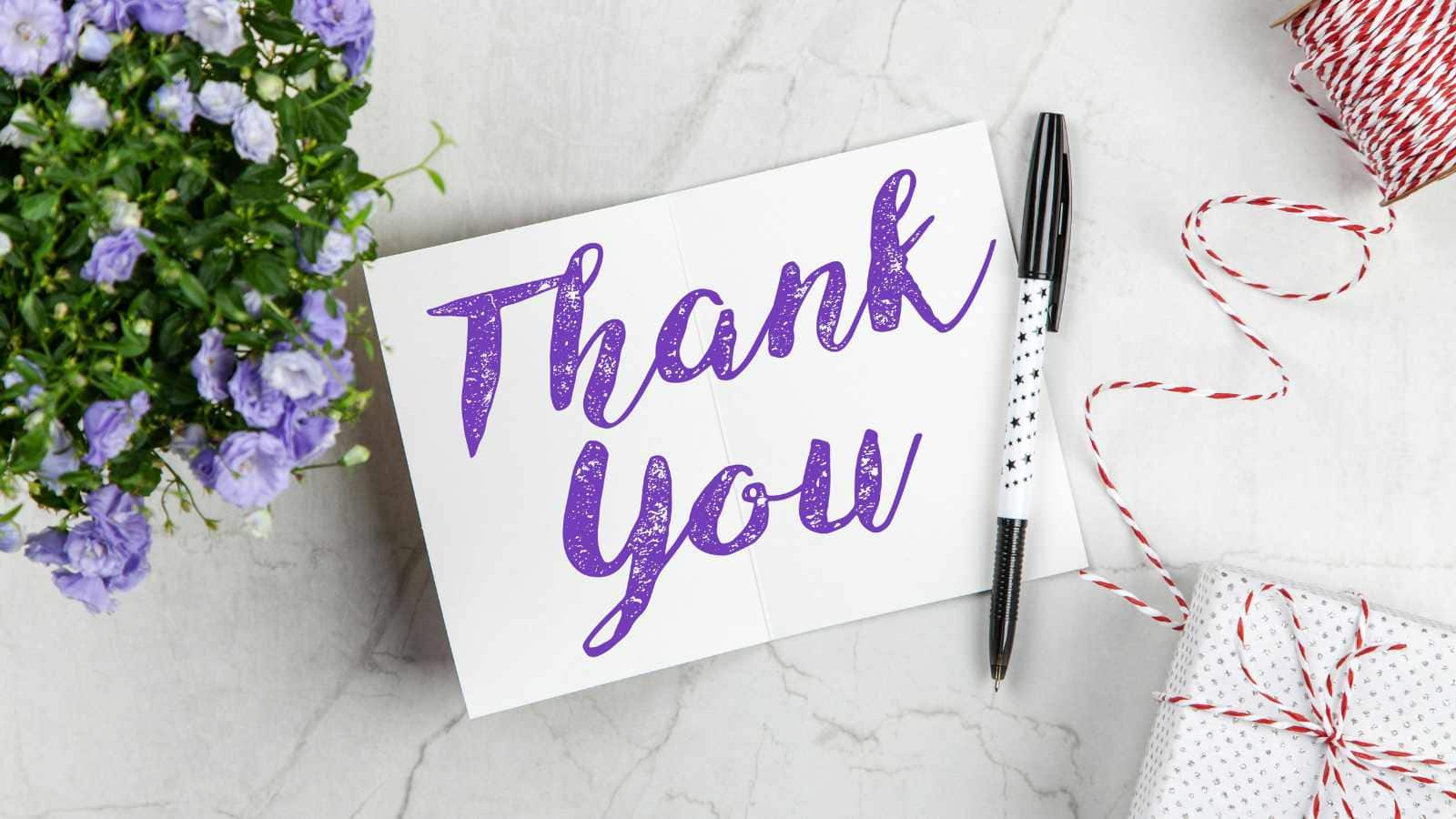
Spending money on a card and stamp feels inefficient when a heartfelt text or video message lands instantly and saves paper. While a handwritten note was once the gold standard for Thanksgiving gratitude, it now feels wasteful and slow. Most people today prefer a genuine digital acknowledgement that feels far more immediate and intimate.
Digital thanks can include photos or videos, making the message even more personal. It ensures the gratitude is received instantly rather than days later. It aligns with a more eco-conscious mindset.
Unannounced Drop-Ins

Showing up at someone’s front door without an invitation is no longer a pleasant surprise but a major source of anxiety. It disregards the host’s schedule and privacy, especially if they are busy with a pet or working from home.
Respecting boundaries involves asking for permission before entering someone’s personal space. It acknowledges that people need time to prepare, both mentally and physically, for the company. It preserves the sanctity of the home as a private sanctuary.
Keeping Salaries Private

The taboo around discussing pay is being shattered by growing demand for workplace transparency to ensure fair treatment. Keeping financial details secret is often viewed as a corporate tactic to underpay staff rather than a matter of privacy. Sharing salary info empowers peers to negotiate better for their car payments and rent.
Open discussions about money help to close wage gaps and ensure equal pay for equal work. It builds a sense of solidarity among coworkers rather than competition. It holds employers accountable for their compensation structures.
Forced Eye Contact

While maintaining strong eye contact was once taught as a way to show confidence, it can now be interpreted as intense or aggressive. Many younger people find prolonged staring uncomfortable and prefer a more relaxed gaze that allows for greater inspiration. Hiring managers reported to Resume Builder that 57% of Gen Z candidates struggle to make sufficient eye contact.
Avoiding intense eye contact can help some people focus more effectively on the conversation and their own thoughts. It accommodates neurodiverse individuals who find forced gazing overwhelming. It creates a more inclusive and less pressure-filled dialogue.
Professional Stoicism

The old stiff-upper-lip mentality, where you leave your personal life at the door, is being replaced by a desire for emotional transparency. Younger workers believe that being human at work, discussing travel dreams or struggles, is healthier than pretending to be a robot. A survey on resume templates found that 45% of Gen Z employees reported crying in front of their manager.
Bringing one’s whole self to work is seen as a way to build deeper trust and connection with teams. It acknowledges that employees are human beings with complex lives outside the office. It creates a culture of empathy and support.
Complex Recipes For Guests

The pressure to serve a complex, multi-course meal for guests is fading, with potlucks and takeout gaining traction. Stressing over a perfect recipe ruins the host’s mood, so the focus shifts to socializing rather than culinary performance.
Simplifying the menu allows the host to actually enjoy the party and interact with their guests. It removes the performance anxiety that often accompanies hosting duties. It makes social gatherings more frequent and less burdensome.
Key Takeaway

Manners are evolving to prioritise authenticity, efficiency, and mental well-being over rigid formality. By letting go of outdated rules like unannounced calls and strict dress codes, we create space for genuine connection and a healthier lifestyle. Adapting to these changes bridges the generational gap and creates a more inclusive world.
Disclosure: This article was developed with the assistance of AI and was subsequently reviewed, revised, and approved by our editorial team.
20 Odd American Traditions That Confuse the Rest of the World
20 Odd American Traditions That Confuse the Rest of the World
It’s no surprise that cultures worldwide have their own unique customs and traditions, but some of America’s most beloved habits can seem downright strange to outsiders.
Many American traditions may seem odd or even bizarre to people from other countries. Here are twenty of the strangest American traditions that confuse the rest of the world.
20 of the Worst American Tourist Attractions, Ranked in Order

20 of the Worst American Tourist Attractions, Ranked in Order
If you’ve found yourself here, it’s likely because you’re on a noble quest for the worst of the worst—the crème de la crème of the most underwhelming and downright disappointing tourist traps America offers. Maybe you’re looking to avoid common pitfalls, or perhaps just a connoisseur of the hilariously bad.
Whatever the reason, here is a list that’s sure to entertain, if not educate. Hold onto the hats and explore the ranking, in sequential order, of the 20 worst American tourist attractions.