12 ordinary items you should never burn, even though they seem safe
Fire officials and environmental agencies warn that burning everyday household items is quietly fueling toxic pollution and thousands of preventable home fires each year.
Burning “just a few” household items in a fireplace, woodstove, firepit, or backyard barrel can feel harmless. Fire experts and environmental agencies say otherwise. The U.S. Fire Administration estimates more than 340,000 residential fires a year, with a large share tied to careless burning of hot equipment and to combustibles too close to heat sources.
The Environmental Protection Agency also warns that burning common trash and treated materials releases toxic gases, fine particles, and even dioxins that damage lungs and linger in soil and water. Here are 12 ordinary items that seem burnable but should never go in your fireplace, stove, or backyard fire.
Plastic Bags, Bottles, and Packaging
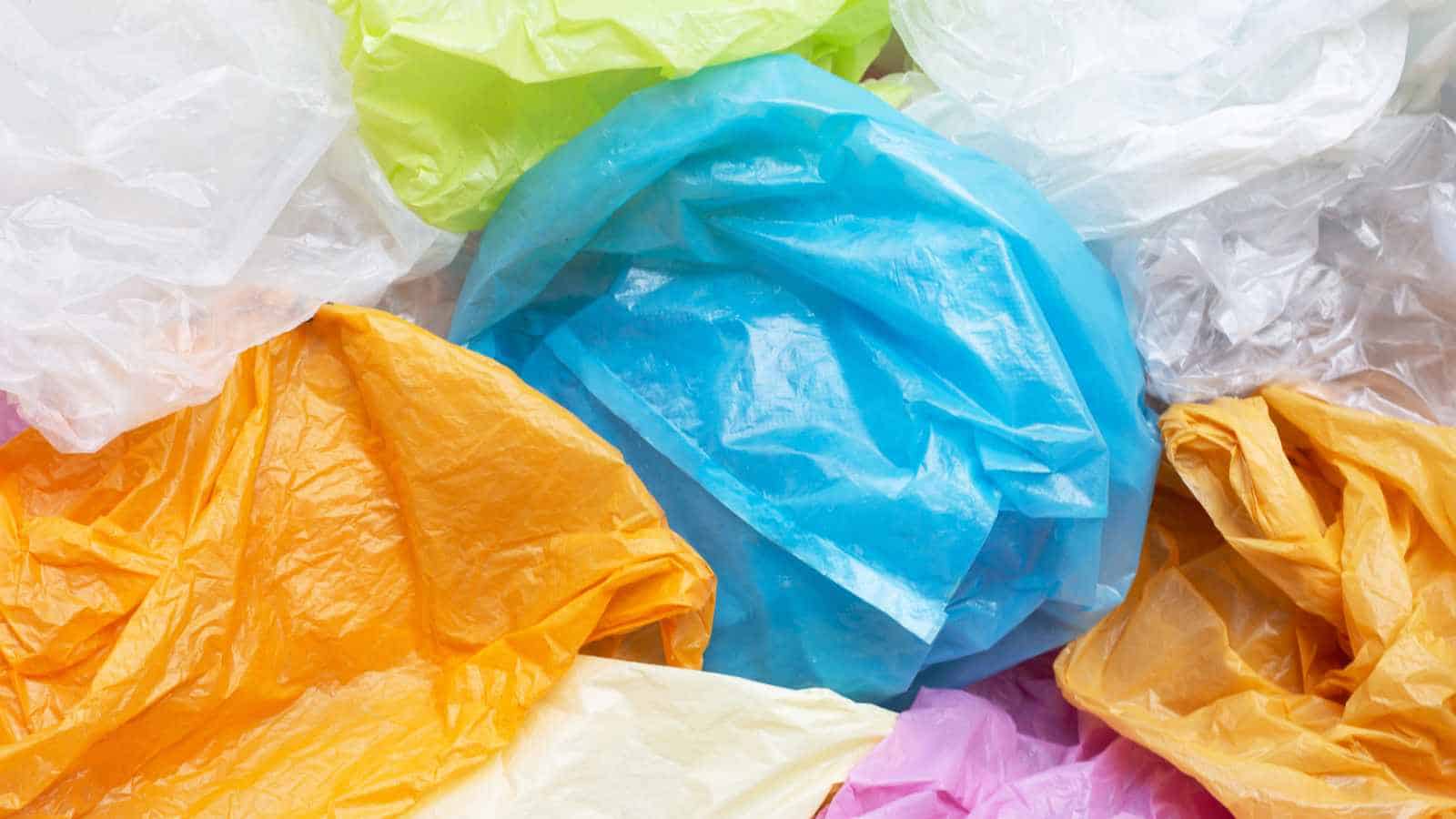
No matter how small, plastic should never be placed in a fireplace or backyard fire. Burning plastic releases a toxic mix of hydrochloric acid, sulfur dioxide, dioxins, and heavy metals.
The Plastic Pollution Coalition adds that backyard plastic burning sends nitrogen oxides, volatile organic compounds, and other pollutants into the air and leaves contaminated ash that can seep into soil and groundwater.
Cardboard Pizza Boxes, Wrapping Paper, and Glossy Magazines

Cardboard and colored or glossy paper look like harmless kindling, but the inks and coatings often contain metals and other chemicals that give off toxic fumes when burned.
Valley Chimney warns that these papers also burn extremely fast and can send flaming bits up the flue, where they can ignite creosote or escape the chimney and start roof or yard fires. It is safer to recycle these materials rather than burn them.
Treated, Painted, Or Manufactured Wood

Deck offcuts, old fencing, painted boards, and scrap plywood may appear to be free firewood, but burning them is dangerous and often illegal. Fireplace experts say treated stained, painted, or manufactured wood, such as plywood and particleboard, contains glues, preservatives, and other chemicals that become highly toxic when burned.
According to the Montana Council, it is illegal in every U.S. state to burn pressure-treated wood because the fumes can irritate eyes, lungs, and skin, and release hazardous metals into the air and into ash.
Household Trash And Food Packaging

Stuffing everyday trash into a woodstove or fire pit is still common in some areas, but state and federal agencies strongly warn against it. The Wisconsin Department of Natural Resources explains that burning garbage, especially mixed plastics, coated paper, and treated wood, releases toxic chemicals that pollute air, soil, and water and can accumulate in the food chain.
Open trash burning also creates fine particulate matter that aggravates asthma, heart disease, and lung conditions at very low exposure levels.
Styrofoam Cups Plates And Takeout Containers

Styrofoam and other foam plastics melt quickly and appear to vanish in flames, but they leave an invisible chemical trail. Environmental agencies classify styrofoam as a major source of toxic fumes when burned, including benzene and other carcinogenic compounds.
Burning foam products can generate dense smoke and toxic vapors that are far more hazardous than properly disposing of them.
Wet Or Moldy Wood From The Yard
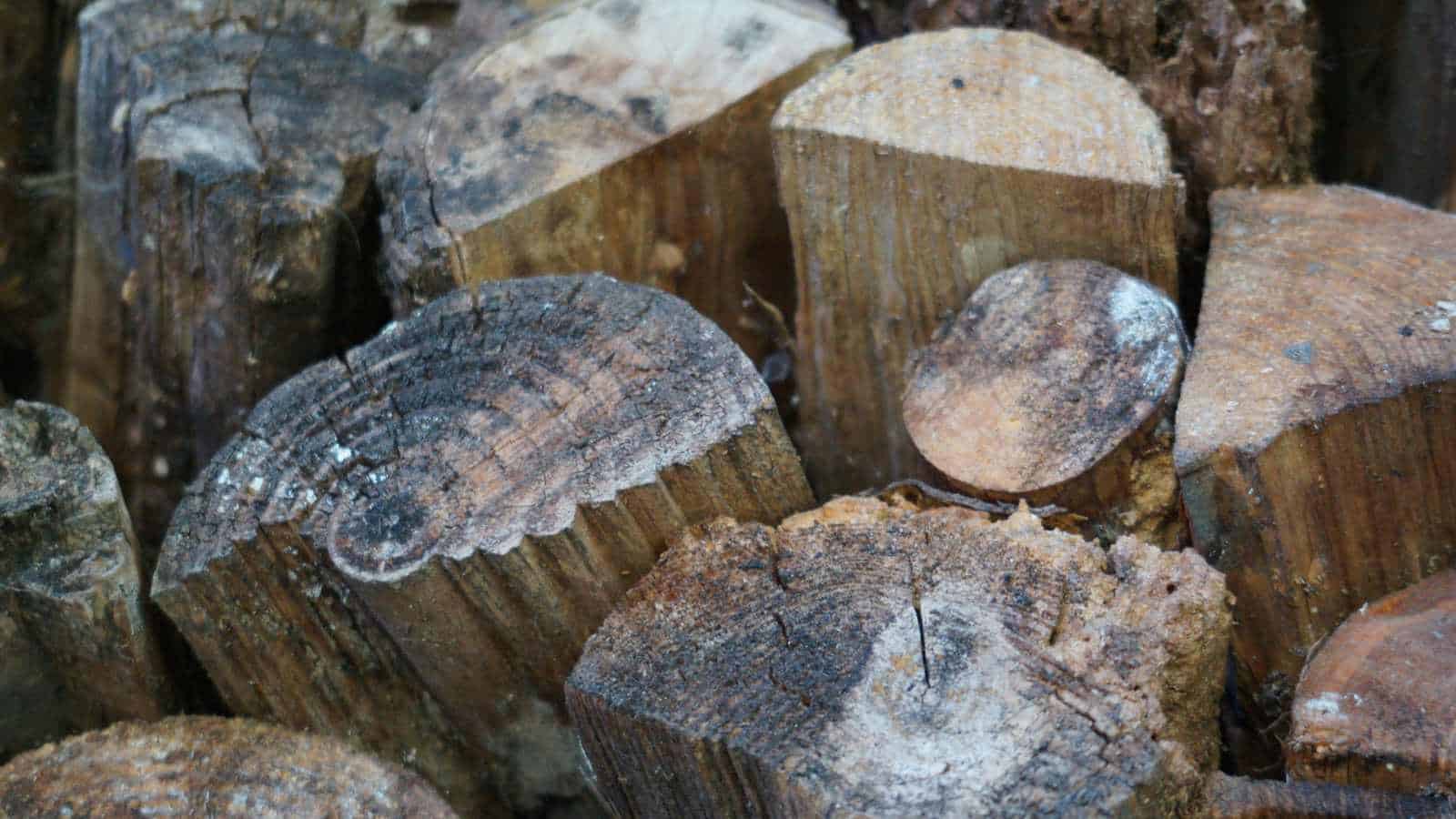
Even untreated logs can be a problem if they are green, wet, or moldy. NCCEH notes that wet wood produces significantly more smoke and fine particulate emissions, which leads to heavier creosote buildup in chimneys, increasing the risk of chimney fires.
Burn only seasoned, dry hardwood and never yard waste piles that contain mold, fungus, or damp rot, as these produce dense smoke that aggravates asthma and heart disease.
Coal And Charcoal In A Wood Fireplace
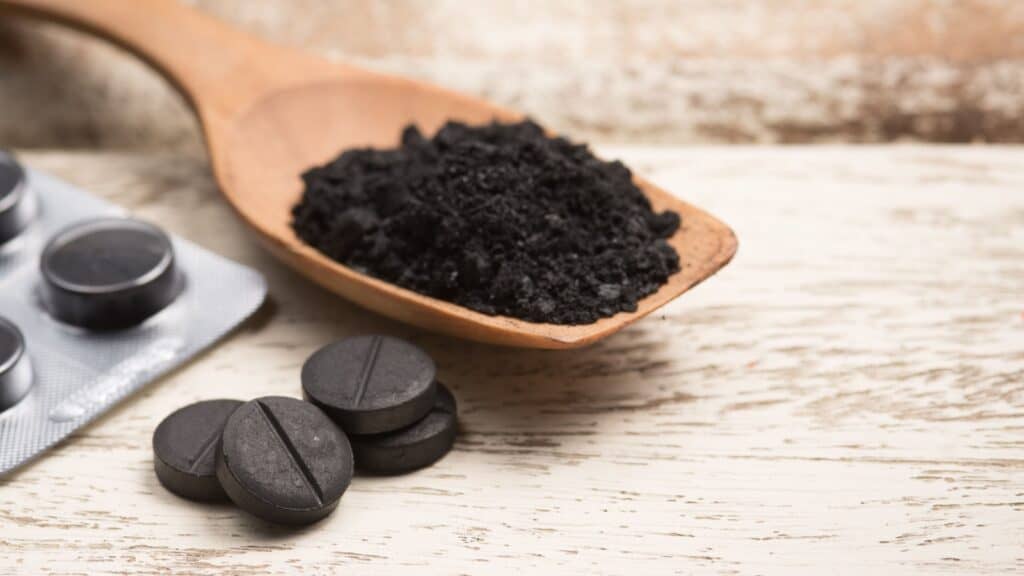
Coal and barbecue charcoal are designed for specific appliances and burn much hotter than cordwood. Burning coal or charcoal in a traditional wood fireplace or stove can raise temperatures beyond what the firebox and chimney are designed to withstand, potentially cracking liners and masonry and significantly increasing fire risk.
These fuels also produce more carbon monoxide than seasoned wood, so using them indoors without equipment designed and vented for coal is especially hazardous.
Dryer Lint And Fabric Scraps

Dryer lint is a popular DIY fire starter online, but chimney sweeps warn that burned lint can release chemicals from synthetic fibers, detergents, and fabric softeners into your home and flue.
Some lint and fabric pieces can also smolder and float upward, increasing the chance of starting a chimney or roof fire if they reach creosote deposits or dry debris. Fire professionals recommend using commercially made fire starters or dry kindling instead.
Old Candles, Air Freshener Blocks and Scented Products
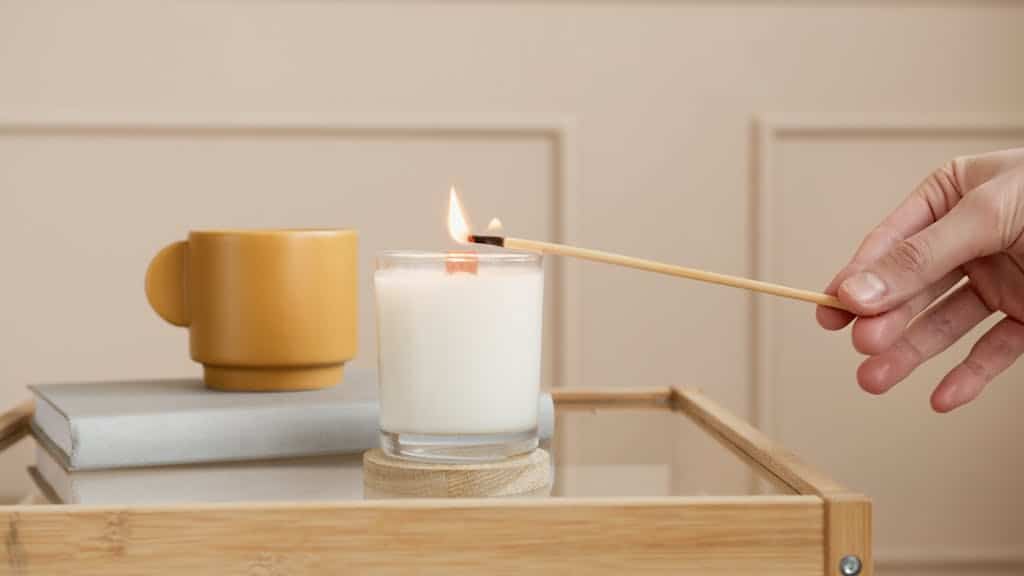
Throwing leftover candles, wax melts, or air freshener blocks into a fireplace might seem like a way to use them up. Many of these products contain synthetic fragrances, dyes, and petroleum-based waxes that release irritating or toxic compounds when burned openly.
Earth.com notes that burning scented products outside the conditions for which they were designed can contribute to indoor smoke and volatile organic compounds, which worsen respiratory and cardiovascular issues.
Aerosol Cans And Pressurized Containers

Empty aerosol cans appear to be metal cylinders that will simply burn off paint. Fire services warn that even “empty” cans often contain residual propellant or product and can explode in a fire, sending shrapnel flying and potentially cracking fireplace glass or injuring people nearby.
Aerosol cans are hazardous waste and should never be burned in household fires due to the risk of explosions and toxic fumes from their contents and coatings.
Old Batteries, Electronics, And Cables
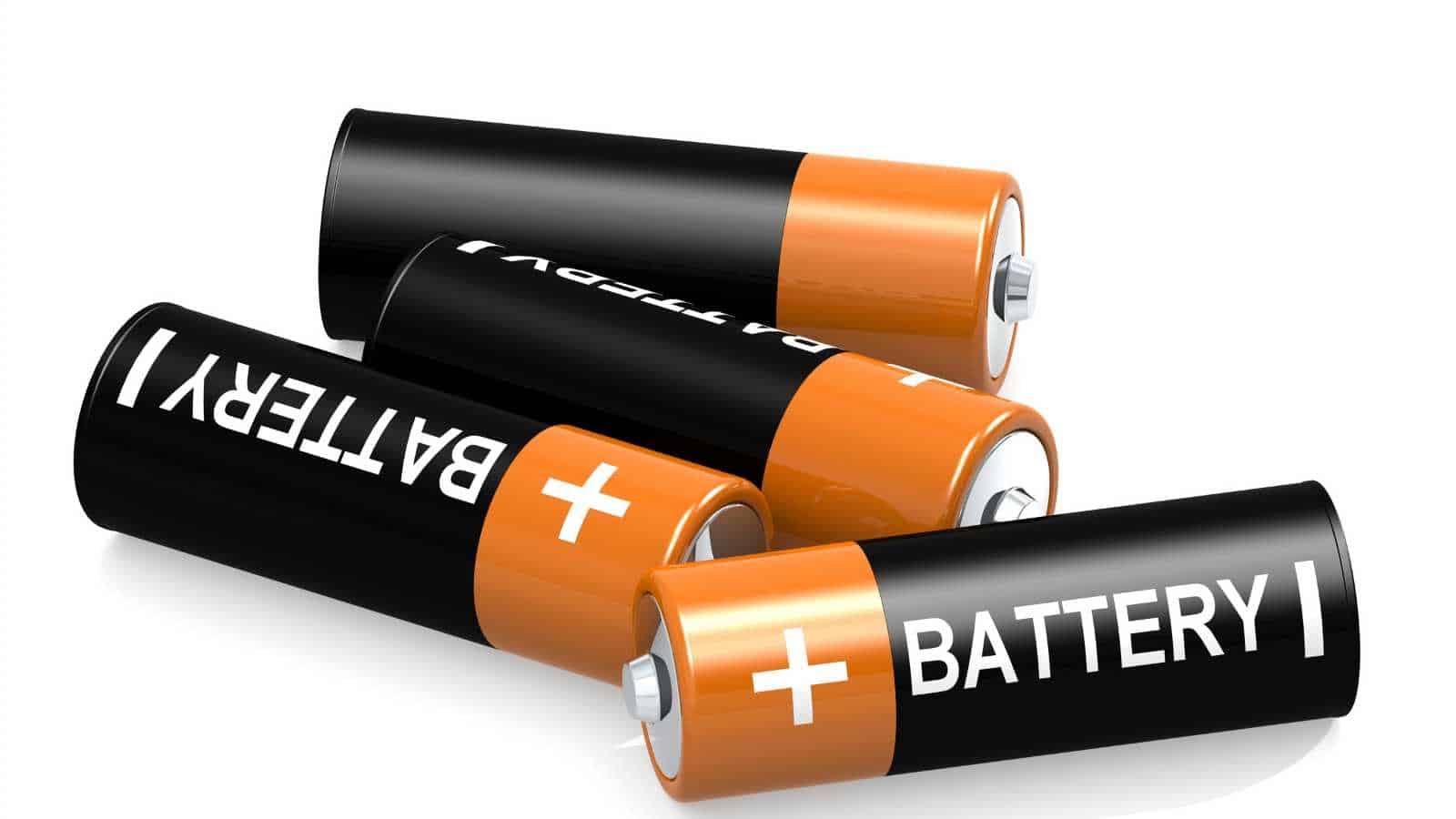
Burning old phone chargers, broken electronics, or dead batteries in a backyard barrel or fire pit is extremely dangerous. These items commonly contain metals such as lead, cadmium, and lithium, as well as plastics that release toxic smoke when burned.
Fires involving electronics and batteries can also flare violently or explode, leaving behind ash that contaminates soil and groundwater. Used electronics are meant for recycling programs, not the fire extension.
Painted Or Varnished Furniture Scraps

When people cut up old furniture to burn, they may not realize that paint and varnish can release harmful chemicals into the flames. Fireplace guides group these finishes with other treated woods and warn that their additives become airborne toxins and can damage chimneys and metal components.
The EPA also advises homeowners never to burn painted or pressure-treated wood in stoves or fireplaces, and to dispose of furniture through proper waste or recycling channels instead.
Most residential fires start with ordinary activities like cooking, heating, and open burning that get just a little out of control. Meanwhile, agencies like the EPA and state environmental departments are clear that burning trash, plastics, and treated materials is bad for both your health and your neighborhood’s air and soil.
If you want the look and warmth of a fire stick to seasoned dry wood in approved appliances, keep combustibles away from heat sources, and treat your fireplace or firepit as a specialized tool, not a general-purpose incinerator. That simple shift keeps your home safer and prevents turning “free fuel” into a toxic, expensive mistake.
Disclosure line: This article was developed with the assistance of AI and was subsequently reviewed, revised, and approved by our editorial team.
20 Odd American Traditions That Confuse the Rest of the World

20 Odd American Traditions That Confuse the Rest of the World
It’s no surprise that cultures worldwide have their own unique customs and traditions, but some of America’s most beloved habits can seem downright strange to outsiders.
Many American traditions may seem odd or even bizarre to people from other countries. Here are twenty of the strangest American traditions that confuse the rest of the world.
20 of the Worst American Tourist Attractions, Ranked in Order

20 of the Worst American Tourist Attractions, Ranked in Order
If you’ve found yourself here, it’s likely because you’re on a noble quest for the worst of the worst—the crème de la crème of the most underwhelming and downright disappointing tourist traps America offers. Maybe you’re looking to avoid common pitfalls, or perhaps just a connoisseur of the hilariously bad.
Whatever the reason, here is a list that’s sure to entertain, if not educate. Hold onto the hats and explore the ranking, in sequential order, of the 20 worst American tourist attractions.