12 Places Where It’s Best Not to Share Your Social Security Number
Your Social Security number isn’t just nine random digits — it’s the skeleton key to your financial life.
In 2024, the Federal Trade Commission reported that Americans lost a staggering $12.7 billion to fraud and identity theft, with more than 1.1 million identity theft complaints filed nationwide. That’s not just a statistic; it’s like the entire population of Dallas suddenly realizing someone else is spending their money.
And here’s the kicker: most of these losses didn’t come from Hollywood‑style hackers in dark basements, but from everyday slip‑ups, handing over your SSN where you didn’t really need to. The problem hasn’t gone away; it’s just evolving. So, let’s talk about where you should absolutely keep that little number to yourself. After all, it’s 2025, and being cautious about sharing your SSN is more important than ever!
Job Application
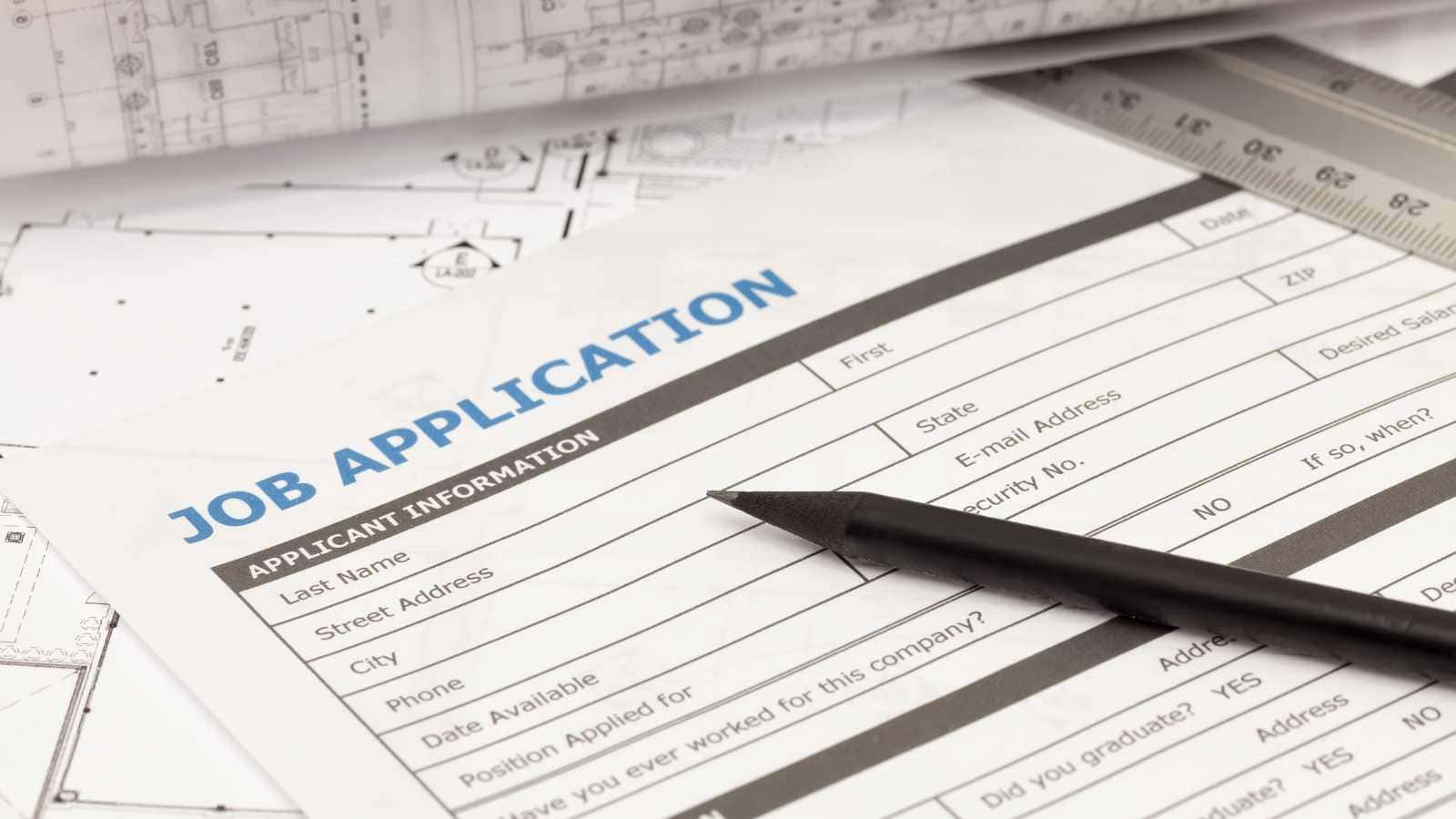
We get it, you’re excited about landing that dream job. But don’t let the excitement rush you into sharing your SSN too soon. A 2022 study by the National Cyber Security Alliance found that 60% of identity theft victims had their SSNs compromised during the job application process.
Legitimate employers won’t ask for your number until you’ve been hired and are undergoing a background check. Keep it tucked away until you’re officially in the door. Protect your number and keep it secure during the hiring process.
Social Media
In the age of oversharing, you might be tempted to post everything on social media, but sharing your SSN is a definite no-go. A report by the Identity Theft Resource Center found that identity theft rose by nearly 20% due to unsecured online data. Posting your SSN is like leaving your wallet wide open in Times Square; it’s an open invitation for trouble.
Think about it: even with privacy settings in place, social media platforms are still vulnerable to hackers. It only takes one bad actor to exploit your info. Keep your digits locked down, don’t let it make its way into your feed.
Unknown Websites
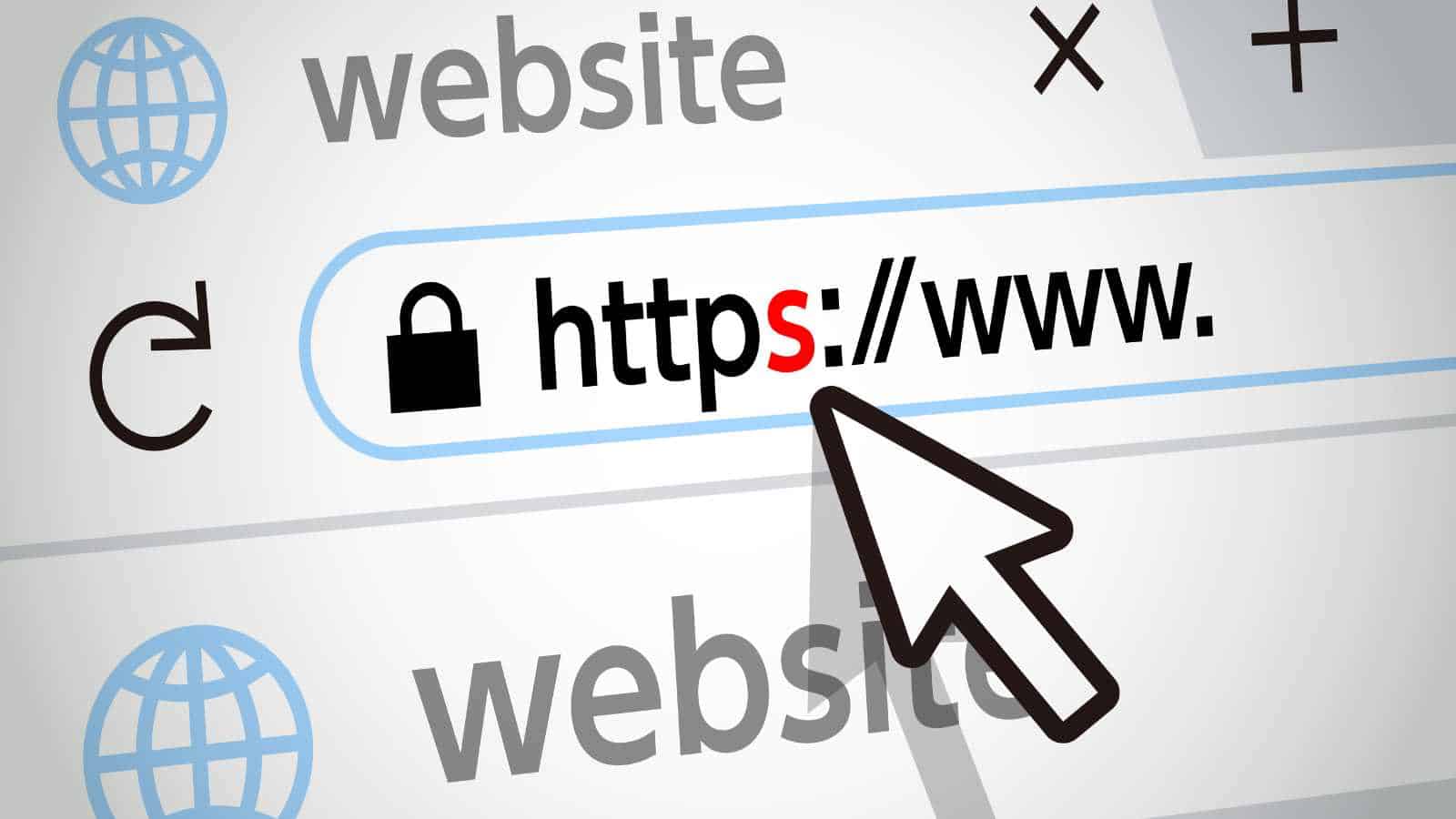
That tempting deal on a random website might make you want to enter your SSN, but don’t fall for it. The Better Business Bureau reported that 30% of fraud complaints came from online transactions on unsecured websites. You wouldn’t walk into a shady store and give away your credit card details, so don’t do it online either.
The rule is simple: if the website’s URL doesn’t have HTTPS (the ‘S’ means secure), don’t risk it. Check reviews or, better yet, stick to well-known, trustworthy retailers to avoid putting your SSN in the wrong hands.
Over the Phone with Unknown Callers

You’ve probably received a call claiming to be from your bank or the IRS, asking for your SSN to “verify” your account. But here’s the thing: scammers are masters at spoofing caller IDs to make their calls look legitimate. Phone scams led to over $1.3 billion in losses, according to the Federal Trade Commission.
If the call seems suspicious or unexpected, hang up immediately. Call back using an official phone number from their website or billing statement. Don’t give out your SSN to anyone over the phone unless you’re sure it’s legit.
Retail or Online Shopping Sites

You’re shopping online, treating yourself to something nice, but before you hit “purchase,” ask yourself, Why do they need my SSN? Many online retailers request SSNs without a legitimate reason, which puts your personal information at risk. For most purchases, your number isn’t necessary.
If a retailer asks for it during checkout, don’t hesitate to ask why. If the explanation doesn’t make sense, walk away and find a more trustworthy site to complete your order. Don’t feel pressured; your SSN should never be part of your shopping cart.
Public Wi-Fi Networks
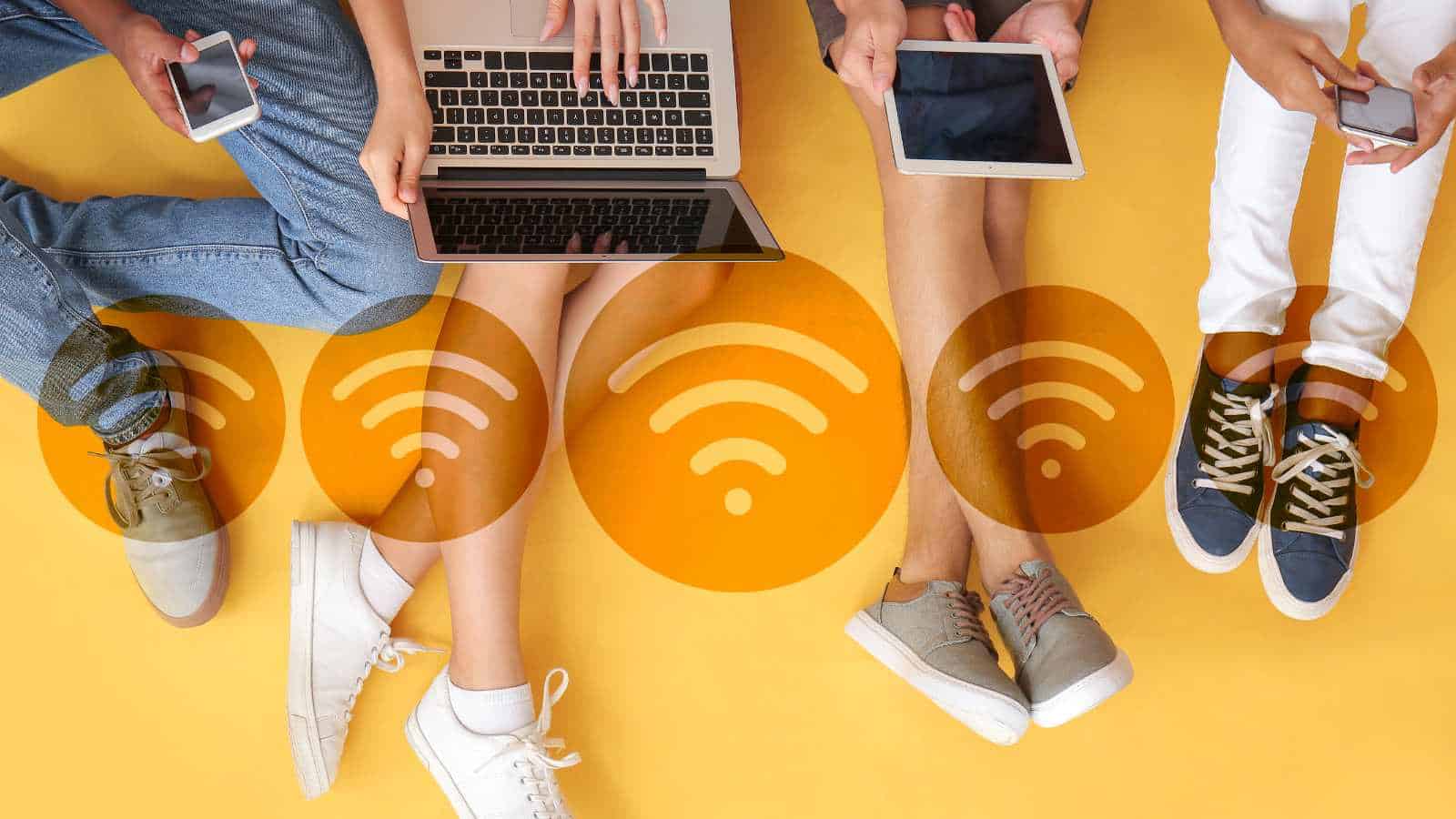
We’ve all been there: grabbing coffee and connecting to free Wi-Fi. But when you’re online using public networks, you’re essentially leaving your SSN wide open for hackers to grab. According to the Cybersecurity and Infrastructure Security Agency, public Wi‑Fi in cafés and airports is a major cybercrime risk.
To protect yourself, use a VPN (Virtual Private Network) to encrypt your connection. It’s like putting a secret password over your data, keeping hackers from snooping on your personal information.
Email or Text Messages
You might think a text from your bank or an email asking for your SSN is legitimate, but don’t be fooled. A report by the Federal Trade Commission (FTC) revealed that email and text scams are among the most common ways fraudsters intercept personal info. These messages can easily be hacked, making them an insecure way to share sensitive data.
Next time you’re asked for your SSN over email or text, just say no. Call the company directly using an official number or use encrypted communication for added security.
Medical Offices

Healthcare providers often request your SSN for insurance purposes, but before handing it over, ask why they need it and if there’s an alternative. Your number is sensitive information, so it’s important to know exactly how it will be used. Always double-check that they truly need it before sharing it.
In many cases, healthcare providers can use your insurance information instead of your SSN. If they do require your SSN, make sure it’s being entered into a secure system. This ensures your personal data is protected and complies with privacy regulations like HIPAA(Health Insurance Portability and Accountability Act).
Contest or Sweepstakes Entries
Who doesn’t love the idea of winning something free? But before you hand over your SSN to enter a contest, ask yourself: Why do they need it? According to the AARP, scammers often use fake contests to steal your personal info, including your SSN.
If a contest seems too good to be true, it probably is. Stick to well-known, reputable sources and never provide your SSN unless you’re sure the contest is legitimate.
Rental Applications
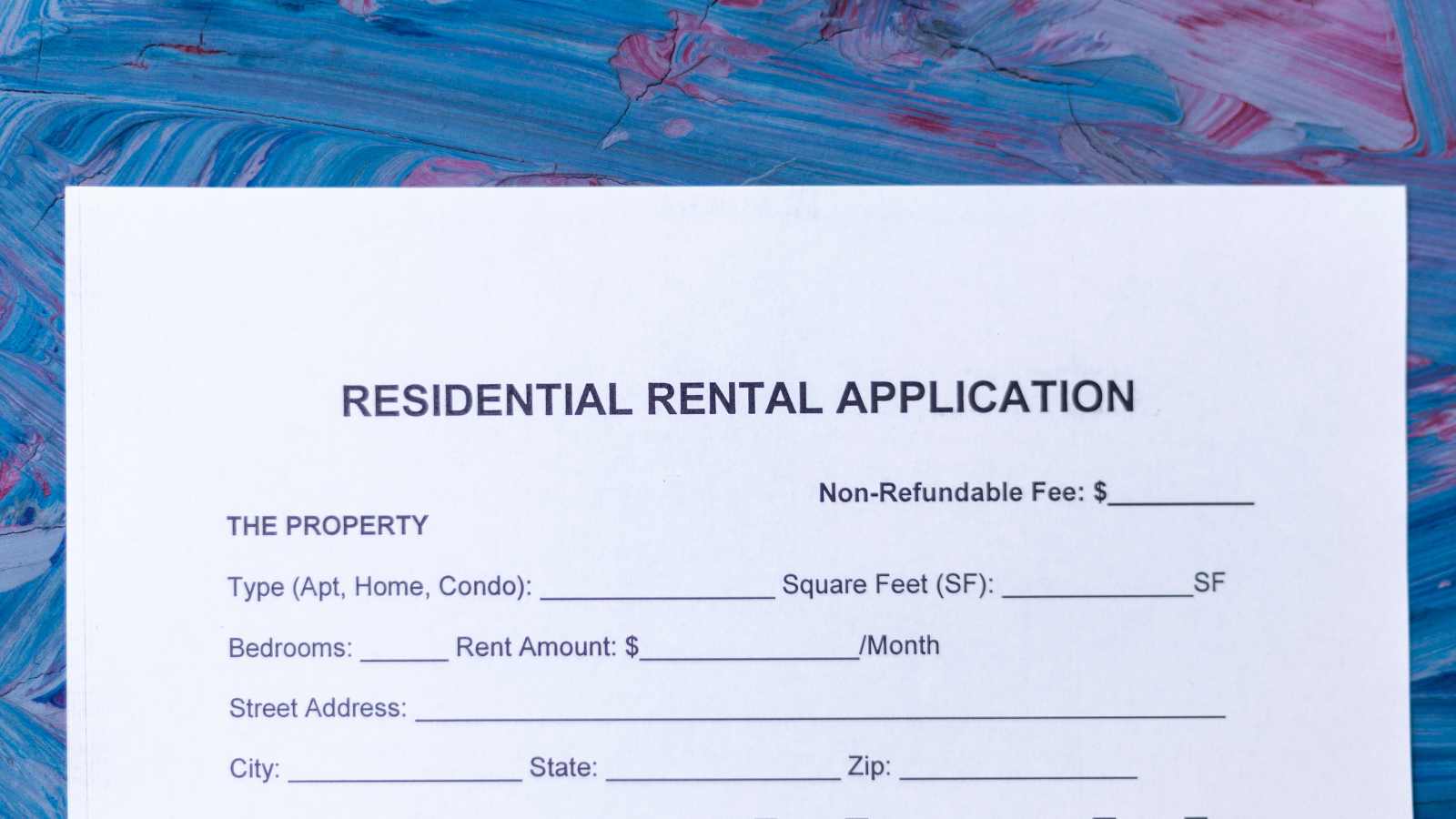
Looking for a new place to live? It’s easy to get caught up in the excitement, but don’t hand over your SSN too soon. Many landlords ask for it early in the process, which could leave you vulnerable to identity theft.
Most landlords don’t actually need your number until after you’ve been approved. Instead, ask if they can use another form of ID, like your driver’s license, before sharing your SSN. Keep your personal information secure by waiting until it’s absolutely necessary.
Charities
It’s great to donate to causes you care about, but don’t let scammers take advantage of your generosity. According to the Charity Navigator report, legitimate charities do not need your Social Security number to accept a donation, and any request for it in a donation context is a strong sign of fraud.
Before donating, do your homework. Stick to reputable charities, and never give out your SSN unless absolutely necessary for the donation process.
In Person with Strangers

If a stranger approaches you in person and asks for your SSN—whether it’s for a “verification” or some other reason, something is off. Many identity theft cases begin with scammers requesting personal data in person through social engineering tactics.
If it doesn’t feel right, walk away. Trust your instincts and never share your SSN with someone who can’t explain exactly why they need it.
Key Takeaways

Your Social Security Number (SSN) is a critical piece of personal information and should be treated with caution. It’s essential to protect it from identity theft by being mindful of where and when you share it. Always ask yourself whether it’s absolutely necessary to provide your SSN and whether the situation is legitimate before handing it over.
When engaging with retailers, healthcare providers, or even potential employers, it’s important to remember that your SSN is not required in most situations. For instance, many online stores or job applications don’t need your SSN during the initial process, and healthcare providers can usually use your insurance details instead. If you’re ever asked for it, don’t hesitate to inquire why it’s needed and consider alternative forms of identification.
Always stay cautious about unsolicited requests for your SSN, especially over the phone, online, or in public spaces. Scammers and fraudsters often exploit these opportunities to steal your identity. By staying vigilant, asking questions, and using common sense, you can keep your SSN safe and reduce the risk of identity theft.
Disclosure line: This article was developed with the assistance of AI and was subsequently reviewed, revised, and approved by our editorial team.
20 Odd American Traditions That Confuse the Rest of the World

20 Odd American Traditions That Confuse the Rest of the World
It’s no surprise that cultures worldwide have their own unique customs and traditions, but some of America’s most beloved habits can seem downright strange to outsiders.
Many American traditions may seem odd or even bizarre to people from other countries. Here are twenty of the strangest American traditions that confuse the rest of the world.
20 of the Worst American Tourist Attractions, Ranked in Order

20 of the Worst American Tourist Attractions, Ranked in Order
If you’ve found yourself here, it’s likely because you’re on a noble quest for the worst of the worst—the crème de la crème of the most underwhelming and downright disappointing tourist traps America offers. Maybe you’re looking to avoid common pitfalls, or perhaps just a connoisseur of the hilariously bad.
Whatever the reason, here is a list that’s sure to entertain, if not educate. Hold onto the hats and explore the ranking, in sequential order, of the 20 worst American tourist attractions.