12 popular states that may not be as retirement-friendly as they seem
Retirement should make life easier—not turn everyday living into a second full-time job.
A state can look like retirement paradise when you’re picturing beaches, mountains, warm winters, or a lower cost of living. But the calculation can change dramatically once you factor in property taxes, insurance premiums, access to doctors, extreme weather, transportation, housing costs, and how far you’ll have to travel for the things you need.
That’s why some places that look wonderful on vacation can become much more complicated places to grow old.
Major retirement rankings don’t always agree about which states are best or worst—and that’s actually useful. Different studies weigh affordability, health care, taxes, quality of life, weather, and senior services differently because the things that make retirement difficult aren’t the same for everyone.
For someone living primarily on Social Security, affordability may dominate the decision. Someone managing a chronic illness may care far more about doctors and hospitals. And a healthy 65-year-old who happily drives everywhere may feel very differently about that choice at 80.
No state on this list is inherently a bad place to live or retire. But these destinations come with tradeoffs that could make retirement more expensive, difficult, or demanding than you expected.
California demands deep savings

California offers iconic coastlines, world-class culture, ideal weather, and premier medical hubs. Yet housing costs gobble up monthly budgets long before taxes, insurance, transit, and daily care enter the equation. Gridlock traffic drains time and energy from medical visits and family trips alike.
Moving toward smaller inland towns offers temporary relief, but prices there climb fast too. Many seniors discover that keeping up with this coveted lifestyle taxes their financial stamina beyond safe limits. As state financial analysts reveal, temporary test rentals expose how fast these hidden expenses compound into budget-breaking traps.
Louisiana brings added risks

Louisiana can look lively, warm, and budget-friendly at first glance, but the full retirement picture feels far less festive. Louisiana ranked 50th overall in the Bankrate 2025 Retirement Study released on July 21, 2025. Severe storm exposure complicates insurance shopping and threatens long-term homeownership.
Seniors must spend valuable time comparing complex policies, planning emergency evacuations, and locating dependable care facilities. That continuous extra work quickly drains the region’s easygoing appeal. A lower initial home price instantly loses its sparkle when elevated risks and reduced access create new unexpected bills.
Florida comes with exposure
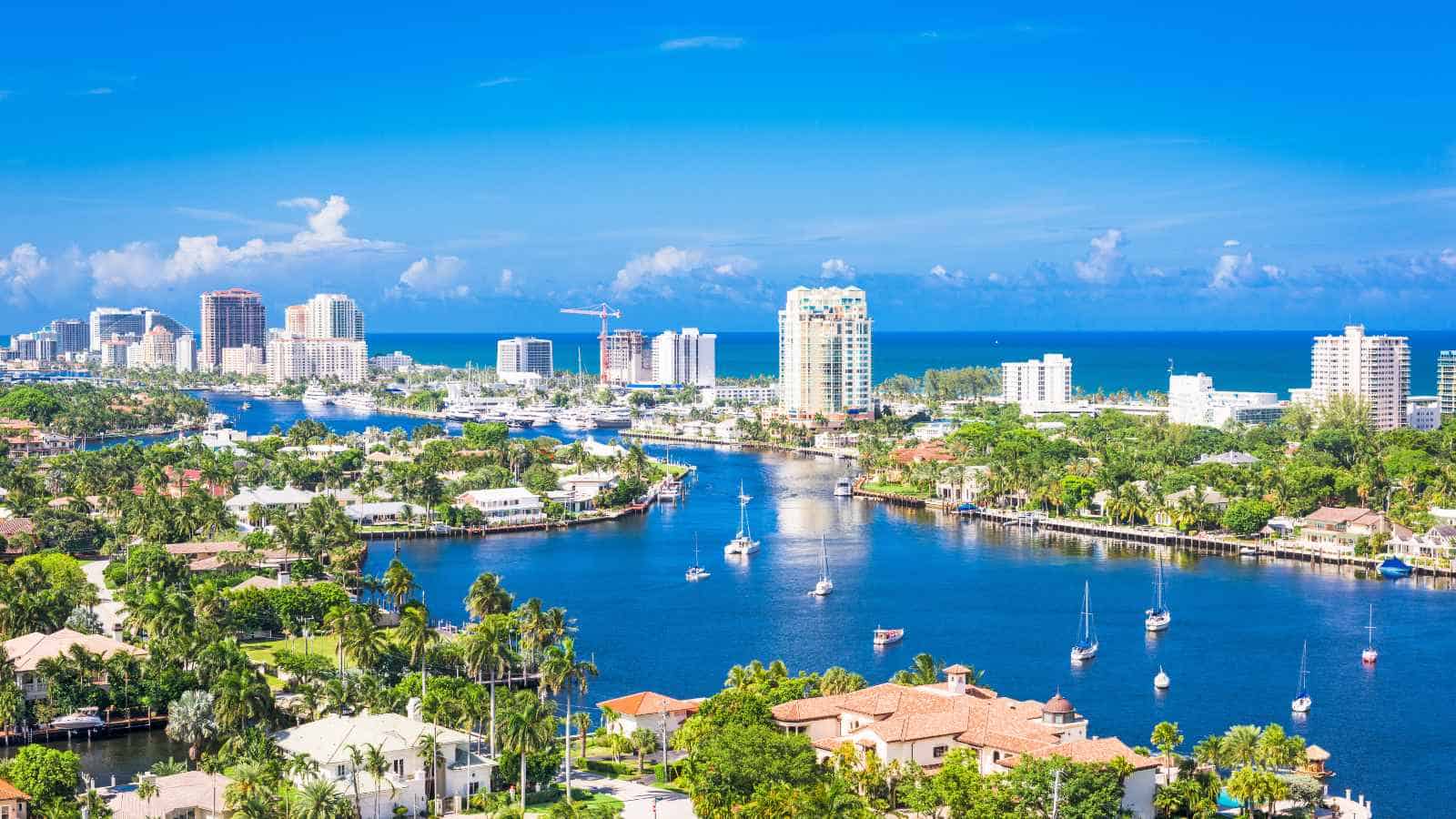
Florida still draws retirees with warm sunshine, zero state income tax, and sprawling senior communities. Yet severe climate risk now sits directly beside every beach brochure. Hurricanes and tropical storms constantly threaten coastal properties, making evacuation planning and seasonal traffic jams part of daily life.
Extreme summer heat forces many residents indoors, while home insurance premiums and complex flood policies quietly erode tight retirement budgets. Disrupted power grids during severe weather endanger seniors who rely on specialized medical care or powered equipment. Knowing these realities changes how prospective buyers evaluate paradise.
New Jersey strains budgets

New Jersey delivers sandy beaches, cultural landmarks, major airports, and highly respected medical systems. It also demands that retirees bring a sturdy wallet. Analysis from Seniorly shows New Jersey is ranked as the worst state for retirement, driven heavily by a high cost of living, top-tier income taxes, and health findings showing that 65% of older residents live with three or more chronic conditions.
Soaring housing prices, heavy property taxes, and everyday bills quickly drain fixed incomes. Congested highways and dense suburban sprawl turn quick errands into tiring ordeals. While deep roots or substantial wealth make staying viable, hidden costs ruin the appeal. A brief trial visit quickly unveils the harsh monthly burden waiting beneath the surface.
Texas requires careful research

Texas offers vast space, sunshine, and zero state income tax, yet these perks rarely erase every retirement stress point. Surging property taxes and rising home insurance rates quickly shock unsuspecting newcomers who expect total financial relief.
Beyond the balance sheet, sprawling highway networks make routine doctor visits and grocery trips feel like exhausting, hours-long projects, especially far from big metros. Smart retirees evaluate exact county tax structures, local hospital access, and neighborhood housing costs before loading the moving truck. A simple one-month trial stay reliably uncovers these hidden daily driving burdens.
Hawaii carries a premium

Hawaii sells the dream with ocean views, soft trade winds, and outdoor beauty. Paradise still sends a very large bill. A report highlighted by Hawaii Public Radio shows Retirement Living gave Hawaii an overall score of 33.9 out of 100 in 2025, ranking it as the worst state in the nation for retirement.
Imported goods, housing, utilities, and interisland travel can stretch a retirement budget. Specialized treatment may require extra flights for some residents. Family visits from the mainland also take time and money. Seniors who love the islands may accept those trade-offs, but many will question the value once routine costs pile up. A long visit before moving can reveal the true rhythm of expenses.
New Mexico varies widely

New Mexico pulls newcomers in with striking sun-drenched landscapes, vibrant culture, and housing costs that undercut its Western neighbors. Yet, that initial affordability can quickly fade when support needs grow. Vast rural distances separate homes from specialist clinics, rehab centers, and urgent care.
Safety also fluctuates sharply from block to block, making targeted local research essential before puting down roots. Meanwhile, intense high-altitude heat frequently catches retirees off guard, aggravating underlying health conditions. Real value relies on choosing a town with nearby services. A short trial stay reveals the truth.
Alaska complicates medical care
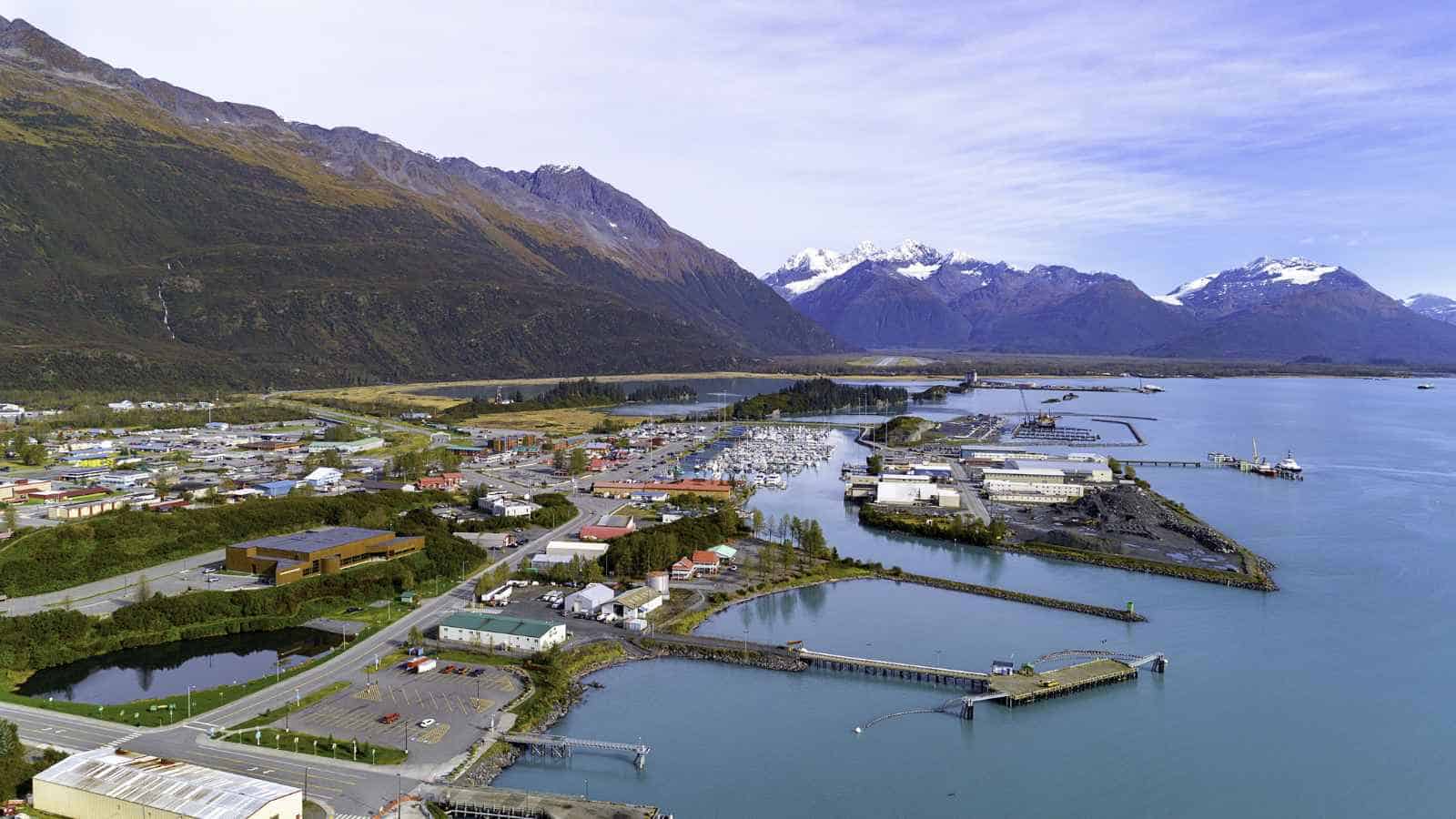
Alaska offers dramatic scenery, tax advantages, and a strong sense of adventure. It also makes aging logistics unusually demanding. As reported by Kiplinger in 2026, Alaska remained the sole state where individual Medicare Advantage plans are completely unavailable for general enrollment. Vast distances and thin provider networks can limit choices for specialty care.
Winter darkness, icy surfaces, and high travel costs add another layer of effort. Anchorage and Juneau provide more services than remote communities, but they cannot erase every gap. Seniors who value easy access to family and doctors may find the frontier price too high. That reality deserves serious thought.
Massachusetts costs add up

Massachusetts surrounds retirees with world-class medical centers, walkable historic districts, and deep cultural roots. Yet, living here demands one of the steepest cost structures in the nation. Soaring home prices near Boston and along the coastline drive much of this harsh reality, while freezing winters add heavy heating bills and travel hurdles.
Solo retirees quickly discover that top-tier care carries relentless financial pressure. Nearby relatives can ease those burdens, but solo seniors must confront the harsh trade-off between incredible quality of life and shrinking savings before making a move.
Arkansas limits easy access

Arkansas appeals with gentle scenery, modest housing costs, and a slower pace. Health-system performance weakens the bargain. Arkansas ranks 48th out of 50 states and Washington, D.C., in The Commonwealth Fund’s 2025 Scorecard on State Health System Performance. Rural residents may face longer drives for specialists, dental care, and follow-up visits.
Limited transit can make those trips harder after someone stops driving. Low costs still help many retirees. Yet seniors who expect frequent medical care may spend their savings, time, and energy chasing services. A trial stay near a chosen hospital can clarify the trade.
Kentucky finishes near the bottom

Kentucky finishes near the national bottom ranks for senior healthcare, warning retirees to look past low costs. The state showcases rolling horse country, welcoming towns, and cheap living. Yet, rural drives turn essential specialist visits and basic errands into lengthy trips.
Though select cities maintain modern hospitals and vibrant culture, local care varies drastically by county. Seniors often adore the peaceful pace and scenic views, but wise buyers cross-check medical networks, transit, safety, and family access first. Testing a neighborhood with a trial stay secures a safe transition.
West Virginia poses health hurdles
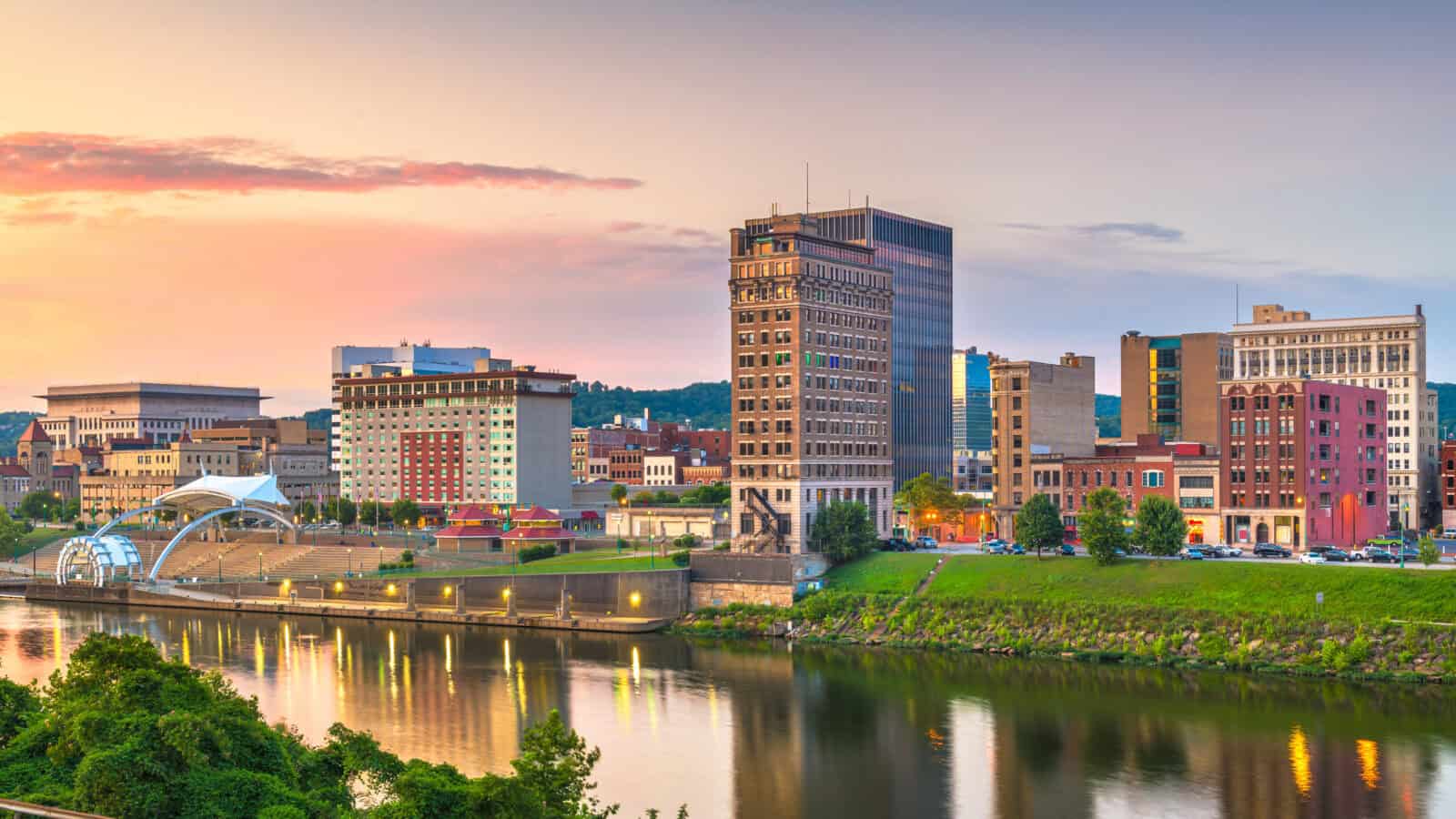
West Virginia can stretch a housing budget and reward nature lovers with mountain views. Health and access measures tell a tougher story. West Virginia ranked 48th overall for senior health in the America’s Health Rankings 2025 Senior Report, placing it among the least healthy states for older adults.
Steep terrain and scattered communities can complicate mobility and routine appointments. Strong family networks may offset some gaps. Retirees moving in without local support should test daily life first, because affordability alone cannot guarantee an easy later life. A trial stay can reveal those daily hurdles.
Key takeaway

A sunny forecast or low home price cannot carry an entire retirement plan. Seniors need to compare housing, insurance, taxes, medical networks, transportation, climate risk, and distance from loved ones at the neighborhood level. Statewide rankings offer a useful warning light, but they never replace a personal budget or a trial stay.
Spend time in the area during its hardest season, not just its prettiest month. Test the drive to a hospital, grocery store, pharmacy, and airport. Price home coverage before making an offer. The best retirement destination should protect energy, independence, and peace of mind instead of demanding constant financial and logistical work.
You may also want to read:
- Americans are still planning to retire, but retirement math feels more fragile in 2026
- Why Americans are refusing to adopt traditional retirement plans: 12 forward-thinking reasons
- Why retirement planning is making so many Americans lose sleep at night