12 practices of the early church that modern churches stopped
Modern churches often measure success by attendance and programs, but the earliest Christians measured it by daily sacrifice, shared lives, and radical commitment.
The early Christian church looked vastly different from the polished Sunday services we attend today because it focused on community survival. They didn’t have massive buildings or light shows, but they possessed a fire that turned the Roman Empire upside down. Their gatherings were raw, intimate, and dangerous, requiring a level of commitment that would shock the average modern believer. They lived their faith every single day rather than just visiting it for an hour on the weekend.
Somewhere along the line, we traded their radical lifestyle for comfortable pews and predictable programs that demand very little from us. We exchanged the power of deep, sacrificial relationships for the convenience of belonging to a large, anonymous crowd. It is fascinating to look back and see just how much we have drifted from the original blueprint set by the apostles. Returning to these ancient roots might be exactly what we need to wake up a sleeping culture.
Meeting In Homes

The first believers didn’t have dedicated sanctuaries, so they gathered in living rooms where everyone knew each other’s names and struggles. This intimate setting made it impossible to hide in the back row or slip out early without anyone noticing. You were forced to engage with real people and deal with messy lives rather than just consuming a religious product.
Today, we build massive auditoriums that separate the pulpit from the people, creating a spectator environment. We have lost the accountability that comes from looking someone in the eye across a dinner table. Recent ChurchTrac data shows that only 20% of Americans now attend church weekly, down from 32% in 2000, suggesting our big buildings are losing their appeal.
The Love Feast

Early Christians shared a full meal called the Agape Feast whenever they gathered, serving both as communion and as a way to feed the hungry. This wasn’t a tiny cracker and a sip of juice, but a hearty dinner where the rich and poor ate from the same table. It shattered social barriers and proved that everyone was equal in the eyes of God.
Modern communion has become a somber, solitary ritual that we rush through to get to the preaching. We stripped away the joy of eating together and turned a celebration of unity into a private religious moment. Bringing back real meals could solve the loneliness crisis that plagues so many of our congregations.
Communal Living

Acts 2 describes a community where believers sold their property and possessions to give to anyone who had need. They didn’t just tip God ten percent; they viewed everything they owned as resources for the family of God. This radical generosity meant that no one in their community went to bed hungry or struggled to pay bills alone.
We now grip our bank accounts tightly and view our finances as a private matter that the church shouldn’t touch. The idea of selling a second car to help a church member pay rent sounds insane to most of us. Statistics from 2024 Giving USA reveal that Americans gave $592.5 billion to charity, yet many churches still struggle to meet basic needs within their own walls.
Participatory Worship

In the early church, everyone came prepared to contribute a song, a teaching, or a revelation for the group. There wasn’t a celebrity worship leader or a stage where a few professionals performed for a passive audience. The gathering belonged to the people, and the Holy Spirit moved through the entire body rather than just one leader.
We have professionalized worship to the point where we stand in the dark and watch a concert every Sunday morning. If the band isn’t perfect or the sound mix is off, we complain on the ride home. We need to relearn that worship is something we do, not something we watch others do for us.
Non-Professional Clergy
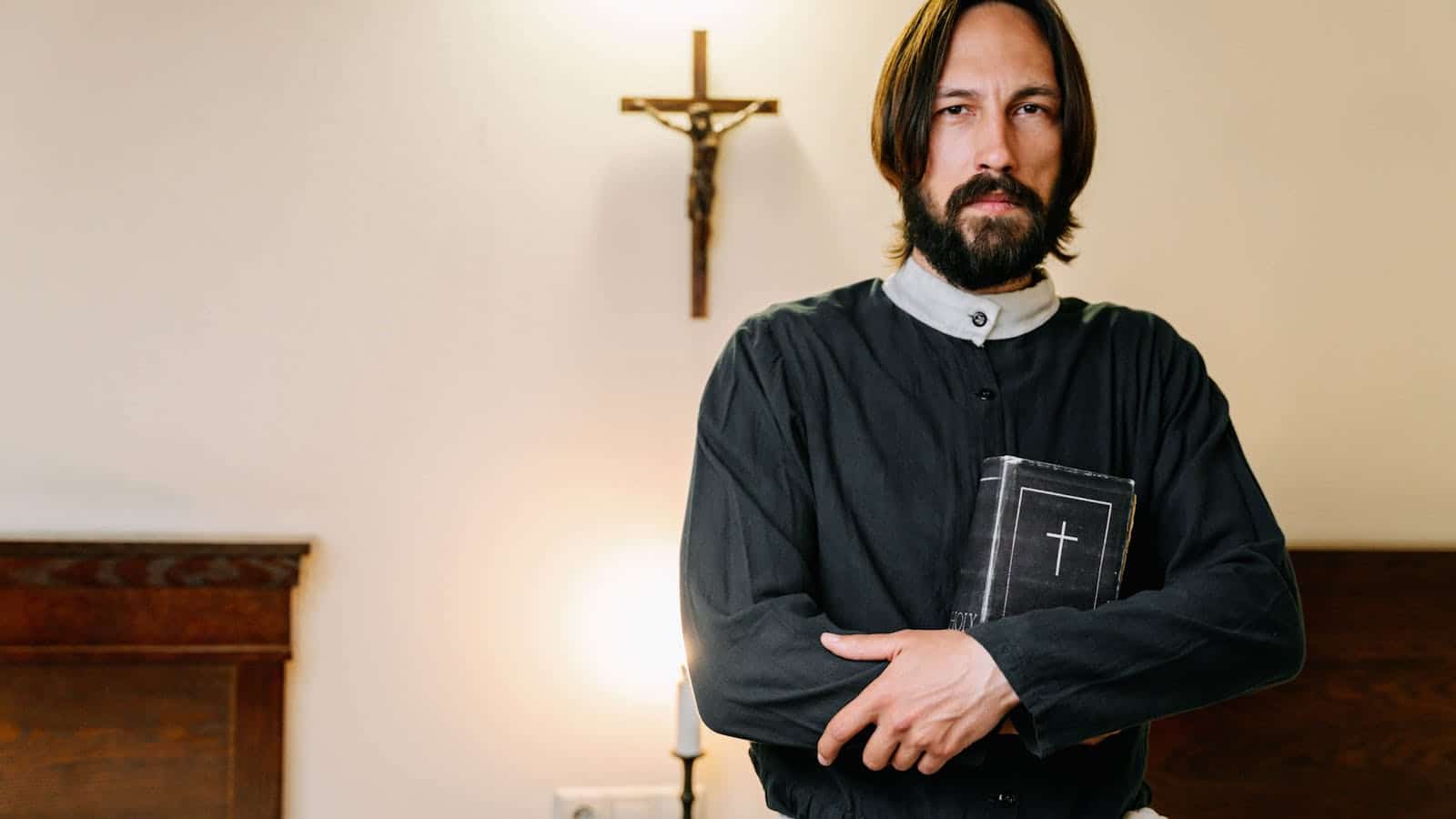
Local leaders in the first century were often regular people with jobs who shepherded the flock without a salary. They were chosen for their character and maturity rather than their seminary degrees or public speaking skills. Leadership was a burden to be carried for the sake of others, not a career path to fame.
We have created a class of professional Christians who are expected to do all the spiritual heavy lifting. This structure fosters passivity among the laity and causes massive burnout among pastors. According to a 2025 Gallup poll, only 30% of Americans rate the honesty and ethics of clergy highly, indicating a serious crisis of trust.
Discipleship Over Membership

You didn’t just join the early church by signing a card; you entered a rigorous process of learning and lifestyle change. They took the command to make disciples literally and spent years training new believers before they were considered full members. Faith was an apprenticeship in which you learned to live like Jesus by watching an older believer do so.
Modern churches obsess over growing their membership rolls, often at the expense of actual spiritual depth. We lower the bar to get people in the door and then wonder why they leave when life gets hard. The drop in practicing Christians from 46% to just 24% in the last 25 years proves that wide doors often lead to shallow roots.
Strict Discipline

If you lived in unrepentant sin in the early church, the community would lovingly but firmly remove you from the fellowship. They understood that a little leaven affects the whole dough, and they valued the purity of the body above feelings. This wasn’t about being mean; it was about saving the sinner’s soul and protecting the church’s witness.
Today we are so afraid of offending anyone that we tolerate almost anything within our congregations. We confuse love with permissiveness and allow toxic behavior to fester until it destroys communities. True love sometimes requires the hard work of confrontation, a practice we have almost completely abandoned.
Pacifism

For the first three centuries, Christians famously refused to join the Roman army or engage in violence of any kind. They believed that Jesus’ command to love their enemies meant they could not kill them, even for the state. They were willing to die for their faith, but they absolutely refused to kill for their country.
Most modern churches have fully aligned themselves with national interests and military power. We often struggle to distinguish between patriotism and the Kingdom of God, blending the cross with the flag. This shift has compromised our ability to be a prophetic voice for peace in a violent world.
Baptism On Belief
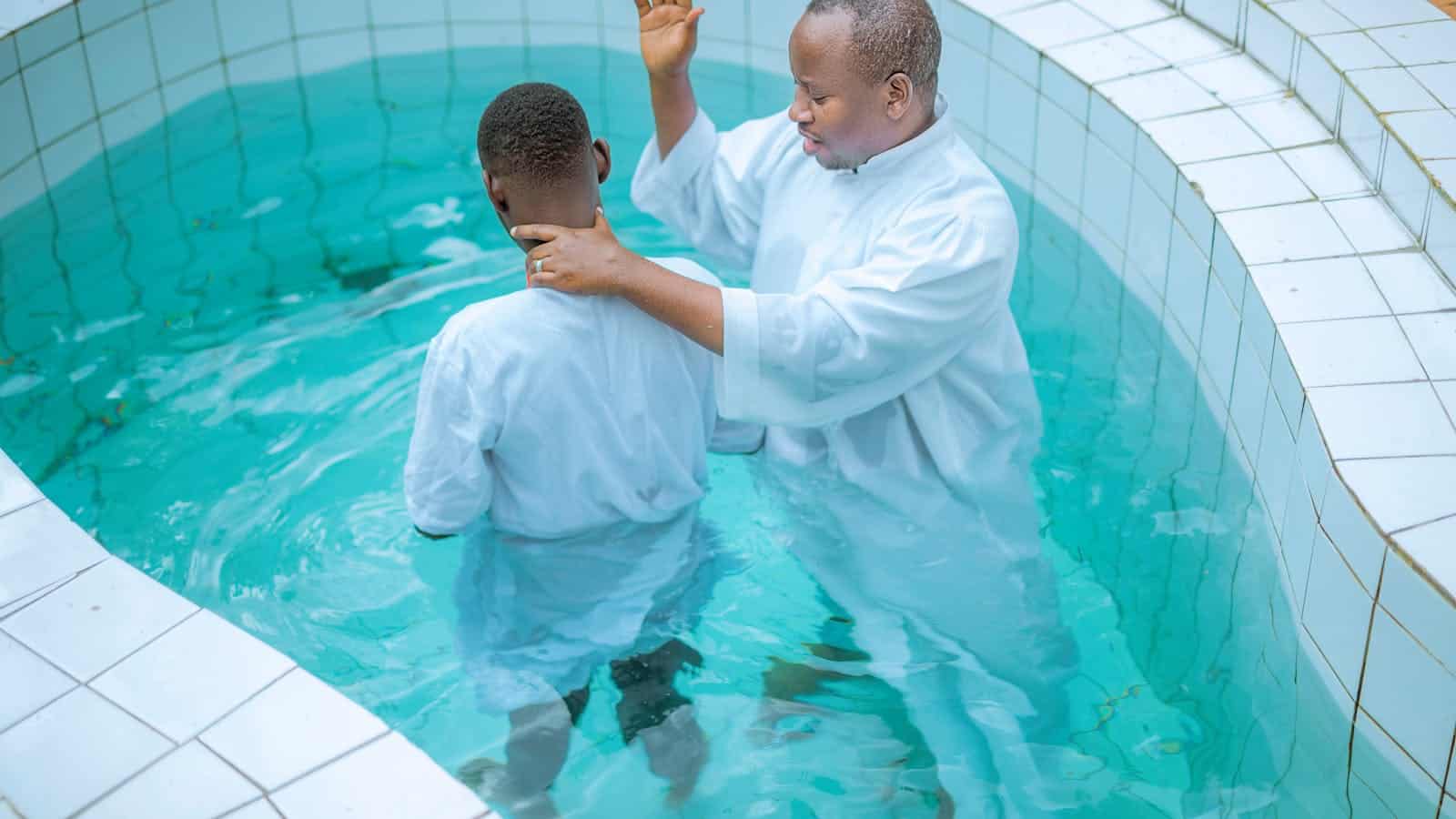
In the New Testament, baptism happened immediately after someone confessed their faith, often in the middle of the night. It wasn’t a scheduled monthly family photo op; it was an urgent response to salvation. They didn’t wait for a catechism class; they went to the nearest river because they understood the spiritual weight of the act.
We have turned baptism into a graduation ceremony that happens only when it is convenient for the church calendar. We delay obedience to manage logistics, robbing the moment of its apostolic urgency. Recovering the immediacy of baptism could restore the sense of awe that should accompany a new life in Christ.
Daily Communion
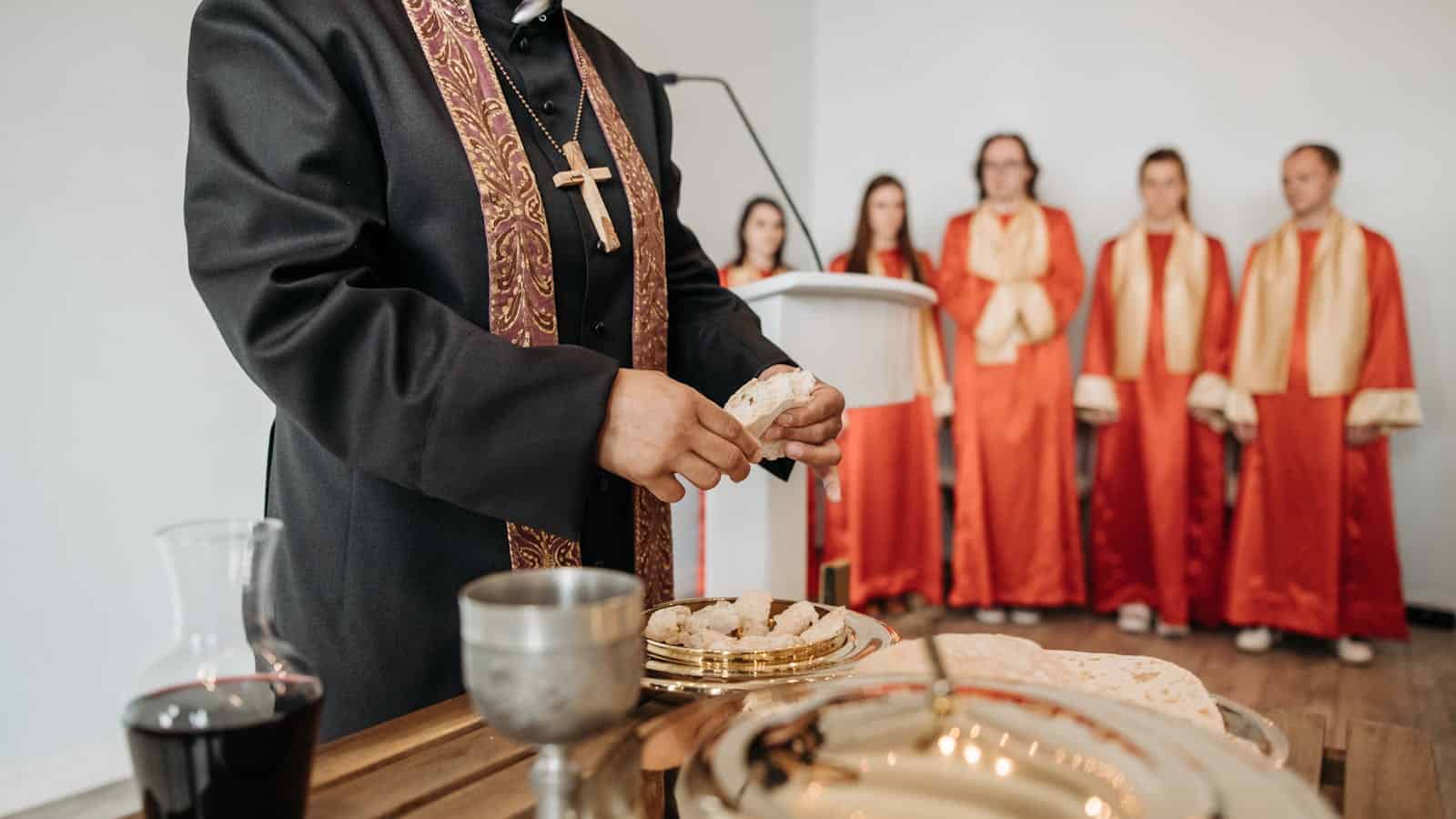
The book of Acts tells us that the first Christians broke bread together daily in their homes with glad and sincere hearts. They didn’t relegate the remembrance of Christ’s death to the first Sunday of the month. Every meal was a reminder of Jesus’ sacrifice and a moment to center their lives around Him.
We have compartmentalized our faith to Sunday mornings and forgotten that Jesus is the bread of life every day. This sporadic approach makes it easy to forget the gospel during the hustle of the work week. Barna reports that in 2025, 43% of men attended church regularly compared to 36% of women, showing that daily engagement patterns are shifting unpredictably.
Women In Leadership
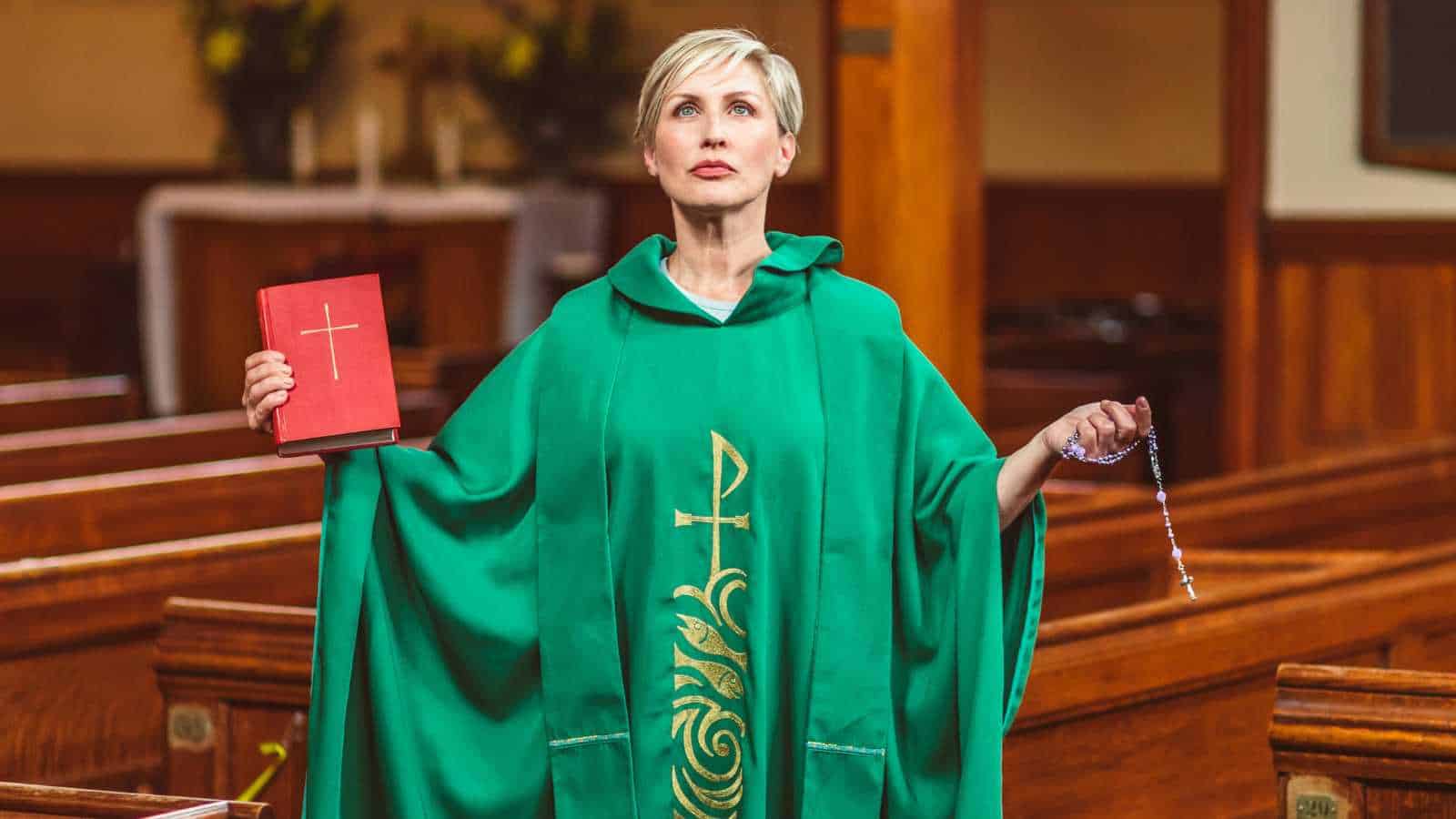
While debated heavily today, historical evidence shows women like Junia and Phoebe held significant roles in the earliest Christian movements. In a culture that marginalized women, the church was a radical place where they were often partners in the gospel. They were the first witnesses to the resurrection and vital to the expansion of the church network.
Many modern traditions have restricted women’s roles to the point where their gifts are completely stifled. We waste more than half of the church’s potential talent pool by enforcing rigid hierarchies. It is tragic that we often look more like the surrounding culture of the first century than the counter-cultural church that Jesus started.
Caring For The Poor

The early church was famous among pagans for how they cared for the poor, the widows, and the orphans, even those outside their faith. They didn’t just run programs; they personally adopted the vulnerable and made them family. Roman Emperor Julian once complained that Christians supported not only their own poor but also the Roman poor.
We often outsource our charity to government agencies or write a check to a nonprofit so we don’t have to get our hands dirty. We have forgotten that caring for the “least of these” is a primary test of true religion. With over 380 million Christians facing high persecution globally in 2025, our call to care for the suffering body is more urgent than ever.
Disclosure: This article was developed with the assistance of AI and was subsequently reviewed, revised, and approved by our editorial team.
Like our content? Be sure to follow us