11 reasons religious discussions can be difficult in public settings
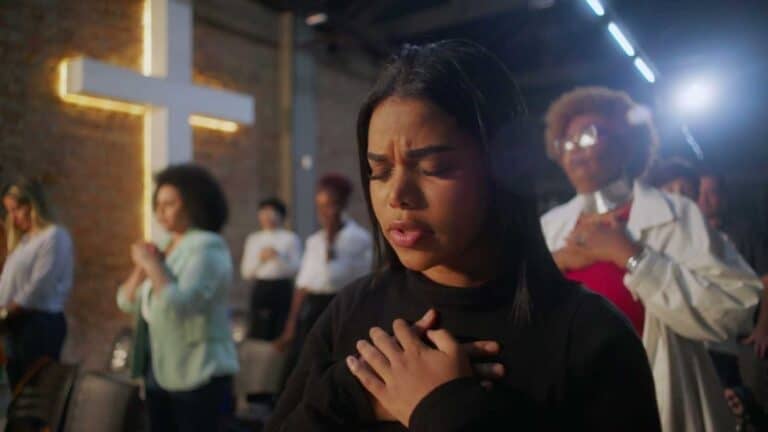
What starts as a casual comment about faith can suddenly shift the mood of an entire room, leaving everyone carefully choosing their following words.
Talking about religion in public can feel like walking a conversational tightrope. What begins as a thoughtful exchange can quickly turn awkward, tense, or emotionally charged. Even well-intentioned comments can land the wrong way when beliefs are deeply personal.
This guide explores 11 reasons religious discussions can be difficult in public settings, shedding light on the social dynamics, emotional undercurrents, and unspoken rules that make these conversations especially tricky.
Beliefs Are Closely Tied To Identity

Religious beliefs often feel inseparable from personal identity. When assumptions are questioned, it can feel like a personal critique rather than an intellectual disagreement. This emotional closeness raises the stakes of any discussion. You may notice that beliefs shape daily choices, moral instincts, and self-understanding. Questioning them can feel like questioning someone’s worth or character. This reaction happens even when no offense is intended. Public environments heighten this sensitivity because there is little emotional buffer.
Psychological research shows that when something challenges what you deeply believe, your body reacts the same way it would if you were personally under attack. In public spaces, that reaction can surface quickly.
Fear Of Offending Others

Many people hold back out of concern for social harmony. No one wants to be the person who makes a room uncomfortable. This fear often leads to silence or vague language. You often weigh every word before speaking.
The risk of being misunderstood may outweigh the benefit of honesty. Silence becomes a protective strategy rather than a sign of indifference. Over time, this habit reinforces avoidance rather than understanding. Public settings amplify this tension because reactions are visible and immediate. Politeness often wins over honesty.
Different Definitions Of Respect

People often have different understandings of what respect means. For some, respect means open disagreement handled calmly. For others, it means avoiding disagreement altogether. You may enter a conversation assuming shared social rules. When those rules differ, confusion sets in quickly. One person may view debate as engagement, while another sees it as a form of disrespect.
Without clarity, good intentions collide. This mismatch can derail conversations quickly. Studies 403 on intercultural communication show that conflicting expectations are a significant source of misunderstanding.
Emotional History With Religion

Religion is rarely neutral. Past experiences, both positive and negative, shape how people respond to discussions. Old wounds can resurface unexpectedly. You may not know the personal history others bring into the room.
Religion can carry memories of loss, pressure, comfort, or exclusion. Those experiences influence reactions more than logic. Public settings rarely allow space to unpack that complexity. Research on religious trauma highlights how prior negative experiences can trigger strong emotional responses. Public spaces offer little room to process those feelings safely.
Power Dynamics In Groups

Group settings often include implicit hierarchies. Age, authority, or social status can influence who feels safe speaking up. This imbalance affects how religious opinions are shared.
You often sense who holds influence without it being stated. That awareness shapes how openly people speak. Some voices dominate while others retreat. Religious topics magnify this imbalance because disagreement can feel risky. People may self-censor to protect relationships or reputations. Public conversations rarely happen on equal footing.
Assumptions And Stereotypes

Religious labels often carry assumptions. People may feel boxed into stereotypes before they even speak. This creates defensiveness from the start. You may feel judged before finishing a sentence. Labels can replace listening, fostering resistance rather than curiosity.
Once assumptions take hold, nuance tends to disappear. Conversation becomes defense rather than dialogue. Social psychology research indicates that stereotyping can reduce openness and increase conflict in group discussions. Assumptions shorten patience.
Lack Of Shared Language

Religious concepts rely on specific vocabulary. Terms such as faith, salvation, and sin carry different meanings across traditions. Without shared definitions, confusion spreads. You might use familiar words without realizing they carry different meanings.
Misunderstanding grows when people assume agreement where none exists. Clarifying terms requires time and patience. Public conversations rarely offer either. Miscommunication increases when abstract ideas lack common reference points. Words may feel familiar, but they often mean different things.
Social Media Spillover

Online debates have reshaped how people talk offline. Many public discussions now carry the tone of internet arguments. Sharp phrasing replaces curiosity. You often calculate social cost before speaking. Public reactions can significantly impact a person’s reputation or relationships.
This pressure encourages safe answers over honest ones. Vulnerability feels expensive in shared spaces. Research indicates that social media fosters polarized thinking, which often carries over into real-world interactions. Public conversations inherit that edge.
Fear Of Being Judged

People often worry about how their views will be perceived. Being labeled ignorant, extreme, or intolerant carries social consequences. This fear limits openness.
You often calculate social cost before speaking. Public reactions can significantly impact a person’s reputation or relationships. This pressure encourages safe answers over honest ones. Vulnerability feels expensive in shared spaces. In public, reactions are witnessed by others. Self-protection becomes a priority over understanding.
Cultural And Religious Diversity
Public spaces bring together diverse backgrounds. Beliefs that feel normal in one culture may seem strange in another. This diversity enriches discussion but also complicates it.
You encounter belief systems shaped by different histories and values. What feels obvious to you may feel foreign to someone else. Without shared reference points, misinterpretation tends to grow. Diversity enriches conversation but demands patience. Differing belief frameworks can lead to misinterpretation when there is no shared context. Nuance gets lost quickly.
Unclear Goals Of The Conversation

Some people seek dialogue; others seek persuasion. When intentions differ, frustration follows. One side may seek understanding while the other seeks agreement. You may assume everyone wants the same outcome. Some people seek understanding, others validation.
When goals clash, frustration builds. Public settings leave little room to reset expectations. Conversations struggle when expectations aren’t aligned. Public settings rarely allow for clarifying those goals first.
Key Takeaway

Religious discussions are challenging in public, not because people lack goodwill, but because beliefs intersect with emotions, identity, and history simultaneously. Understanding these pressures doesn’t solve every conversation, but it can explain why silence often feels safer than speaking up.
The 15 Things Women Only Do With the Men They Love

The 15 Things Women Only Do With the Men They Love
Love is a complex, beautiful emotion that inspires profound behaviors. We express our love in various ways, some universal, while others are unique to each individual. Among these expressions, there are specific actions women often reserve for the men they deeply love.
This piece explores 15 unique gestures women make when they’re in love. From tiny, almost invisible actions to grand declarations, each tells a story of deep affection and unwavering commitment.