12 questions people are always asking about the Bible
People are still deeply curious about the Bible, even if they rarely open it. Barna’s State of the Bible research estimates that over 181 million Americans opened a Bible in the past year, yet about half of U S adults read it less than twice a year and mostly come to it with specific questions rather than regular study.
Online Bible ministries report that the same big questions appear again and again, from “Can I trust this book?” to “What does it say about sex, suffering, and the end of the world?” Here are 12 questions people are always asking about the Bible, along with the context and debates behind them.
Is The Bible Historically Reliable At All

Skeptics and believers alike want to know whether the Bible’s stories match what historians and archaeologists find. Textual scholars point out that the New Testament in particular has far more early manuscripts than any other ancient work, which strengthens confidence that modern translations reflect the original text. Revival and Reformation notes that discoveries such as the Dead Sea Scrolls, ancient inscriptions, and city ruins consistently align with the geographical and cultural background described in Scripture, even if not every event can be independently verified.
How Literally Are We Supposed To Read It
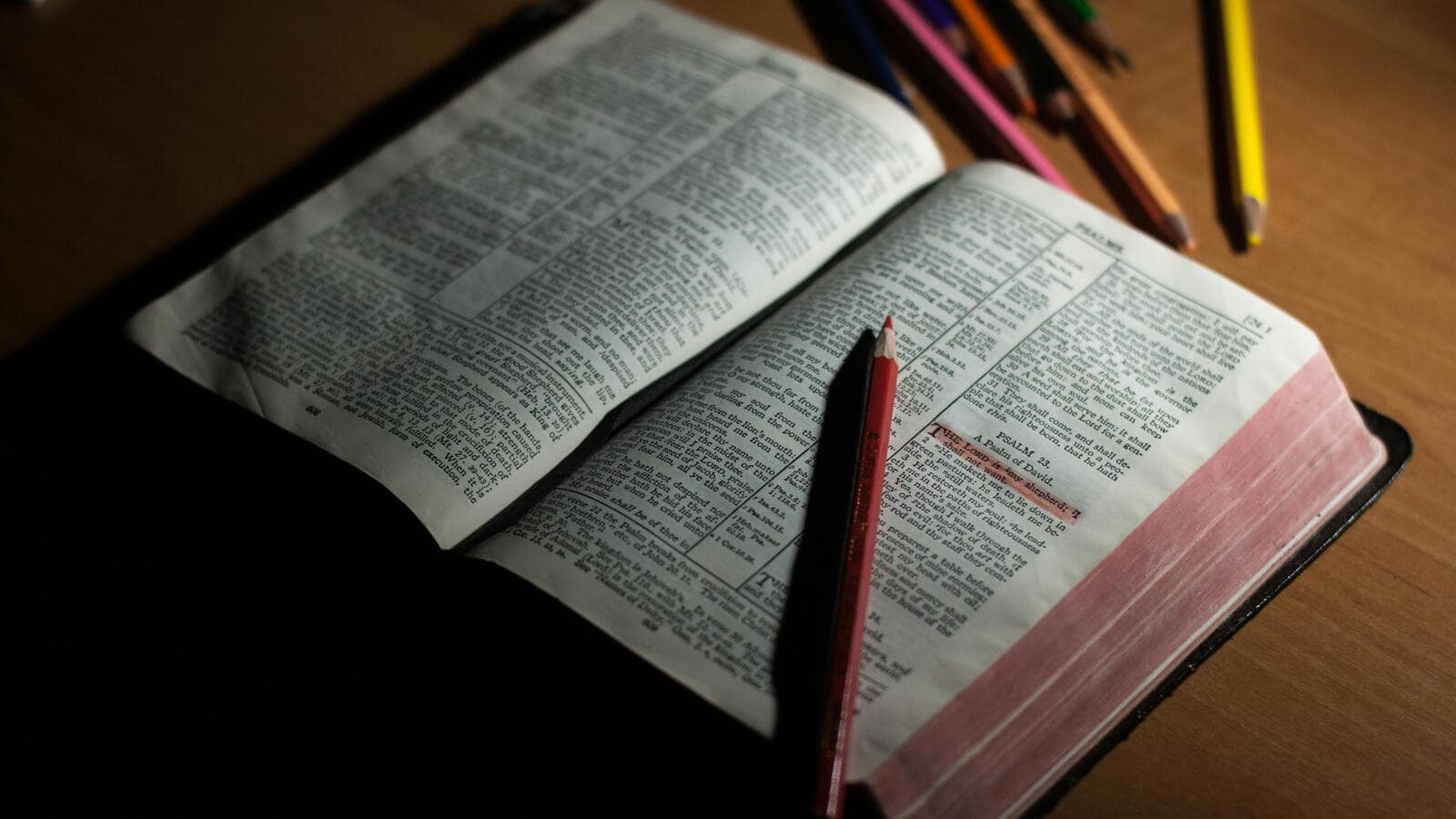
One of the biggest questions pastors and Bible teachers hear is “What parts are literal and which are symbolic?” Scholars generally answer that the Bible is a library, not a single genre, so poetry, prophecy, narrative, and apocalyptic vision must be read according to their own rules rather than flattened into a single style.
Even conservative theologians warn that asking only “is this literal or not?” can oversimplify the question and suggest instead asking what the original author intended to communicate in their time and context.
Why Are There So Many Different Translations
Curious readers often wonder why English Bibles come in so many versions if they are all “God’s Word.” Christian Bible Reference explains that modern translations differ mainly in two ways: which ancient manuscripts they prioritize and how literally they render the original Hebrew and Greek into modern English.
Some versions aim for word-for-word accuracy, others for thought-for-thought readability, and recent study Bibles often include notes to explain where textual or interpretive debates exist so readers can see the evidence behind a given rendering.
Where Did The Bible Actually Come From
People frequently ask who chose the books of the Bible and when. The Old Testament or Hebrew Bible grew over many centuries and was largely recognized in Judaism by the time of Jesus, while the New Testament writings circulated among early churches and were widely accepted by the fourth century.
Church history sources, such as Biblical Training, emphasize that early Christians used criteria such as apostolic connection, widespread use, and theological consistency when recognizing books, rather than a single council simply “picking” them arbitrarily.
Why Does The Old Testament God Sometimes Seem So Harsh
A recurring question is why God, in parts of the Old Testament, appears angry or violent, given Jesus’ emphasis on mercy. Bible teachers and theologians respond in several ways, noting that the Old Testament spans many genres and centuries, that much of it describes God’s response to particular historical crises, and that Christian theology sees Jesus as the fullest revelation of God’s character, not a contradiction of it.
The tension remains a live topic in sermons, books, and online Q&A because readers still struggle to reconcile judgment passages with the Bible’s claims about divine love.
What Does The Bible Say About Sex And Sexuality

Questions about homosexuality, gender, and sex outside marriage are among the most searched Bible topics online. Traditional interpreters point to explicit prohibitions in both the Old and New Testaments and see them as timeless moral teaching, while progressive scholars argue for more attention to historical context, ancient sexual norms, and the overarching biblical themes of justice and covenant.
Because sexuality is so central to modern identity, both sides invest heavily in explaining how their reading fits with the Bible’s authority and the character of God portrayed in Scripture.
Can Christians Drink Alcohol Or Get Tattoos

Practical lifestyle questions never go away. Pages that track Bible queries, like Got Questions, report that “what does the Bible say about tattoos?” and “is it a sin to drink alcohol?” rank consistently among their top reader questions.
Most conservative answers note that tattoo prohibitions in Leviticus were tied to ancient ritual practices and that the New Testament permits moderate drinking while strongly condemning drunkenness and addiction, but they also stress conscience, cultural witness, and health as factors Christians should weigh.
Is There Really A Heaven And Hell Like People Describe

Curiosity and fear drive a steady stream of questions about what happens after death. Bible Q&A sites see frequent searches about what heaven is like, whether hell is eternal, and who ends up where.
Traditional Christian teaching emphasizes bodily resurrection, final judgment, and eternal destinies, but within that framework, scholars debate the imagery and timing found in apocalyptic books like Revelation and how literally to read vivid symbols such as fire, streets of gold, and beasts.
Does The Bible Support Or Condemn Violence And Slavery
Modern readers often ask whether the Bible endorses slavery, patriarchy, or holy war, and if so, how believers can still call it morally authoritative. The Bible reflects and regulates ancient social structures rather than inventing them, and some passages, especially in the New Testament, sow the seeds of more egalitarian relationships by emphasizing the equal value of all people before God. Even so, these texts remain contentious and are central in debates over how to apply Scripture ethically today.
Is The Bible Anti-Science
In a scientific age, another recurring question is whether the Bible and science fundamentally clash. UASV argues that, while the Bible is not a science textbook, it is historically grounded and broadly compatible with scientific discovery, citing archaeological finds and manuscript evidence to support its reliability.
Others acknowledge real tensions around topics such as evolution and the age of the earth, but argue that these arise more from certain interpretations of Genesis than from the biblical text itself, which employs ancient literary patterns to speak of God as Creator.
Why Do Some People Read The Bible All The Time, And Others Almost Never
In the U S, Bible curiosity is high, but regular engagement is surprisingly low. Barna’s State of the Bible report found that about 34 percent of American adults read the Bible at least once a week, while roughly half read it less than twice a year. The American Bible Society’s 2024 data shows that Bible “engagement” had fallen, with Generation Z the least engaged group, but that’s changing in recent times.
How Can I Start Understanding It Without A Theology Degree

Finally, one of the most practical questions is how an ordinary person can make sense of such an old, complex collection of books. Pastors and Bible teachers typically recommend starting with one of the Gospels and a modern translation, reading in context rather than as random verses, and using simple study tools like introductions, cross-references, and reading plans.
Many readers already approach Scripture by searching for specific topics or verses, but experts encourage balancing that with whole-book reading to see the bigger story the Bible claims to tell. For all these questions, one thing is clear. People are not done with the Bible yet. They are still asking whether it can be trusted, how it fits with modern life, and what it actually says about the issues that keep them up at night, which is why lists of “most asked Bible questions” remain among the most visited pages on Christian websites year after year.
Disclosure: This article was developed with the assistance of AI and was subsequently reviewed, revised, and approved by our editorial team.
20 Odd American Traditions That Confuse the Rest of the World

20 Odd American Traditions That Confuse the Rest of the World
It’s no surprise that cultures worldwide have their own unique customs and traditions, but some of America’s most beloved habits can seem downright strange to outsiders.
Many American traditions may seem odd or even bizarre to people from other countries. Here are twenty of the strangest American traditions that confuse the rest of the world.
20 of the Worst American Tourist Attractions, Ranked in Order

20 of the Worst American Tourist Attractions, Ranked in Order
If you’ve found yourself here, it’s likely because you’re on a noble quest for the worst of the worst—the crème de la crème of the most underwhelming and downright disappointing tourist traps America offers. Maybe you’re looking to avoid common pitfalls, or perhaps just a connoisseur of the hilariously bad.
Whatever the reason, here is a list that’s sure to entertain, if not educate. Hold onto the hats and explore the ranking, in sequential order, of the 20 worst American tourist attractions.