12 Reasons Dining Out Just Doesn’t Feel Worth It Anymore
Dinner out used to feel like a little reward. Now, for many Americans, it feels more like a budgeting exercise with napkins. YouGov found that 37% of Americans said they ate out less often in 2025, and 69% of those cutting back blamed the rising cost of restaurant meals. The latest federal data backs that up: in February 2026, food away from home rose 3.9% year over year, while groceries rose 2.4%, so people do not just feel squeezed here; they actually are.
That shift matters because dining out still plays a huge role in American food spending. The USDA reports that food-away-from-home spending reached $1.52 trillion in 2024 and accounted for 58.9% of total food expenditures, but consultants at BCG and McKinsey now say growth has begun to flatten as diners rethink the value of each visit. As YouGov’s Nora Hao put it, “value has become the deciding factor” in where and how people eat. Honestly, that line says a lot, because nobody wants to pay luxury prices for a burger that shows up lukewarm and confused.
Menu prices keep climbing

People notice menu inflation fast, especially when it hits the same places they used to count on for an easy weeknight dinner. Federal data shows restaurant prices kept rising faster than grocery prices into early 2026, and BCG says restaurant prices have jumped close to 40% since 2019. That kind of increase changes behavior, because families can absorb only so many “it’s just a few dollars more” moments before they stop believing the lie.
At some point, a sandwich and fries stop feeling casual and start feeling like a minor financial event.
The value no longer feels fair

Higher prices do not bother people quite as much when the food, service, and atmosphere still feel worth it. The problem? YouGov found that 82% of Americans think restaurant prices have climbed over the past year, but only 28% think those prices feel fair for the quality they get, and 54% say they have changed how they dine out to spend less. That gap between price and satisfaction erodes loyalty quickly, because diners will forgive expensive or mediocre food, but they rarely forgive both.
Ever leave a restaurant thinking, “I could have made this at home, and mine would have had more seasoning”? Yeah, that feeling keeps winning.
Tipping fatigue kills the mood
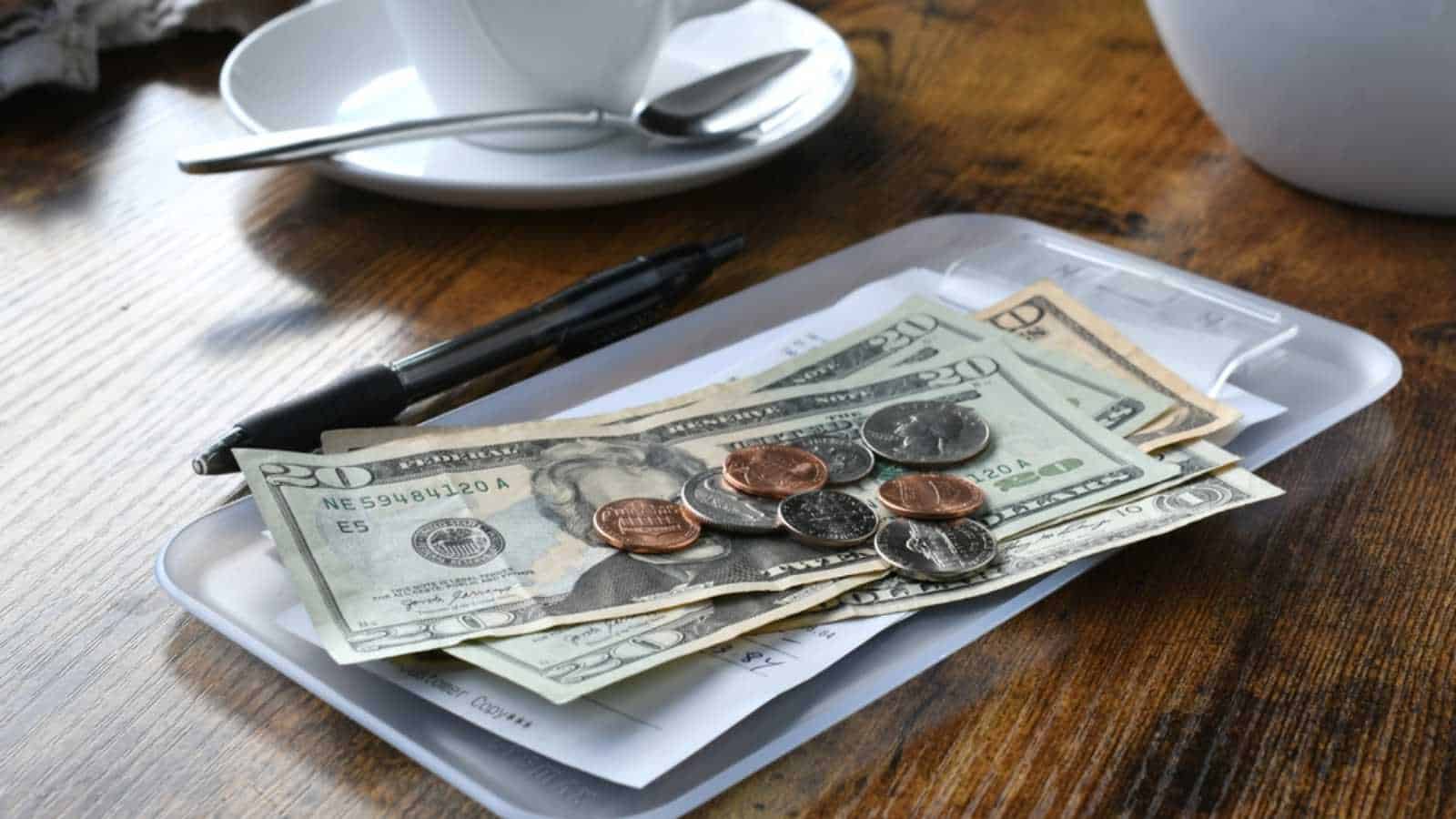
Even people who still believe in tipping admit that the whole experience feels heavier than it used to. Bankrate found that 63% of Americans hold at least one negative view about tipping, while 41% say tipping culture has gotten out of control, 38% feel annoyed by pre-entered tip screens, and 27% say those screens make them tip less or not at all.
Bankrate’s Ted Rossman notes that Americans still grumble about tipping even though the habit sticks around, and that grumbling matters because nobody enjoys feeling judged by an iPad before the food even arrives. You go out for tacos, not for a moral exam with percentage buttons.
Drinks and extras blow up the bill

A lot of checks go off the rails after the entrée order, not before it. YouGov says 42% of Americans who changed their dining habits to spend less now skip drinks, and the BLS reports that alcoholic beverages away from home were up 3.1% year over year in February 2026.
On top of that, Gallup found only 54% of U.S. adults said they drink alcohol in 2025, the lowest rate in its long-running trend, so a growing chunk of the country no longer sees restaurant drinks as a default splurge. Once people start asking whether they really need the cocktail, the appetizer, and the dessert, the answer gets blunt very quickly.
Lower-income households feel priced out

This trend does not hit every household the same way, and the numbers make that painfully clear. YouGov found that 44% of lower-income Americans said they were dining out less often than a year ago, compared with the national average of 37%. Pew says about half of lower-income Americans eat at restaurants only a few times a year or never.
That gap tells the real story better than any food trend forecast ever could: when housing, transportation, and groceries chew through a paycheck, restaurant meals move from “fun” to “maybe next month.” People are not rejecting dining out because they suddenly hate fun; they are protecting their budgets.
Older diners pull back harder

Younger adults get most of the headlines, but according to McKinsey, Gen X and baby boomers showed the sharpest pullback in dining and food delivery spending over the past two years. Low- and middle-income households in those age groups cut back across quick-service, sit-down, and delivery categories, which suggests they are watching value very closely.
That makes sense, because older diners often have higher fixed costs, and many would rather protect their savings than keep pretending that a routine restaurant meal still counts as a small indulgence. The splurge mindset fades fast when the receipt keeps trying to cosplay as a utility bill.
Takeout beats sit-down convenience

A full restaurant visit now competes with easier options on every side. The National Restaurant Association says 47% of adults pick up takeout at least once a week, 42% use the drive-thru weekly, and 37% order delivery weekly, while off-premises traffic has grown well beyond pre-pandemic levels. People can eat restaurant food without waiting for a table, paying for parking, sitting through slow service, or pretending they enjoy hearing someone else’s birthday song from three booths away.
Once consumers realize they can keep the convenience and skip the hassle, many stop choosing the full dine-in experience unless the occasion truly warrants it.
Discounts now decide the visit

Restaurants still attract people, but deals increasingly do the heavy lifting. YouGov found that among Americans trying to spend less, 60% choose cheaper restaurants, 53% use discounts or coupons, and 51% order fewer items. The National Restaurant Association says more than 8 in 10 off-premises customers respond to value offers such as combo meals, daily specials, BOGO promotions, and off-peak discounts, which means people no longer stroll into restaurants with blind optimism.
They walk in with a promo code, a mental budget, and the energy of someone who absolutely refuses to pay full price for mozzarella sticks.
Health goals favor home-cooked meals

Many Americans now associate home cooking with better health, which changes where they spend their food dollars. Pew found that nearly nine in ten Americans eat home-cooked meals at least a few times a week, compared with only 12% who eat at restaurants that often, and those who eat home-cooked meals daily are much more likely to describe their diets as very healthy.
IFIC adds that 57% of Americans followed a specific eating pattern or diet in 2025, with many focusing on protein, weight management, energy, digestion, and healthier aging. When people chase goals like that, they usually want more control over ingredients, portions, salt, oil, and protein than a typical restaurant meal gives them.
Smaller meals fit real life better

Not everybody wants a full restaurant occasion anymore. IFIC found that 62% of Americans now replace traditional meals with snacks or smaller meals, up from 56% in 2024 and 38% in 2020, and 70% snack at least once a day. That trend matters because restaurants still build plenty of menus and pricing around the old idea of a complete meal event, but many people now eat in fragments that fit work, workouts, school pickups, and plain old exhaustion.
If dinner now looks like a protein yogurt, fruit, and something from the air fryer, a sit-down meal starts losing the convenience war before anyone even grabs the car keys.
Mobile ordering changed expectations

Technology reshaped food habits, and restaurants now compete against the speed of a thumb tap. The National Restaurant Association says younger consumers treat takeout, drive-thru, and delivery as essential parts of daily life, and its economist Chad Moutray bluntly said: “smartphones are as essential as food and oxygen to younger customers.”
The same report says repeat business now depends on speedy service, good customer service, intuitive ordering and payment tech, value offers, and loyalty programs, which tells you something important: diners no longer compare restaurants only to other restaurants. They compare them to the easiest app on their phone.
Cooking at home feels normal now

Home cooking no longer feels like the backup plan people use only when money gets tight. IFIC found that 87% of Americans cook at home at least once a week, and nearly eight in ten cook at home multiple times a week, while 69% buy groceries in person weekly and 18% buy groceries online weekly. That mix of routine, access, and grocery convenience changes habits for good, because once people build a steady rhythm around shopping, batch cooking, leftovers, and simple recipes, dining out stops feeling necessary.
I still love a good diner breakfast, but I completely understand why more households now look at their fridge and think, “We have food at home,” and actually mean it.
Key takeaway
Americans have not fallen out of love with restaurants. They have just become far more selective about price, value, convenience, health, and control, and the latest numbers keep pointing in the same direction: 37% already dine out less often, 69% of cutbacks tie directly to higher prices, and restaurant inflation still runs ahead of grocery inflation.
That does not mean dining out disappears; it means restaurants now have to fight harder for every visit, every order, and every extra item on the check. So do you agree with the shift, or do you still think eating out deserves a regular spot in the budget?
Disclaimer – This list is solely the author’s opinion based on research and publicly available information. It is not intended to be professional advice
Like our content? Be sure to follow us.