9 Hidden Dangers of Inhaling Helium That Could Put Your Life at Risk
Helium might seem harmless, especially when it makes your voice sound cartoonish for a few seconds, but the truth is more serious. While helium itself is non-toxic and inert, inhaling it can displace the oxygen your body needs to survive. What seems like a fun party trick can turn into a life-threatening situation. Here’s what you need to know before you take that balloon and breathe in.
1. Why Does Helium Change Your Voice?

Helium changes your voice because it is much less dense than air. When you inhale it, sound travels faster through your vocal cords and vocal tract, creating that squeaky, high-pitched tone. It’s not magic, just physics, but the risks outweigh the laughs.
2. Helium Is Not Oxygen
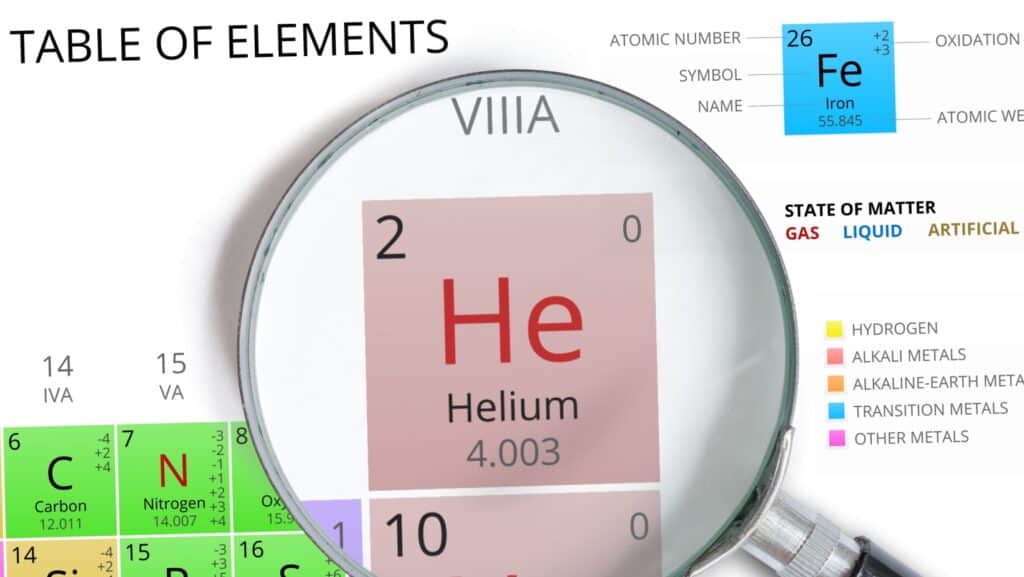
The biggest problem is that helium does not provide oxygen. When you fill your lungs with helium, you’re pushing oxygen out. Even a single deep breath of helium means your body is not getting the oxygen it needs, and if you keep inhaling, that becomes dangerous very quickly.
3. Oxygen Deprivation Happens Fast

When your body doesn’t get oxygen, you can become lightheaded, dizzy, or even pass out within seconds. Prolonged deprivation leads to unconsciousness, brain damage, or death. This is called hypoxia, and it’s no joke.
4. One Breath Can Cause Trouble

You might think one quick inhalation is harmless, and for most healthy adults, it probably is. But people have collapsed after inhaling helium just once, especially if they take a very deep breath or do it repeatedly. Children and those with health conditions are at higher risk.
5. Compressed Helium Tanks Are Even Riskier

Breathing helium directly from a pressurized tank can kill you instantly. The force can rupture your lungs, causing a condition called an air embolism, which is bubbles in the bloodstream that can block blood flow to the brain or heart.
6. Real Accidents Have Happened

News reports have documented tragic cases of teens and young adults dying after inhaling helium, either from balloons or tanks. What seemed like harmless fun ended in brain injury or fatal accidents. These cases highlight that the danger is real.
7. It Can Damage Your Lungs

Even without an embolism, forcing helium into your lungs can cause barotrauma, which is injury to the lung tissue from sudden pressure changes. This can lead to collapsed lungs or other serious respiratory issues.
8. Why It Feels So Harmless
Helium has no smell, taste, or toxicity, which makes it easy to underestimate. It doesn’t burn or poison you, but the lack of oxygen is what makes it dangerous. This “silent risk” is why medical professionals urge people to skip the balloon trick.
9. What To Do If Someone Passes Out

If someone faints after inhaling helium, call emergency services immediately. They need oxygen therapy and monitoring for possible lung or brain damage. Quick action can save a life.
10. The Bottom Line

Helium might make for a funny moment, but it is not worth the risk. Lack of oxygen can cause permanent harm in seconds. Skip the squeaky voice routine and stick to safe party fun.
The Takeaway

Helium plays an important role in medical imaging, space exploration, and industrial science, but it should never be in your lungs. The next time you see someone reaching for a balloon to inhale, share what you know: the temporary laugh is not worth the permanent risk.
Disclosure: This article was developed with the assistance of AI and was subsequently reviewed, revised, and approved by our editorial team.
Like our content? Be sure to follow us on MSN and Newsbreak