12 reasons why marriages fail after 50
For many couples, turning 50 isn’t a milestone of endurance but the moment they finally see how far apart they’ve drifted.
Marriage is often viewed as a marathon, but hitting the half-century mark in age doesn’t guarantee you’ll cross the finish line together. Many couples find that the dynamics of their relationship shift dramatically once the kids leave and careers wind down. It’s a transition that can expose cracks in the foundation, which were previously papered over by the busyness of raising a family.
For some, this stage of life offers a chance to reconnect, but for others, it highlights just how much they have drifted apart over the decades. The realization that you have less in common with your spouse than you thought can be jarring when there are no distractions left. Here is an examination of why so many couples are deciding to part ways later in life.
The Empty Nest Syndrome

When the last child leaves home, the silence in the house can be deafening for a couple that has focused entirely on parenting. You might look across the dinner table and realize you are staring at a stranger you happen to share a mortgage with. Without the daily logistics of school runs and soccer practice to manage, the lack of personal connection becomes impossible to ignore.
This transition forces partners to confront whether they actually like each other as people, not just as co-parents. If the relationship was fueled solely by the shared project of raising children, the engine simply stalls out when that job is done. Rebuilding that bond requires effort that some couples are too exhausted or unwilling to provide.
Financial Friction In Retirement

Money arguments are legendary marriage killers, but they take on a different weight when you are living on a fixed income. One partner might want to travel the world and spend their savings, while the other is terrified of running out of money and wants to pinch every penny. These fundamental differences in spending styles can turn what should be a relaxing retirement into a daily battleground.
The stakes are incredibly high because you no longer have the earning years ahead to make up for mistakes or disagreements. According to APA, women over 50 experience an average 45% drop in their standard of living after divorce, compared to just 21% for men. This alarming statistic underscores why financial incompatibility is such a potent wedge between older spouses.
Health Issues And Caregiving
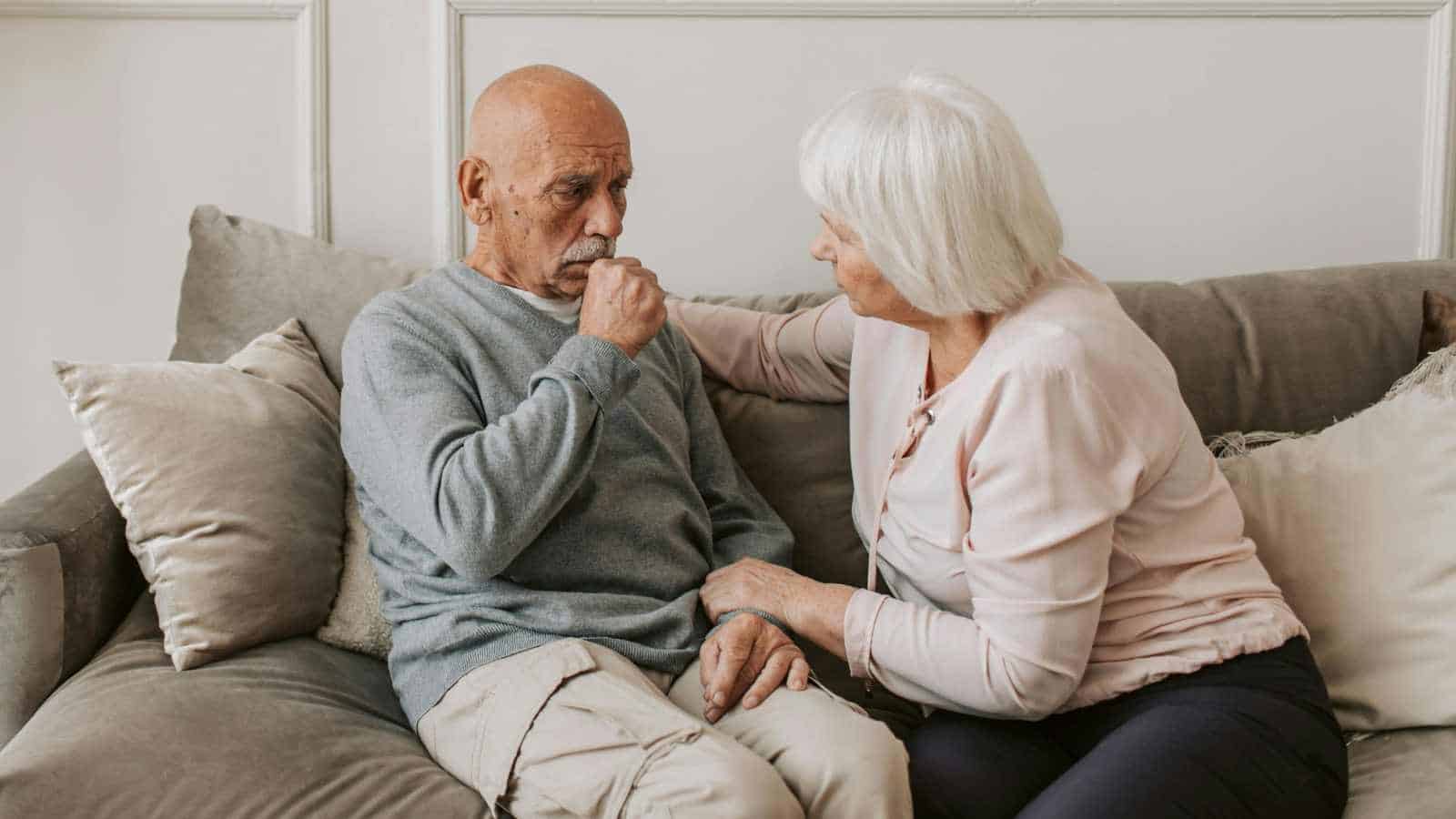
Aging brings a host of physical challenges that can fundamentally alter the balance of a marriage. When one spouse becomes the primary caregiver for the other, the relationship shifts from a partnership of equals to a nurse-patient dynamic. This change can breed resentment, exhaustion, and a sense of lost freedom for the healthier partner.
On the flip side, the ill partner may feel guilty or stripped of their dignity, creating an emotional chasm that is hard to bridge. A study from the University of Michigan found that 31% of marriages among older adults ended in divorce when at least one partner fell seriously ill. The stress of managing chronic conditions often breaks bonds that were already fragile.
The Gray Divorce Revolution

There is a contagious nature to divorce, and seeing friends or peers split up can normalize the idea for unhappy couples. We are currently witnessing a massive cultural shift where staying in an unhappy marriage for the sake of appearance is no longer the standard. People are living longer, and the prospect of spending another twenty or thirty years being miserable is a powerful motivator to leave.
This trend is backed by startling numbers that show just how common late-life separation has become. Data from the Pew Research Center indicate that 11.0 per 1,000 Americans aged 50 or older are divorcing. It is no longer taboo to start over, and many older adults are choosing solitude over a poor match.
Retirement Routine Clash

Retirement sounds like a dream until you are suddenly spending 24 hours a day, seven days a week, with your spouse. You might discover that your husband’s habit of narrating the news or your wife’s need for constant conversation drives you up the wall. The loss of a separate work identity means you are both seeking purpose, often stepping on each other’s toes in the process.
Couples often fail to discuss what their daily lives will look like before they submit their notice. One person might envision a quiet life of gardening, while the other expects a busy social calendar and constant activity. Without a compromise, this friction destroys the peace that retirement was supposed to bring.
Second Marriage Struggles

Many people over 50 are in their second or third marriage, which statistically faces a steeper uphill battle than a first union. Blended families, stepchildren, and baggage from previous relationships add layers of stress that can wear a couple down over time. The ghost of a past spouse or the financial obligations of a previous divorce often sit at the dinner table with you.
The patience to work through these issues tends to be lower because you have already been through the wringer once before. Modern Family Law statistics reveal that 60% to 67% of second marriages end in divorce, a rate significantly higher than for first marriages. It seems that the experience of a past divorce makes people quicker to pull the ripcord when things go south again.
Growing Apart Over Decades

It is rarely a single, explosive event that ends a marriage after 50; usually, it is a slow, quiet erosion of intimacy. You evolve as a person over thirty years, and sometimes you simply grow in opposite directions. The shared jokes and easy conversation are replaced by a polite roommate dynamic where you coexist but don’t connect.
This slow drift is dangerous because it is easy to ignore until the gap is too wide to cross. According to the Institute for Family Studies, the divorce rate for adults aged 65 and older was 15% in 2022, which is triple the rate from the 1990s. This surge suggests that more people are refusing to accept a hollow partnership in their later years.
Addiction And Substance Abuse

Substance abuse is not just a problem for the young; it is a silent epidemic among older adults that wrecks marriages. Retirement can trigger heavy drinking or prescription drug misuse as a way to cope with boredom, pain, or a loss of purpose. The sober spouse is left dealing with erratic behavior, financial drain, and the emotional toll of living with an addict.
Confronting an addiction later in life is incredibly difficult because patterns are so deeply set. You might have tolerated a partner’s drinking while you were distracted by work and kids, but it becomes unbearable when you are together all day. Refusal to seek help is often the final straw that leads to the lawyer’s office.
Infidelity In The Digital Age

Cheating isn’t limited to midlife crises; it occurs frequently in older adulthood, often facilitated by technology. Social media makes it incredibly easy for an unhappy spouse to reconnect with a high school flame or find a new admirer online. The emotional distance in the marriage makes the excitement of a new, virtual connection feel like a lifeline.
The betrayal cuts deep after decades of building a life and trust together. Discovering a partner’s secret life shatters the shared history and makes the future seem impossible to face together. For many, the humiliation and breach of trust are things they simply cannot forgive at this stage in life.
Differing Lifestyles And Hobbies

Opposites may attract in your twenties, but they often repel each other by the time you reach your sixties. If one of you loves hiking and adventure while the other prefers sedentary activities such as reading or watching television, finding common ground becomes challenging. You end up living parallel lives where you rarely do anything together because your interests are totally misaligned.
This lack of shared joy strips the relationship of its glue. You need shared experiences to maintain a bond, and without them, you are just two people sharing a grocery list. Eventually, the active partner leaves to find someone who can actually keep up with them.
Lack Of Intimacy

Physical intimacy often changes as we age, but for many couples, it disappears entirely, leading to deep dissatisfaction. Hormonal changes, health issues, or simple boredom can turn a bedroom into a no-fly zone. While sex isn’t everything, the complete absence of affection and touch creates a cold, lonely environment.
Ignoring this issue rarely works; it usually leads to one partner feeling rejected and unloved. Practical Intimacy reports that a “sexless marriage” is likely to lead to divorce. When the physical spark dies out completely, the emotional connection often follows it to the grave.
Women’s Financial Independence
Women today are more financially independent than any previous generation of women aged 50 and older. They have their own 401(k)s, pensions, and careers, meaning they don’t have to remain in an abusive marriage for economic survival. This shift in power dynamics allows women to prioritize their happiness over financial security.
The option to leave alters the calculus of what a woman is willing to tolerate. Bowling Green State University researchers found that the share of currently divorced adults aged 65 and older has tripled since 1990. This massive jump is partly fueled by women who finally have the means to say, “Enough is enough.”
Disclosure: This article was developed with the assistance of AI and was subsequently reviewed, revised, and approved by our editorial team.
Like our content? Be sure to follow us