12 strict parenting rules from the 90s that today’s parents completely abandoned
Parents once ran households like strict command centers, but a new generation is rewriting the rules of childhood.
Raising kids a few decades ago felt like operating with a completely different manual. Parents back then ruled the roost with an iron fist and a set of unbreakable commandments. A quick look back reveals a totally different approach to family life and discipline. We have definitely shifted gears since those days of strict curfews and unquestioned authority.
Modern moms and dads are writing their own rules while tossing the old playbook out the window. Fostering emotional intelligence has replaced the intense demand for blind obedience. The shift makes sense when you consider how much we have learned about child psychology recently. Let us explore the vintage rules that modern families have permanently left in the dust.
Children Should Be Seen and Not Heard

Growing up, adults made it crystal clear that kids belonged in the background during grown-up conversations. You were expected to sit quietly while the adults talked about the news or family gossip. Interrupting a parent was basically a cardinal sin that guaranteed swift punishment.
Nowadays, families actually want their little ones to have a voice and share their opinions. Parents actively encourage their children to participate in dinner table debates. A 2023 Pew Research Center study reveals that 44 percent of parents are actively trying to raise their children differently from how they were raised.
The Clean Plate Club Is Mandatory

Leaving the dinner table before clearing every single pea off your plate was practically illegal. You sat there for hours staring at cold broccoli until you finally choked it down. Parents believed that forcing kids to eat everything was the best way to prevent waste.
Dietitians today shudder at this old rule because it completely ruins a healthy relationship with food. Modern parents focus on offering nutritious choices without turning the dining room into a battlefield. We now teach kids to listen to their own bodies and stop eating when they feel full.
Physical Discipline Fixes Bad Behavior Fast

The threat of getting a spanking kept many kids walking a very narrow line. Timeouts were rarely a thing, but reaching for a belt or a wooden spoon was standard practice. Fear was the primary tool used to keep rowdy kids in check.
The medical community has since proven that hitting children causes lasting emotional damage. We traded physical punishment for natural consequences and actual conversations about feelings. According to a 2023 Pew Research Center study, 62 percent of parents admit that being a parent has been at least somewhat harder than they expected, often because they use gentler methods.
Go Outside Until the Streetlights Come On

Summer days meant getting kicked out of the house right after breakfast with zero supervision. You drank from the garden hose and wandered the neighborhood until it got dark. Moms and dads had no idea where you were, and they honestly did not stress about it.
That level of unsupervised roaming is practically unheard of for young children right now. A 2025 Gallup poll highlights that 41 percent of parents fear for their child’s physical safety at school, let alone wandering the streets. Playdates are carefully scheduled and supervised by anxious adults with tracking apps.
Because I Said So Is a Complete Answer

Asking why you had to do something usually resulted in an abrupt phrase shutting you down. Questioning authority was viewed as blatant disrespect rather than natural curiosity. Adults refused to explain their reasoning because their word was absolute law.
Modern households treat discipline as a chance to teach rather than simply command. Parents actually take the time to explain why certain boundaries exist. A 2024 Gallup survey found that 60 percent of U.S. parents report having an excellent relationship with their child today.
Boys Do Not Cry, and Girls Play Nice

Gender roles were strictly enforced from the moment you learned how to walk. Boys were told to tough it out and swallow their tears after a scraped knee. Girls were pushed to be quiet, polite, and accommodating at all times.
Families are finally tossing these harmful and restrictive stereotypes into the garbage bin. Parents want their sons to express sadness and their daughters to be fiercely independent. We realize that healthy emotional expression is necessary for every single child.
Mental Health Days Mean You Are Faking

If you were not throwing up or running a high fever, you were getting on that yellow bus. Feeling sad, anxious, or overwhelmed was never a valid excuse to miss a day of math class. Kids were expected to power through their emotional struggles without any breaks.
Today, moms and dads recognize that a mental break is just as important as a physical one. A 2024 Gallup study found that 62 percent of Generation Z kids say they just want their parents to listen to them when they are upset, rather than give advice. We are validating their stress and letting them recharge when life feels too heavy.
Grounding Means Staring at Four Blank Walls
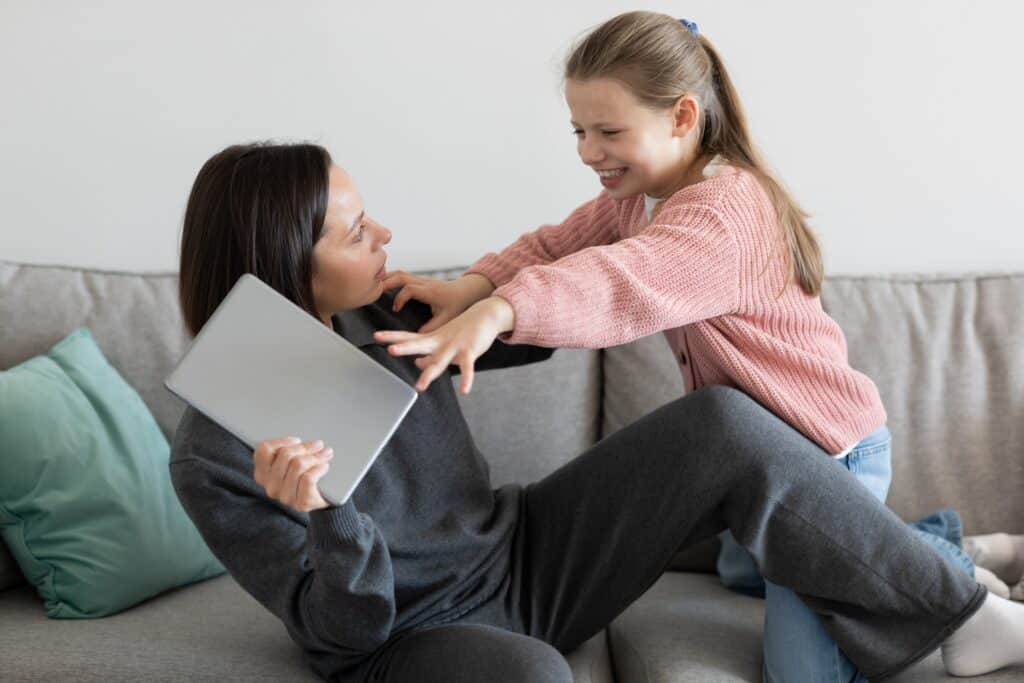
Messing up meant your entire social life was canceled for a month straight. You were sent to your room without a television, telephone, or any form of entertainment. Parents thought pure isolation was the magic cure for a bad attitude.
Isolating a teenager for weeks usually just creates deep resentment and sneaky behavior. We now favor taking away specific privileges for a short duration while keeping the dialogue open. Discipline is focused on correcting the mistake instead of making the child feel abandoned.
Fear Every Single Stranger on the Street

Stranger danger was the ultimate lesson drilled into our heads during the late twentieth century. We were terrified of every unfamiliar face we passed at the grocery store. The messaging made kids believe that danger only lurked in dark vans driven by unknown people.
Safety experts shifted the focus to tricky people instead of just unfamiliar faces. We teach kids to trust their gut feelings and recognize inappropriate behavior from anyone. We want them to find a safe stranger, like a mom with a stroller, if they ever get lost.
Privacy Is a Privilege You Earn Later

Bedrooms had no locks, and diaries were constantly getting snooped through by suspicious moms. Adults firmly believed that keeping secrets was a sign you were doing something wrong. Kids had absolutely zero personal space to call their own.
Trust is a path that goes both ways, and modern families try very hard to maintain it. Giving older kids some breathing room helps them develop independence and confidence. According to a 2024 Pew Research Center report, 71 percent of parents feel their adult children’s successes and failures reflect directly on their own parenting.
Kids Must Hug Every Relative

Holiday gatherings always involved being forced to kiss an aunt who smelled like strong perfume. Refusing a hug was considered rude and would immediately embarrass your mother. Your bodily autonomy took a backseat to making sure the extended family felt loved.
We finally understand that forcing affection teaches terrible lessons about consent. High fives and waves are completely acceptable alternatives for shy kids who want personal space. Empowering a child to say no to a hug protects them far beyond the family reunion.
Respect Is Demanded Unconditionally From Day One

The older generation believed that respect was automatically owed to anyone older than you. Kids were forced to tolerate toxic behavior from adults just because of an age difference. You never dared to speak up for yourself if an elder treated you poorly.
The new school of thought is that respect is earned through mutual kindness and understanding. We teach our kids that they deserve to be treated well by adults and peers alike. Raising confident humans means showing them the same respect we expect in return.
Like our content? Be sure to follow us.