12 Things Commonly Sold in the ’80s That Are Now Illegal
Consumer culture in the 1980s felt wide‑open; bright toys, bold marketing, and far fewer rules about what could be on store shelves. Since then, a wave of safety, health, and environmental regulations has quietly pushed many once‑normal products out of legal circulation. In the U.S. alone, the Consumer Product Safety Commission (CPSC), FDA, and EPA dramatically expanded recalls and bans in the late 20th century after data showed how dangerous certain everyday items really were.
From toys loaded with lead to cigarettes marketed like candy, here are 12 things you could commonly buy in the ’80s that would be illegal, or heavily restricted, today.
Lead‑Painted Children’s Toys
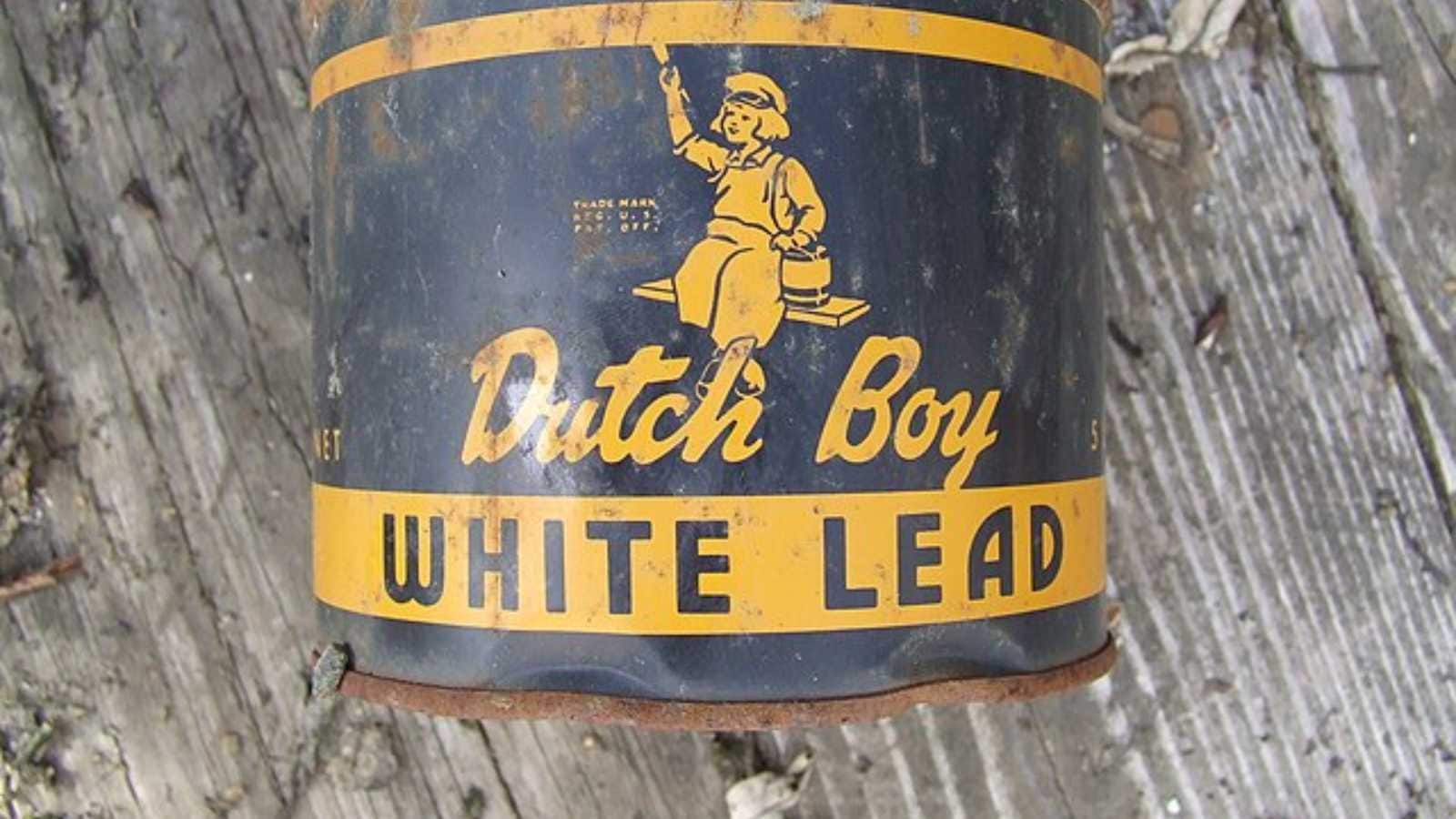
In the early and mid‑1980s, imported metal and wooden toys often contained lead‑based paint, despite growing evidence that even low‑level lead exposure could damage children’s brains. Lead is linked to reduced IQ, attention problems, and behavioral issues in kids, and there is effectively no known safe level.
Major U.S. reforms culminated in the Consumer Product Safety Improvement Act of 2008, which strictly limited lead in children’s products to 100 parts per million and mandated testing and certification. Today, selling new children’s toys with lead‑based paint is illegal in many countries, and violations trigger high‑profile recalls.
Lawn Darts (Jarts)

Lawn darts, heavy, metal‑tipped darts thrown toward ground targets, were a staple of ’80s backyard games. They were also notoriously dangerous. Between 1978 and 1987, U.S. hospitals recorded at least 6,100 lawn‑dart–related emergency‑room visits and three child deaths, according to the Consumer Product Safety Commission.
After years of partial restrictions, the CPSC issued a full ban on lawn darts as a consumer product in 1988, effectively removing them from legal sale. Today, selling or importing classic Jarts‑style lawn darts for play is illegal in the U.S., and similar bans or tight restrictions exist in other countries.
Cigarette Ads and Branded Merch Aimed at Kids

In the ’80s, cigarette brands sold or gave away branded gear, T‑shirts, hats, jackets, even toys, and ran glamorous print and billboard ads that kids saw everywhere. Internal industry documents later showed that young people were a key marketing target, even though cigarettes were already known to be addictive and deadly.
The 1998 Master Settlement Agreement between U.S. states and major tobacco companies banned the use of cartoon characters, branded merchandise for children, and many forms of outdoor advertising. Today, heavily marketing tobacco with youth‑appealing imagery or swag would violate multiple federal and state laws.
Asbestos‑Containing Home Products

Asbestos surveys found that asbestos was still present in many building materials and consumer products sold in the early ’80s, including some ceiling tiles, insulation, and certain heat‑resistant items. The fibers were later conclusively linked to mesothelioma and lung cancer, with disease often appearing decades after exposure.
The U.S. and many other countries have since banned or strictly limited most new uses of asbestos, particularly in household products and building materials. Today, selling new consumer items containing asbestos is illegal or tightly controlled in much of the world.
High‑Lead Gasoline for Everyday Cars

Throughout the 1980s, leaded gasoline was still widely sold at U.S. and international pumps, even as environmental agencies moved to phase it out. Lead from tailpipes contaminated the air, soil, and dust, contributing to elevated blood lead levels in children.
The U.S. EPA began phasing out leaded gasoline in the 1970s, and it was finally banned for on‑road vehicles in 1996; the UN announced that automotive leaded fuel was eliminated worldwide by 2021. Selling leaded gas for standard cars is now illegal in most countries.
Toys With Small, Easily Detached Parts for Toddlers

In the early ’80s, choking hazards were less tightly regulated, and toys for very young children sometimes included small parts that could detach under stress. A CPSC study in the late 1970s recorded thousands of small‑parts injuries and highlighted toy‑related choking incidents in children under three.
By 1979 and into the ’80s, new small‑parts rules were implemented, but enforcement and design changes took time. Today, it is illegal in the U.S. to market toys intended for children under three that fail small‑parts tests, and similar regulations exist across the EU and other regions.
Certain High‑Phthalate Plastic Children’s Products

Soft, flexible plastic toys and teething items sold in the ’80s sometimes contained high levels of phthalates, chemicals later linked to potential hormone disruption and developmental issues. At the time, long‑term exposure risks were poorly understood.
Subsequent research led to restrictions: the U.S. now bans several phthalates (such as DEHP, DBP, and BBP) in toys and childcare articles above 0.1% by weight, with similar bans in the EU. Many products that were common in the ’80s would not be legal to sell to children today.
Many Over‑the‑Counter Diet Pills and “Energy” Formulas

The 1980s diet boom saw a wave of over‑the‑counter pills and “fat burners” containing stimulants and ingredients later banned or severely restricted. Some products used combinations of caffeine, ephedra‑like compounds, or other substances that raised blood pressure and heart‑attack risk.
After reports of strokes and cardiac events, the FDA banned ephedra‑containing dietary supplements in 2004, calling them an “unreasonable risk of illness or injury.” Many formulas common in ’80s health‑food stores or late‑night infomercials would now be illegal to sell as consumer supplements.
Non‑Child‑Resistant Packaging for Toxic Household Chemicals

In the early ’80s, not all household solvents, cleaners, and medications had child‑resistant caps or packaging. Poison‑control data from the 1960s and ’70s showed large numbers of accidental poisonings among young children from easily opened containers.
The U.S. Poison Prevention Packaging Act led to widespread adoption of child‑resistant packaging, and by the late ’80s, many products had switched, but older, non‑compliant stock and imports lingered. Today, selling many hazardous substances without approved child‑resistant packaging is illegal in the U.S. and numerous other countries.
Some High‑Risk Fireworks and M‑80‑Style Explosives

In the 1980s, powerful consumer fireworks, including illegal M‑80s and similar devices, circulated widely despite restrictions, often sold under the counter or mislabeled. These explosives were implicated in severe injuries, burns, and amputations.
U.S. federal law now limits consumer fireworks to 50 milligrams of flash powder; anything stronger is classified as an explosive device and illegal for consumer sale. Several types of fireworks commonly bought at roadside stands or from “a guy who knew a guy” in the ’80s are now explicitly banned.
Strongly Ozone‑Depleting Aerosol Products
Hair sprays, deodorants, and some cleaning products in the early ’80s still contained chlorofluorocarbons (CFCs), chemicals later found to severely damage the ozone layer. Satellite and atmospheric data in the 1980s confirmed the growing Antarctic “ozone hole,” linking it to CFC emissions.
The 1987 Montreal Protocol and subsequent national laws phased out CFCs in most aerosols and refrigeration systems. Today, selling consumer aerosols containing many ozone‑depleting CFCs is illegal under international agreements and domestic law.
Some Popular Prescription Drugs Now Pulled From the Market

The 1980s saw widespread prescribing of drugs later withdrawn for safety reasons, including certain painkillers, anti‑arrhythmics, and appetite suppressants. Post‑marketing surveillance and clinical data eventually revealed unacceptable risks such as heart‑rhythm problems, organ damage, or fatal side effects.
While many of these medications were legal and common in the ’80s, they have since been discontinued or banned by regulatory agencies, and it is now illegal to market or sell them. Their removal underscores how much drug safety standards and pharmacovigilance have tightened since that decade.
Disclosure line: This article was developed with the assistance of AI and was subsequently reviewed, revised, and approved by our editorial team.
20 Odd American Traditions That Confuse the Rest of the World

20 Odd American Traditions That Confuse the Rest of the World
It’s no surprise that cultures worldwide have their own unique customs and traditions, but some of America’s most beloved habits can seem downright strange to outsiders.
Many American traditions may seem odd or even bizarre to people from other countries. Here are twenty of the strangest American traditions that confuse the rest of the world.
20 of the Worst American Tourist Attractions, Ranked in Order

20 of the Worst American Tourist Attractions, Ranked in Order
If you’ve found yourself here, it’s likely because you’re on a noble quest for the worst of the worst—the crème de la crème of the most underwhelming and downright disappointing tourist traps America offers. Maybe you’re looking to avoid common pitfalls, or perhaps just a connoisseur of the hilariously bad.
Whatever the reason, here is a list that’s sure to entertain, if not educate. Hold onto the hats and explore the ranking, in sequential order, of the 20 worst American tourist attractions.