Before TikTok, The Mickey Mouse Club Were the Original Influencers
Long before we were double-tapping TikToks, Disney kids in mouse ears were already living the influencer dream.
Long before TikTok dances and YouTube vlogs, a group of kids in mouse-ear hats showed the world what youth-driven entertainment could do. The Mickey Mouse Club, especially its 1990s revival, created not just stars but an entire business model: find young talent, build their personalities on screen, and turn them into multi-platform brands.
A Generation Before Social Media
The Mickey Mouse Club reboot premiered on the Disney Channel in 1989, rebranded as MMC. It looked slick, fast, and current, part variety show, part pop concert, part after-school hangout. Each episode blended comedy sketches, interviews, and musical performances by its young cast.
Audiences didn’t just watch; they felt like they knew these kids. That sense of access, seeing stars grow up in real time, was revolutionary. The same dynamic now fuels the influencer economy. Followers crave authenticity and familiarity, and that’s exactly what MMC delivered.
The Birthplace of Modern Stardom
When Britney Spears, Justin Timberlake, Christina Aguilera, Keri Russell, and Ryan Gosling joined the 1990s cast, no one could have predicted how far they’d go. They were polished but real, trained yet spontaneous. MMC turned them into household names before they ever released albums or appeared in films.
Producers emphasized individuality: each Mouseketeer had a signature look, a distinct personality, and fan segments devoted to them. This kind of personal branding, now standard for social-media stars, was novel at the time. It taught young viewers to connect with performers as people, not just characters.
The New Blueprint for Youth Entertainment
MMC’s format broke barriers by treating its audience as savvy consumers. The cast performed chart-ready songs and hip-hop choreography. They talked about current trends, fashion, and pop culture. The show’s tone was polished yet informal, exactly the blend that today’s digital creators aim for.
The show also built a built-in feedback loop. Fans wrote letters, joined clubs, and bought albums and merchandise. Every episode was a lesson in engagement, long before likes and shares existed.
From Soundstage to Star Factory
Behind the wholesome image lay a powerful industry mechanism. Disney recognized that young performers could evolve into long-term investments. When the show ended in 1996, its alumni moved seamlessly into music and film careers already backed by fan loyalty.
In that sense, MMC was an early influencer incubator. It trained kids to perform across multiple formats, from singing, acting, hosting, and even self-promotion. It also gave them something every influencer needs: visibility plus a built-in audience.
Predicting Today’s Creator Culture
Look at modern platforms and you’ll see MMC’s DNA everywhere. The variety-show segments resemble short-form videos. The close-up confessional style mirrors vlog culture. The emphasis on relatability—smiles, slip-ups, “real” moments—was MMC’s specialty.
Even brand partnerships follow the same logic. Today’s influencers sell sneakers and cosmetics; the Mouseketeers sold music albums and Disney dreams. Both rely on personality-driven marketing, fan intimacy, and a feeling of belonging to a club.
The Double-Edged Sword of Early Fame
The success came at a cost. As some former Mouseketeers later revealed, growing up under that level of exposure was intense. The show demanded discipline, maturity, and constant positivity. In many ways, the pressures mirrored what modern influencers face: constant visibility, fan expectations, and the challenge of separating personal identity from public persona.
But even those hard lessons shaped the modern playbook. MMC proved that with structure, mentorship, and storytelling, young people could thrive in the spotlight.
The Mouseketeer Legacy Lives On
Today’s streaming platforms and reality competitions owe more to The Mickey Mouse Club than they might admit. The idea that talent should be discovered, developed, and monetized in front of an audience began there.
When viewers scroll through TikTok or YouTube and find charismatic teens singing, dancing, or sharing their lives, they’re seeing the updated version of what Walt Disney envisioned: entertainment built on connection.
Full Circle Back to the Mouse
As Disney continues to reinvent itself in the digital age, the influence of MMC endures. Its graduates became global stars, its style became the template for youth programming, and its spirit—optimistic, energetic, and endlessly adaptable—still defines Disney’s approach to storytelling.
The Mickey Mouse Club didn’t just launch performers. It launched a mindset: that talent plus visibility equals possibility. And in today’s influencer-saturated world, that formula still works, just with a smartphone instead of a stage.
Why Billions Are Streaming Animation Like Never Before
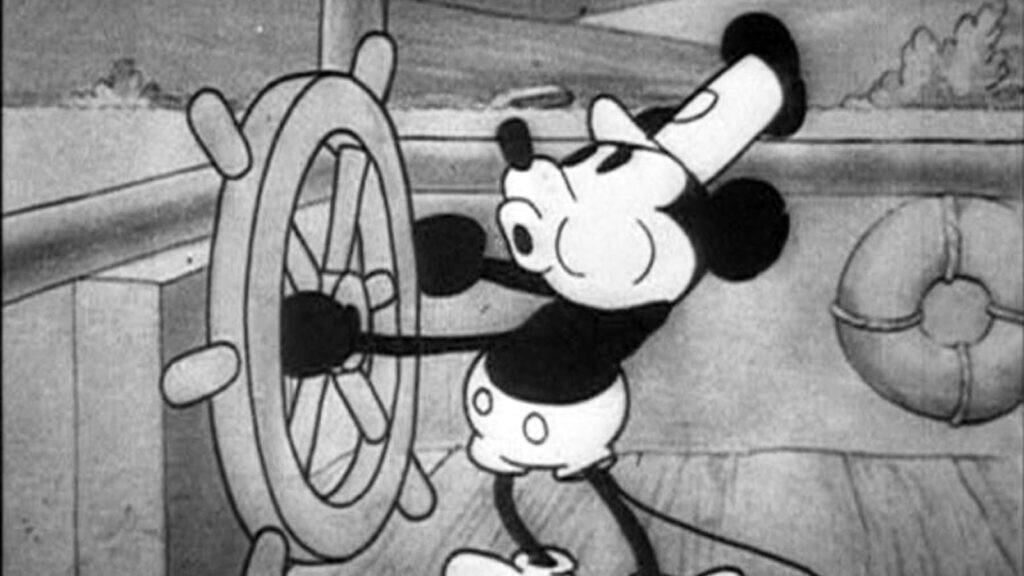
With audiences streaming billions of hours each year, animation has become one of the most influential cultural exports on the planet.
Every October 28, International Animation Day honors an art form that is far more than child’s play. Animation is one of the most universal storytelling tools humans have ever created. From flickering hand-drawn experiments in the 19th century to today’s photorealistic CGI, animation has reflected culture, pushed technology, and stretched the limits of imagination. It is a medium without borders, one that has become a global language of movement, emotion, and transformation. Learn more.