10 places where you should never reveal your Social Security number
Every time you casually share your Social Security number, you’re trusting a stranger with the blueprint of your financial life.
Protecting your personal information feels like a massive chore these days. Your secret code is the skeleton key to your financial life, and identity thieves are constantly trying to steal it. You might think you are keeping it perfectly safe in your wallet or memorized in your head. However, many people casually hand it over in situations where it is absolutely unnecessary.
Knowing exactly when to push back and say no can save you from years of credit repair headaches. We are going to walk through ten common scenarios where you should keep those digits to yourself. You will learn how to spot red flags and protect your identity without causing a scene.
Public Wireless Networks

Working from a local coffee shop is great, but their internet connection is rarely secure. Hackers love to lurk on open networks to intercept unencrypted data sent between your device and the router. Typing your most sensitive digits into a browser on a public network is asking for trouble.
Wait until you are home on a secure network before filling out sensitive forms. If you absolutely must handle official business on the go, use a reliable virtual private network to shield your traffic. A little patience goes a long way in keeping your identity safe from digital snoops.
Initial Job Applications

Applying for a new position is exciting, but you must keep your guard up during the early stages. CBS News says the Better Business Bureau noted that employment scams surged by 250 percent in early 2023. You should never provide your private digits on a preliminary application before an official job offer.
Scammers set up fake job postings just to harvest personal data from eager applicants. If a recruiter demands your sensitive information right away, you need to walk away immediately. Legitimate companies will wait until you are officially hired for tax and payroll purposes.
Routine Medical Office Forms

Many doctors automatically ask for your digits on their standard intake paperwork. Healthcare data breaches exposed over 133 million patient records in 2023 alone, making medical offices a prime target for cybercriminals. You have the right to leave that specific field blank when updating your health files.
Most clinics only use it as an internal identifier or for unpaid billing collections down the line. You can politely refuse and ask them to use a different identifier number instead. Your medical provider will almost always accept an alternative identifier without putting up a fuss.
Unsolicited Incoming Phone Calls

Scam calls are incredibly sophisticated now, often faking local numbers or government caller identities. According to the FTC, consumers reported losing a record 10 billion dollars to scams and fraud in 2023. If someone calls you claiming to be from the government or your bank, hang up the phone.
Legitimate agencies will initiate contact through official mail rather than randomly calling your personal phone. Never confirm your personal data just because the caller sounds professional or threatening. You should always hang up and call the official organization directly using a verified phone number.
Email Correspondence With Anyone

Email feels private, but standard messages are sent in plain text across vulnerable servers. The Identity Theft Resource Center reported a record high of 3,205 data compromise incidents in 2023. Sending your sensitive numbers through email is like writing them on a postcard for everyone to read.
Even if you trust the person receiving the message, their inbox might be compromised by hackers. If a business requests your information digitally, ask for a secure portal or handle it over the phone. Keeping your most private data out of your outbox is a simple but effective security habit.
Social Media Messaging Platforms
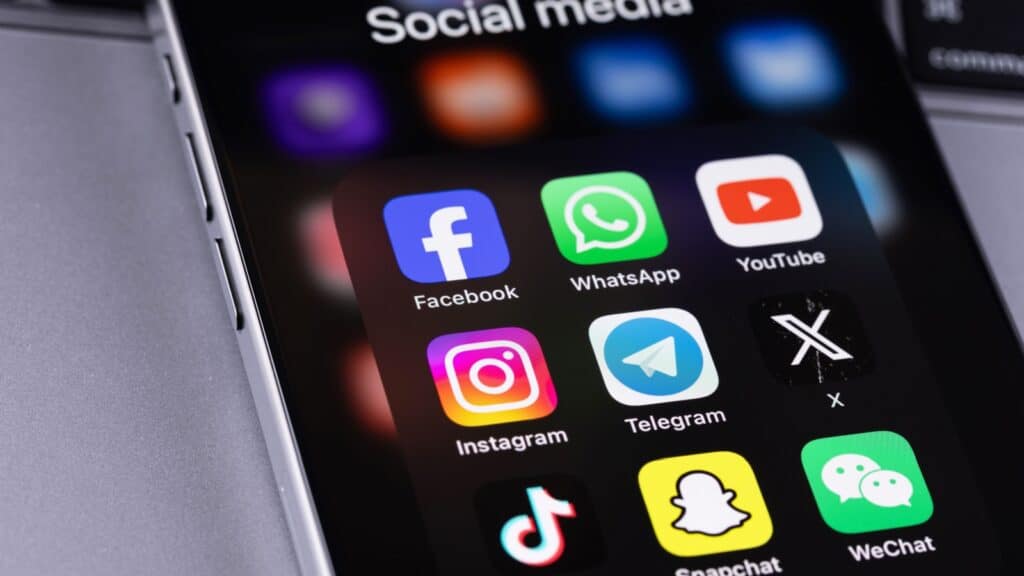
Chatting with friends online is fun, but these platforms are a playground for bad actors. The FTC found that one in four people who reported losing money to fraud in 2021 said it started on social media. You should never share sensitive identifying numbers in a direct message or chat window.
Scammers frequently hack accounts and impersonate loved ones in distress to steal your private details. Treat every social platform as a public bulletin board where nothing is truly confidential. Protecting your digital footprint means keeping your most valuable data offline completely.
Children’s Recreational Registrations

Signing your kids up for summer camp or a sports league often involves a mountain of paperwork. Javelin Strategy and Research discovered that 1.7 million minors were victims of data breaches in 2022. Coaches and camp counselors do not need your child’s most sensitive information for a simple soccer tournament.
Identity thieves love stealing clean records from minors because the crime can go undetected for years. Always push back if a recreational organization requests this level of personal data on an application. A birth certificate or a standard medical record is usually more than enough to verify their age.
Unverified Online Shopping Sites

Finding a great deal online is thrilling, but obscure retailers are often a front for identity theft. You only need a credit card and a shipping address to buy clothes or electronics. Any online store demanding your private digits for a simple purchase is running a scam.
Scammers set up fake storefronts just to harvest data from unsuspecting bargain hunters. Always stick to reputable retailers with secure checkout systems and clear privacy policies. If a website feels suspicious or asks for too much information, close the tab and shop elsewhere.
Gym Membership Agreements

Joining a new fitness center is a great goal, but pay attention to the fine print. Health clubs sometimes request your sensitive digits to run a credit check or set up automatic billing. You can easily set up monthly payments using a standard credit card or checking account instead.
Fitness centers experience high employee turnover and often lack strong data security protocols. Leaving that line blank on your contract protects you if their filing cabinet is ever compromised. Simply tell the sales representative that you do not give out that number for standard retail memberships.
Initial Rental Apartment Viewings

Searching for an apartment is stressful, and landlords often ask for background checks immediately. You should hold off on providing your private numbers until you are ready to sign a lease. Handing over your identity details just to tour a property puts you at unnecessary risk.
Some fake property listings exist solely to trick prospective renters into giving up their data. Wait until you have verified the landlord and decided you actually want the apartment. You can even offer to pull your own credit report and provide a copy to the landlord directly.
Like our content? Be sure to follow us