13 foods and essentials people are stocking up on before shortages hit
Rising food prices and ongoing supply-chain disruptions are increasing concerns about grocery affordability and product availability worldwide.
The local supermarket feels a bit like a high-stakes guessing game these days. Between shifting weather patterns, global supply snags, and shifting trade policies, empty shelves are popping up faster than a game of whack-a-mole. It is enough to make anyone want to load up a shopping cart and build a personal fortress out of canned goods.
Global trends back up those uneasy feelings, as the FAO Food Price Index shows that world food prices remain about 29% higher than in 2019, even after recent declines from the 2022 peak.
Shoppers feel that extra strain every time they walk past shrinking discounts and rising prices. Nobody wants to find themselves staring at an empty shelf when they need a quick meal or a fresh breakfast plate in the morning.
Canned Meats
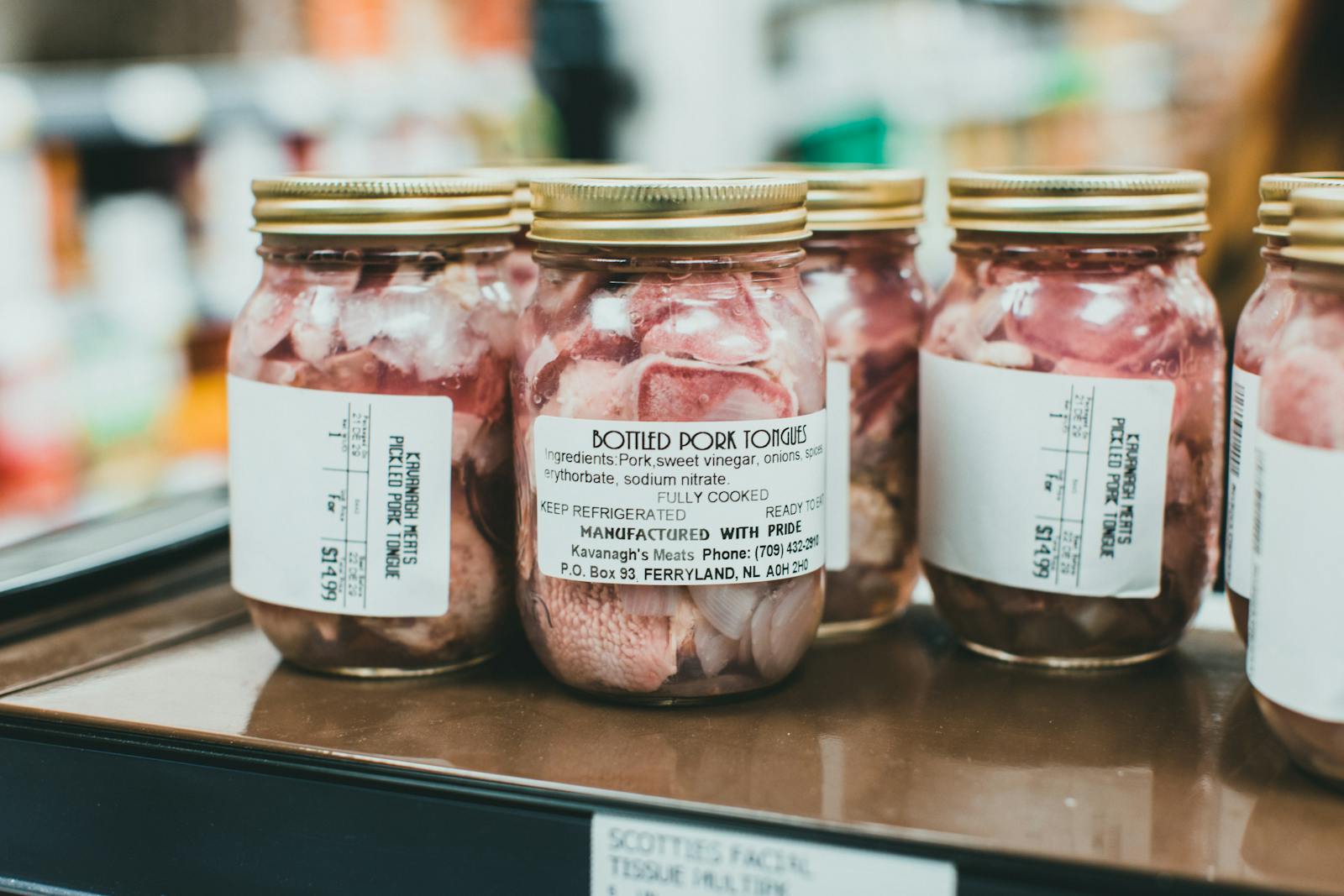
Tuna, chicken, and salmon are flying off shelves because they offer long-term storage without needing electricity. Families want protein sources that can sit in a dark closet for years and still taste fine in an emergency. With rising costs in the fresh meat aisle, these metal tins look better by the day.
A quick trip to the local grocery store reveals that these protein options are becoming prized possessions for the average kitchen. People are buying them by the case to avoid future price shocks or sudden inventory gaps. They are perfect for a fast dinner when the fresh meat section looks entirely picked over.
Cooking Oils

From olive oil to canola, liquid fats are vital for almost every dinner you can think of making. Droughts in major growing regions have hurt production, making these liquids a prime target for early shoppers. A pantry without oil makes cooking a miserable chore, so people are playing it safe.
The international market has already shown why shoppers are nervous, with the FAO Vegetable Oil Price Index surging 5.9% in a single month. That kind of jump makes families worry that another price spike or supply wobble could hit without much warning. Savvy home cooks are securing their bottles now before prices climb out of reach.
White Rice

This grain is the ultimate survival food because it can literally keep for decades if stored correctly in a cool place. It fills bellies, pairs well with everything, and provides the carbs needed to keep energy levels high during stressful times. When people worry about the future, big bags of grains are always the first to disappear.
Global trade restrictions have made this basic grain a hot commodity as nations limit their exports to protect local supplies. Consumers are noticing fewer brands on the shelves, prompting them to grab an extra bag or two during weekend runs. It provides peace of mind for pennies on the dollar.
Bottled Water

When the grid acts up or storms roll in, clean tap water can disappear in the blink of an eye. Humans cannot survive long without clean hydration, making bottled gallons the most critical item on any preparedness list. Store shelves often empty out the moment a bad weather report hits the local news.
Emergency planners keep repeating the same advice because it works, and the CDC’s emergency water supply guidance recommends that households store at least 1 gallon of water per person per day for 3 days.
Families are taking that advice to heart by lining their garages with heavy plastic jugs. Waiting until the forecast turns ugly is exactly how people end up staring at empty shelves.
Canned Vegetables
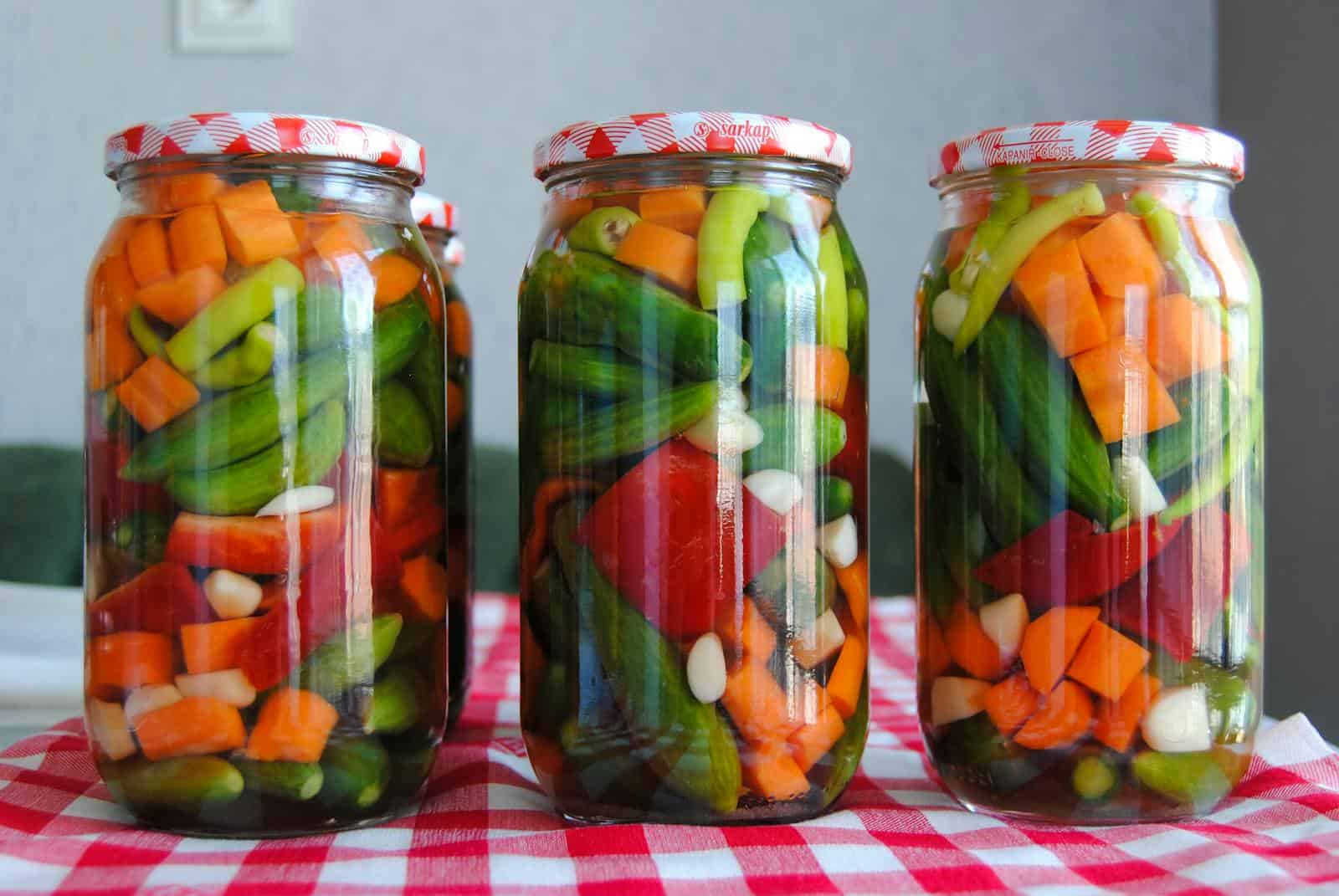
Corn, green beans, and peas are essential for keeping some green nutrition in your diet when fresh produce goes missing. Fresh veggies rot in a week, but these metal cans preserve vitamins and minerals for several years. They are an easy way to keep your dinners healthy without constant trips to the market.
Recent forecasts explain why shoppers are feeling anxious about the produce aisle: the USDA Food Price Outlook predicts that retail fresh vegetable prices will increase by 7.8% in 2026. Buying canned alternatives allows families to protect their health and their budget at the same time. A few extra cans in the pantry can soften the blow when fresh produce gets expensive fast.
Powdered Milk
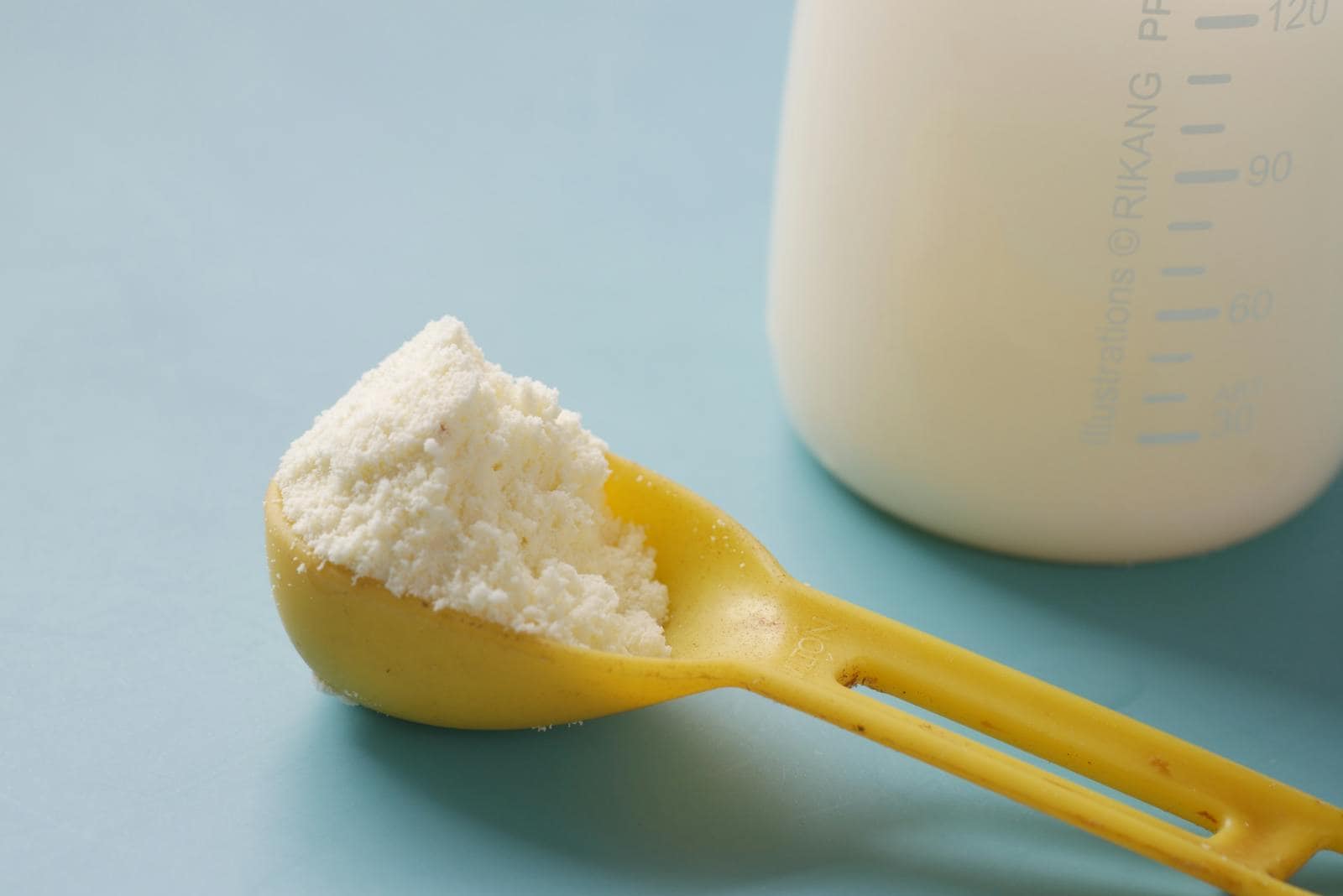
Fresh milk spoils faster than a bad joke, making it a terrible option for long-term household preparedness. The powdered alternative provides the same calcium and vitamins without the looming expiration date hanging over your head. It is a lifesaver for parents who need to keep young children fed during a prolonged shortage.
People use it for baking, mixing into morning drinks, or simply keeping it on hand for emergencies. Supply chain issues in the dairy sector have caused sporadic drops in availability, which makes the dried version highly popular. It takes up very little space but offers great utility when fresh options run out.
Dried Beans
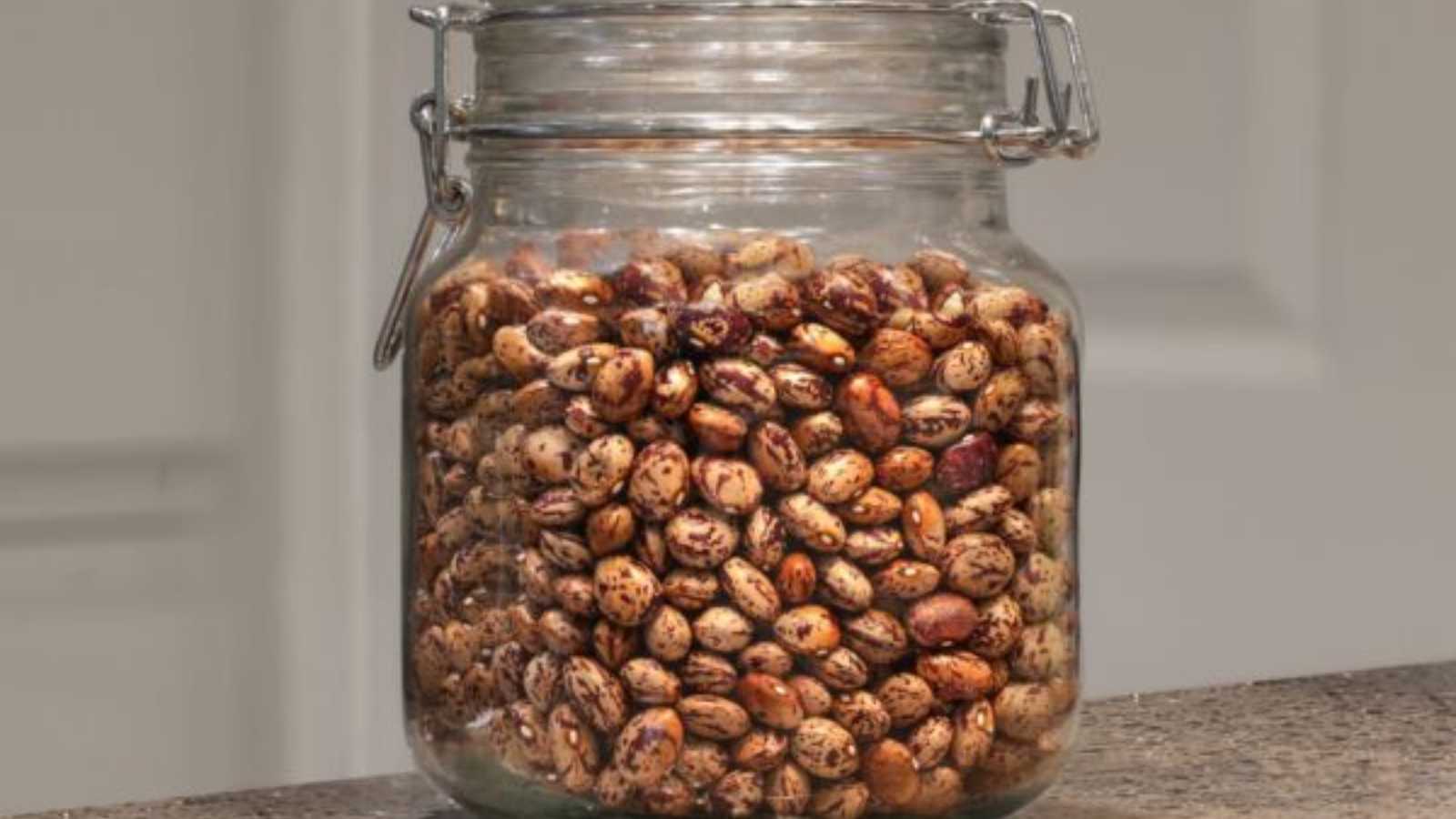
Lentils, black beans, and pinto beans are packed with protein and fiber while costing very little at checkout. They are light to carry, simple to stack, and can feed a large family for days with minimal effort. Shoppers are grabbing these bags because they offer the most nutritional value for your money.
They also require nothing more than water and heat to become a filling, hearty meal. With grocery bills eating up a massive chunk of household finances, these dry bags are a great buffer. People are grabbing them in bulk to build a solid baseline of defense against empty shelves.
Pasta

Boxes of spaghetti and macaroni are pantry royalty because they are cheap, comforting, and incredibly simple to prepare. When stress levels are high, a warm bowl of noodles can make a tough situation feel a little more normal. It is a universal crowd pleaser that stays good in the box for years.
Production costs for wheat have been climbing, prompting shoppers to worry that their favorite noodles might become more expensive. Grabbing a dozen boxes during a regular store visit is an affordable way to secure dozens of future dinners. It is a comfort food that doubles as an excellent survival staple.
Peanut Butter

This thick spread is a powerhouse of calories, healthy fats, and protein, and it requires absolutely no cooking to enjoy. You can eat it straight off a spoon if the power goes out and the stove refuses to turn on. It is an absolute favorite for families who want high-energy food that kids will actually eat.
A single jar can keep a person going for days in a pinch, which makes it a top priority for pantries. Peanut crops face unpredictable weather, leading to fears that future supply lines might tighten up. Shoppers are making sure their shelves are well stocked with both creamy and crunchy varieties.
Oats

A big tub of oats provides a reliable, filling breakfast that can stretch for weeks without losing its quality. This grain is rich in fiber and can be used in everything from morning bowls to homemade survival breads. It is an affordable way to ensure no one starts the morning with a growling stomach.
Weather challenges in northern growing regions have created anxiety about the future availability of stable grain supplies. People are buying large cardboard cylinders in pairs to ensure their morning routines stay safe. It is a versatile staple that helps support your wellness when times get lean.
Coffee

For millions of Americans, a morning without a hot brew is an absolute non-negotiable part of the day. Coffee crops are facing massive challenges globally, causing retail prices to spike and supplies to look increasingly thin. People are treating caffeine like gold, storing extra bags in the freezer to protect their morning peace.
The pressure is already showing up in store prices, with the Consumer Price Index for nonalcoholic beverages up 5.1% over the past 12 months. Grabbing extra coffee now can help households avoid a painful price shock later. For many people, protecting that daily routine is about comfort as much as it is about cost.
Baby Formula

Parents know the utter panic of looking at an empty infant shelf all too well from recent history. Because infants rely on this specific nourishment for their survival, any hint of a shortage triggers instant panic buying. Families are keeping a few extra canisters on hand to protect their peace of mind.
That fear is not imaginary, because Census Bureau data on infant formula shortages found that 34.7% of parents reported difficulty getting formula in fall 2022. No mother or father wants to play games with an infant’s nutrition when store inventories start fluctuating. Keeping a small reserve has become standard practice for many young households.
Pet Food

Our furry companions need to eat, too, and kibble shortages can happen just as easily as human supply drops. Meat shortages and manufacturing delays frequently hit the pet aisle, leaving shelves looking completely bare for weeks. Pet owners are buying large bags in advance so their dogs and cats never miss a meal.
Seeing your pet look at an empty bowl is a heartbreaking scenario that every owner wants to avoid. People are dedicating closet space to heavy bags of food and canned wet options to protect their animals. It is a vital part of household preparedness, keeping the whole family happy and fed.
Key Takeaway

Building a resilient pantry is not about panic or hoarding every item in sight during a crisis. It is about making smart, gradual choices during your regular shopping trips to protect your home from sudden market shifts. By picking up a few extra staples each week, you can stay ahead of the crowd and keep your kitchen running smoothly in no time.
Disclaimer – This list is solely the author’s opinion based on research and publicly available information. It is not intended to be professional advice.
Like our content? Be sure to follow us